

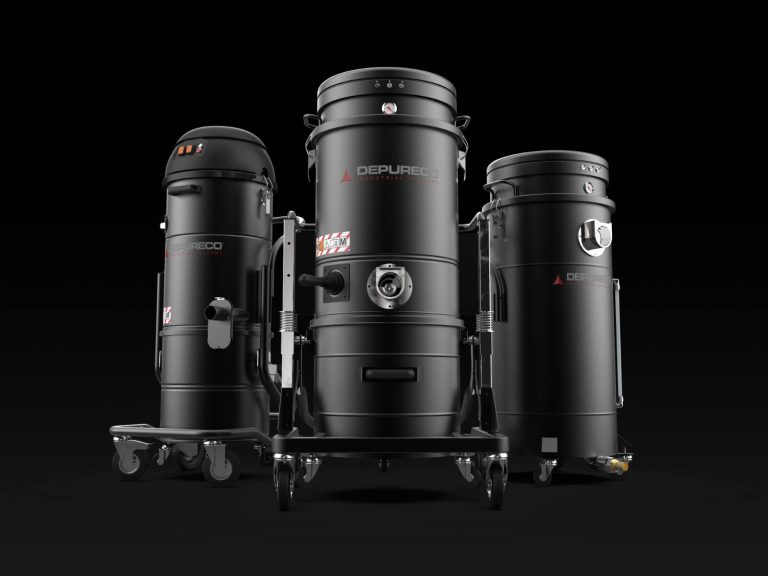
Portable recovery for dust, debris, liquids, sludge and general plant maintenance.

Continuous-duty recovery for production debris, abrasive material and higher daily loads.
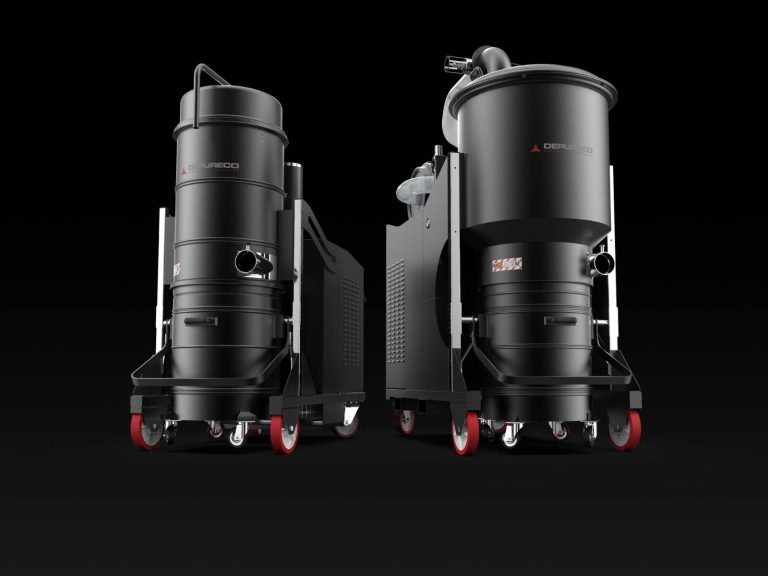
Large-capacity recovery, long hose runs and demanding high-volume cleanup.

High-efficiency filtration and contained-discharge options for fine or hazardous particulate.
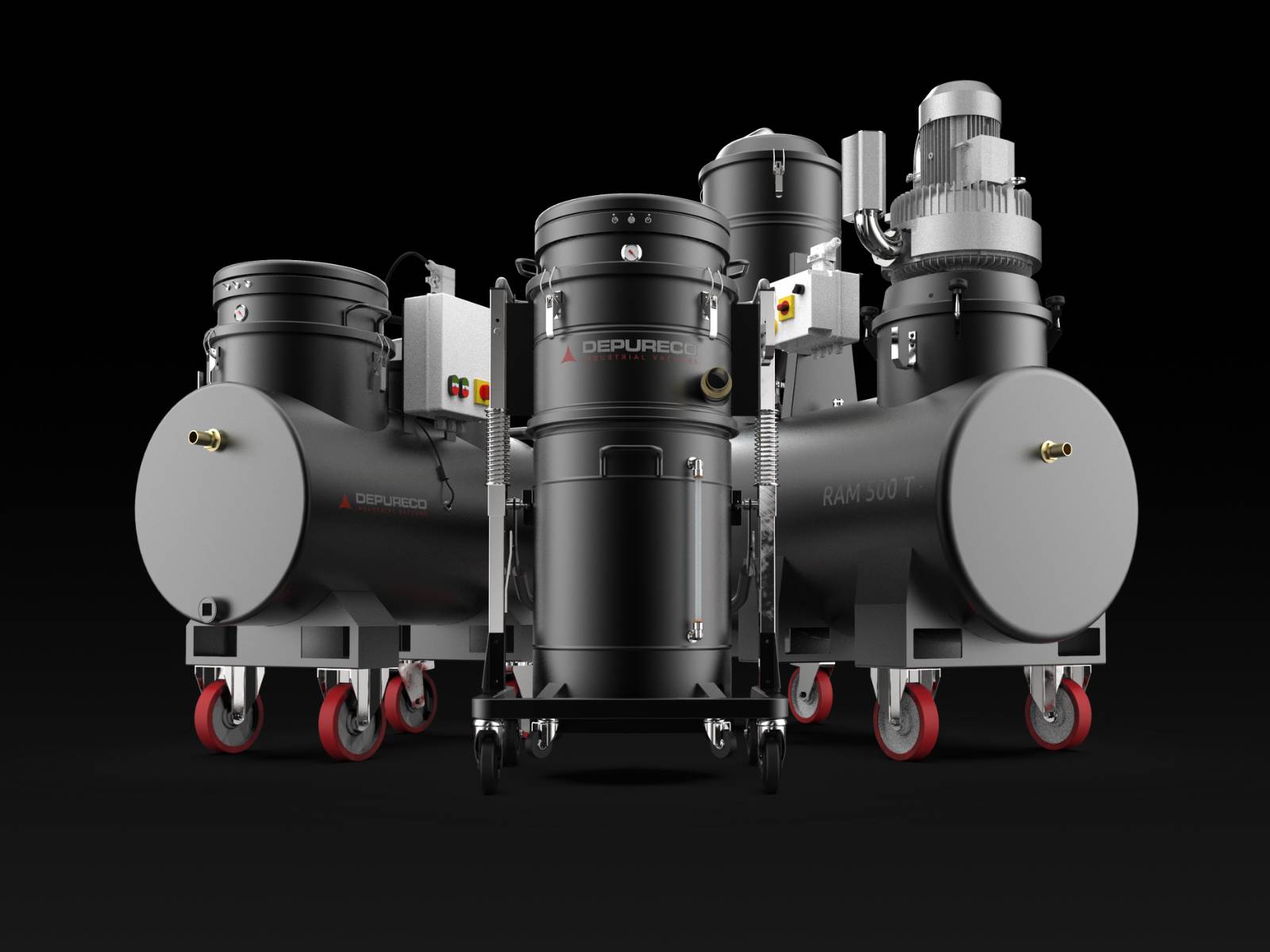
Recover coolant, oil, chips, swarf and sludge with separation and pump-out options.

Material- and location-reviewed configurations for combustible or ignition-sensitive dust.

Portable, extraction-arm and torch-level source capture for welding fumes and smoke.

High-airflow source capture at machines, hoods and localized process points.
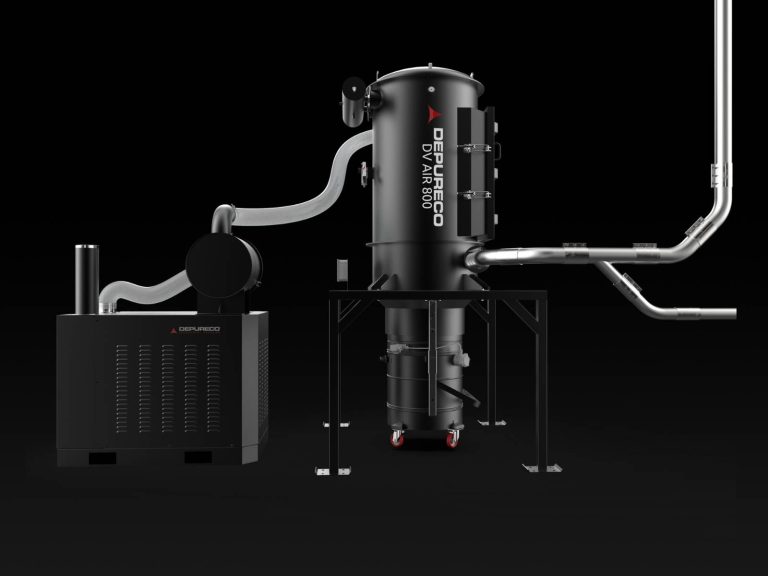
Engineered multi-drop systems for long runs, multiple operators and plant-wide recovery.
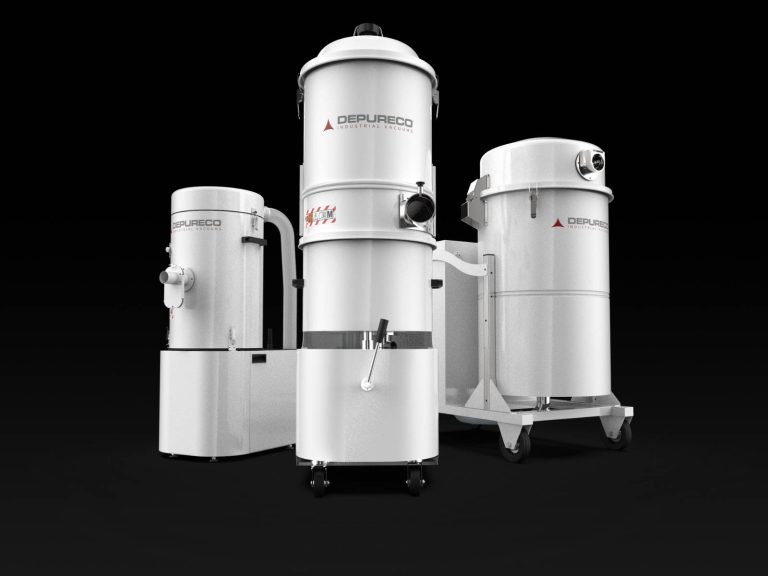
Machine-mounted dust, trim, powder and production-scrap recovery.
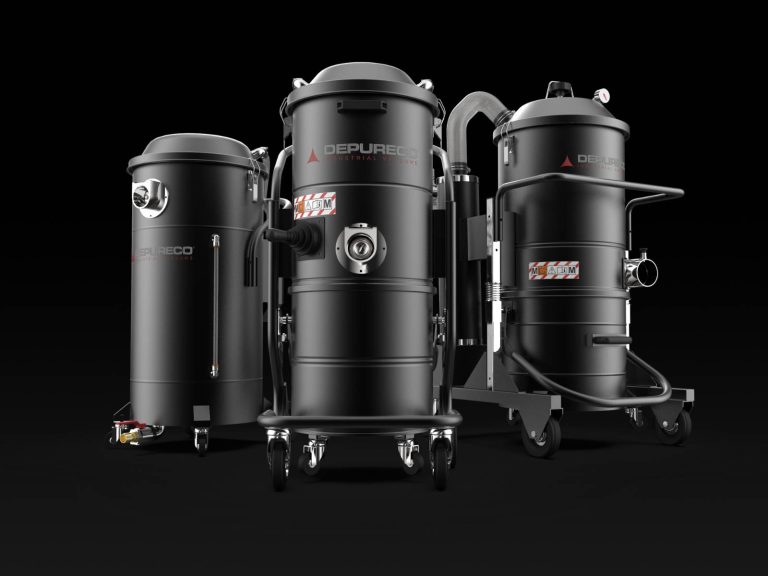
Non-electric compressed-air recovery for applications where pneumatic drive is preferred.
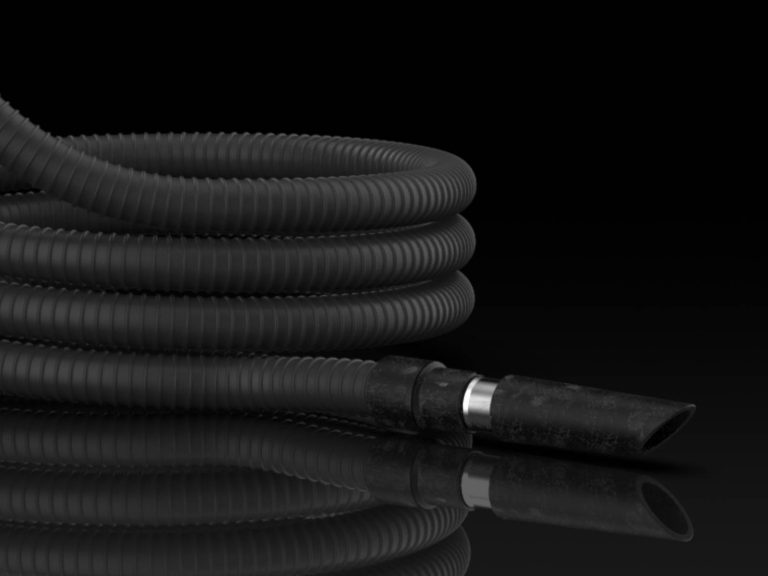
Hoses, floor tools, nozzles, filters and application-specific attachments.
Dust and powder. Liquids and sludge. Metal chips and coolant. Combustible dust. Welding fumes. Production debris.
Each material requires a different vacuum design based on suction, filtration, and discharge method.

Fine dust, dense debris, liquids, metal chips, and mixed waste streams affect suction performance, filtration requirements, and system design. Selecting the correct vacuum category ensures consistent performance and reduces downtime.
Industrial vacuum systems can be configured with high-efficiency filters, including HEPA filtration, to capture fine particulate while maintaining airflow and system performance.

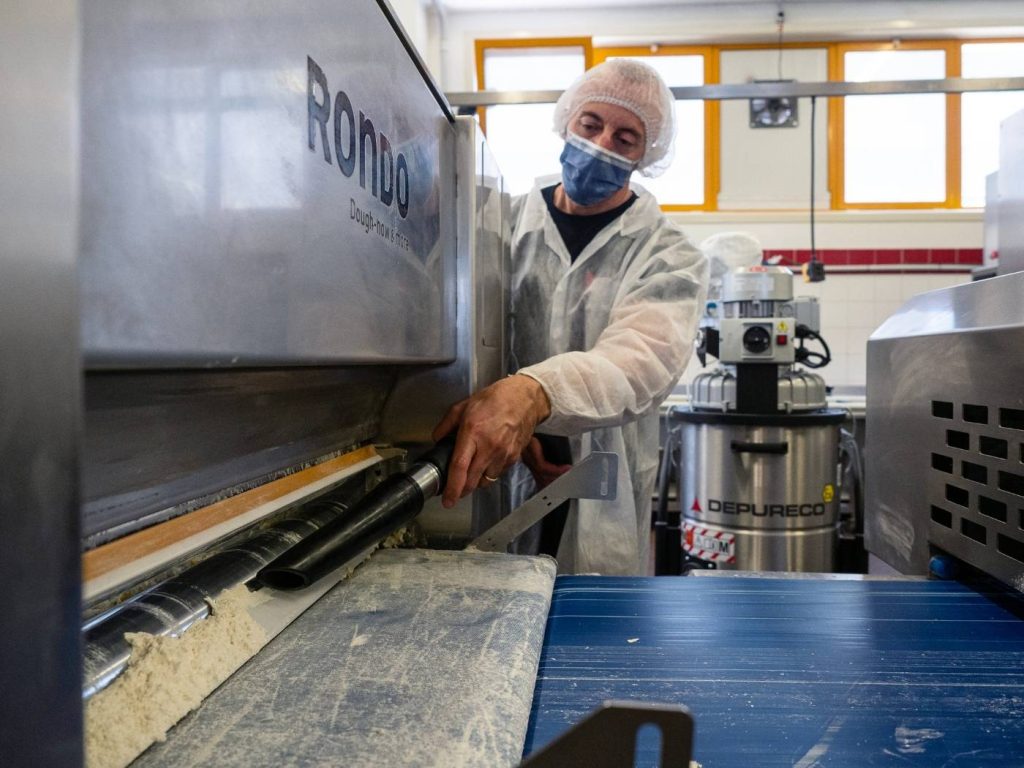
Explosion-proof industrial vacuums are designed for applications where ignition risk, dust hazard, and material sensitivity require specialized equipment and system design.
Explore vacuum categories for general plant cleaning, fine dust collection, hazardous material recovery, CNC coolant and chip cleanup, welding fume extraction, and centralized system design.
Whether you are vacuuming fine dust, liquids, swarf, coolant, combustible material, or production debris, our team can help narrow the right category and configuration for your application.
An industrial vacuum is designed around demanding materials, longer operating cycles, larger filter area, more durable construction and configurable collection or discharge methods. The correct system depends on the material, volume, duty cycle and filtration requirements—not suction power alone.
Use an industrial vacuum for settled material, machine cleanup, liquids, chips and debris. Use a dust collector when airborne particulate must be captured at a hood, enclosure or machine connection.
Maximum airflow and maximum vacuum—also called static depression—represent opposite ends of a blower’s performance curve. Maximum CFM is typically measured with minimal restriction, while maximum vacuum occurs near zero airflow. Neither represents the actual operating condition during material pickup.
The useful comparison is the vacuum’s operating point after accounting for the hose diameter and length, vertical lift, elbows, inlet size, filter condition, separator pressure loss and material loading. Airborne dust and light trim generally require more airflow. Dense solids, sludge, long hose runs and vertical conveying place greater demands on vacuum pressure.
Engineers should compare performance under the proposed system resistance, continuous-duty rating and loaded-filter condition—or test the actual material and hose arrangement.
Related Vacuum category:
https://depurecousa.com/heavy-duty-three-phase-industrial-vacuums/
Use the longest and most restrictive pickup route—not the nearest connection—as the design case. Calculate total equivalent length by including straight hose or pipe, elbows, valves, reducers, flexible connections, vertical rise and any pre-separator.
A larger hose reduces friction loss but can allow transport velocity to fall if airflow is insufficient. A smaller hose may maintain velocity but create excessive resistance or clog when carrying chips, stringy swarf, pellets or bulky scrap. Dense material and vertical lift also require enough vacuum pressure to initiate pickup and keep the material moving without repeated slugging.
For fixed piping, verify transport velocity at the most remote branch and under the expected number of simultaneous users.
Related Vacuum category:
https://depurecousa.com/centralized-vacuum-systems/
“Dust,” “chips” and “powder” are not complete material specifications. Selection can change based on:
A pre-separator is valuable when bulk material, chips, abrasive debris or high dust volumes would otherwise fill the main receiver or load the primary filter too quickly. It can increase usable capacity, intercept heavier material and reduce direct impact on the vacuum’s filter.
It is not automatically beneficial in every application. A separator adds pressure loss, hose connections and another potential leak point. Separation efficiency also changes with particle size, bulk density and airflow. Very fine or low-density material may continue to the primary filter, while an incorrectly sized cyclone can reduce pickup performance without providing meaningful separation.
The separator should therefore be sized with the vacuum, material and conveying rate as one system—not added solely by container volume.
Related category: https://depurecousa.com/industrial-vacuum-cyclone-pre-separators/Duty cycle should be defined by actual operating time, starts per shift, material feed rate and whether the vacuum is used for operator-led cleanup or connected to production equipment.
Portable single-phase units are often well suited to mobile, intermittent and scheduled cleanup. Longer cleaning cycles, repeated per-shift use, machine connection or continuous material generation can justify a continuous-duty three-phase turbine or side-channel blower. Longer conveying distances, higher material rates, large receivers or multiple pickup points may require a high-power or Roots-based package.
Do not use peak horsepower as a substitute for a duty rating. Verify continuous operating limits, relief-valve protection, filter-cleaning method, receiver fill time and the motor’s performance at the expected system resistance.
Related category: https://depurecousa.com/heavy-duty-three-phase-industrial-vacuums/Machine-source capture depends on airflow through the hood or enclosure, capture velocity at the point of generation and the machine manufacturer’s connection requirements. A high-vacuum unit may produce strong pressure through a small hose but still move too little air through a large extraction port to contain airborne dust.
Industrial vacuums are generally optimized for conveying settled dust, chips and debris through smaller lines. Dust collectors are designed to move greater air volume through hoods, enclosures and larger duct connections. Some processes require both: source capture during production and a separate industrial vacuum for equipment and floor cleanup.
Start with the required airflow at the machine port, hood geometry, connection diameter and process emission rate—not the vacuum’s peak suction number.
Related: https://depurecousa.com/dust-collectors/Only when the vacuum and collection sequence are configured for those specific materials. A wet-and-dry unit may handle several material states, but mixed pickup can create problems that do not occur during separate dry or wet collection.
Liquid can blind dry filter media. Fine powder can remain suspended in the liquid or create difficult sludge. Long swarf can bridge at the inlet or block a drain. Metal fines may settle in pumps and discharge lines. Mixing materials can also change waste classification, eliminate reuse opportunities or create chemical and reactive hazards.
Specify whether materials are collected simultaneously or sequentially, the solids-to-liquid ratio, chip geometry, settling behavior and required separation. Dedicated equipment may be preferable where contamination, reclaim or hazard control matters.
Related Links:
https://depurecousa.com/wet-and-dry-industrial-vacuum-cleaners/
https://depurecousa.com/sump-vacuums-for-coolant-and-metal-chips/
Begin with what must happen after the material reaches the vacuum. Receiver volume alone does not determine whether the system will be practical.
Fine hazardous dust may call for contained Longopac-style bagging to reduce release during changeout. Heavy chips, shot or sand may require a detachable bin, forklift-handling system, tilting container, drum or hopper. Liquids may require a drain or powered pump-out. Coolant recovery may require solids separation before the liquid returns to a machine tank or storage container. High-volume material may be better discharged into a drum, hopper or Big-Bag.
Calculate fill time, full-container weight, discharge height, operator handling, changeout exposure and the destination container. The preferred discharge workflow can change the correct vacuum family.
Related Page: https://depurecousa.com/industrial-vacuum-cyclone-pre-separators/The HEPA designation describes filter efficiency; it does not describe the entire containment system. A technical review should also cover:
HEPA filtration does not address combustibility, grounding, area classification or chemical compatibility. Those are separate selection questions.
For high dust loading, protecting the HEPA stage and controlling disposal exposure can be just as important as the filter’s efficiency rating.
Related Link:
https://depurecousa.com/hepa-dust-extractors-longopac-collection/
The material name or SDS is only the starting point. The review may require particle-size information, a facility dust hazard analysis, explosibility data such as Kst, Pmax, MIE, MEC or LOC where applicable, and the cleanup area’s Class/Division/Zone status.
Also identify possible hot particles, the collection and discharge method, conductive continuity through the hose and tools, grounding and bonding provisions, filter media, receiver construction and whether incompatible materials could enter the same system.
An antistatic filter, conductive hose, HEPA filter or air-powered motor does not independently make a vacuum suitable for every combustible-dust application. ORD LOC equipment is intended for an ordinary or non-classified-location path; it is not interchangeable with equipment marked for a classified location.
Related Link: https://depurecousa.com/explosion-proof-industrial-vacuums/A pneumatic vacuum can be a strong fit when electricity is unavailable, prohibited by facility policy or undesirable for the application. However, selection must account for the plant’s actual compressed-air capacity.
Verify required air consumption and pressure at the point of use, supply-line diameter, pressure loss, concurrent demand from other equipment, compressor duty, moisture and air quality, exhaust behavior, noise and the energy cost of extended operation. A plant may have the correct nominal pressure but insufficient airflow when production equipment is running.
Non-electric operation also does not automatically mean intrinsically safe or suitable for a classified area. That determination depends on the documented model configuration, material and location.
Related Link:
https://depurecousa.com/air-powered-industrial-vacuum-cleaners/
Size the system around simultaneous demand—not the total number of wall inlets. Establish how many operators can use the network at the same time, which combinations are permitted and whether operating procedures will enforce that diversity assumption.
The calculation should include the most remote branch, required transport velocity, branch and main-line pressure losses, hose diameters, vertical sections, material feed rate, filter differential pressure, separator loss and receiver pressure drop. The blower must maintain usable performance at the worst permitted combination of open drops.
Also evaluate material compatibility between departments, receiver capacity, automatic discharge, filter cleaning, controls, redundancy and the consequence of a system outage. Incompatible materials may require separate networks rather than a larger shared system.
Related Link:
https://depurecousa.com/centralized-vacuum-systems/
With sand, steel shot, foundry residue, blasting media, scale and mineral fines, the wear path matters as much as suction performance. Damage commonly occurs at pickup tools, flexible hose, tight elbows, reducers, inlets, separator walls and discharge valves.
Specify wear-resistant hose, long-radius bends, replaceable or sacrificial sections, accessible inspection points and a separator or tangential inlet where appropriate. Conveying velocity must remain high enough to prevent settling but should not be increased blindly, because impact wear rises with velocity.
Also identify material temperature and any coating contamination. Hot media, sharp fragments or lead- and chromate-bearing coating residue can change both construction and containment requirements.
Related Page Link:
https://depurecousa.com/heavy-duty-three-phase-industrial-vacuums/
Compare the complete operating workflow rather than purchase price alone.
A mobile fleet provides deployment flexibility, easier isolation between materials and redundancy when one unit is being serviced. Its costs include operator travel, hose setup, storage, multiple filters and spare parts, repeated emptying and inconsistent equipment availability.
A central system can reduce deployment time and standardize pickup points, but it introduces piping, controls, installation, system balancing, centralized maintenance and greater outage consequences. It must also be engineered for simultaneous demand and material compatibility.
Model annual labor, maintenance, energy, receiver handling, production interruption, expansion plans and downtime risk. Some facilities are best served by a hybrid: central service in high-frequency areas and mobile equipment for isolated or incompatible tasks.
Related Page:
https://depurecousa.com/centralized-vacuum-systems/
Provide enough information to reproduce the difficult condition—not merely the desired horsepower or container size:
Material testing is especially valuable for long swarf, sticky powder, dense slurry, low-density trim, abrasive media and applications with long or vertical conveying paths.
Related Page: https://depurecousa.com/industrial-vacuum-material-testing/