CNC Sump Vacuum ROI Calculator: Estimate Cleanout Labor and Machine Downtime Savings
Calculator-led CNC sump vacuum resource for estimating cleanout labor, coolant recovery, disposal savings, downtime reduction, and payback across multiple machines.

Clean the Tank. Separate the Solids. Move the Fluid.
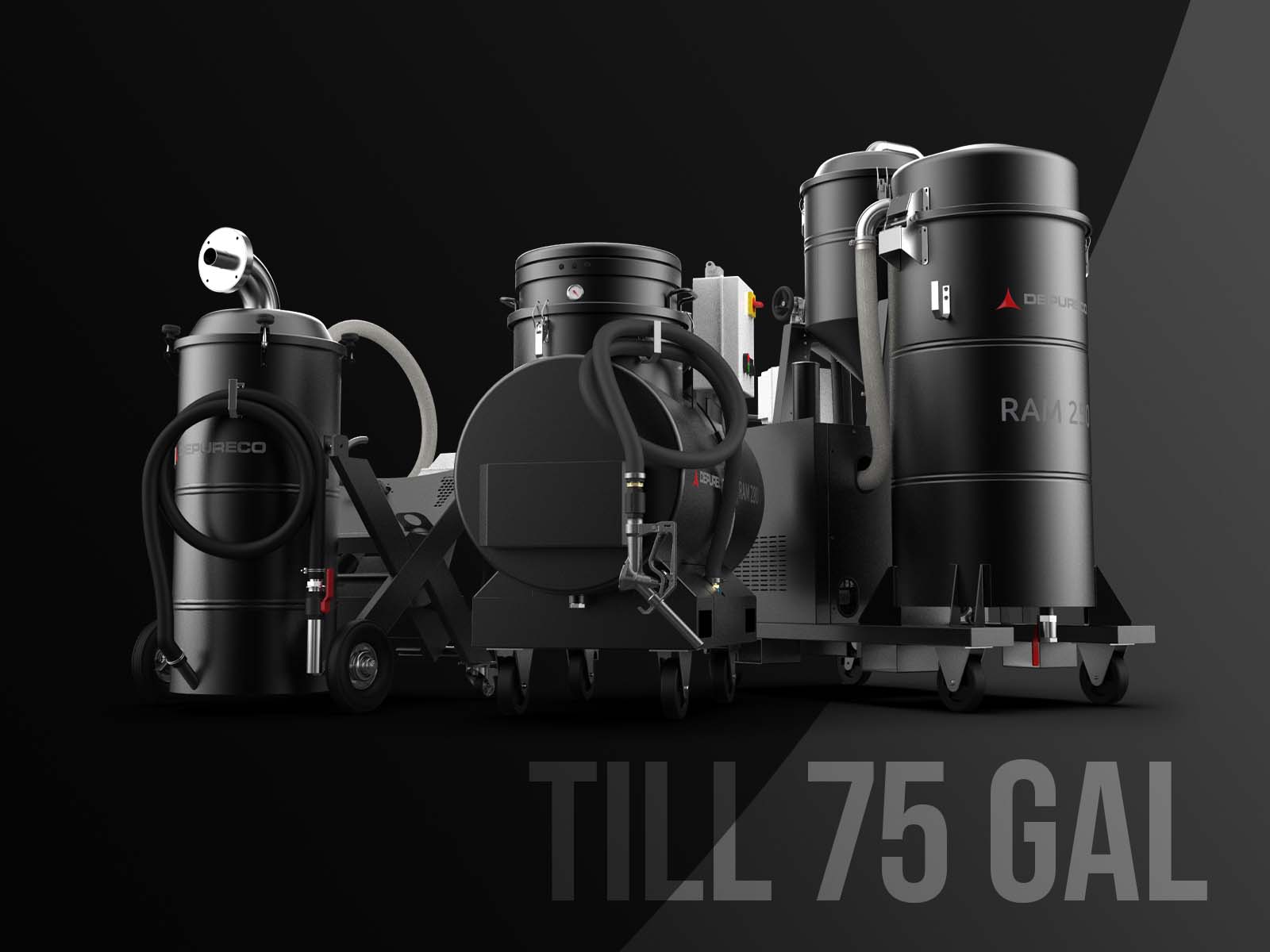
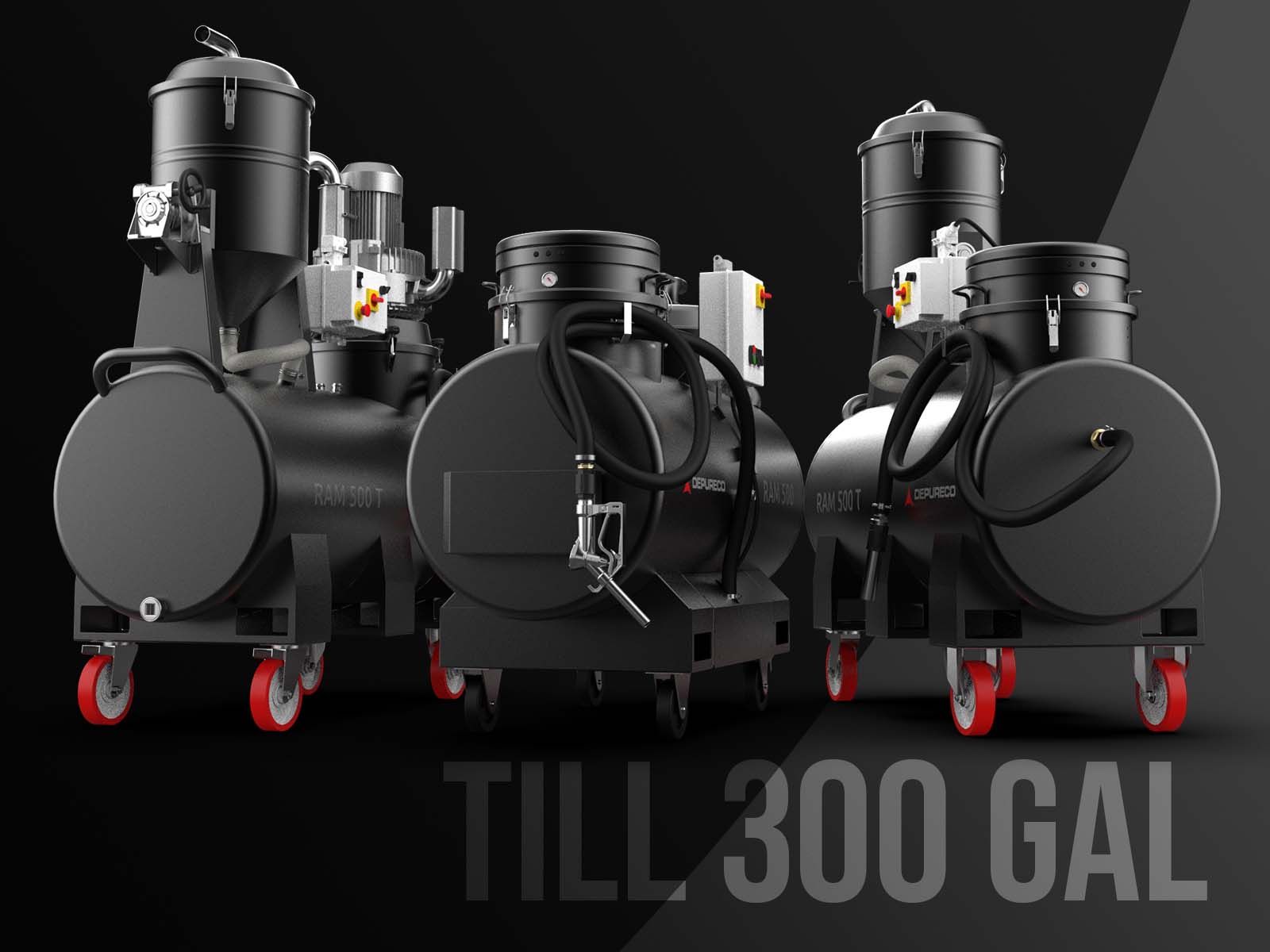
Wet chips, stringy swarf, fines and packed sludge turn a routine cleanout into a slow drain, scoop and transfer job. Depureco sump vacuums recover the mixed liquid and solids, separate the waste stream and support gravity, reverse-flow or powered discharge depending on the model.

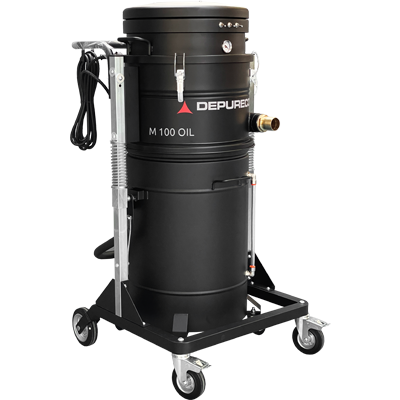
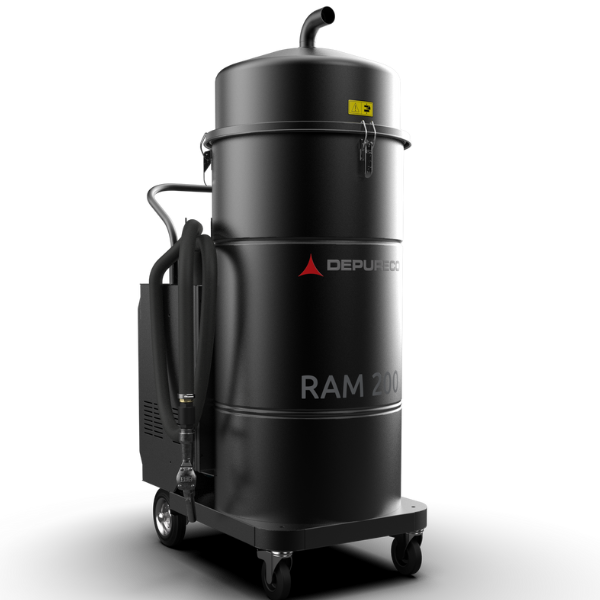
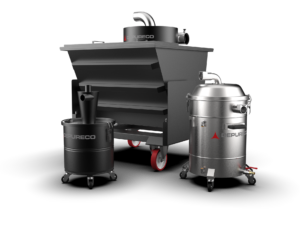
For smaller mills, lathes, grinders and individual-machine cleanouts where portability matters.

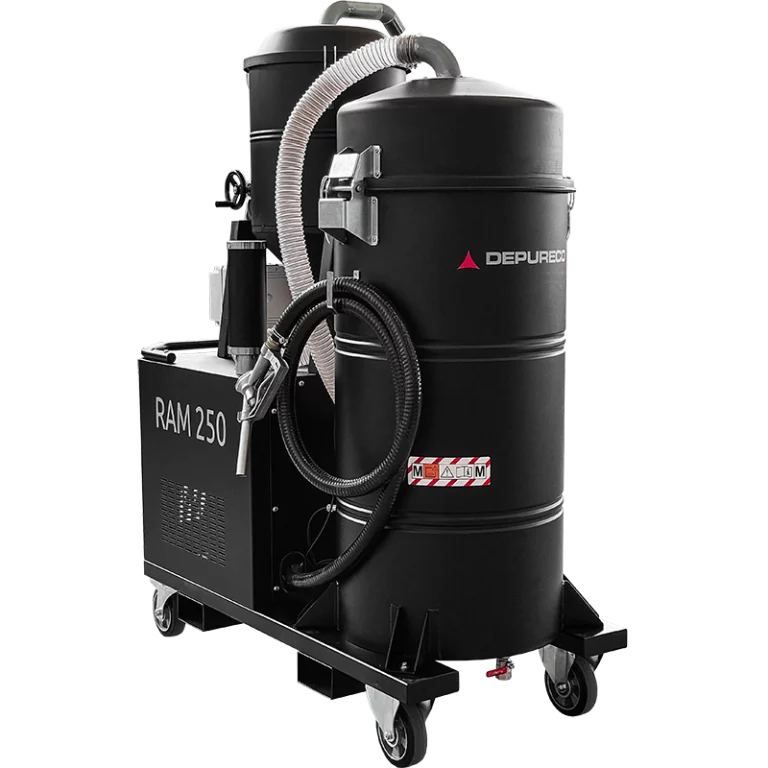
For common VMC, HMC, lathe and grinder sumps with recurring coolant, wet-chip and sludge removal.

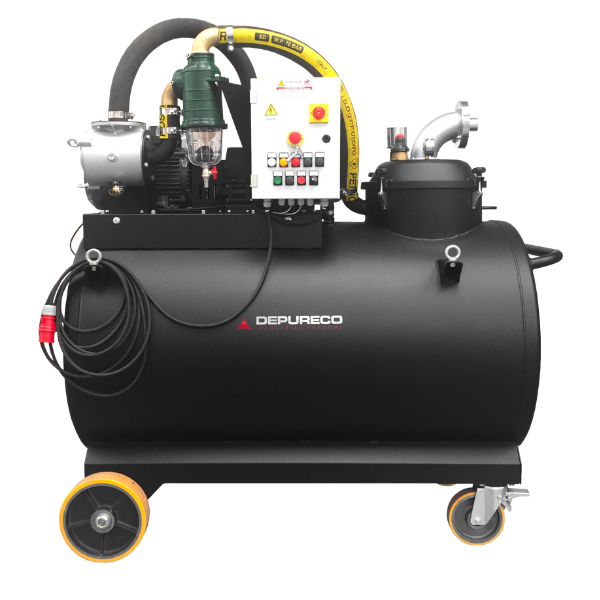
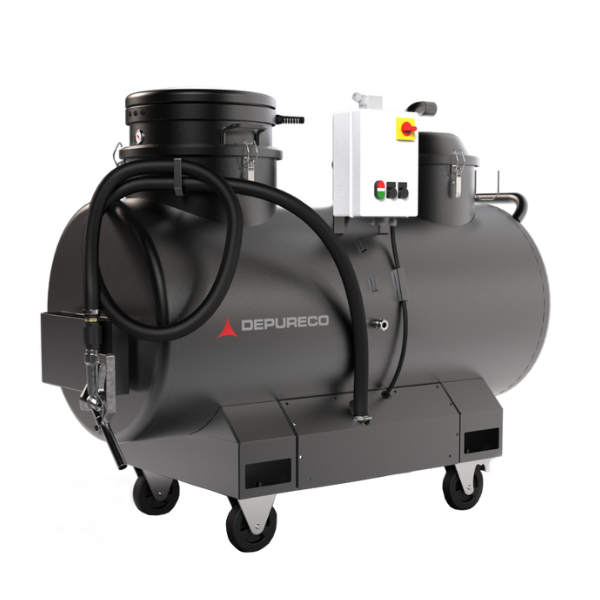
For larger machine tanks, coolant pits, multiple-machine maintenance routes and heavy material loads where solids handling and controlled discharge dominate the selection.
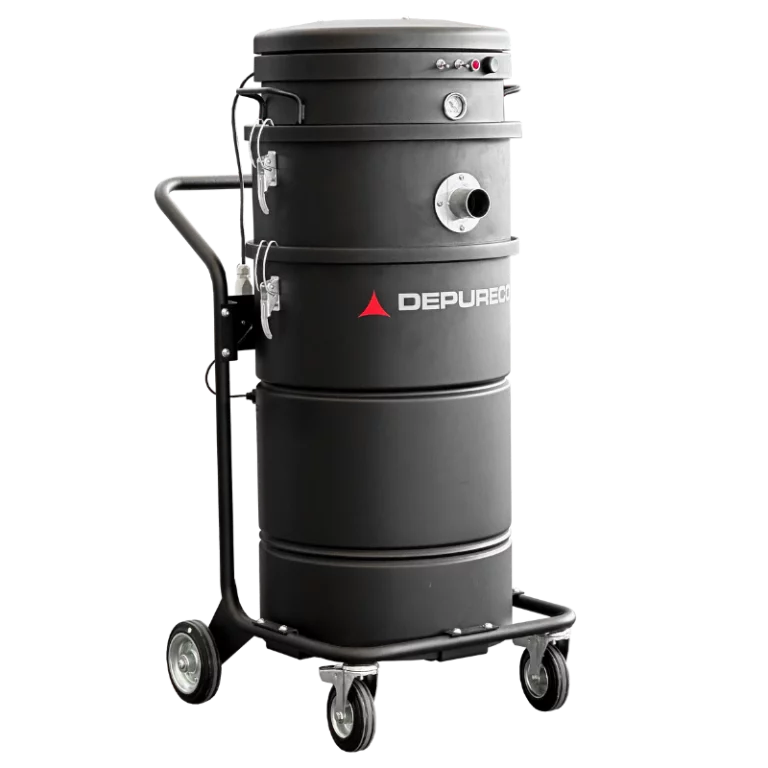
Perfect for prototype labs, job-shops and single-spindle CNCs

Compact 120 V sump vacuum for smaller CNC tanks, coolant and cutting-oil recovery, chip and swarf separation, and recurring machine maintenance.

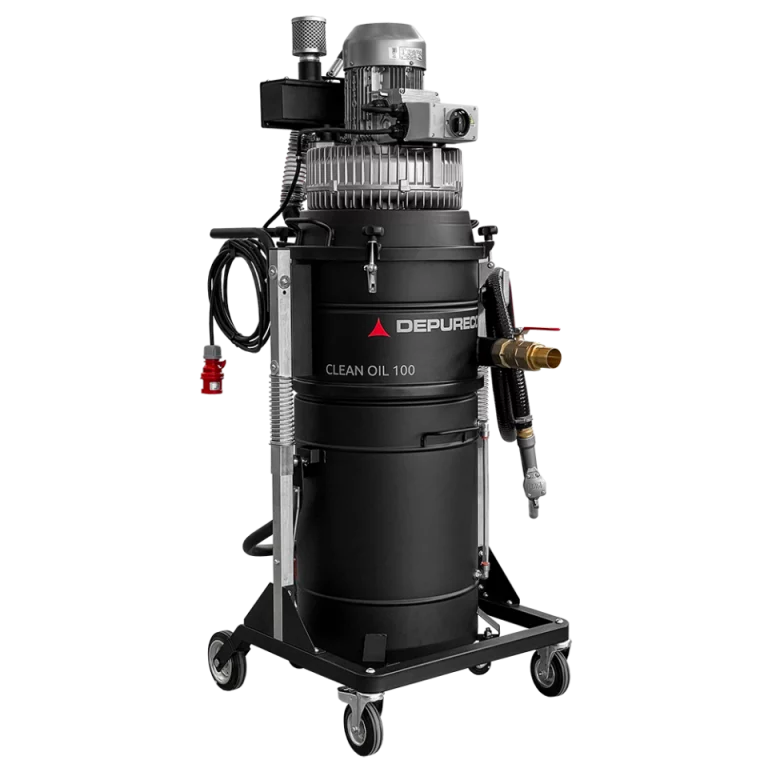
Three-phase oil and swarf vacuum for CNC sump cleaning, coolant recovery, chip separation, and fast reverse-flow discharge

Single-phase oil and swarf vacuum for CNC sump cleaning, coolant recovery, chip separation, and routine machine maintenance with gravity discharge and a 26-gallon liquid capacity.
The sweet spot for mid-size VMCs, horizontal lathes and dual-pallet machining cells.

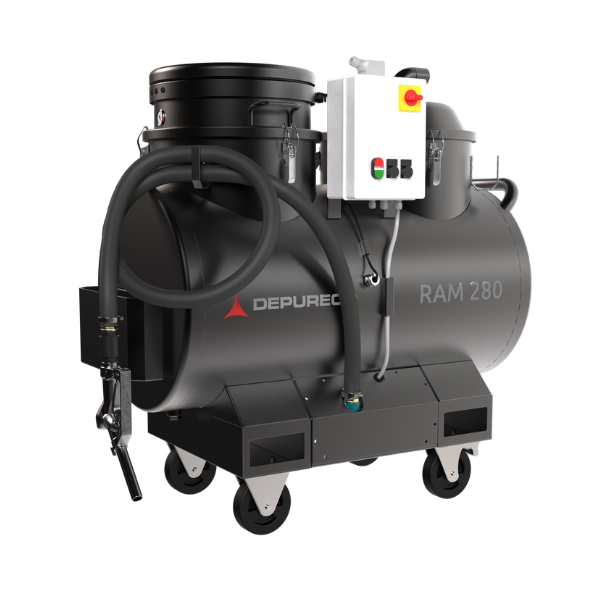
RAM OIL 280 MP is a high-capacity 110V sump vacuum for CNC coolant recovery, chip separation, sludge removal, and pump-out liquid transfer.

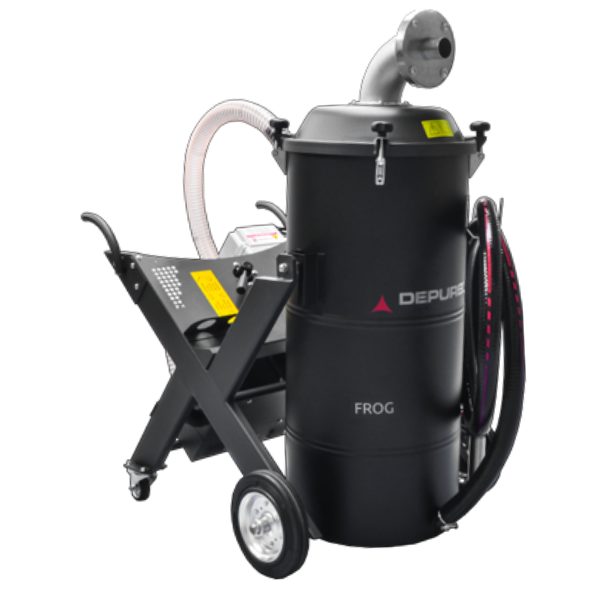
Compact oil and swarf vacuum for CNC sump cleaning, coolant recovery, chip separation, and reverse-flow discharge of filtered liquids back into the machine.

Single-phase oil and swarf vacuum for CNC sump cleaning, coolant recovery, chip separation, and continuous pump-out discharge of recovered liquids.

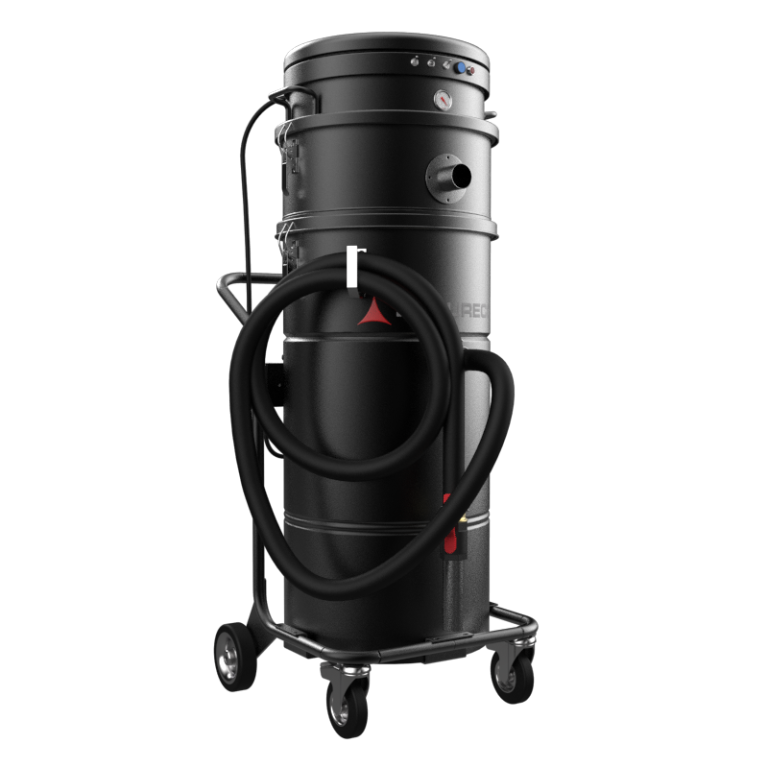
Pump-out oil and swarf vacuum for CNC sump cleaning, coolant recovery, chip separation, and fast discharge of recovered liquids from machine tanks.

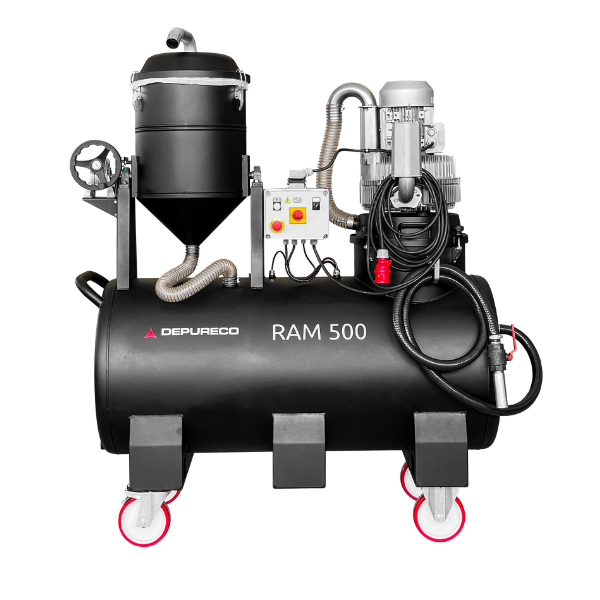
Three-phase oil and swarf vacuum for CNC sump cleaning, coolant recovery, chip, separation, and fast pump-out discharge with a tilting hopper for solids handling
High-capacity flow-inversion for large HMCs, gantry mills and central coolant pits.

High-capacity oil and sludge vacuum for large CNC tanks, heavy machining residue, coolant recovery, chip separation, and pump-out discharge from high-volume sumps.

Max-capacity oil and swarf vacuum for large CNC sump cleaning, coolant recovery, chip separation, and external pump discharge from high-volume machine tanks.

Large-capacity three-phase oil and swarf vacuum for CNC sump cleaning, coolant recovery, chip separation, pump-out discharge, and easier solids dumping with a tilting hopper.

Large-capacity oil and swarf vacuum for CNC sump cleaning, coolant recovery, chip separation, and pump-out discharge from larger machine tanks.
Tools & Add-ons to match material cleanup and production processes.
Combine oil- and swarf-rated hose, scraping pipes, floor brushes and hand tools for cleaning sumps, machine pans, tight spaces and surrounding floors.
Customize filters, separation stages, chip baskets, grids, inlets, discharge parts and material-contact components around the particle size, liquid, process and required filtration outcome.
A stainless-mesh chip basket teamed with a 150-micron PPL filter keeps metal shavings out of the fluid stream. Chips drop dry into the basket for premium scrap resale, while the filtered coolant drains into an epoxy-coated steel tank ready for immediate reuse or drum transfer.
Result: Clean coolant back in the machine, zero pump damage, zero filter consumables.
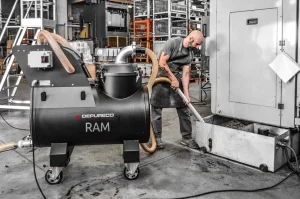
A conventional cleanout can require pumping off fluid, scooping chips, scraping packed sludge, moving containers and transferring the liquid again. A properly configured CNC sump vacuum combines recovery, solids separation and controlled discharge into a more efficient maintenance workflow.
That can reduce manual handling, shorten scheduled cleanouts and help maintenance teams service more machines during the same PM window. Actual savings depend on cleanout frequency, labor, machine downtime, coolant use and disposal or reuse practices.
A powered discharge system transfers recovered liquid from the vacuum into a machine tank, clean vessel, holding tank or waste container. Selected models can continue vacuuming while liquid is pumped out, helping maintenance teams clean larger sumps without repeatedly stopping to empty the collection tank.
Discharge performance depends on the vacuum model, fluid viscosity, hose length, vertical lift, connection size and receiving destination. These details should be confirmed before choosing a pump-out configuration.
Metal mud, oily chips, grinding sludge and long stringy swarf can behave very differently during pickup and separation. Depureco Labs can evaluate representative customer material with different vacuum units, hose sizes, scraping tools, chip baskets, separators, filtration and discharge arrangements before the final recommendation.
Evaluate dense sludge, wet chips, packed swarf, stringers, birdnests and mixed machining residue.
Compare tank capacity, pump-out, gravity discharge, reverse transfer and bulk-solids handling.

Calculator-led CNC sump vacuum resource for estimating cleanout labor, coolant recovery, disposal savings, downtime reduction, and payback across multiple machines.

Use pH, concentration, bacteria, tramp oil, odor, chip load, sludge, and sump inspection results to estimate when a CNC coolant tank should be cleaned. This guide explains what coolant tests reveal, what they miss, how sump contamination affects part quality, and how a sump vacuum workflow helps recover usable coolant without returning it to a dirty tank.

Choosing the right sump vacuum for your CNC machine shop depends on what you are collecting, how much coolant is in each tank, and how your shop operates. This guide breaks down the key factors that affect sump vacuum sizing, coolant recovery, tank cleanout speed, and overall shop efficiency.

Case study showing how an industrial vacuum system collects metal chips from CNC machines and automatically feeds a briquetting press for efficient scrap handling.
Start with the largest sump or tank your team cleans, but do not select from gallons alone. Also consider the liquid-to-solids ratio, chip geometry, sludge depth, cleanout frequency, hose length, vertical lift, access opening, available power and discharge destination. A small sump packed with cast-iron sludge can be more demanding than a larger tank containing mostly coolant.
Short chips, broken curls, drilling spirals, shavings, turnings and moderate wet swarf are common applications. Long stringers and birdnests are more difficult because they can bridge in hoses, reducers, inlets and baskets. These applications may require a larger pickup path, fewer bends, an accessible solids basket or interceptor, and mechanical reduction of oversized nests before pickup.
Do not route dry reactive metal fines, hot chips or glowing material into an ordinary sump vacuum. Fine aluminum, magnesium, titanium, iron and other metal dusts can present combustible-dust hazards depending on their characteristics and conditions. Material data, temperature, moisture, area classification and the facility’s hazard review must control selection. OSHA combustible-dust guidance.
Separation normally occurs in stages. A basket or grid retains larger chips and swarf, model-compatible liquid filtration reduces smaller suspended solids, and a protection filter helps prevent contamination from reaching the suction unit. Fine grinding sludge can pass through a coarse basket and load liquid filters rapidly, so the filtration arrangement must match the target particle size and solids concentration.
Typical applications include VMCs, HMCs, five-axis machining centers, CNC lathes, Swiss machines, screw machines, drilling and tapping stations, boring mills, band or cutoff saws, surface and centerless grinders, honing machines and lapping equipment. The sump-vacuum route applies when the dominant problem is settled liquid mixed with chips, swarf or sludge.
For broader process routing, link to Industrial Vacuums for Machining Operations
Selected pump-equipped configurations may discharge recovered liquid while suction continues. Confirm the exact model, pump architecture, fluid viscosity, discharge-hose length, vertical head and receiving destination. Simultaneous vacuum and discharge does not mean personnel may clean inside an operating CNC machine; facility and OEM safe-maintenance procedures still apply.
Use gravity discharge when the vacuum can be positioned appropriately near the receiving container. Reverse-flow supports defined batch-transfer workflows on selected systems. Powered pump-out is useful when fluid must travel through a hose or into an elevated tank. A tilting or forkable hopper is better when heavy chip, swarf or sludge handling dominates after the liquid is separated.
Add upstream capacity when the onboard basket fills repeatedly, the solids load is unusually heavy, several machines are being cleaned or bulk material must be moved separately from the vacuum. A wet-and-dry interceptor can expand mixed liquid-and-solids capacity. Cyclones or other pre-separators should only be selected for compatible material states. A forkable tilting bin simplifies transport and unloading of larger solids loads.
Link this answer to Cyclones and Industrial Vacuum Pre-Separators
Longer hoses, greater vertical lift and restrictive bends increase the demand on the suction system. A narrow access opening can force a smaller tool or hose that will not pass the recurring chip geometry. Long swarf can bridge reducers and sharp bends. Provide the actual pickup distance, lift, inlet size and smallest tank opening before final selection.
A sump vacuum is built around CNC tank evacuation, liquid-solid separation and controlled discharge. A general industrial wet/dry vacuum is better suited to spills, washdown liquid and mixed maintenance cleanup. A metal-chip vacuum is the better route when the material is primarily dry chips, shavings or swarf without a significant liquid load.
Related routing:
Yes, when the vacuum’s liquid capacity, solids capacity, duty cycle and discharge workflow support the complete maintenance route. Size around the largest individual sump and the total volume cleaned per shift. For large departments, central coolant pits or simultaneous users, a high-capacity mobile system or engineered shared recovery arrangement may be more appropriate than repeatedly emptying a compact unit.
Use a condition-based preventive-maintenance schedule rather than a universal interval. Useful triggers include rising sludge depth, clogged screens, reduced coolant flow, persistent odor, visible tramp oil, recurring foam, heavy chip loading or a scheduled fluid change. Production rate, alloy, machining process and coolant-management practices all change the appropriate interval.
Link to the
Calculate the labor hours and number of people used per cleanout, annual cleanout frequency, machine downtime, coolant handled, disposal steps and time spent moving separate pumps, drums or chip containers. Use actual facility assumptions rather than a universal savings claim. Link to the CNC Sump Vacuum ROI Calculator Provide: You can also send your metal chips, swarf, and other process materials to be tested and video recorded for the best solution for your processes and applications to our Depureco Labs.
How can I estimate the return on a sump vacuum?
What information should I send for a recommendation?