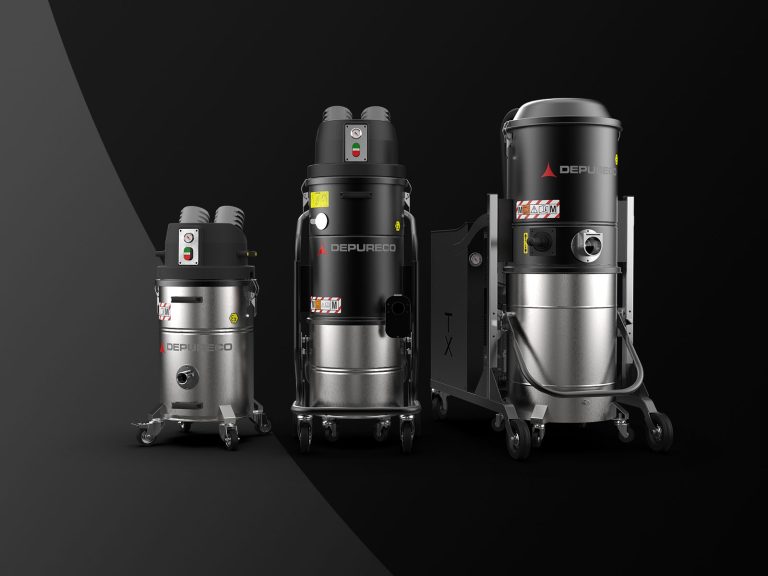
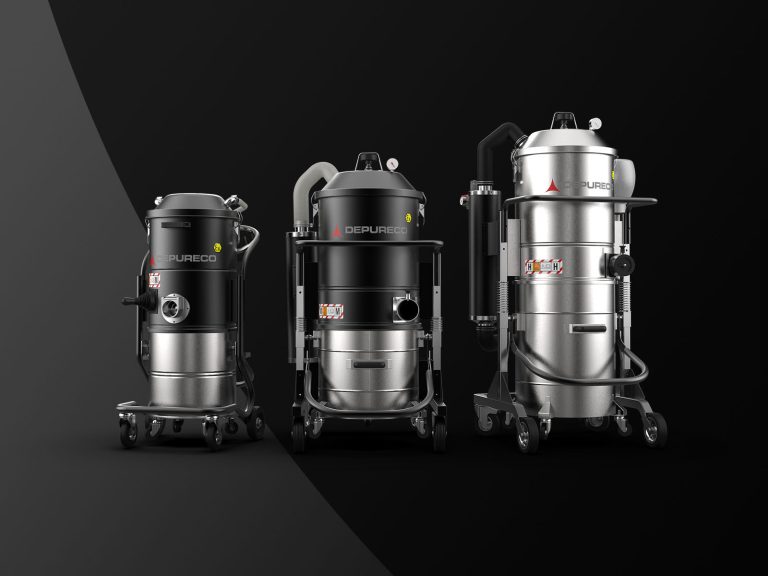
Explosion-proof industrial vacuums for hazardous dust, fine powders, and ignition-sensitive cleanup.
Compare ATEX-certified, intrinsically safe, and inertization-ready systems for hazardous areas and high-risk material recovery.
Best For: Facilities that need compact, mobile certified equipment for fine powders, dust accumulation, and high-risk cleanup tasks.
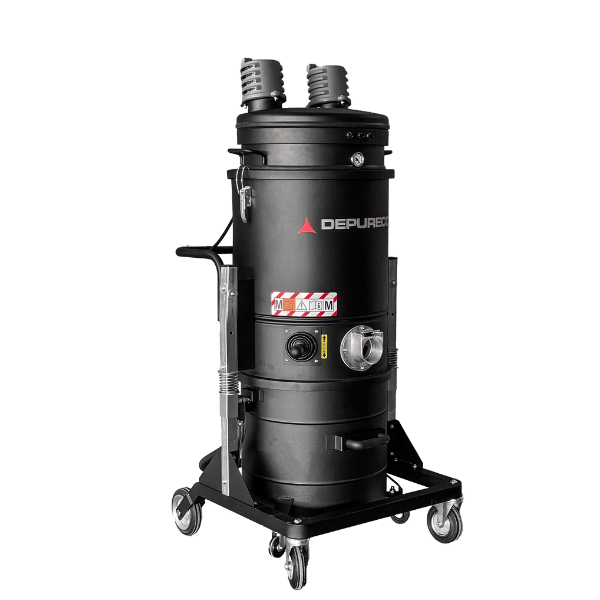
NFPA 660 compliant ordinary-location combustible dust vacuum with 3 by-pass motors, antistatic Class M filtration, manual shaker cleaning, and a 26-gallon bin.
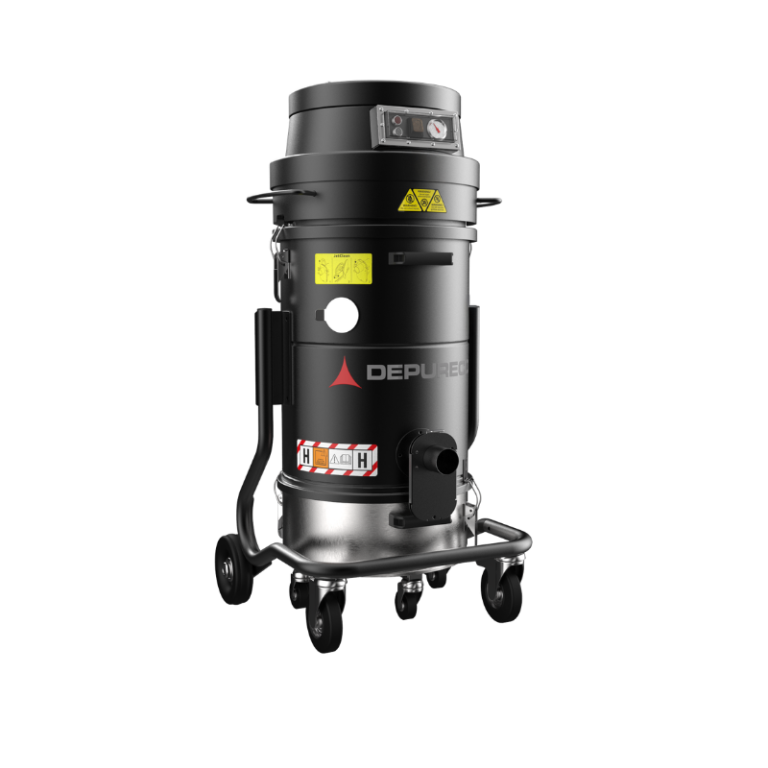
Compact brushless hazardous-dust vacuum with JetClean® cartridge cleaning, antistatic Class M filtration, HEPA H14 filtration, grounded construction, and stainless collection.
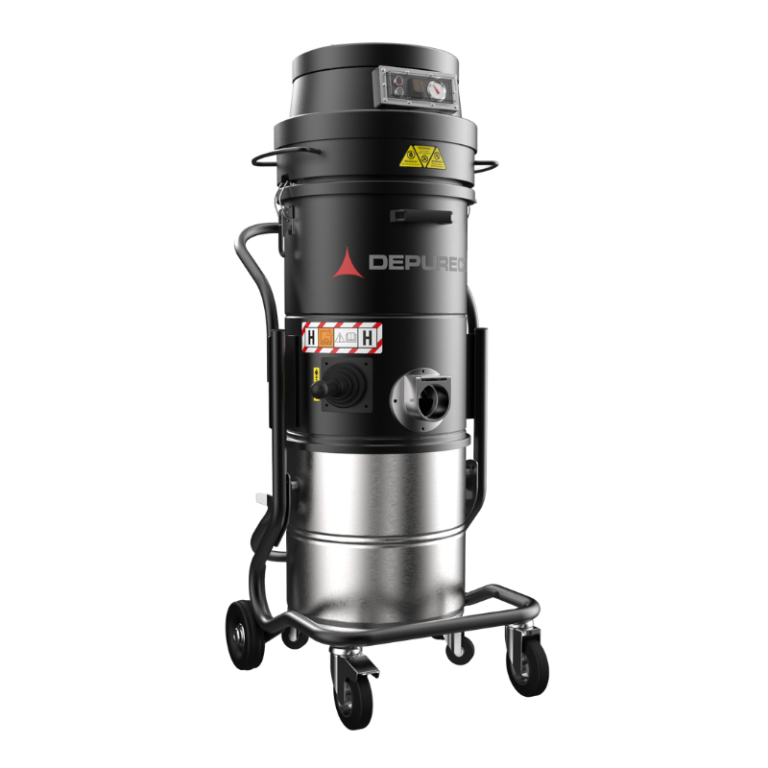
Brushless hazardous-dust vacuum for combustible dust and powder cleanup with antistatic Class M filtration, manual shaker cleaning, HEPA H14 filtration, grounding, and 12-gal stainless collection.
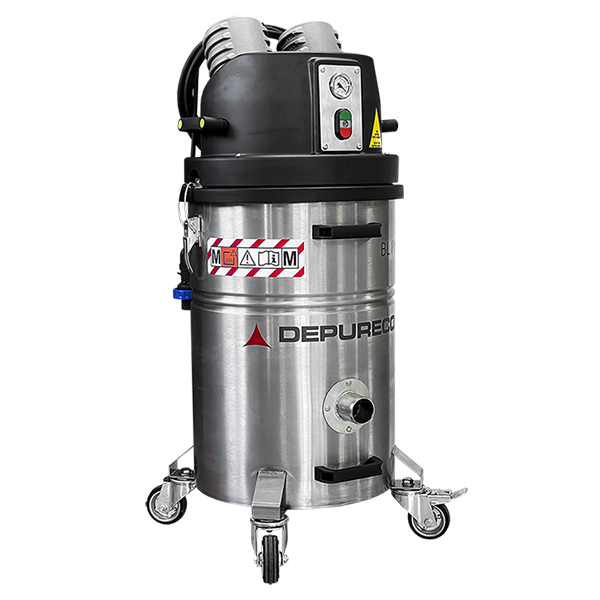
Compact brushless vacuum for hazardous dust and combustible powder cleanup with antistatic Class M filtration, HEPA H14 outlet filtration, grounded construction, and stainless collection.
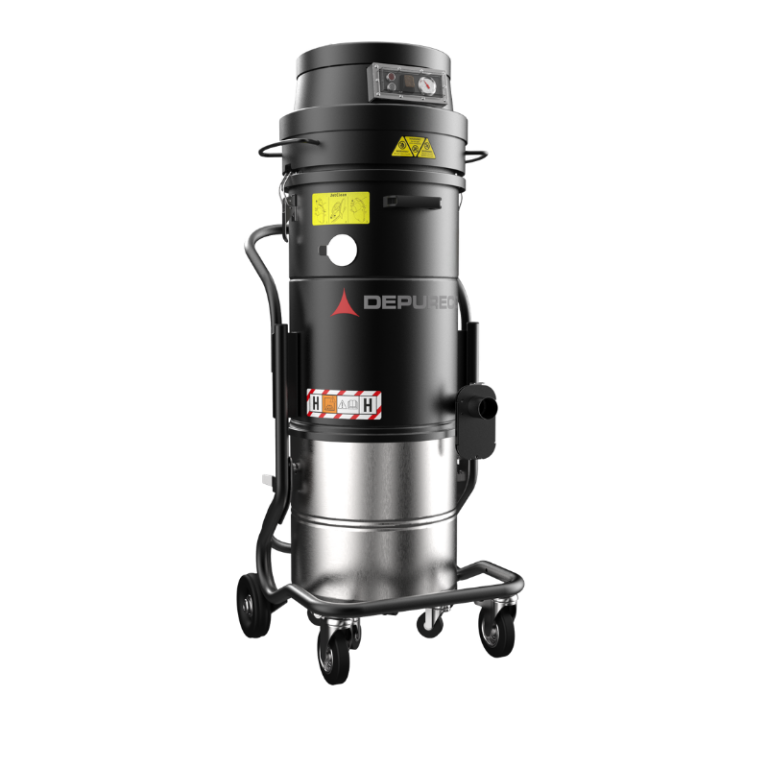
Brushless ORD LOC dust vacuum for combustible dust and powder cleanup with JetClean® cartridge cleaning, antistatic Class M filtration, HEPA H14 filtration, grounding, and 12-gal stainless collection.
Compressed-air vacuums for the most sensitive hazardous locations.
Best when facilities want non-electric recovery with continuous-duty performance and zero motor-based ignition risk at the point of use.
Best when facilities want non-electric recovery with continuous-duty performance and zero motor-based ignition risk at the point of use.
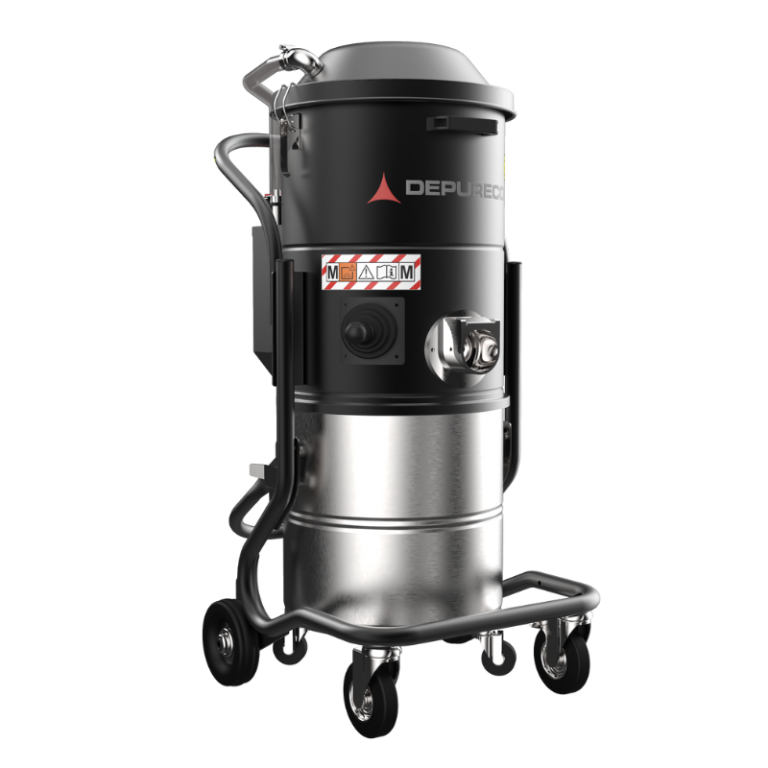
Compact pneumatic hazardous-zone vacuum with dual Venturi ejectors, antistatic Class M filtration, grounding, stainless collection, manual filter cleaning, and optional HEPA H14.
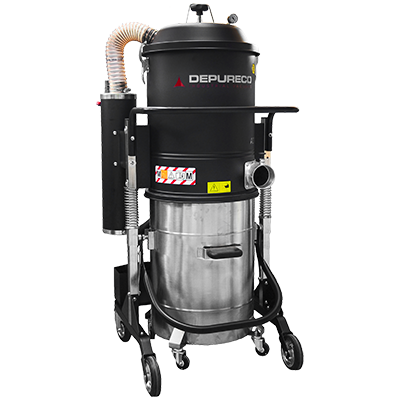
High-airflow pneumatic hazardous-dust vacuum with Venturi suction, antistatic M-Class filtration, grounding, manual filter cleaning, optional H14 filtration, and a 26-gal AISI 304 stainless steel collection bin.
Inertization systems for the highest-risk metal powder recovery applications.
Designed for aluminum, titanium, magnesium, and other reactive conductive dusts where standard hazardous-dust recovery is not enough.
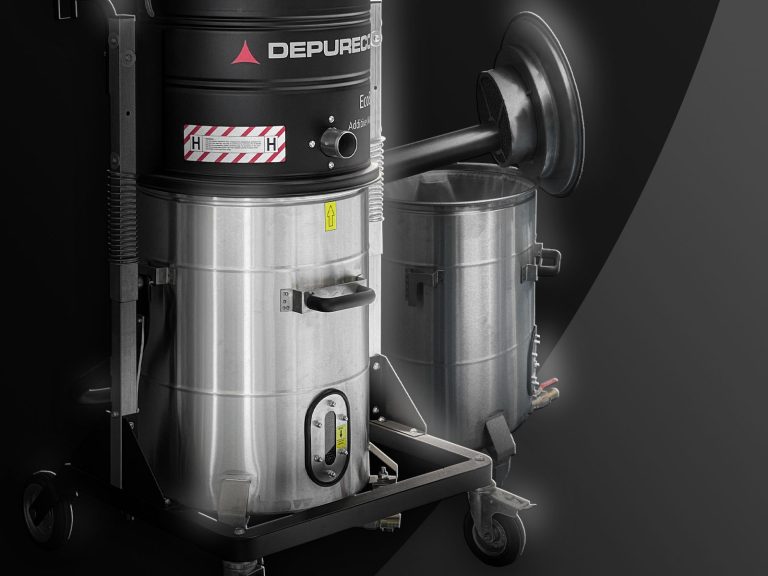
Best For: Explosive Metal Powders (Aluminum, Titanium, Magnesium). Neutralize the explosion risk immediately. Our inertization technology immerses collected dust in a liquid bath, instantly rendering it inert and safe for disposal.
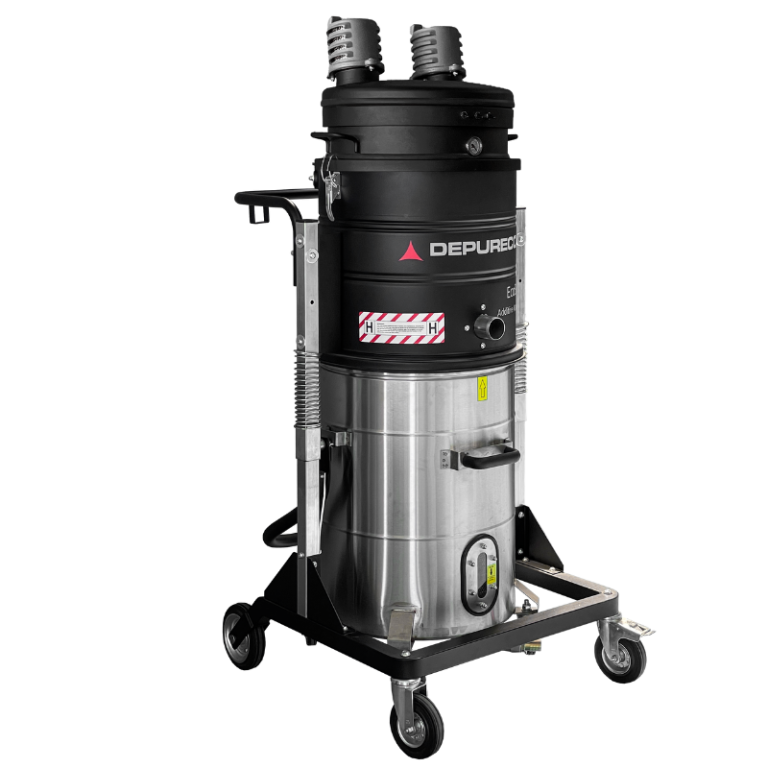
Metal powder vacuum for conductive dust and additive manufacturing powder recovery with 26-gal inert-liquid collection, complete grounding, hydrogen vent, and optional H14 filtration.

Brushless inerting vacuum for conductive metal powder recovery with liquid-bath collection, H13 antistatic filtration, stainless steel container, spark-trap protection, hydrogen venting, and 12-gallon capacity.

Explosion-proof vacuum selection starts with the environment, the material, and the cleanup task.
These systems are built for ignition-sensitive dust recovery where conductive accessories, grounding strategy, antistatic filtration, and certified equipment paths matter more than a standard industrial vacuum.
Not every dust cleanup job calls for the same vacuum category.
When the application involves classified areas, ignition-sensitive powders, conductive metal dust, or higher-risk particulate, the equipment path changes from general housekeeping to certified hazardous-area vacuum selection.


NFPA 660 helps frame the broader hazard context around combustible particulate, dust accumulation, and housekeeping practices.
On this page, the focus is not blanket compliance claims. It is selecting the right explosion-proof vacuum path when the application, the material, and the operating environment call for certified hazardous-area equipment.
Explosion-Proof” typically refers to electrical equipment contained within a heavy-duty housing designed to withstand an internal explosion without igniting the surrounding atmosphere.
“Intrinsically Safe” often refers to pneumatic (air-powered) vacuums that use no electricity and have no moving mechanical parts, thereby eliminating heat and sparks at the source.
Depureco USA offers both ATEX-certified electrical units and intrinsically safe pneumatic systems for Class I and Class II environments.
Yes, in many specific applications.
ATEX is the rigorous European standard for explosive atmospheres. Equipment certified for ATEX Zone 22 is often engineered to meet or exceed the safety requirements for NFPA Class II, Division 2 environments.
Always verify with your local Authority Having Jurisdiction (AHJ), but Depureco’s ATEX-certified units provide a documented, third-party verified level of safety that standard “shop vacs” cannot match.
Pneumatic vacuums, like the Depureco Air-Powered Series, utilize a Venturi system to generate suction without electricity.
This makes them inherently safe for hazardous locations because they generate no heat and have no electrical motors that could spark.
They are the preferred choice for facilities with available compressed air lines looking for a maintenance-free, continuous-duty solution.
Unlike manual shaker systems that require the operator to stop work, Depureco’s JetClean® system uses a differential pressure sensor to trigger a powerful reverse jet of air automatically.
This cleans the filter during operation, maintaining peak suction and preventing dangerous dust accumulation on the filter media—a critical requirement for NFPA compliance.
Absolutely not.
Standard vacuums have internal motors where sparks can ignite conductive metal dust clouds, causing a violent explosion. You must use a specialized “Immersion Separator” or inertization vacuum.
Depureco’s inert systems immerse collected metal powder in a liquid bath (usually oil or water), instantly neutralizing the explosion risk by removing oxygen from the equation.
Yes.
All our explosion-proof and combustible dust vacuums come with a comprehensive technical dossier, including ATEX certificates, grounding continuity test results, and HEPA H14 filtration certificates.
This documentation is designed to support your Dust Hazard Analysis (DHA) and demonstrate due diligence to OSHA and fire marshals.
Using a standard shop vacuum for combustible dust is a severe safety violation and an explosion hazard. Standard commercial vacuums have three critical flaws that make them dangerous in hazardous environments: