
FOUNDRY SAND • SILICA-CONTAINING DUST • SHOT • SLAG • CHIPS
Foundry Vacuums and Dust Collection Systems
From sand preparation and molding through shakeout, reclamation, blast, casting finishing, and machining, each process creates a different material stream and recovery requirement.
Depureco designs mobile and centralized industrial vacuum systems, dust collectors, pre-separators, and sump vacuums around the full material path: where sand, shot, scale, dust, scrap, coolant, or swarf leaves the process; how it must be moved; and whether it returns to production, goes to remelt or recycling, or enters a controlled waste stream.
Depureco provides industrial vacuum solutions for foundries handling sand,
slag, scale, abrasive media, metal chips, blasting residue and fine dust.
Our industrial vacuums, dust collectors and centralized vacuum systems
support material recovery and cleanup across molding, coremaking, shakeout,
knockout, blasting, grinding, finishing, equipment maintenance and general
foundry housekeeping. Depureco USA can review your materials, processes,
pickup points and facility requirements to help determine the appropriate
vacuum system, filtration, collection capacity, accessories and
configuration for the application.
Built for the Conditions That Kill Standard Vacuums
Foundry cleanup demands more than general-purpose suction. The vacuum has to stand up to abrasive debris, fine particulate, heavier loading, and repeated use across demanding process areas.
Stronger Recovery for Abrasive Material
Foundry sand, blasting residue, and metal waste are harder on equipment than ordinary plant dust. A heavier-duty vacuum with stronger suction and industrial construction handles that load more reliably than a lighter, lower-cost unit built for occasional cleanup.
Filtration That Holds Up Under Fine Dust
Fine foundry dust can blind filters fast. Higher filtration levels, easier filter cleaning, and the right filter configuration help maintain performance longer and reduce the stop-and-start cycle that slows operators down.
Easier Emptying and Maintenance
A vacuum used in a foundry needs to be practical to inspect, empty, and maintain. Easier access to filters, removable bins, Longopac® bagging, pre-separators, bulk discharge options and internal components makes a real difference in the machine and keeping recovered material moving with less manual handling.
FIND YOUR FOUNDRY SOLUTION
Start With the Process Area
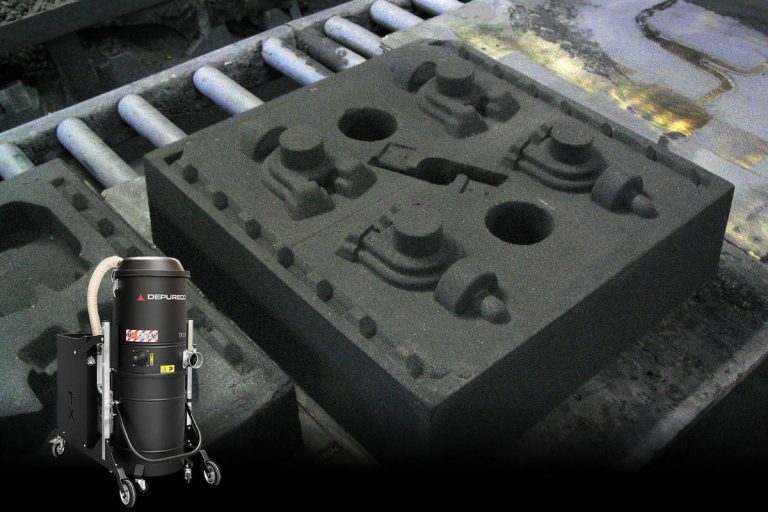
Molding & Sand Preparation
Return-sand spills around mullers, mixers, conveyors, molding lines, transfer points and elevator boots.
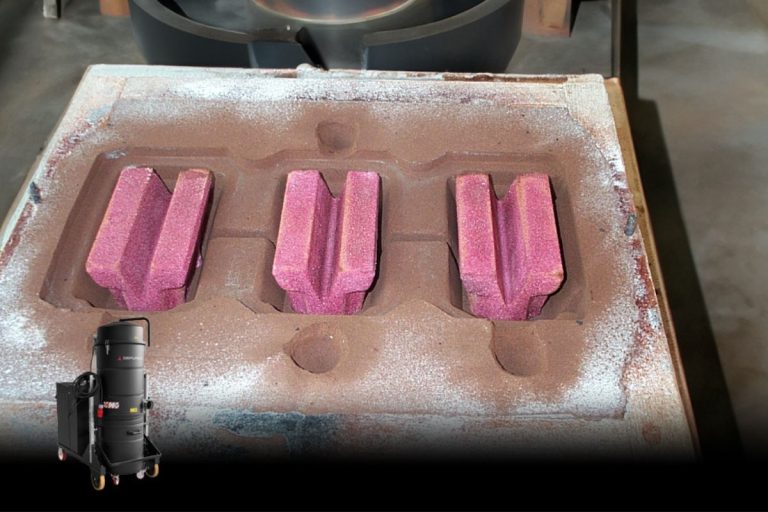
Coremaking Area Cleanup
Loose core sand, broken cores, binder residue and coating dust around core equipment and finishing areas.
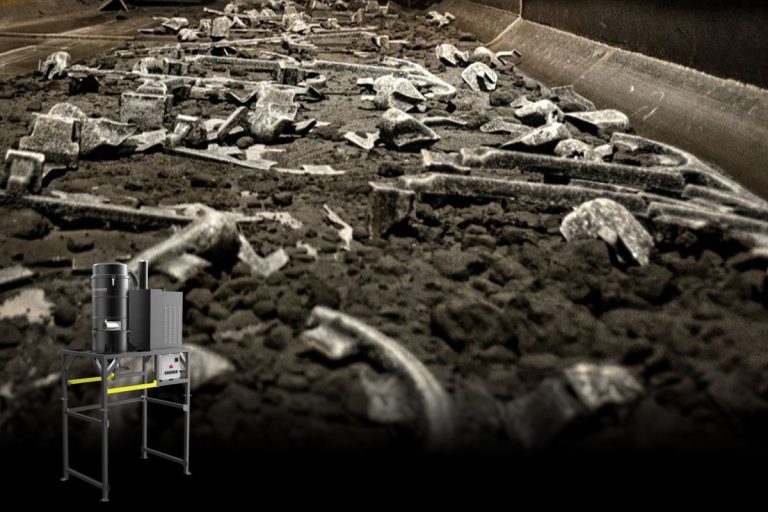
Shakeout & Sand Reclamation
High-volume sand, scale and core debris below shakeout equipment, pits and reclaim conveyors.
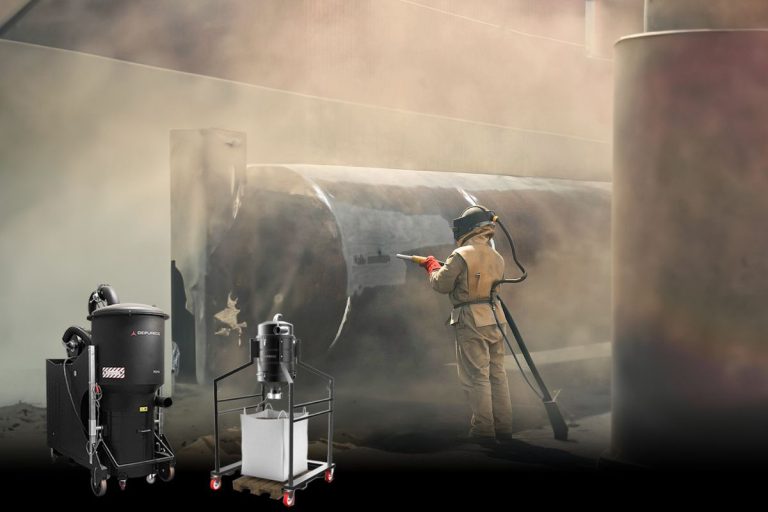
Shotblast & Abrasive Recovery
Steel shot, grit, fractured media, scale and reclaim-system leakage around blasting equipment.
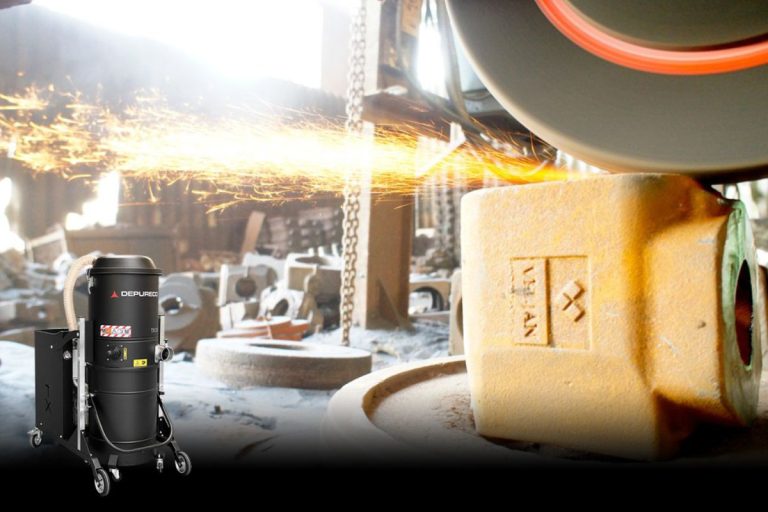
Casting Finishing, Chips & Swarf
Gates, risers, grinding residue, dry chips and coolant-laden swarf from cleaning and machining.
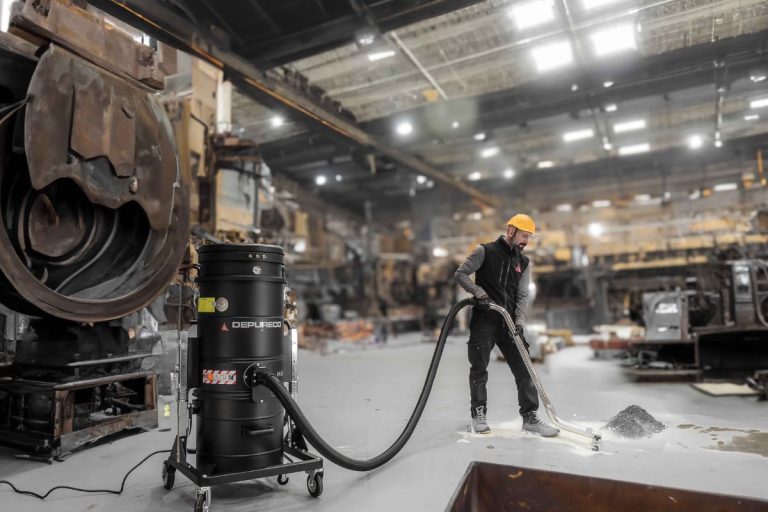
Plant-Wide Foundry Cleanup
Mobile cleanup, fixed drops and centralized recovery across recurring plant pickup points.
ADDITIONAL FOUNDRY GUIDANCE
FOUNDRY VACUUMS • DUST COLLECTORS • CENTRAL SYSTEMS
Choose the Control Method Before the Vacuum Model
The same foundry material can require completely different equipment depending on where it is and how it is being released.
A vacuum is designed to recover sand, shot, chips, scale, and dust that has already settled. A dust collector is designed to capture airborne material at the process. Central vacuum systems support repeated cleanup points across the facility, while sump vacuums handle chips mixed with coolant, oil, or sludge.

Follow the Material Stream, Not Just the Dust
The destination of the recovered material changes the entire system design.
Reclaimable Foundry Sand
Reusable shot, grit, and blast media
Gates, risers, chips, and metal scrap
Spent sand, core debris, baghouse fines, slag, dross, and sludge
Industrial Vacuum Solutions for High Temperatures
Some foundry cleanup points involve elevated temperatures, hot residue, or recently processed material that a standard vacuum setup is not built to handle. For those applications, the system should be matched with the right filtration media, separators, and accessories.
With the proper setup, foundries can use:
- Nomex filters for higher-temperature material
- Special separators for process-specific recovery
- Tailored accessories for more demanding cleanup points

MOLDING LINES • SAND SYSTEMS • RETURN-SAND RECOVERY
Foundry Vacuums for Molding & Sand Preparation
Sand spills around mullers, mixers, screens, conveyors, elevator boots, and molding lines create repeated cleanup and material-handling work.
Depureco foundry vacuum systems can recover loose molding sand, settled dust, and process debris using mobile vacuums, high-power systems, pre-separators, or centralized vacuum systems. The right approach depends on the recovery volume, cleanup frequency, pickup distance, and where the sand needs to go after collection.
Common Sand-Recovery Applications
- Molding-line and pattern-change cleanup
- Sand mixer, cooler, and screen cleanup
- Conveyor transfer points and elevator boots
- Return-sand spills and reclamation areas
- Pits and heavier sand accumulations
- Repeated cleanup routes across the sand system
Recommended Recovery Options
Mobile three-phase vacuums
For routine cleanup around molding lines and sand-handling equipment.
High-power recovery systems
Centralized vacuum systems
Dust Collection
CORE SAND • BROKEN CORES • BINDER RESIDUE • COATING DUST
Industrial Vacuum Systems for Coremaking Areas
Core shooters, sand mixers, core boxes, coating stations, ovens, and core-finishing areas can leave loose core sand, broken cores, binder residue, and settled dust around equipment and work areas.
Depureco industrial vacuum systems support core-room cleanup with mobile, continuous-duty, and centralized configurations selected around the material, cleanup frequency, filtration needs, and collection volume.
Common Core-Room Cleanup Applications
- Loose sand around core shooters and mixers
- Broken cores and core fragments
- Core-box and tooling cleanup
- Settled dust around coating and finishing stations
- Oven and conveyor-area housekeeping
- Repeated cleanup routes throughout the core room


SHAKEOUT • KNOCKOUT • BULK SAND RECOVERY
Shakeout & Foundry Sand Recovery Systems
Shakeout and knockout produce heavy volumes of foundry sand, broken cores, casting scale, and tramp debris around grids, vibratory conveyors, pits, and reclamation lines. Small collection bins quickly become a stop-and-empty bottleneck.
For bulk sand recovery, the stronger direction is typically a PUMA high-power vacuum combined with a pre-separator or bulk receiver. Central vacuum systems may be appropriate when the same pits, conveyors, and return-sand points require cleanup every shift.
Keep reclaimable sand separate from slag, shotblast fines, tramp metal, and mixed plant waste. Airborne shakeout dust requires source capture; the vacuum system recovers settled sand and debris.
STEEL SHOT • ABRASIVE GRIT • SCALE • FINES
Industrial Vacuums for Shotblast & Abrasive Recovery
Shot blasting and sandblasting cleanup are harder on equipment than ordinary dust collection. Steel shot, grit, scale, fractured media, and abrasive fines accumulate around blast-machine doors, reclaim systems, conveyors, elevators, and blast rooms.
A continuous-duty TX Series vacuum can handle routine leakage and equipment cleanup. Larger media volumes, blast rooms, pits, and longer hose runs may require a PUMA high-power vacuum with pre-separation to reduce filter loading and support abrasive-media recovery.
When the process allows reuse, keep recoverable shot or grit separate from spent media, casting debris, and general floor waste.


FETTLING • GRINDING • METAL CHIPS • COOLANT
Foundry Vacuums for Casting Finishing, Chips & Swarf
Cutoff, fettling, grinding, and secondary machining create mixed material streams ranging from gates, risers, scale, and abrasive residue to dry chips, long swarf, coolant, and sump sludge.
Use a three-phase or high-power industrial vacuum for heavy dry debris, casting fragments, and machining swarf. Coolant-laden chips and CNC sump material require a sump vacuum designed for liquid-solid separation and coolant recovery.
Grinding and cutoff dust should be captured at the source. Keep remelt scrap, dry chips, oily swarf, and collected fines separated when their next destinations differ.
MOBILE CLEANUP • FIXED DROPS • CENTRAL VACUUM SYSTEMS
Plant-Wide Foundry Vacuum Systems
Foundries often clean the same molding lines, conveyor routes, elevator boots, shakeout pits, blast equipment, and finishing areas every shift. Moving one vacuum across the entire plant can turn routine recovery into a labor bottleneck.
Mobile three-phase vacuums work well for changing or isolated cleanup points. When the same locations require constant attention, a centralized foundry vacuum system can connect fixed drops to high-power vacuum units, pre-separators, bulk receivers, and planned discharge points.
Sand, abrasive media, metal scrap, grinding dust, and oily swarf may require separate recovery paths rather than one plant-wide collection stream.

FURNACE AREAS • HOT RESIDUE • TEMPERATURE REVIEW
Melt Deck & Hot-Zone Vacuum Cleanup
Cleanup around crucibles, furnaces, and other hot zones may involve hot sand, ash, scale, slag fragments, and refractory debris. These materials can retain damaging heat even when they are no longer glowing.
The system may require a separator, metal pickup tools, temperature-appropriate hoses, and Nomex or other filter media matched to the application. Every component must be selected around the actual material temperature, particle size, volume, heat-retention time, and potential presence of sparks or embers.
SOURCE CAPTURE • AIRBORNE DUST • PROCESS EXTRACTION
Foundry Dust Collection Systems
Foundry dust should be captured where it leaves the process, before it spreads across equipment, structures, and surrounding work areas.
Sand mixing, coremaking, shakeout, reclamation, shot blasting, cutoff, fettling, and grinding can release silica-containing dust, binder residue, metal fines, scale, and abrasive particles. Depureco foundry dust collectors connect to hoods, enclosures, extraction arms, and production equipment to control that airborne material at the source.
Industrial vacuums remain the better tool for sand, shot, chips, and dust that has already settled.

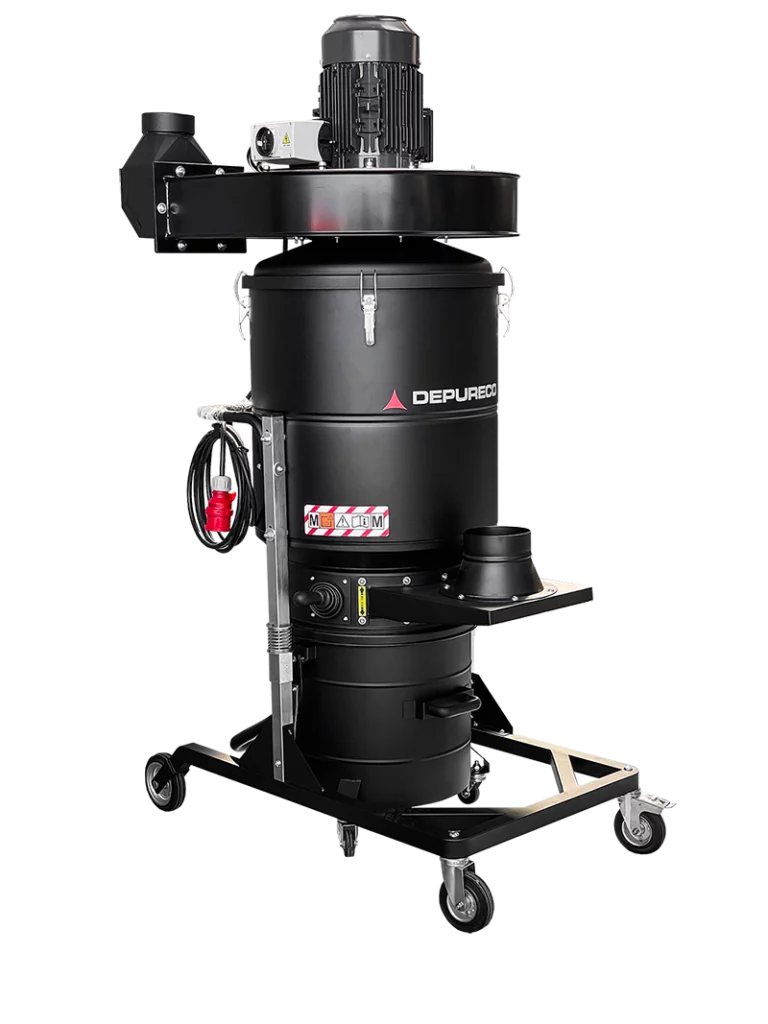
Localized Source Capture
The DF 40 provides higher airflow for larger capture openings, mobile extraction points, and direct connections where suspended foundry dust must be pulled away from the process.
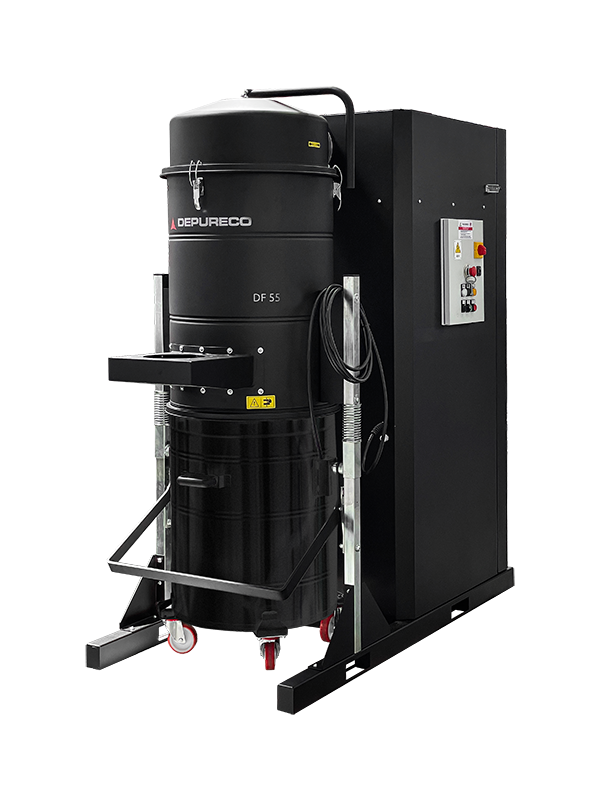
Stationary & Ducted Dust Collection
The DF FIX supports fixed equipment, hoods, enclosures, and duct-connected capture points with automatic filter cleaning for demanding dry-dust service.
How to Choose the Right Vacuum Solution for a Foundry
The best foundry vacuum is not the cheapest unit with enough horsepower on paper. It is the one matched to the material, the process area, the cleanup frequency, and the way operators actually use it.
When the application involves larger volumes of sand, dust, or metal debris, a heavier-duty three-phase vacuum is usually the better fit for reliability and sustained performance.
When hose runs are longer, material loading is heavier, or recovery conditions are tougher, higher-power systems make more sense than undersized vacuums that lose effectiveness under load.
When multiple workstations or repeated process areas need cleanup throughout the day, a centralized system can be a better long-term solution than moving mobile equipment from one point to another.
Where residue is still hot or heat exposure is part of the process, the vacuum should be equipped with the right filters, separators, and accessories rather than forced into a job it was not built for.
PRE-SEPARATION • BULK RECEIVERS • CONTROLLED DISCHARGE
Foundry Material Recovery & Discharge Systems
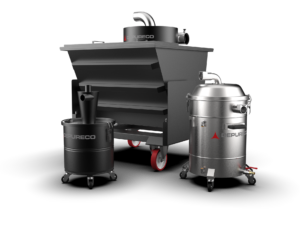
Separate High-Volume Material
Cyclone pre-separation removes bulk sand, abrasive media, chips, and other heavy material from the airflow before it reaches the primary filter. This increases collection capacity and reduces filter loading during demanding recovery work.

Match the Receiver & Discharge

Reclaim, Remelt or Dispose
Reclaimable sand and blasting media can remain separate for recovery. Metal chips and fragments can move toward recycling or remelt, while contaminated fines and mixed debris enter the appropriate waste stream.
