
Search
COOLANT, CHIPS, SWARF & CNC DUST

CNC Machine Shop Vacuum Solutions

CNC machine shop vacuum solutions for coolant recovery, sump cleanout, metal chip collection, swarf removal, oil recovery, dry machining dust, graphite dust, and machine-side cleanup. Compare sump vacuums, chip vacuums, wet/dry vacuums, dust collectors, and central vacuum options for CNC shops.

  • Recover, recycle, and reuse coolant
  • Separate chips, swarf, and sludge
  • Control dry machining dust and graphite dust
This page supports search intent for CNC machine shop vacuums, CNC vacuum solutions, vacuum solutions for CNC machine shops, CNC coolant vacuum, coolant recovery vacuum, sump vacuum for CNC machines, machine coolant sump cleaner, CNC chip vacuum, metal chip vacuum, metal shavings vacuum, swarf vacuum, metal swarf vacuum, shop vac for metal shavings, dry CNC dust collection, CNC dust collection system, CNC dust extraction system, CNC machine dust collector, graphite dust collection, graphite machining dust collector, machine shop vacuum, machining vacuum, and industrial vacuum solutions for CNC coolant, oil, chips, swarf, sludge, dust, and machine-side cleanup.

Built Rugged for CNC Shops That Don’t Quit.

CNC SUMP VACUUMS

Recover coolant, oil, swarf, sludge, and metal chips from CNC tanks and machine sumps.
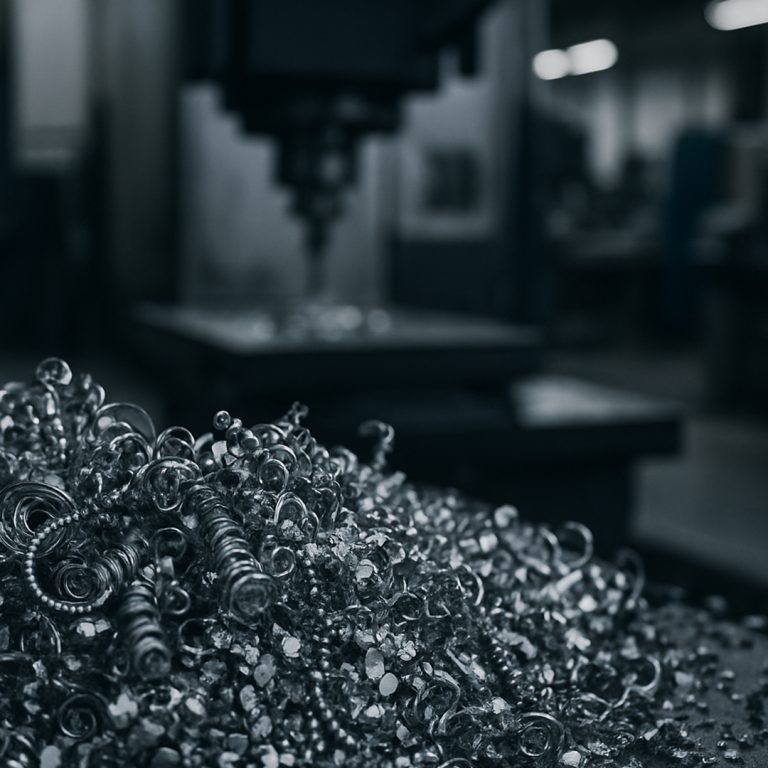
Metal chips and spiral swarf on CNC shop floor with machine tools in background — chip and shavings collection for machining cleanup.

Metal Chip Vacuums

Collect metal chips, shavings, swarf, turnings, and sharp machining debris around CNC work areas.
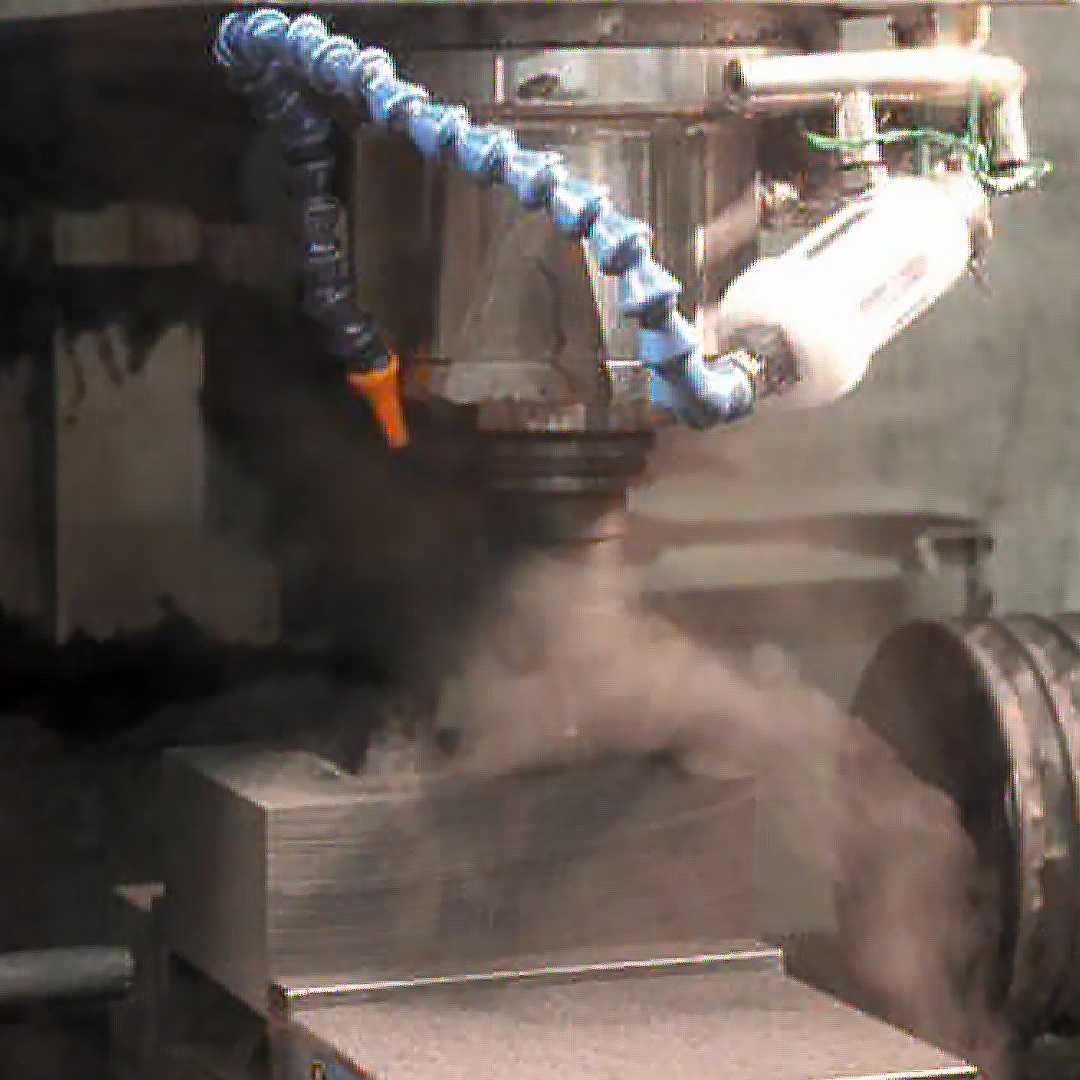
CNC Dry Dust Collection

Capture graphite dust, dry machining dust, composite dust, and fine particulate from dry CNC processes.

Different CNC shops generate different cleanup problems depending on material, coolant use, machine configuration, and production volume. Shops cutting with coolant often need sump vacuums with chip separation and pump-back capability. Shops handling dry chips need dedicated chip vacuums or stationary systems. Dry machining, composites, and specialty materials may require dust collectors rather than chip or sump vacuums. This page helps separate those paths for faster solution matching.

RECOVER FLUIDS. SEPARATE CHIPS. REDUCE DOWNTIME.

CNC Sump Vacuums for Coolant, Oil & Swarf Recovery

CNC sump cleaning is one of the biggest maintenance time sinks in a machine shop. Depureco sump vacuums recover coolant, oil, sludge, metal chips, and swarf from CNC tanks while helping separate solids from reusable fluid. The right unit can vacuum, filter, and discharge or pump back recovered coolant so machines get back into production faster.

CNC sump vacuums are used for coolant recovery, oil recovery, sump cleanout, CNC tank cleaning, metal chip separation, swarf removal, sludge removal, coolant filtration, machine coolant recovery, machine tool sump cleaning, and pump-back coolant recovery. Related buyer searches include CNC coolant vacuum, coolant sump vacuum, machine coolant sump cleaner, industrial sump vacuum cleaner, sump vacuum for CNC machines, coolant recovery vacuum, oil and swarf vacuum, CNC sump cleaner, metalworking fluid vacuum, and sump vacuum cleaner for machining centers, CNC lathes, vertical machining centers, grinders, and machine-tool maintenance.

RECOVER FLUIDS. SEPARATE CHIPS. REDUCE DOWNTIME.

Metal Chip & Swarf Vacuums for Machine Shops

Metal chips and swarf are hard on light-duty cleanup equipment. Depureco industrial vacuums for metal chips are built to collect sharp shavings, turnings, swarf, and heavy machining debris from floors, conveyors, machine interiors, trays, hoppers, and workstations. The right setup helps keep operators from fighting piles of chips with brooms, shovels, and shop vacs that clog or fail.

Metal chip vacuums for machine shops are used to collect CNC chips, metal shavings, swarf, turnings, burrs, metal debris, machining chips, aluminum chips, steel chips, brass chips, and sharp production waste from CNC machines, lathes, mills, machining centers, conveyors, floors, tables, and workstations. Related search intent includes CNC chip vacuum, metal chip vacuum, metal chip recovery vacuum, metal shavings vacuum, shop vac for metal shavings, central vacuum for metal shavings, industrial vacuum for metal chips, metal swarf vacuum, swarf vacuum cleaner, swarf removal vacuum, and industrial swarf vacuum cleaner.

FOR GRAPHITE, COMPOSITES & DRY MACHINING DUST

CNC Dust Collection for Graphite, Composites & Fine Dust

Dry CNC machining can create a very different hazard than coolant-heavy machining. Graphite, composites, plastics, carbon fiber, and dry metal processes may generate fine dust that should be captured before it spreads through machines, controls, and the surrounding work area. These applications usually need a dust collector, HEPA-capable vacuum, or engineered extraction setup rather than a sump vacuum.

Dry CNC dust collection is used for graphite machining dust, graphite electrode machining, dry CNC dust, composite cutting dust, carbon fiber dust, plastic machining dust, dry metal dust, fine particulate, CNC router dust, machining dust extraction, and machine enclosure dust control. Related search intent includes CNC dust collection system, CNC dust extraction system, CNC machine dust collector, graphite dust collection, graphite machining dust collector, industrial dust collector for CNC machines, dry machining dust collector, dust extractor for CNC machine, and CNC vacuum system for dry machining. Sump vacuums are not the right fit when the primary hazard is airborne fine dust instead of coolant, oil, chips, or swarf.

MATCH THE VACUUM TO THE CNC MESS

Sump Vacuum, Chip Vacuum, Dust Collector, or Central System?

The right CNC vacuum depends on what you are collecting.

Coolant and oil mixed with chips usually require a sump vacuum with filtration and discharge. Dry chips and shavings may need a chip vacuum or wet/dry industrial vacuum. Fine dust from graphite, composites, plastics, or dry machining usually needs dust collection or HEPA filtration.

Multi-machine shops may benefit from larger-capacity units or centralized vacuum systems.

Buyers comparing CNC machine shop vacuums should match the vacuum family to the material and workflow. CNC sump vacuums fit coolant recovery, oil recovery, sump cleanout, chip separation, swarf removal, sludge, and pump-back fluid recovery. Metal chip vacuums fit dry chips, shavings, turnings, swarf, and machine-side debris. Dust collectors and HEPA vacuums fit graphite dust, composite dust, dry machining dust, fine particulate, and airborne dust control. Central vacuum systems may fit machine shops with multiple CNC machines, multiple pickup points, high cleanup frequency, long hose runs, and plant-wide machining waste recovery.
Depureco sump vacuum pipe removing oil and heavy sludge from CNC coolant tank.
Buyers comparing CNC machine shop vacuums should match the vacuum family to the material and workflow. CNC sump vacuums fit coolant recovery, oil recovery, sump cleanout, chip separation, swarf removal, sludge, and pump-back fluid recovery. Metal chip vacuums fit dry chips, shavings, turnings, swarf, and machine-side debris. Dust collectors and HEPA vacuums fit graphite dust, composite dust, dry machining dust, fine particulate, and airborne dust control. Central vacuum systems may fit machine shops with multiple CNC machines, multiple pickup points, high cleanup frequency, long hose runs, and plant-wide machining waste recovery.

Ready to Equip Your CNC Shop with the Right Vacuum?

Tell us about your CNC challenges — coolant recovery, chip cleanup, or dust control. Our team will match you with the right solution for your shop.

CLEAN FASTER. WASTE LESS. KEEP MACHINES CUTTING.

Why CNC Shops Use Industrial Vacuums
Instead of Buckets, Brooms & Shop Vacs

CNC cleanup is not just housekeeping. Slow sump cleanouts, coolant waste, wet chips, clogged shop vacs, and manual chip removal all reduce uptime. A properly selected industrial vacuum helps maintenance teams remove material faster, recover usable fluid, reduce messy handling, and keep operators focused on production instead of cleanup.

Coolant Reuse

Vacuum, filter, and discharge or pump back recovered coolant instead of sending every sump cleanout straight to waste. Cleaner fluid handling can help shops reduce coolant loss, extend maintenance intervals, and simplify machine cleanup.

Chip & Swarf Recovery

Separating chips and swarf from liquid makes cleanup easier and can help prepare metal waste for recycling. The right basket, separator, or filtration setup depends on chip size, material, fluid type, and how much debris builds up in the sump.

Cleaner Machine Maintenance

Removing sludge, chips, and fines from coolant tanks helps reduce buildup around pumps, screens, machine interiors, and maintenance access points. Cleaner tanks make routine service faster and reduce the mess operators have to work around.

More Spindle Time

Faster cleanup means less time spent draining tanks by hand, shoveling chips, swapping drums, or waiting on manual maintenance. The goal is simple: get the machine cleaned, fluid handled, and production running again.

Industrial vacuums for CNC machine shops help reduce manual sump cleaning, bucket-and-pail coolant removal, broom cleanup, shop vac clogging, coolant waste, wet chip handling, swarf buildup, and machine downtime. Related search intent includes CNC sump cleaning, coolant reuse, coolant recycling vacuum, metal chip recycling, CNC maintenance vacuum, machine shop cleanup, coolant tank cleaning, chip and coolant recovery, and industrial vacuum for CNC production uptime.

CNC VACUUM BUYER QUESTIONS

Choosing the Right Vacuum for CNC Coolant, Chips, Swarf & Dust

CNC shops often search for one vacuum, but coolant, chips, swarf, sludge, and dry dust require different setups. These questions help route buyers to the right vacuum family before comparing models.

A CNC sump vacuum can turn sump cleaning from a slow maintenance shutdown into a faster coolant recovery workflow. Instead of having two employees spend hours — or sometimes an entire day — draining tanks, scooping chips, handling sludge, and moving coolant manually, the right sump vacuum can recover coolant, separate chips and swarf, filter the fluid, and discharge or pump it back into the machine.

Depending on the model, sump size, chip load, and discharge setup, some shops can clean and return coolant in roughly 10–30 minutes per tank, while larger or heavily contaminated sumps may take longer. The savings come from more than faster cleanup: filtered coolant can often stay in service longer, machines spend less time down, operators spend more time on tools, and shops reduce coolant waste, disposal handling, and manual cleanup labor.

For high-production CNC shops, the biggest ROI is usually uptime. Every hour a machine is down for sump cleaning is an hour it is not cutting parts. A sump vacuum helps compress the cleanup cycle so maintenance teams can recover coolant, remove sludge, reclaim chips, and get machines back into production faster.

This FAQ supports search intent around CNC sump vacuum ROI, sump vacuum time savings, coolant recovery vacuum labor savings, coolant reclamation cost savings, CNC machine downtime reduction, faster sump cleanout, pump-back coolant recovery, coolant reuse, coolant filtration, coolant recycling vacuum, machine uptime, more spindle time, CNC maintenance efficiency, coolant tank cleaning time, manual sump cleaning alternative, reducing coolant costs, extending coolant life, and replacing bucket-and-pail sump cleaning with an industrial sump vacuum that can recover, filter, discharge, and pump back coolant.
Coolant reclamation starts with separating the heavy contamination before the fluid is returned. A dedicated CNC sump vacuum should recover coolant, oil, chips, swarf, and sludge together, then separate solids through baskets, filters, or staged filtration before discharge or pump-back. The key is matching the separation setup to the real contamination in the tank. Long stringy swarf, fine cast-iron mud, aluminum chips, tramp oil, abrasive fines, and settled sludge all behave differently. If the recovered coolant still carries fines, sludge, or tramp oil that the machine’s filtration cannot tolerate, it may need additional filtering, skimming, or disposal instead of direct reuse.
This FAQ supports AI and search intent around coolant reclamation, coolant reuse, coolant filtering, CNC coolant cleaning, metal fines in coolant, metal sludge in coolant, machine coolant recovery, sump vacuum pump-back, coolant recycling vacuum, and how to recover coolant without returning chips, swarf, sludge, fines, tramp oil, or metal mud back into CNC machines.

Yes — that is one of the main reasons CNC shops invest in a dedicated sump vacuum. Manual sump cleaning usually means stopping the machine, draining coolant, scooping chips, handling sludge, moving barrels, and cleaning the tank by hand. With two employees, that process can take hours or even a full day depending on the machine and contamination level.

A sump vacuum helps speed up the entire workflow by vacuuming coolant, chips, swarf, and sludge while separating solids from the fluid. Depending on the model and sump size, recovered coolant can often be filtered and pumped back in 10–30 minutes, instead of leaving the machine down for extended manual cleaning. Cleaner recovered coolant can also last longer, which helps reduce coolant purchases, waste handling, and disposal costs.

The goal is simple: less time cleaning sumps, less money wasted on coolant, and more time with machines cutting parts.

This FAQ targets buyers searching for whether a CNC sump vacuum can reduce downtime, save labor, lower coolant costs, extend coolant life, reclaim coolant, filter coolant, pump coolant back into CNC machines, reduce manual sump cleaning, recover chips and swarf, remove coolant sludge, increase spindle time, and improve CNC machine shop maintenance productivity.

Metal mud is usually a mix of fine metal particles, coolant residue, tramp oil, grinding fines, bacteria-related buildup, and settled sludge that collects below the chips in a sump. It is harder to remove than loose chips because it can pack into corners, cling to tank bottoms, and overload light-duty wet vacs.

For metal mud and coolant sludge, the vacuum needs strong lift, a tank designed for wet solids, a practical discharge method, and filtration or separation that can keep sludge from immediately contaminating recovered fluid. If sludge is heavy or sticky, hose diameter, wand style, tank capacity, and emptying method matter as much as suction specs.

This FAQ supports search intent for metal mud vacuum, coolant sludge vacuum, CNC sludge removal, sump sludge cleanup, metal fines sludge, grinding sludge vacuum, CNC tank sludge removal, coolant sump mud, swarf sludge recovery, oily sludge vacuum, and industrial sump vacuum for heavy settled solids in machine tool coolant tanks.

A general wet/dry vacuum can handle small spills or light mixed cleanup, but it is not the right tool when the job is routine CNC sump cleanout, coolant recovery, chip separation, oil recovery, or pump-back. Sump vacuums are built around the full workflow: vacuum the sump, separate chips and swarf, manage liquid volume, and discharge or return the recovered fluid.

If the shop is cleaning multiple machines, recovering reusable coolant, handling heavy chip loads, or trying to reduce manual tank cleaning, a sump vacuum is the better fit. A wet/dry vacuum is mainly a cleanup tool. A sump vacuum is a maintenance process improvement.

This FAQ supports search intent comparing sump vacuum vs wet dry vacuum, CNC sump vacuum vs wet vac, coolant recovery vacuum vs wet dry vacuum, industrial vacuum for coolant and chips, wet dry vacuum for coolant spills, sump cleaner for CNC machines, and when to use a dedicated sump vacuum for coolant recovery, chip separation, pump-back, and oil and swarf recovery.

What vacuum setup works best when chips are long, stringy, or bird-nested?

This FAQ supports search intent comparing sump vacuum vs wet dry vacuum, CNC sump vacuum vs wet vac, coolant recovery vacuum vs wet dry vacuum, industrial vacuum for coolant and chips, wet dry vacuum for coolant spills, sump cleaner for CNC machines, and when to use a dedicated sump vacuum for coolant recovery, chip separation, pump-back, and oil and swarf recovery.

Stringy swarf and long turnings need a different approach than small chips or fines. Long swarf can bridge across inlets, pack inside hoses, wrap around tools, and fill a basket unevenly. For that kind of material, the system needs enough hose diameter, the right pickup tools, a collection basket or separator that can handle bulk swarf, and a vacuum path that does not choke on sharp, curled material.

If the swarf is wet and sitting in coolant, route the application toward a heavier sump vacuum with chip separation. If the swarf is mostly dry around the machine, a metal chip vacuum or heavy-duty wet/dry industrial vacuum may be the better fit.

This FAQ supports search intent for vacuuming stringy swarf, long metal turnings vacuum, bird nest swarf cleanup, CNC lathe swarf vacuum, metal shavings vacuum, shop vac for metal shavings, swarf removal vacuum, chip vacuum for long turnings, industrial vacuum for sharp metal chips, and CNC chip collection for stringy or curled machining waste.

Coolant can often be reused after vacuum recovery if the recovered fluid is still within the shop’s acceptable range for concentration, contamination, tramp oil, bacteria, fines, and pH. The vacuum can remove bulk chips, swarf, sludge, and suspended debris, but it does not replace coolant management.

For reuse, shops should check the fluid after recovery and filtration. If the coolant is rancid, chemically out of range, loaded with fines, or contaminated with tramp oil beyond the machine’s tolerance, it may need additional filtration, skimming, treatment, or disposal. The vacuum improves the recovery and cleaning workflow, but the shop’s coolant control process still decides whether fluid should go back into production.

This FAQ supports search intent for coolant reuse after sump cleaning, can CNC coolant be reused, coolant reclamation vacuum, coolant recovery and filtration, coolant concentration after recovery, tramp oil removal, coolant pH maintenance, coolant recycling in machine shops, coolant cleaning system, and reclaiming machine coolant after vacuuming chips, sludge, swarf, and fines.

The biggest downtime savings usually come from eliminating the slow manual steps: draining with buckets, shoveling chips, scooping sludge, moving drums, and cleaning the tank in stages. A dedicated sump vacuum lets the maintenance team recover liquid and solids together, separate chips and swarf, and discharge or pump back fluid with less manual handling.

The right workflow depends on whether the goal is fast tank cleaning, coolant reuse, chip recovery, or full sludge removal. For high-production shops, the vacuum should be selected around total cleanout time: setup, vacuuming, filtering, discharge, chip emptying, movement between machines, and cleanup after the cleanup.

This FAQ supports search intent for faster CNC sump cleanout, reduce machine downtime, CNC maintenance vacuum, fast coolant tank cleaning, sump cleaning time reduction, coolant recovery pump-back, industrial sump vacuum for machine uptime, machine shop maintenance equipment, and replacing bucket-and-pail sump cleaning with industrial vacuum recovery.

Material matters. Aluminum chips, steel chips, cast-iron fines, grinding sludge, abrasive dust, and mixed metal swarf do not load the vacuum the same way. Aluminum may create bulky chip volume. Cast iron and grinding fines can create dense sludge. Steel turnings can be sharp and stringy. Abrasive fines can wear hoses, filters, and tools faster.

Before choosing a vacuum, identify the dominant material, chip shape, fluid type, solids load, and whether the contamination is mostly floating, suspended, or settled at the bottom of the tank. That determines whether the shop needs a sump vacuum, chip vacuum, pre-separator, bag/basket filtration, or a more specialized recovery setup.

This FAQ supports search intent for aluminum chip vacuum, steel chip vacuum, cast iron sludge vacuum, grinding sludge vacuum, abrasive fines in coolant, CNC coolant with metal fines, vacuum for aluminum swarf, vacuum for cast iron mud, metalworking sludge recovery, and choosing a sump vacuum or chip vacuum based on material type, chip shape, solids load, and coolant contamination.

A mobile sump or chip vacuum is usually the best starting point when cleanup is machine-by-machine. A central system starts to make sense when the shop has many machines, frequent cleanup events, long walking distances, repeated chip pickup points, or a need to standardize housekeeping across the floor.

Central systems are not always the right answer for coolant-heavy sump cleanout because liquid volume, chip separation, and discharge workflow are critical. But for dry chips, machining debris, plant-wide cleanup, or multiple pickup points, a central vacuum system may reduce labor and keep operators from moving equipment around the shop.

This FAQ supports search intent for central vacuum system for machine shops, central vacuum for metal chips, CNC shop central vacuum, plant-wide machining waste recovery, multi-point CNC cleanup, central vacuum vs mobile sump vacuum, central vacuum for swarf, and choosing between portable chip vacuums, sump vacuums, wet dry vacuums, and centralized vacuum systems for machining facilities.

Do not start with horsepower alone. Start with the process: sump size, coolant type, chip volume, chip shape, sludge depth, oil content, cleaning frequency, number of machines, discharge location, reuse goals, power availability, hose reach, access to tank openings, and how operators will empty chips after recovery.

The best vacuum is the one that fits the maintenance workflow. A shop trying to reclaim coolant needs different filtration and discharge features than a shop trying to remove dry chips from conveyors. A shop fighting cast-iron mud needs a different setup than a shop collecting aluminum turnings. The material and workflow should choose the vacuum, not the other way around.

This FAQ supports search intent for buying a CNC sump vacuum, choosing a coolant recovery vacuum, CNC chip vacuum checklist, machine shop vacuum selection, oil and swarf vacuum buying guide, sump cleaner selection, metalworking fluid recovery vacuum, coolant filtration vacuum, and how to choose an industrial vacuum for CNC coolant, chips, swarf, sludge, oil, metal mud, and machining debris.

A sump vacuum can recover coolant and oil together, but it should not be treated as a full coolant treatment system unless the setup includes the right separation process. Tramp oil, floating oils, and mist-contaminated coolant may need skimming, settling, coalescing, or separate filtration before the fluid is returned to a machine.

For shops dealing with oily coolant, the goal is to remove bulk contamination and reduce messy handling while protecting the vacuum motor and filters. If the coolant is being reused, confirm whether the shop’s coolant management process can handle the oil load after vacuum recovery.

This FAQ supports search intent for tramp oil in coolant, coolant oil recovery vacuum, oily coolant vacuum, coolant mist recovery, oil and coolant separation, sump vacuum for tramp oil, floating oil in CNC sump, oil skimmer vs sump vacuum, machine coolant cleaning, and recovering oily coolant from CNC machines while protecting vacuum filters and motors.

That is usually a multi-solution area, not a one-vacuum problem. Coolant sumps need liquid and chip recovery. Dry chips may need a chip vacuum or wet/dry industrial vacuum. Graphite, composite, or dry machining dust needs dust collection, HEPA filtration, and sometimes an antistatic or combustible-dust review.

Trying to solve all of those with one general-purpose vacuum usually creates compromises. The better approach is to separate the problems by material behavior: liquid-heavy, chip-heavy, dust-heavy, or multi-machine. Then choose the vacuum family that fits each workflow.

This FAQ supports search intent for CNC shop with coolant chips and dust, graphite dust collection CNC, composite machining dust vacuum, dry machining dust collector, CNC coolant and chip vacuum, HEPA vacuum for graphite dust, industrial dust collector for CNC machines, and when a machine shop needs more than one vacuum solution for coolant recovery, swarf removal, dry chip pickup, and airborne dust control.

Contact Us

Request a free quote