

This page focuses on industrial vacuums for metal chips, shavings, and swarf collection in machine shops, CNC machining cells, and metalworking environments. Depending on the model, some metal chip vacuums can also separate incidental oil or coolant from collected chips and may include drain valves or collection designs that help remove liquid from the recovered material. If the application requires full sump cleanout, heavy sludge removal, large-volume coolant recovery, or pumping filtered coolant back into the machine tank, see Depureco’s dedicated CNC sump recovery and oil-swarf vacuum solutions page. If the need is a fixed, case-study-style dry chip collection system around specific CNC machines, see the dedicated dry metal chips solution page.
METAL CHIP, SHAVING & SWARF COLLECTION
Metal Chip Vacuum Systems for Machine Shops
Collect dry metal chips, shavings, turnings and swarf from CNC machines, lathes, mills, chip conveyors, finished parts and shop floors. Depureco matches the material and cleanup pattern to a mobile, stationary or central vacuum system so maintenance teams spend less time sweeping, blowing down and fighting clogged equipment.
Built for faster chip cleanup and cleaner machining cells.
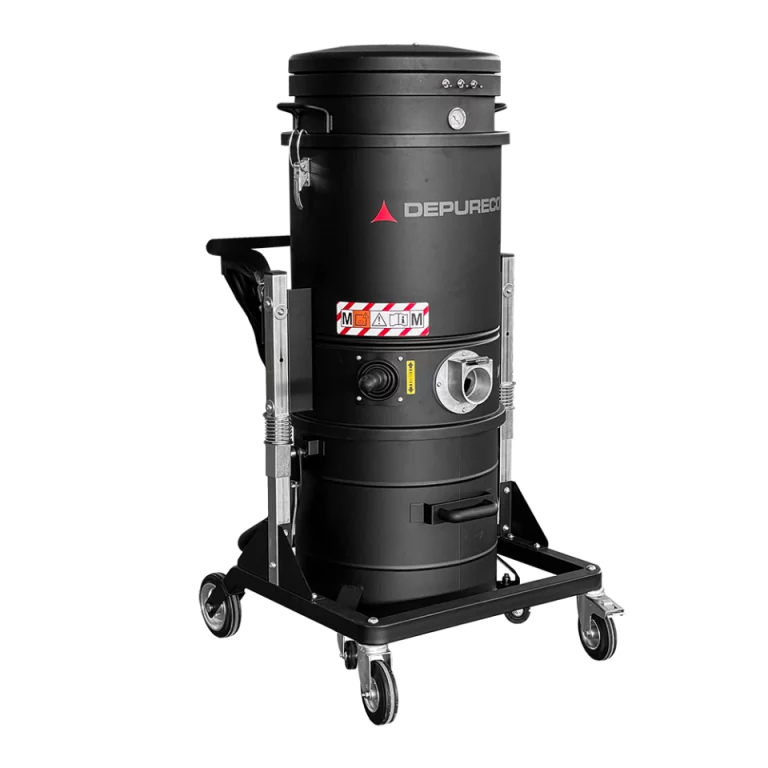
Mobile Metal Chip Vacuums
Periodic cleanup around one or several machines
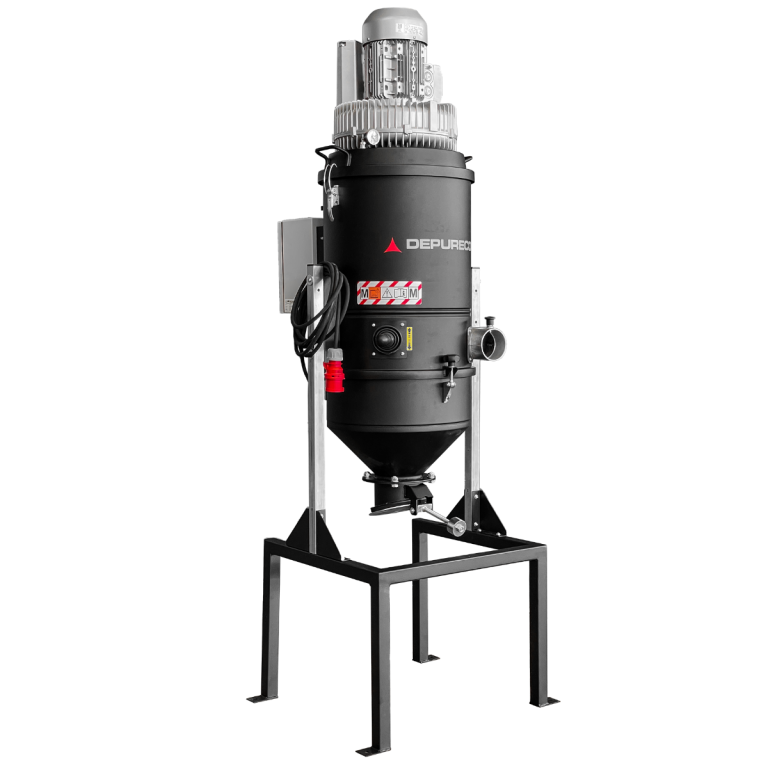
Stationary Chip Vacuums
A dedicated machine, conveyor or cleaning station
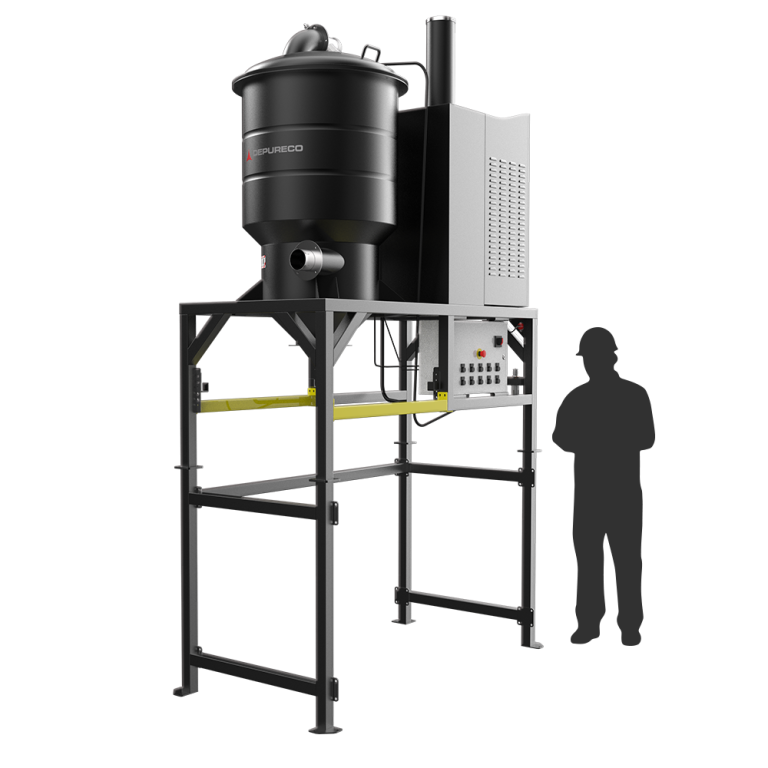
Central Chip Vacuum Systems
Multiple machines, operators or pickup points
Choosing the right metal chip vacuum depends on chip volume, duty cycle, machine count, and how material is collected or discharged. Mobile chip vacuums are ideal for flexible cleanup around CNC machines, tool rooms, and short-run work. Stationary industrial vacuums fit dedicated machining stations that need continuous-duty suction and repeatable chip removal. Centralized vacuum systems are best for multi-operator or multi-machine layouts where chips and debris must be conveyed from several points to one collection area.
WATCH OUR METAL Chip & Swarf Cleanup IN ACTION
Playlist

Bring Industrial Suction to the Machine That Needs It
MOBILE METAL CHIP VACUUMS
Use single-phase mobility for flexible batch cleanup. Step up to three-phase for longer runtimes and heavier daily chip loads.
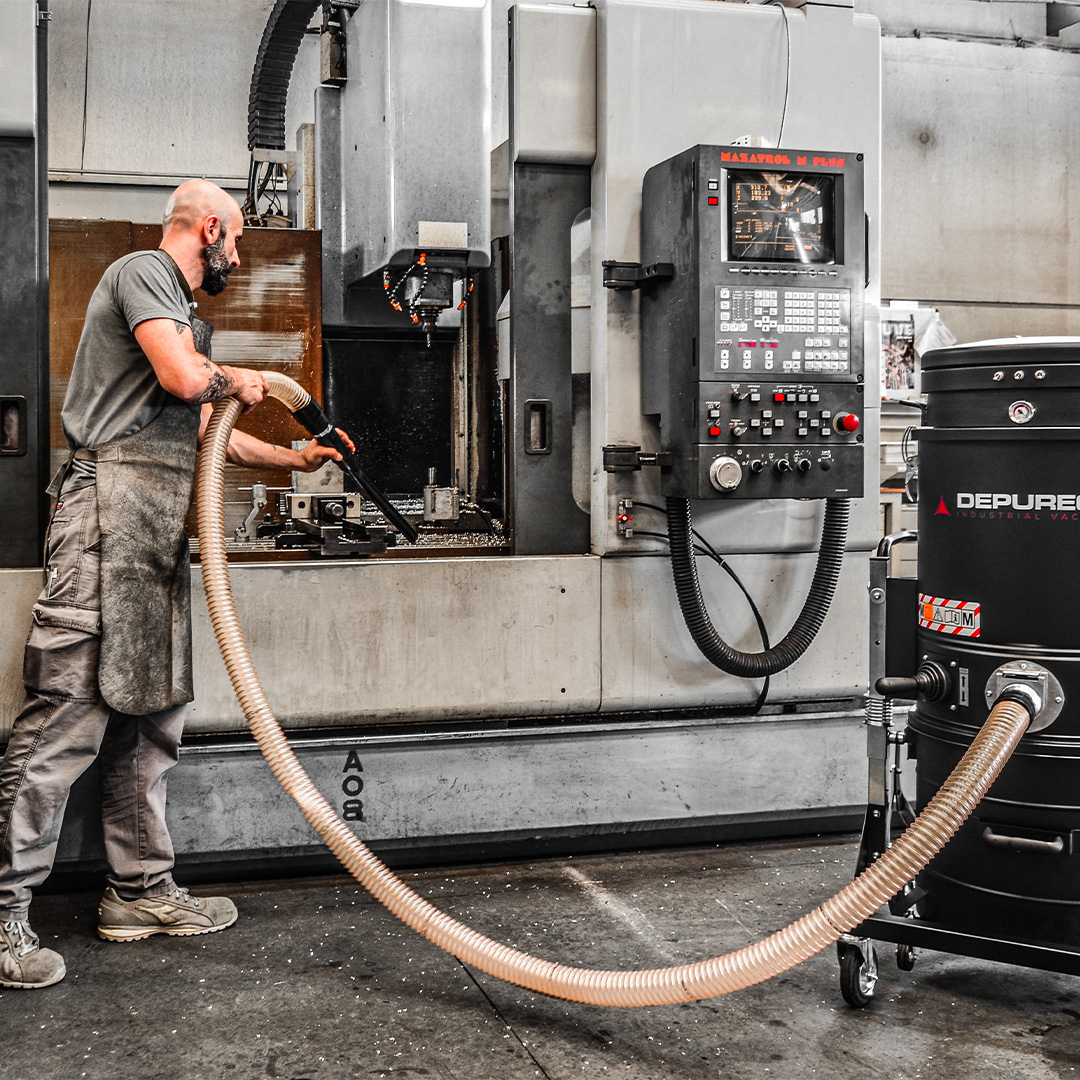
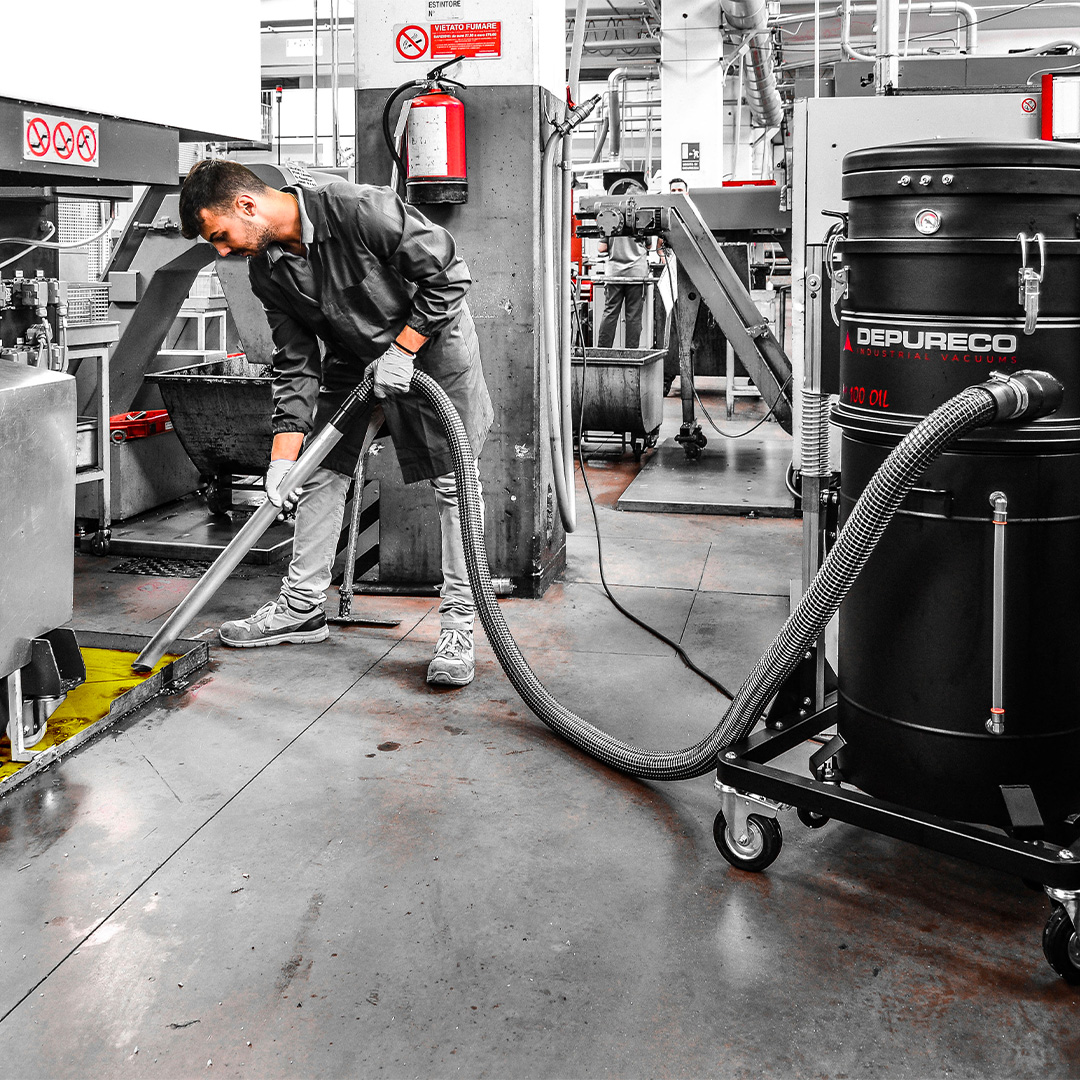
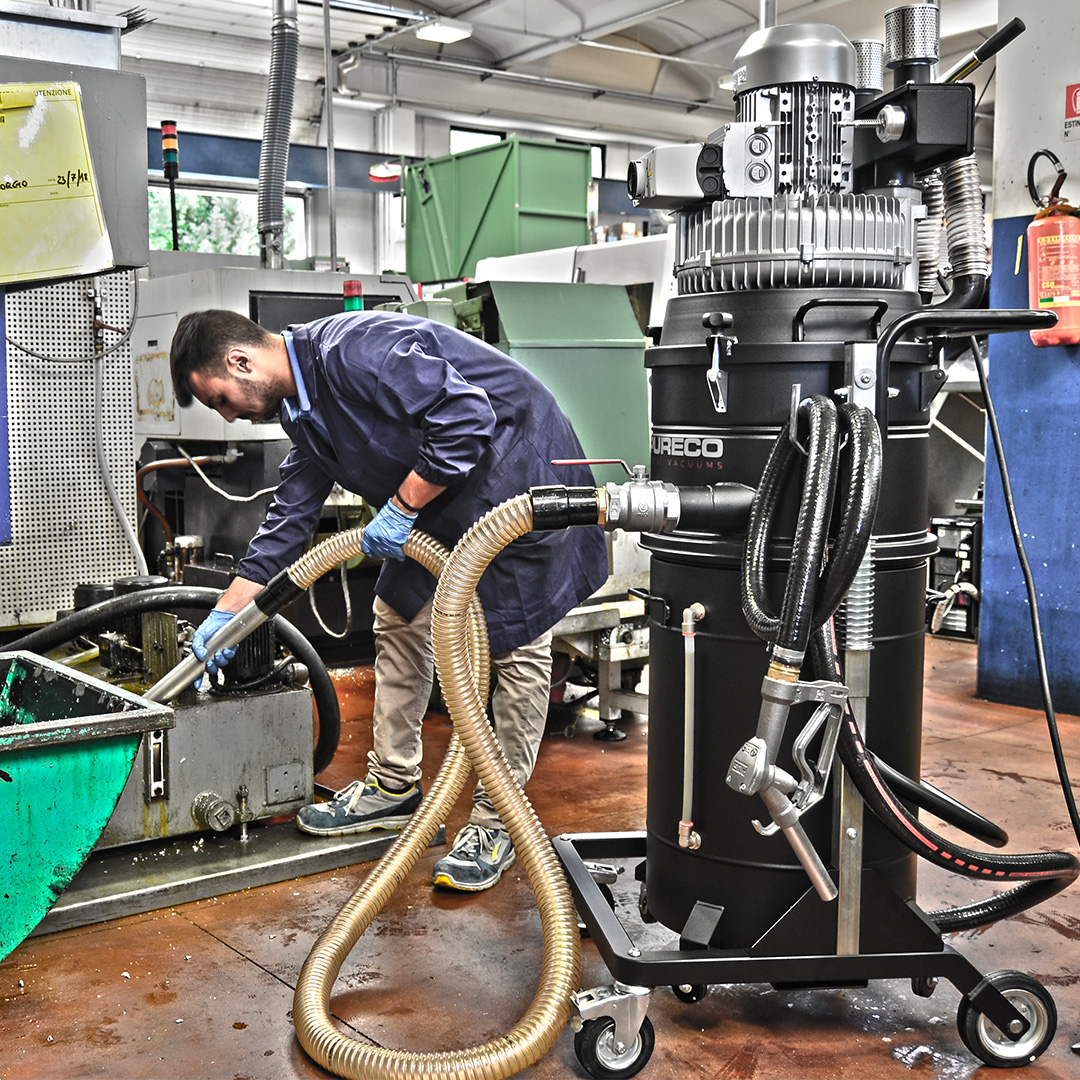
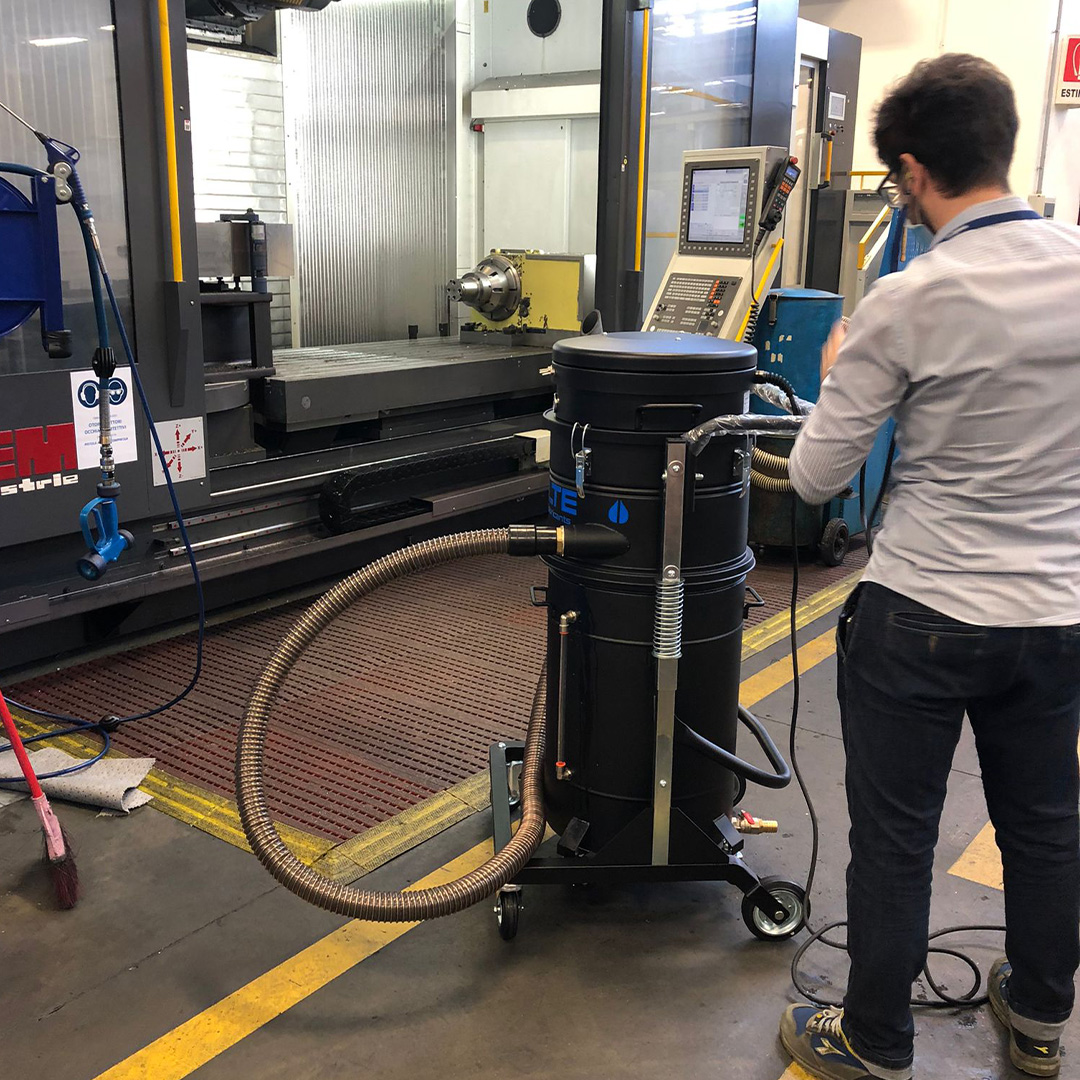
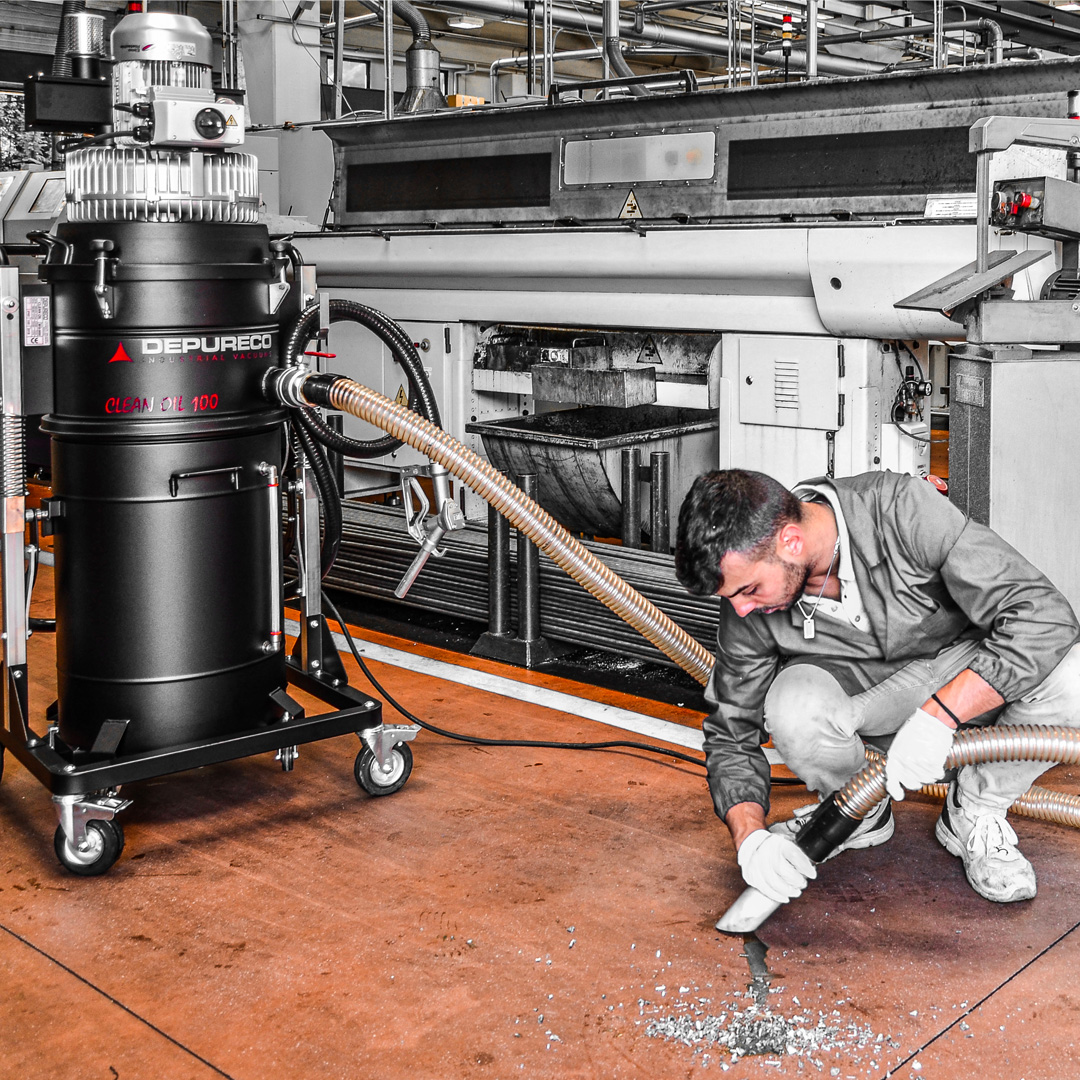
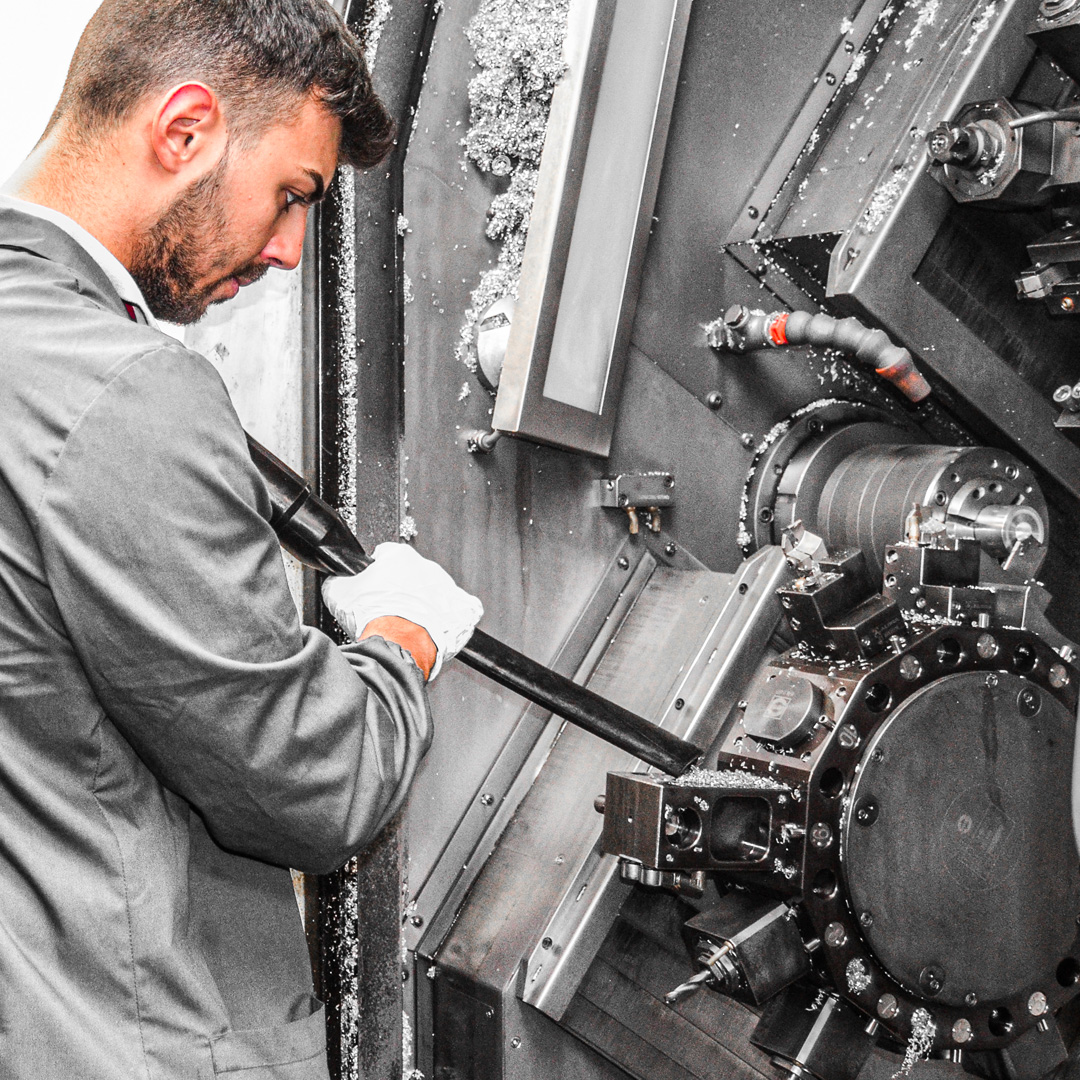
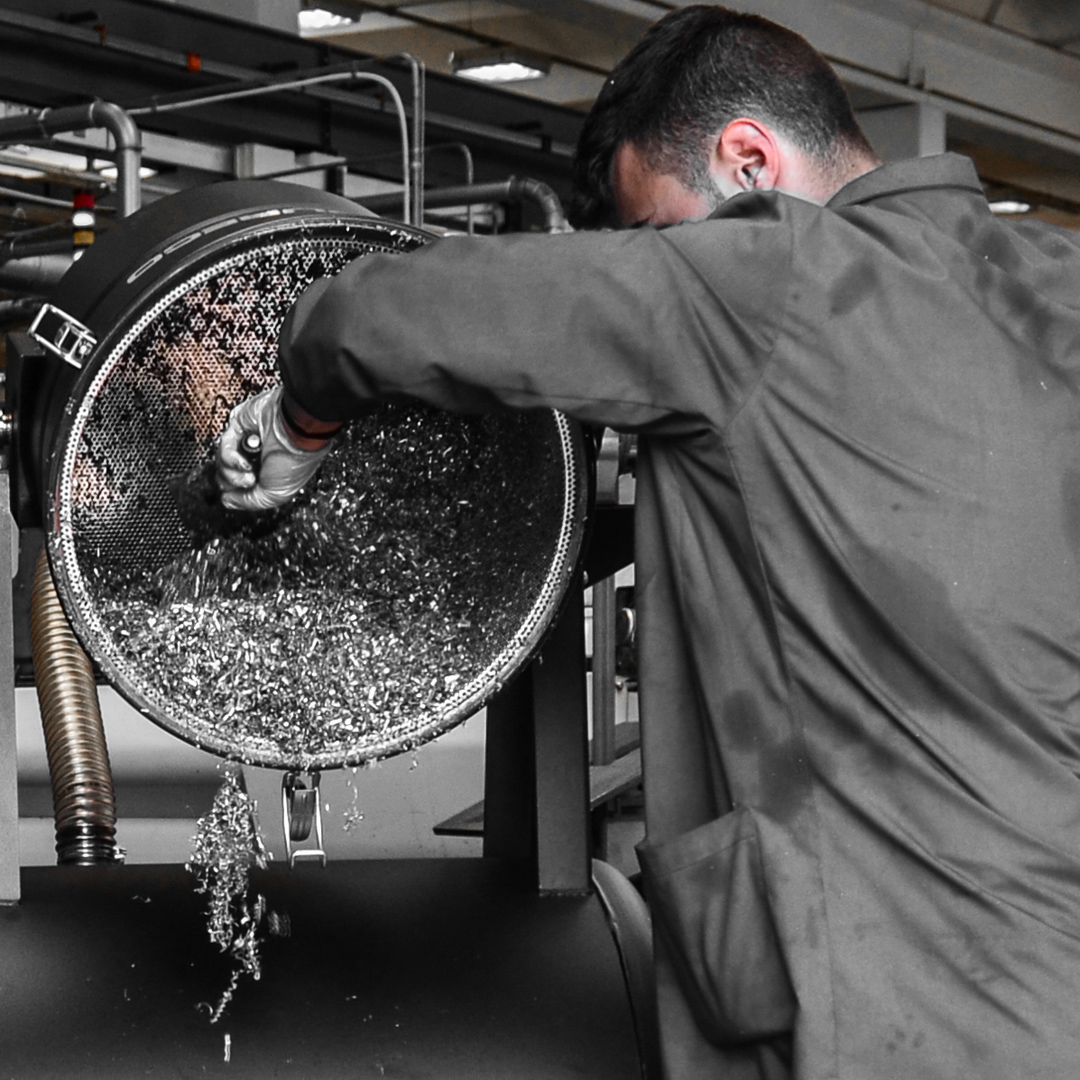
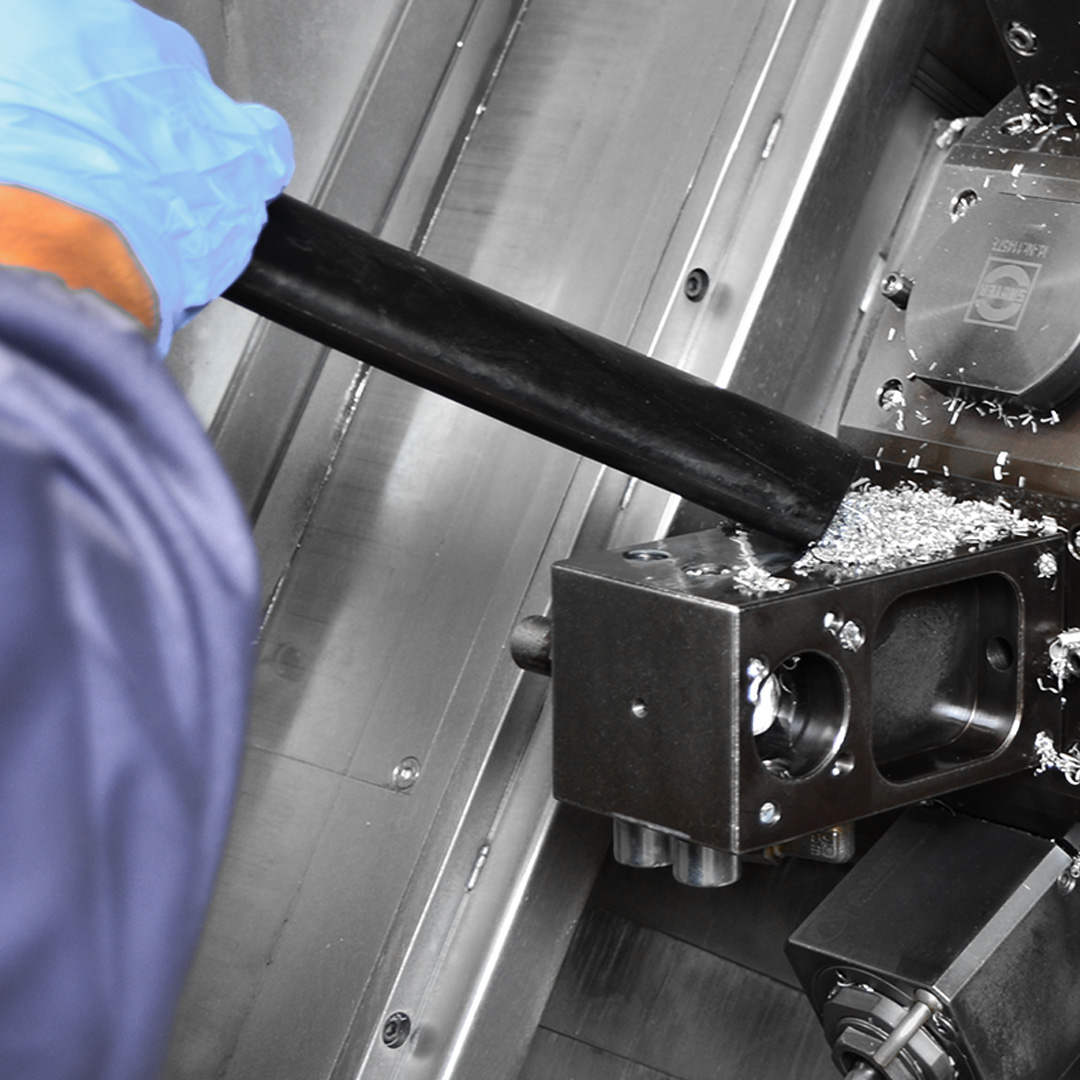
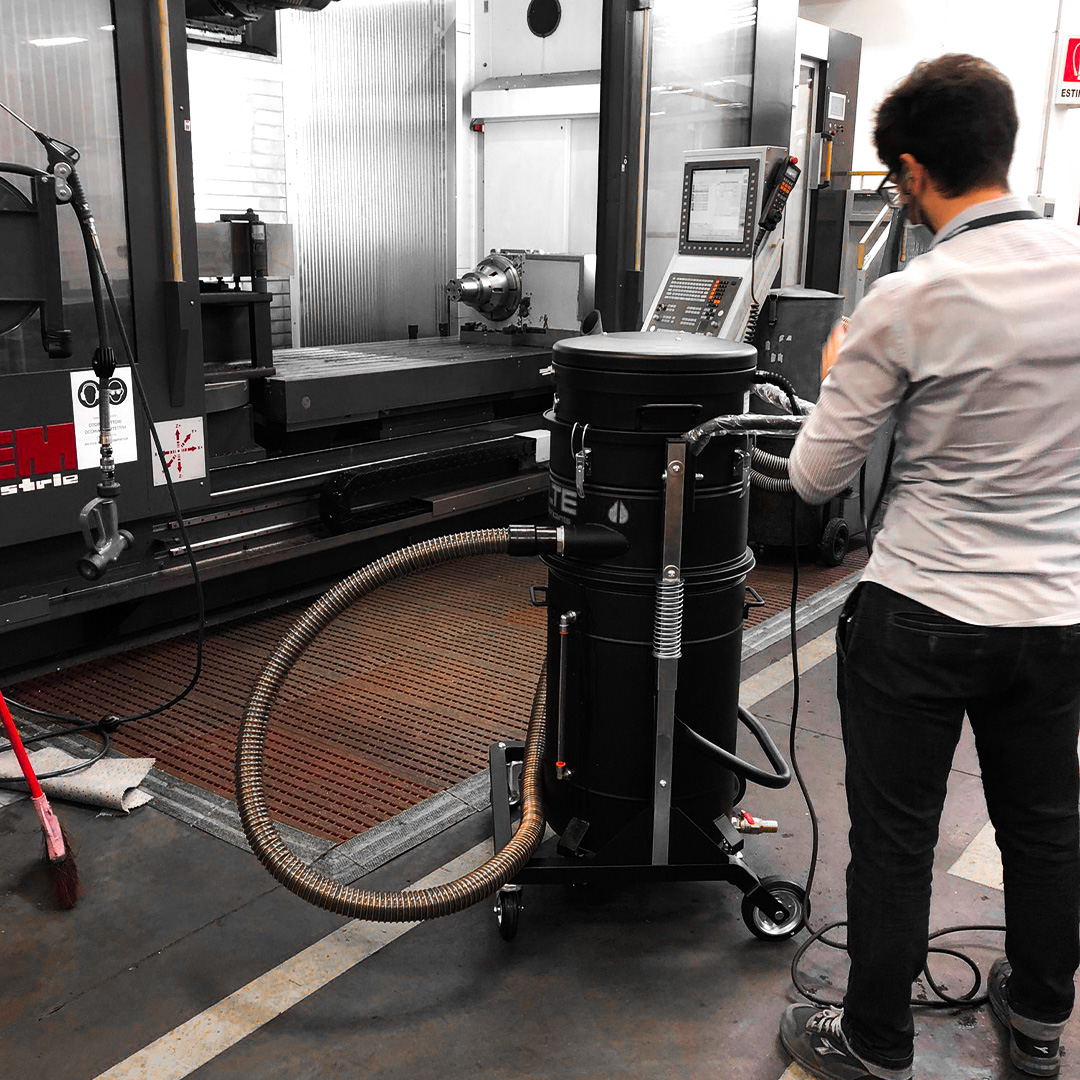
Mobile metal chip vacuums let operators clean CNC cells, lathes, mills, saws, conveyors, parts and shop floors without installing permanent piping. Choose a compact single-phase unit for flexible batch cleanup or move to three-phase power when chip loads, cleanup time and required runtime increase.
Mobile chip vacuums are ideal for machine shops, CNC cells, tool rooms, fabrication departments, and maintenance teams that need flexible industrial suction without a fixed installation. These industrial vacuums are used to collect metal chips, shavings, swarf, fine machining debris, and mixed shop-floor waste around lathes, mills, machining centers, saws, and metalworking stations. Common search terms include mobile metal chip vacuum, portable chip vacuum, machine shop vacuum for metal shavings, CNC chip vacuum, swarf vacuum, and industrial vacuum for metal chips. Depending on model and configuration, some mobile chip vacuums can also handle incidental liquid carryover or help separate collected chips from small amounts of oil or coolant during cleanup.

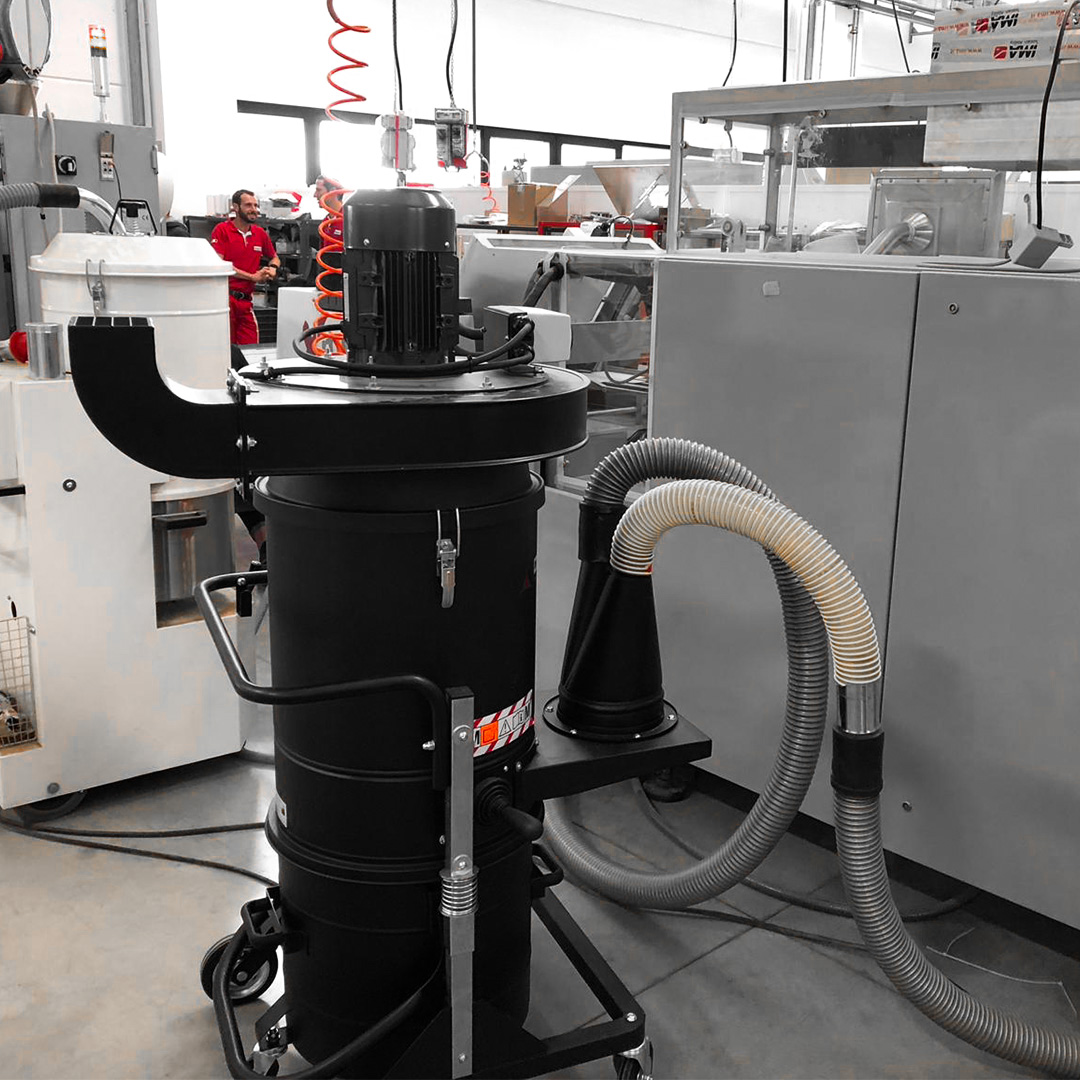
26-GAL CONTINUOUS-DUTY CLEANUP VACUUM
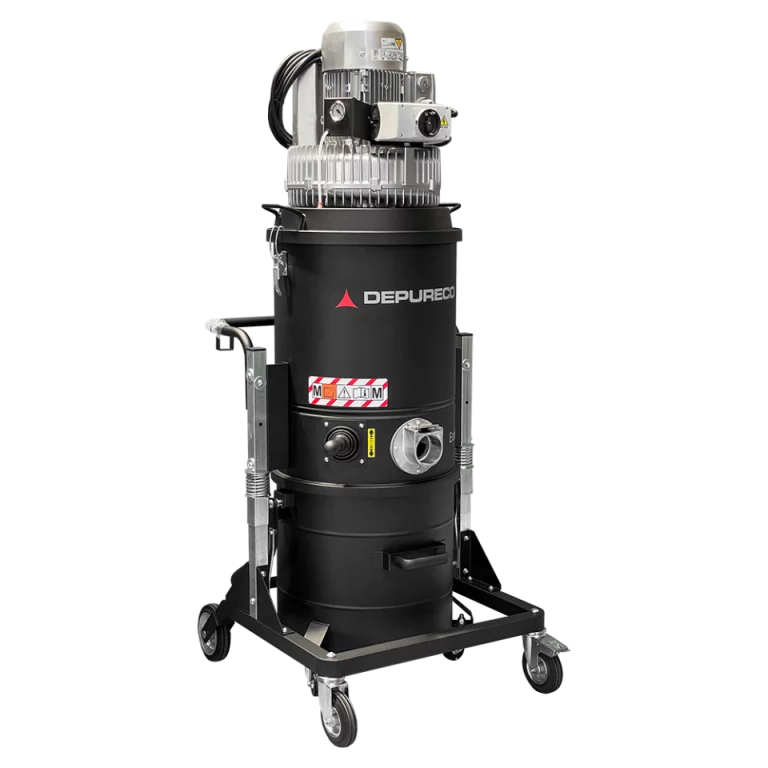
ECOBULL
Three-phase industrial vacuum with side-channel blower suction, 247 CFM airflow, Class M star filtration, manual filter cleaning, HEPA H14 availability, and a 26-gallon bin.
M100 TAN

CYCLONIC DUST & SOLIDS VACUUM
Single-phase industrial vacuum with three by-pass motors, tangential cyclone inlet, M-Class filtration, manual filter cleaning, and a 26-gallon bin for dust, chips, shavings, and mixed dry debris.
COMPACT DUST & SOLIDS WORKHORSE
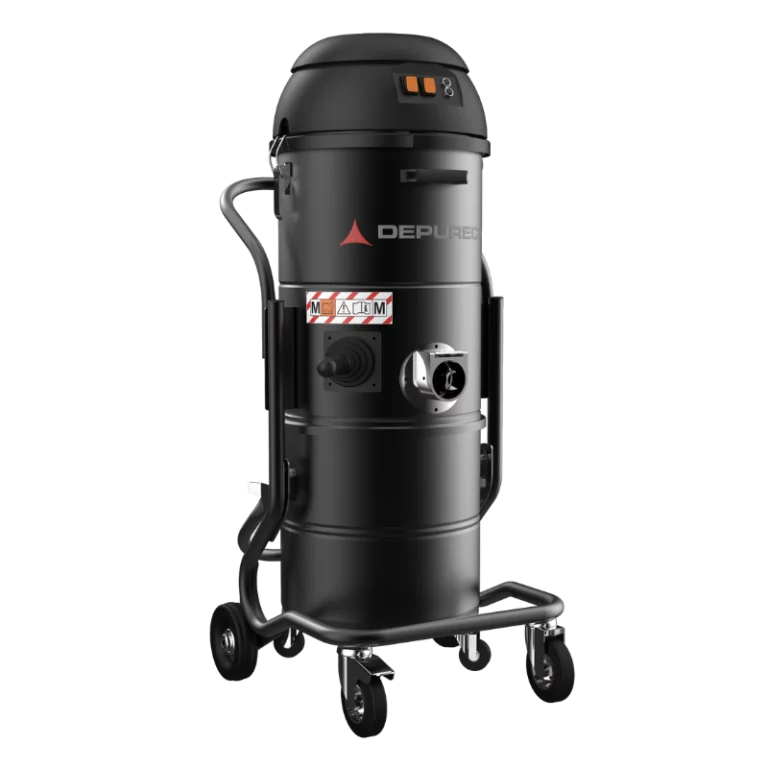
MINIBULL
Compact single-phase industrial vacuum for dust, solids, powders, chips, and production cleanup with dual by-pass motors, Class M star filtration, manual filter cleaning, and a 12-gallon bin.
TX HEAVY-DUTY INDUSTRIAL VACUUM
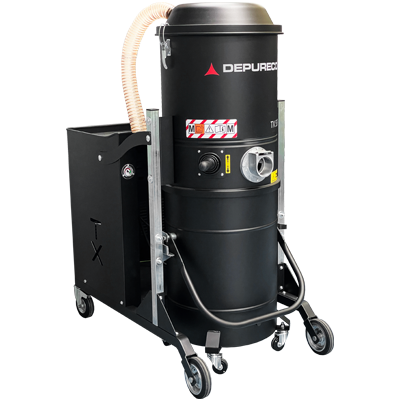
TX
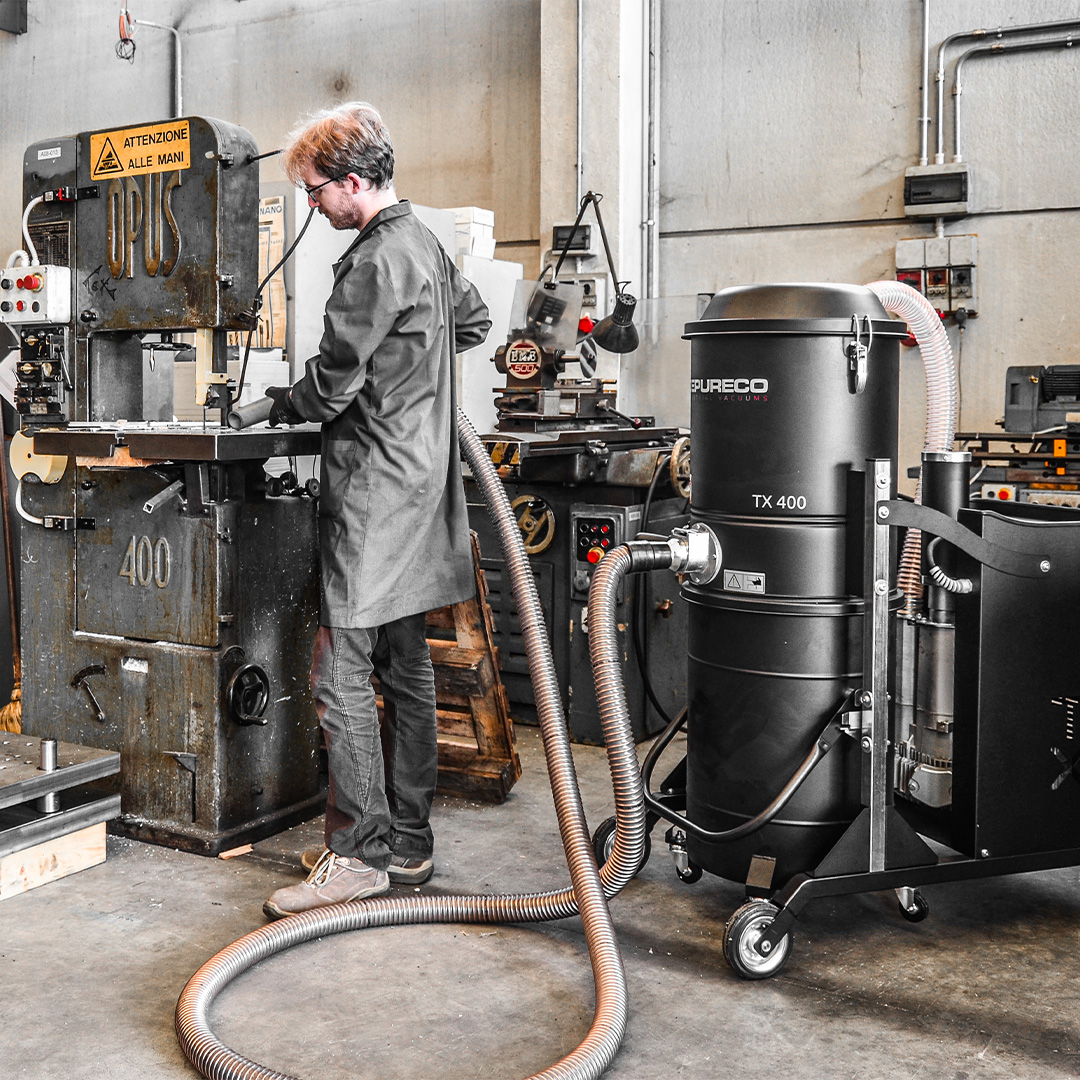
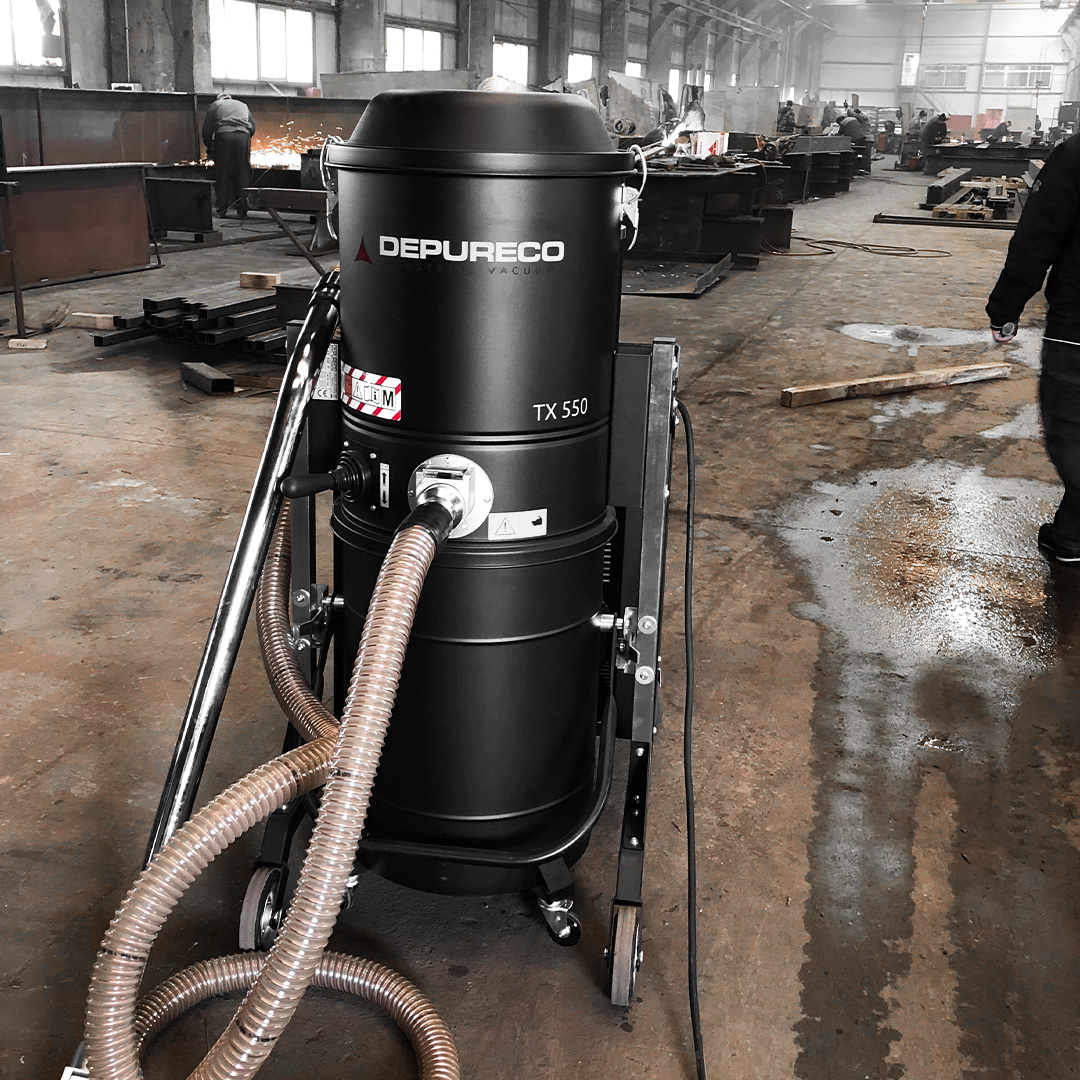
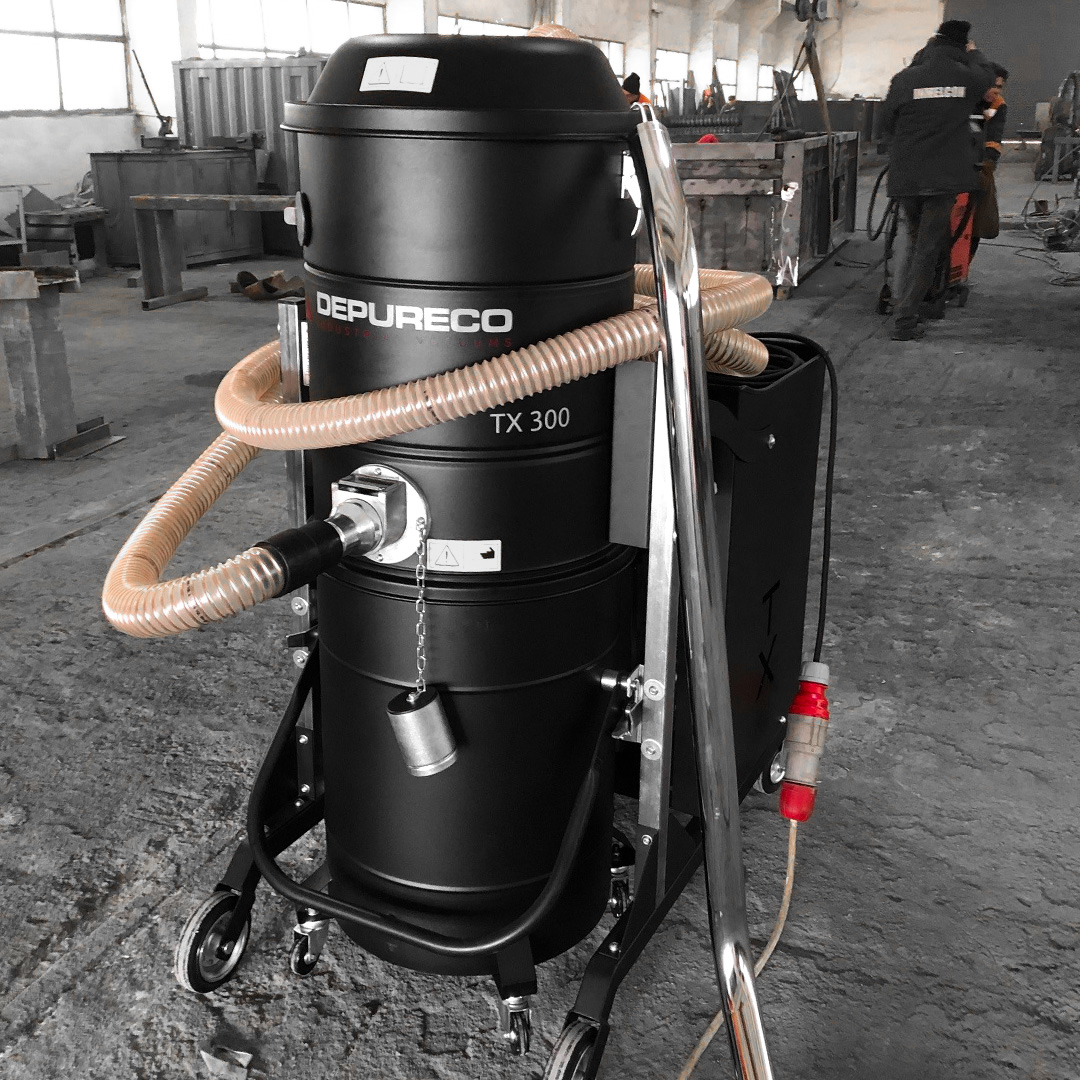
Mobile three-phase industrial vacuum for continuous-duty dust, solids, chip, swarf, abrasive media, and production-floor cleanup with side-channel blower suction and a detachable 26-gallon bin.

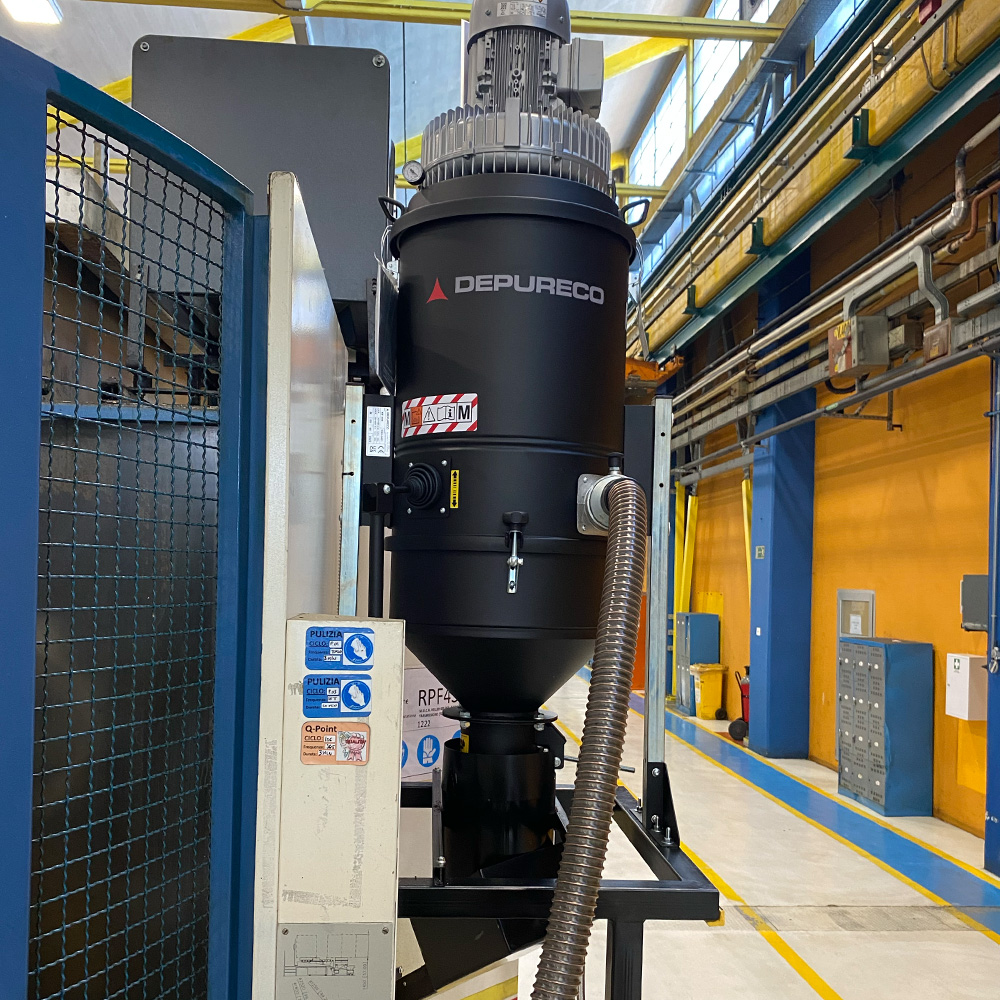
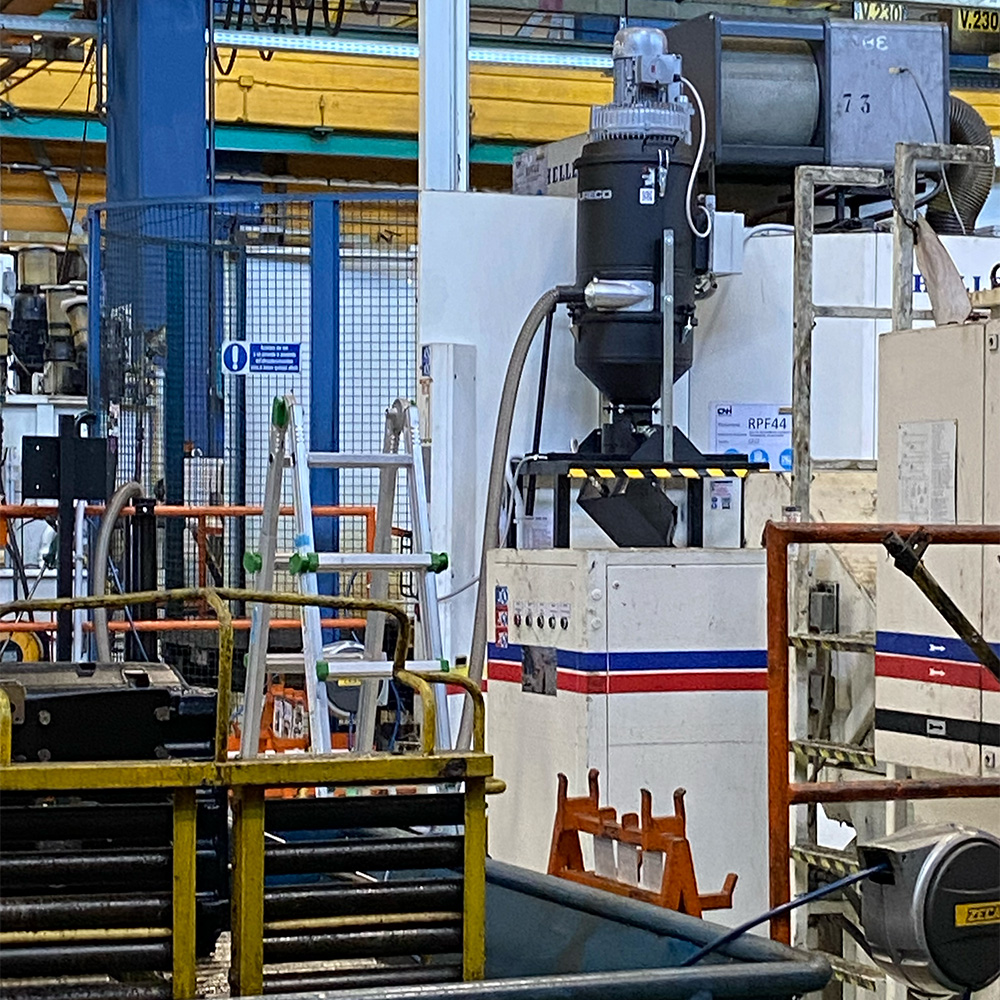
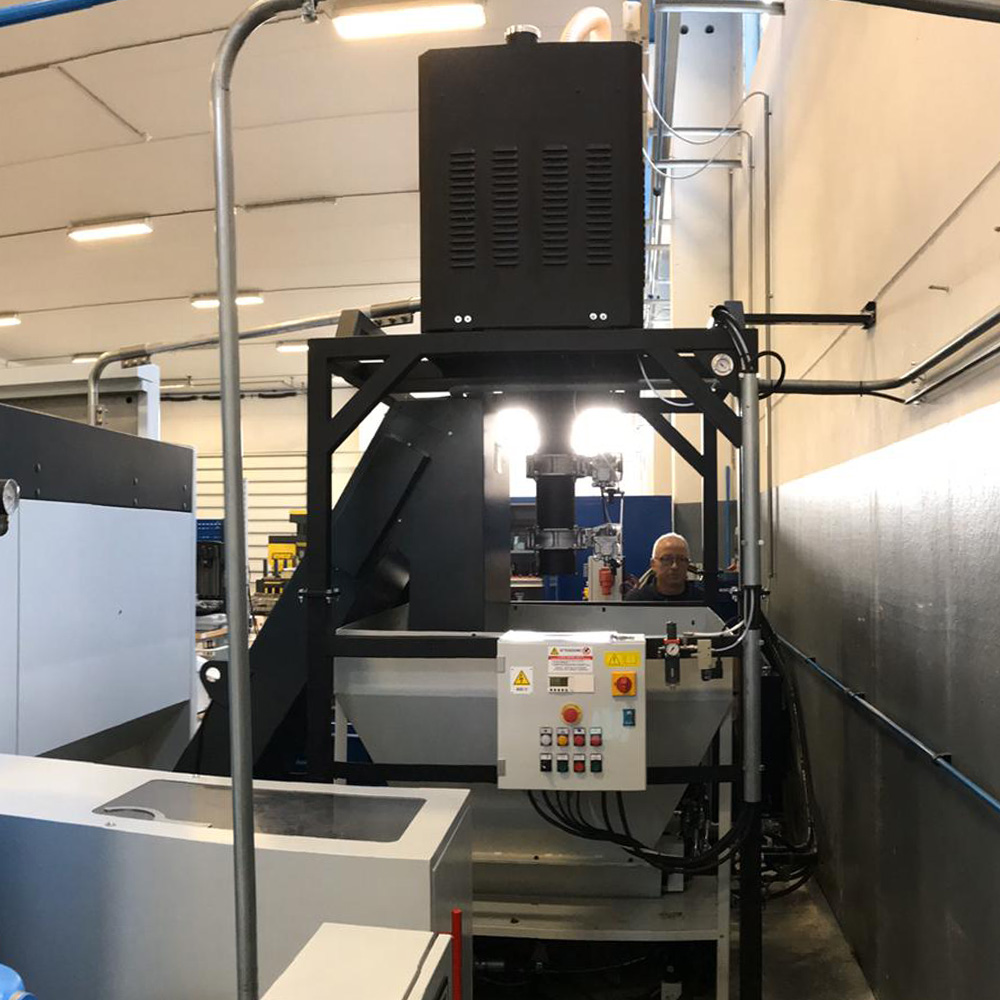

FIXED MACHINE-SIDE CHIP COLLECTION
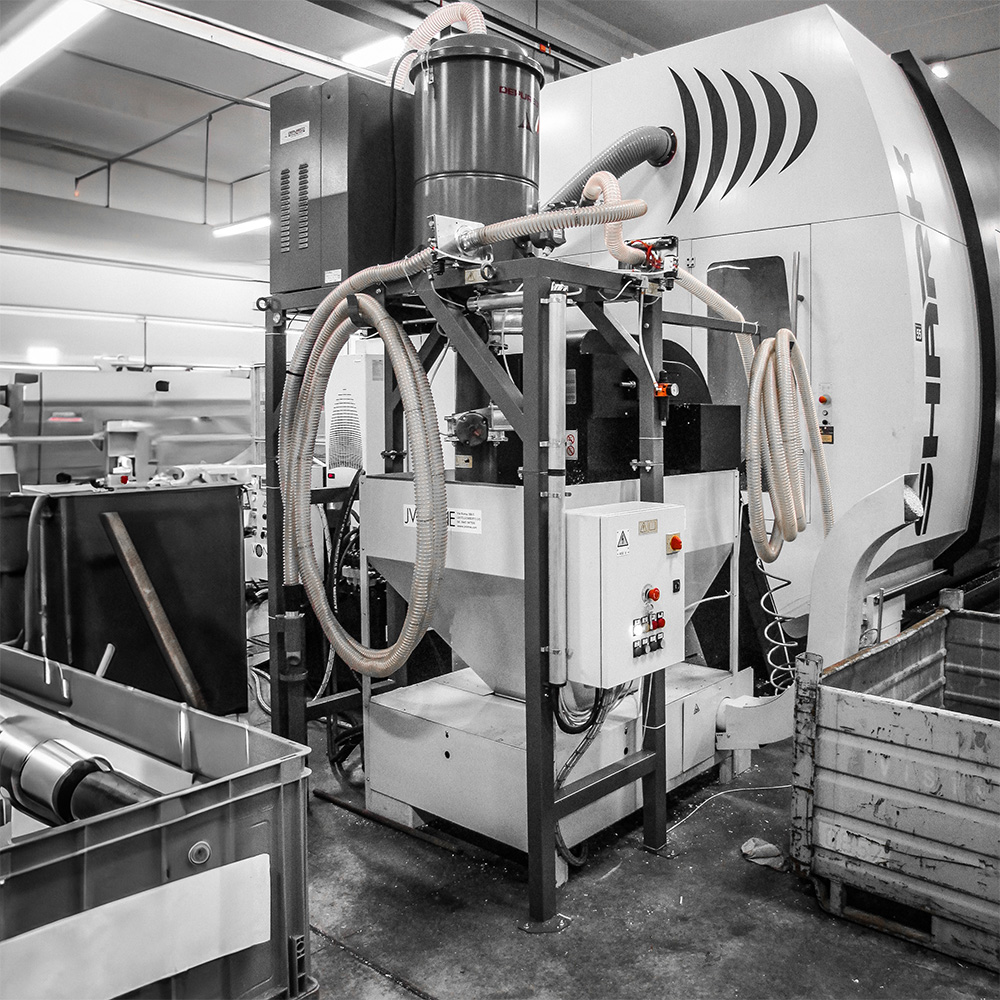
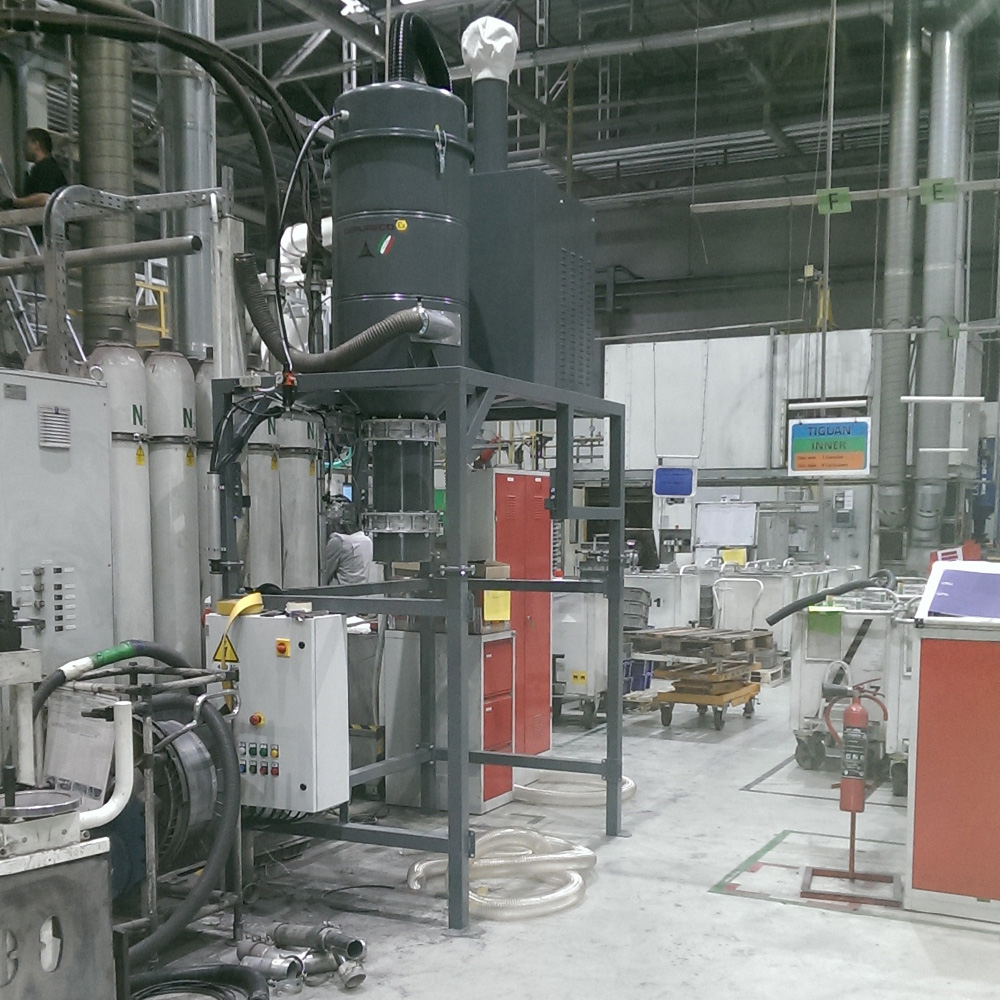
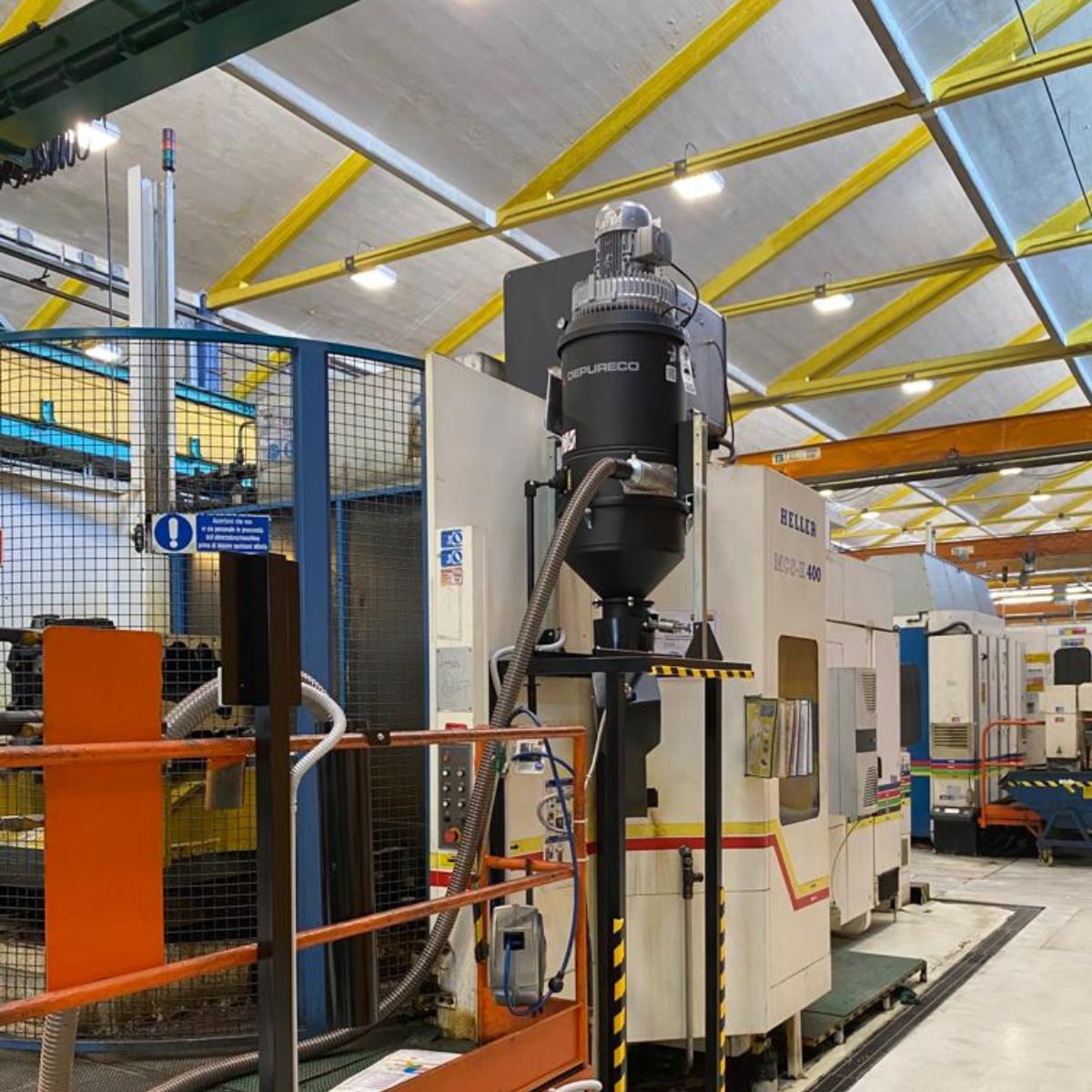
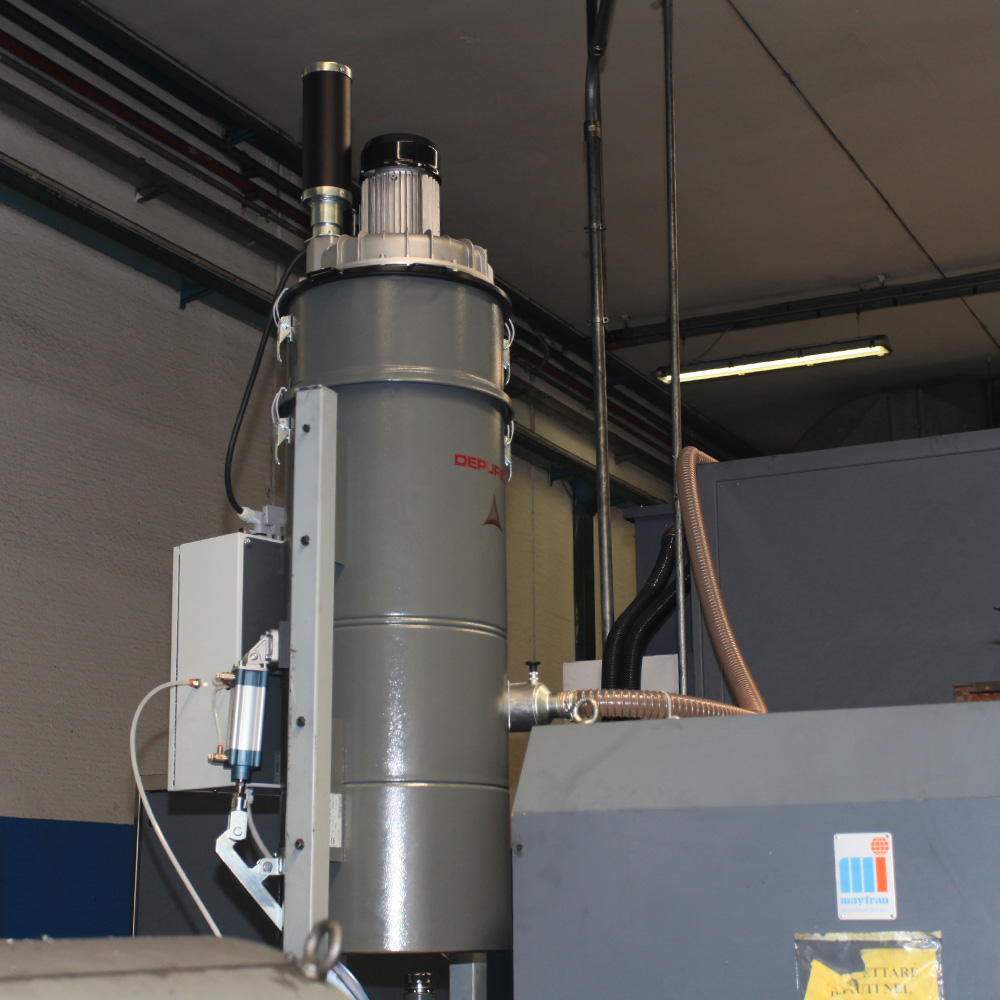
Stationary Chip Vacuums for Dedicated CNC Processes
Position suction and discharge around the process so collected chips only need to move once.
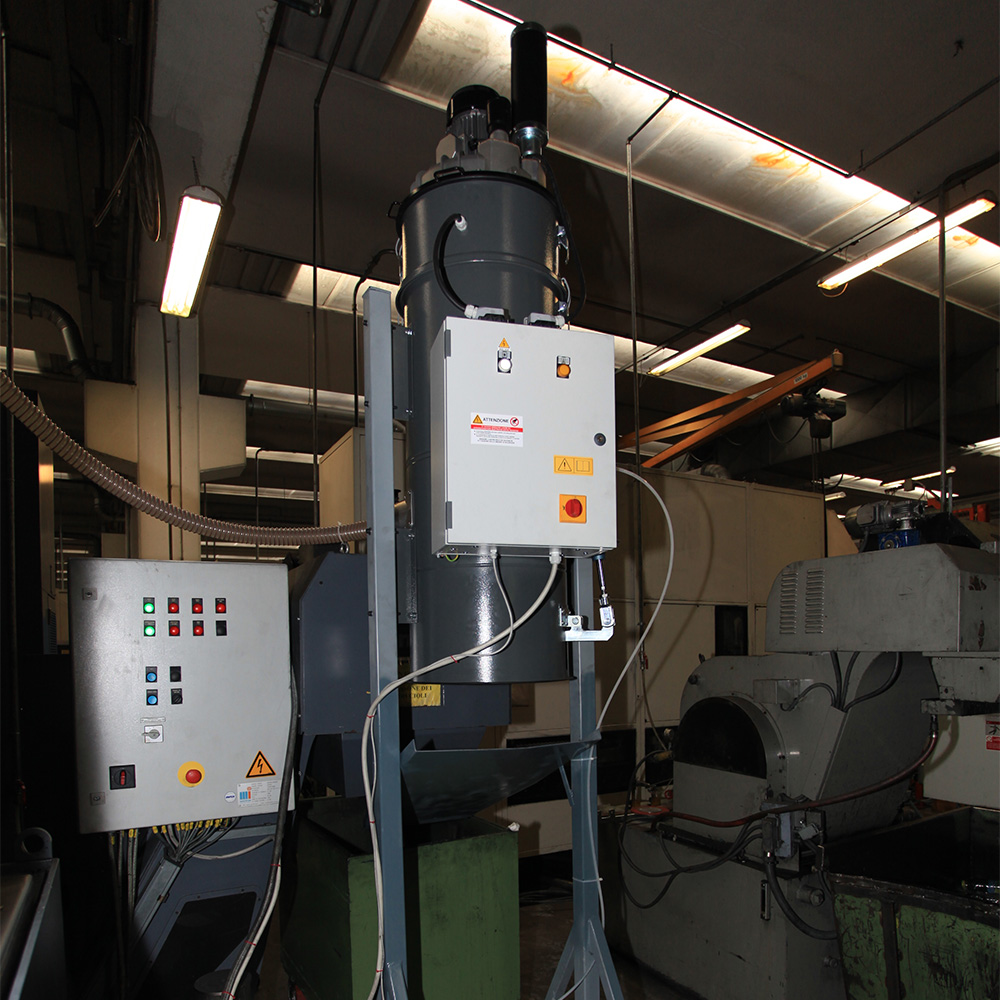
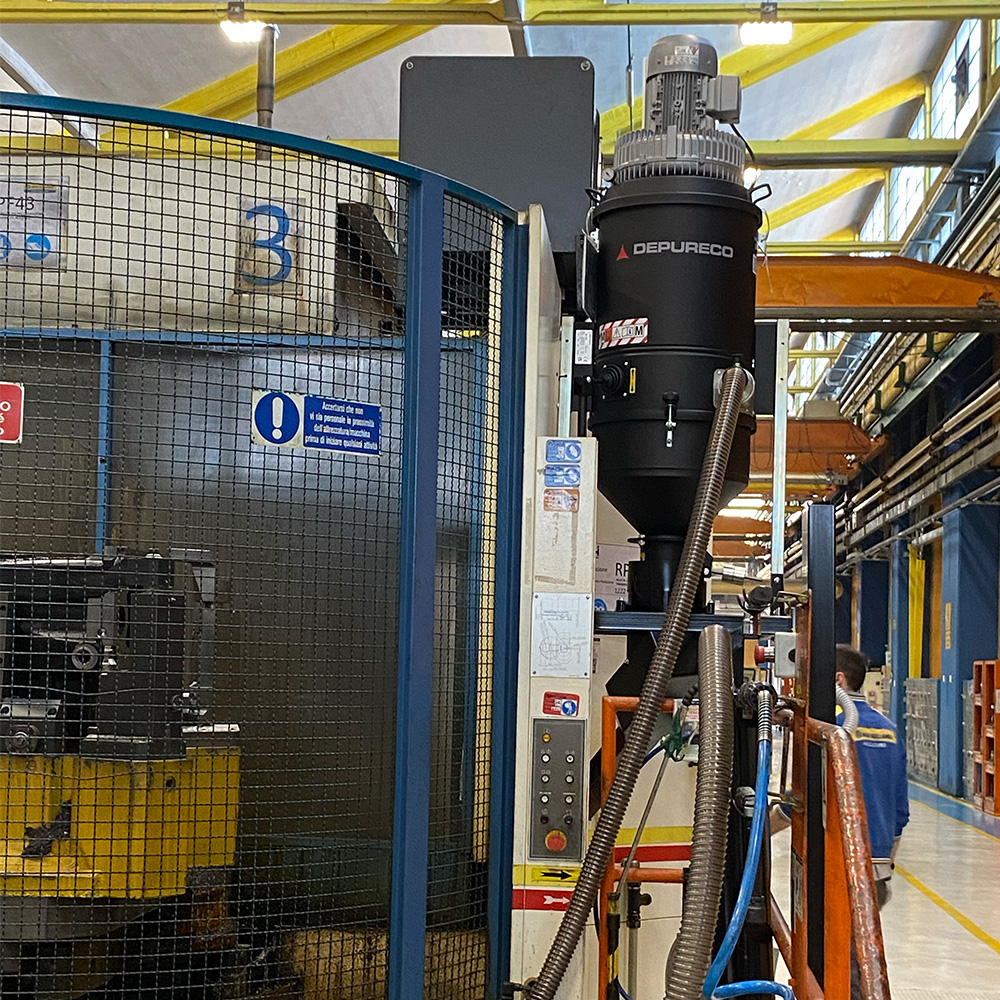
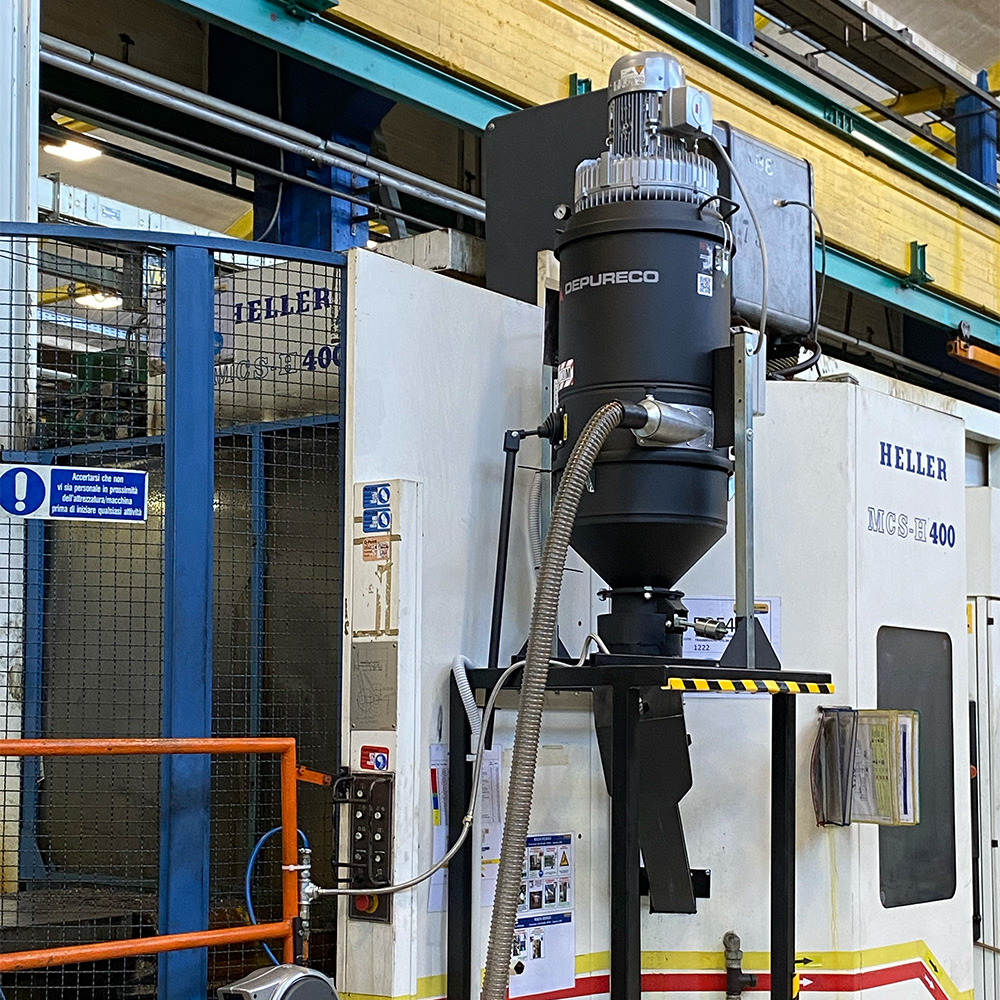
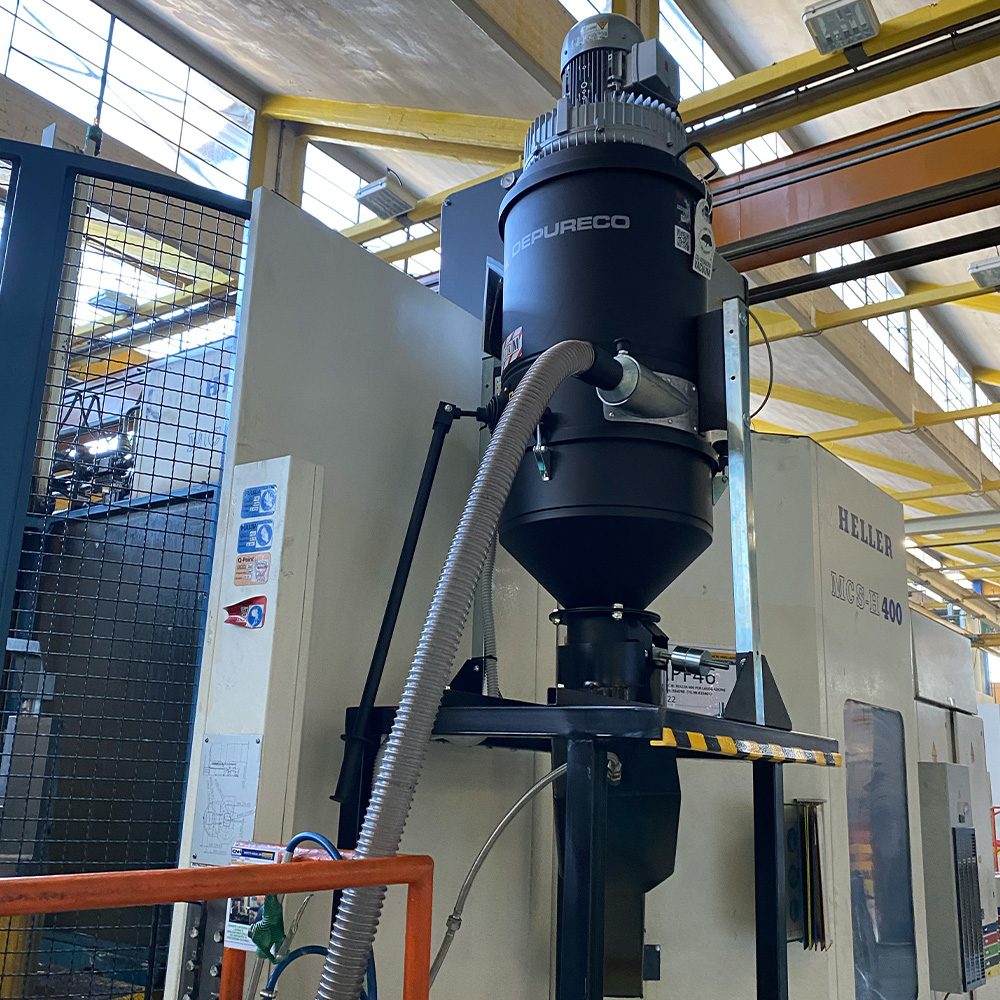
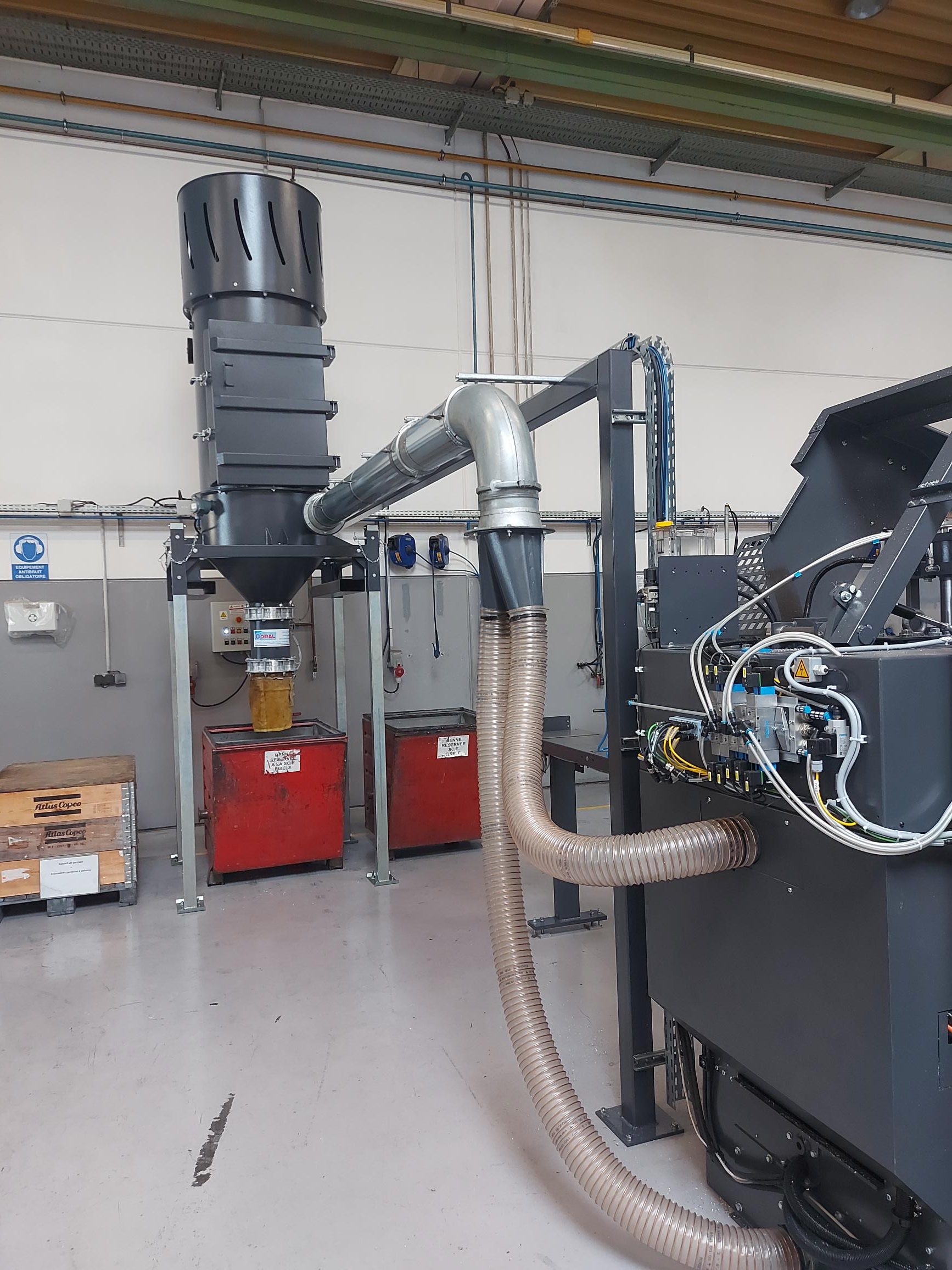
When chips repeatedly collect at the same machine, conveyor or part-cleaning station, a stationary vacuum can become part of the production workflow. Fixed positioning provides consistent suction without moving equipment between cells, while three-phase side-channel blowers support longer operating cycles and repeatable chip removal.
Stationary systems can collect dry chips, shavings and swarf from machine enclosures, fixtures, finished parts, guarding and localized pickup points. The piping, inlet, filtration and discharge method should be selected around the actual chip geometry and production cycle.
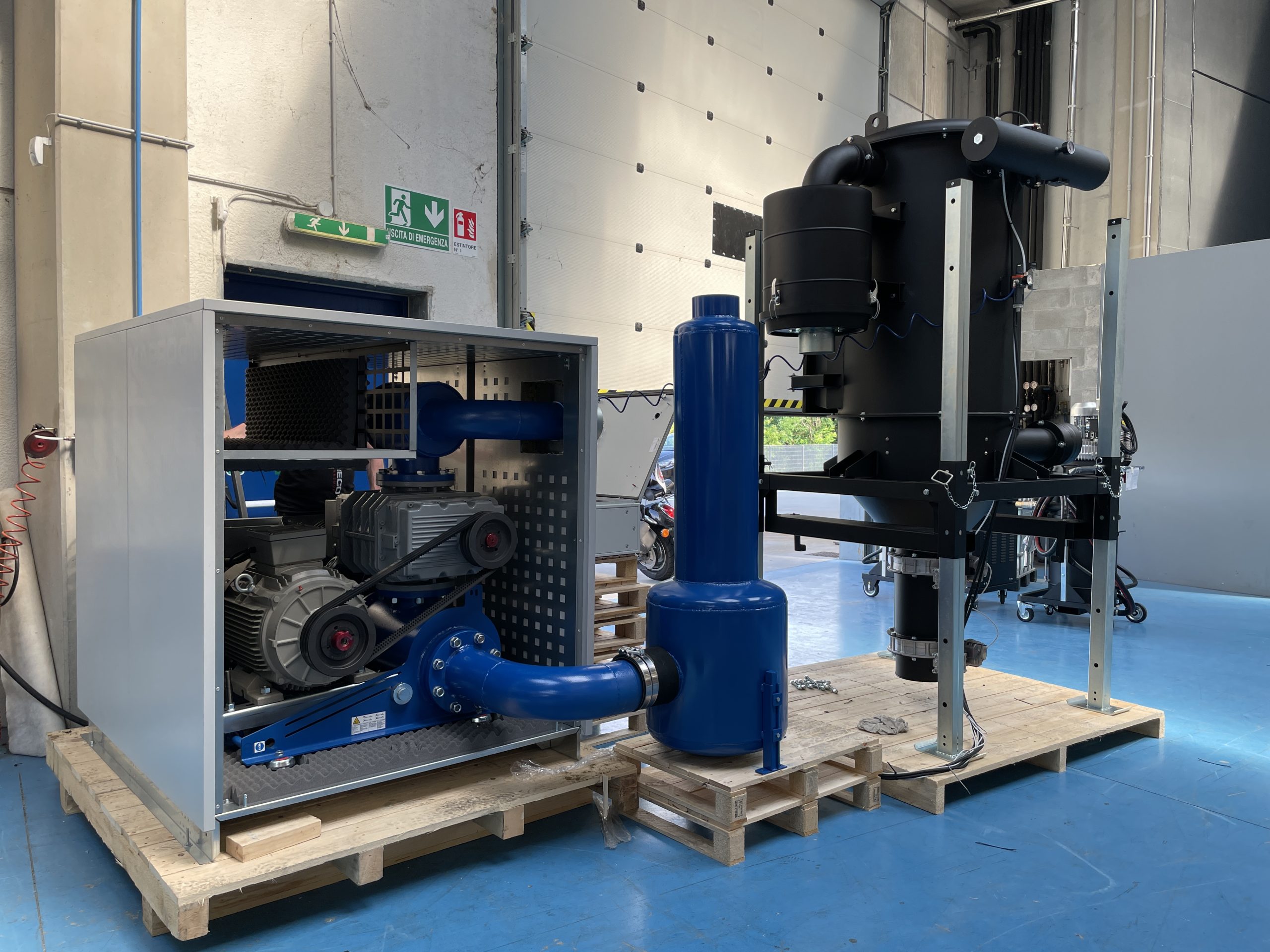
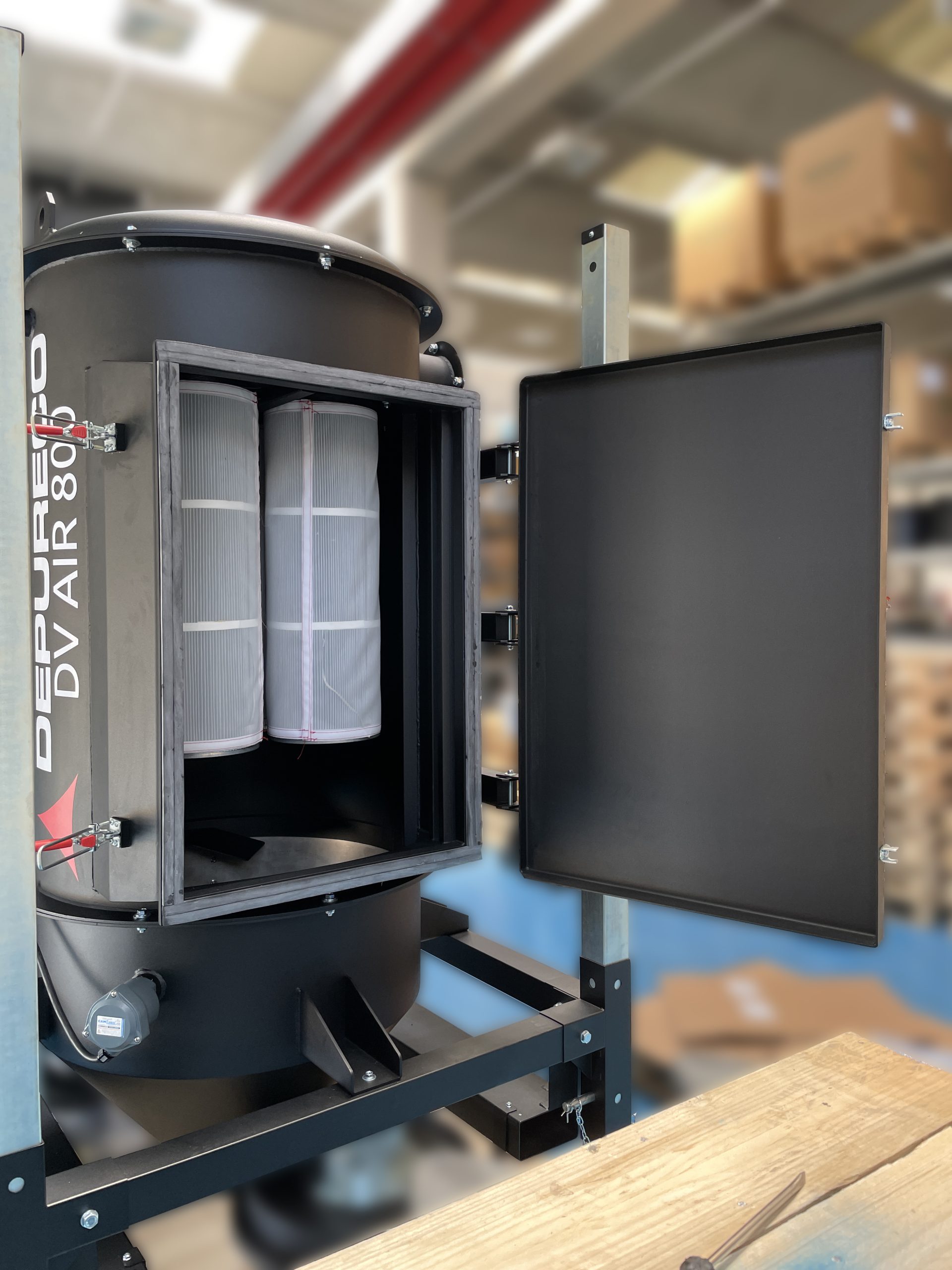
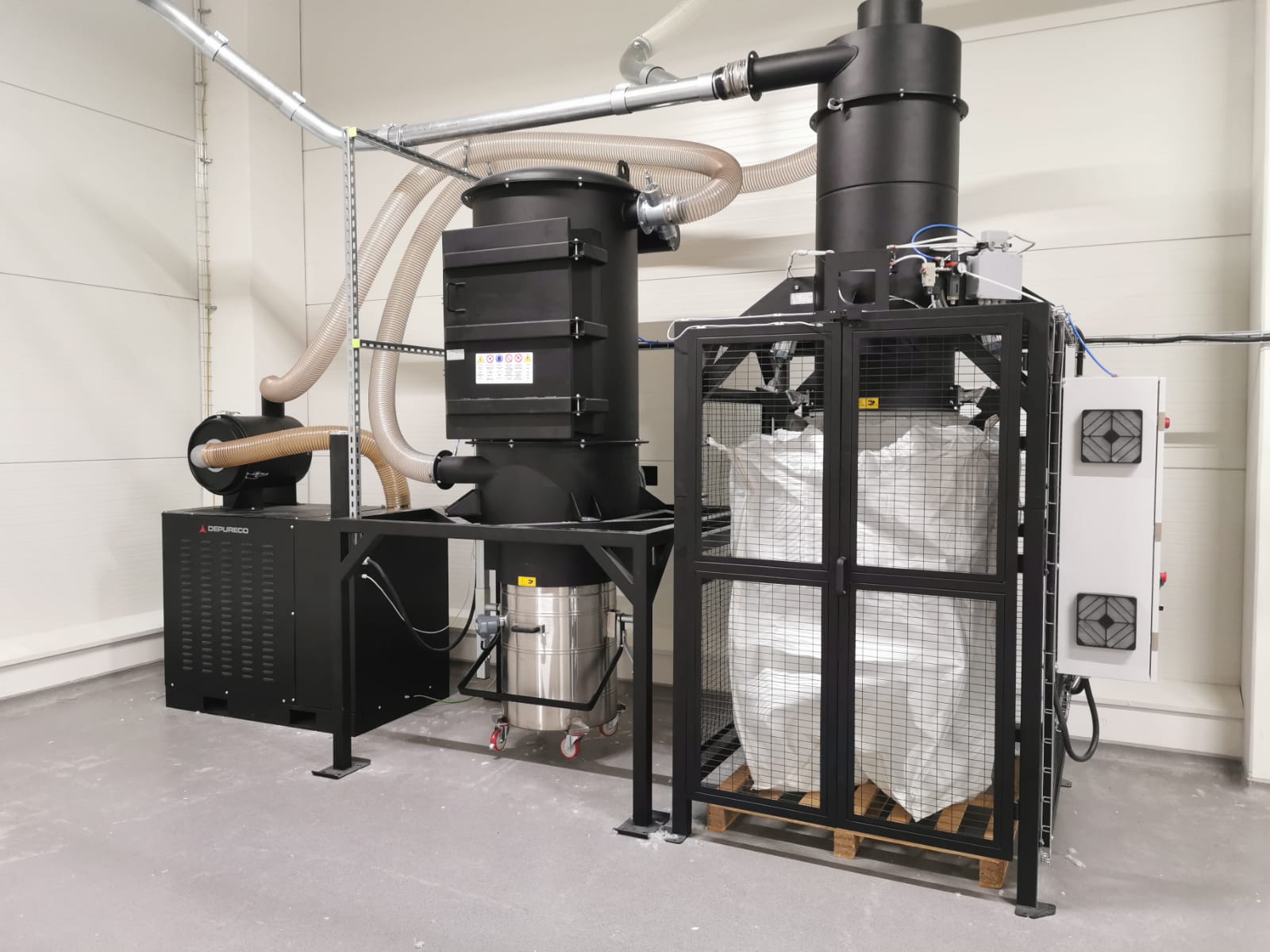
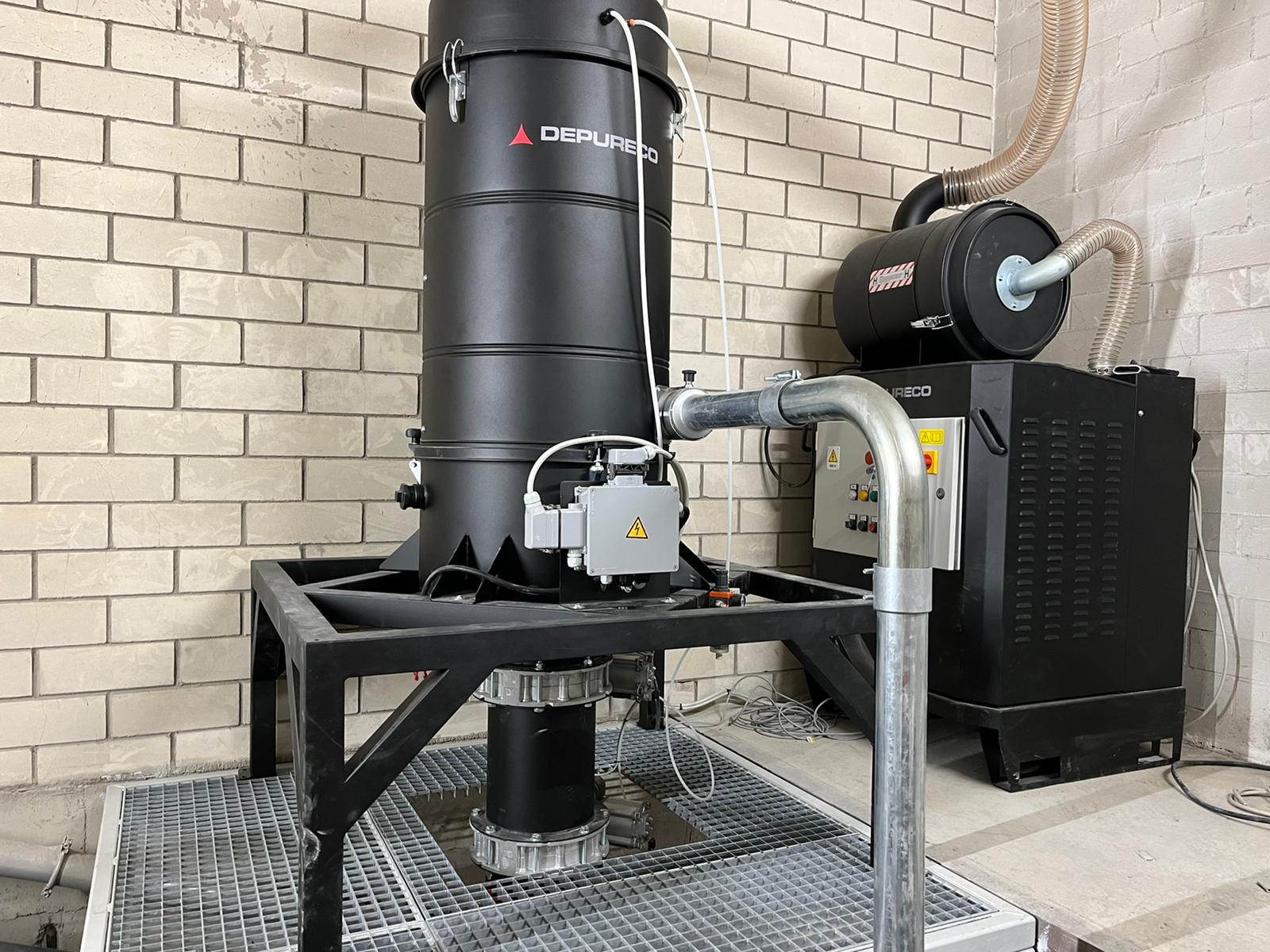
Stationary chip vacuums are designed for fixed-position industrial vacuuming next to CNC machines and other high-output machining equipment where continuous-duty operation matters more than mobility. These systems are commonly used to remove metal chips, shavings, and swarf directly from machining zones, guarding, conveyors, collection points, and finished parts before the material spreads through the cell. Common search terms include stationary chip vacuum, fixed industrial vacuum for metal chips, CNC machine vacuum system, continuous-duty swarf vacuum, and industrial vacuum for machining cells. Stationary vacuums are often selected when shops need stronger duty cycles, more consistent suction, easier discharge options, and cleaner integration with a specific machine or process.
FIXED-PIPE VACUUM POWER FOR MULTI-POINT CLEANUP
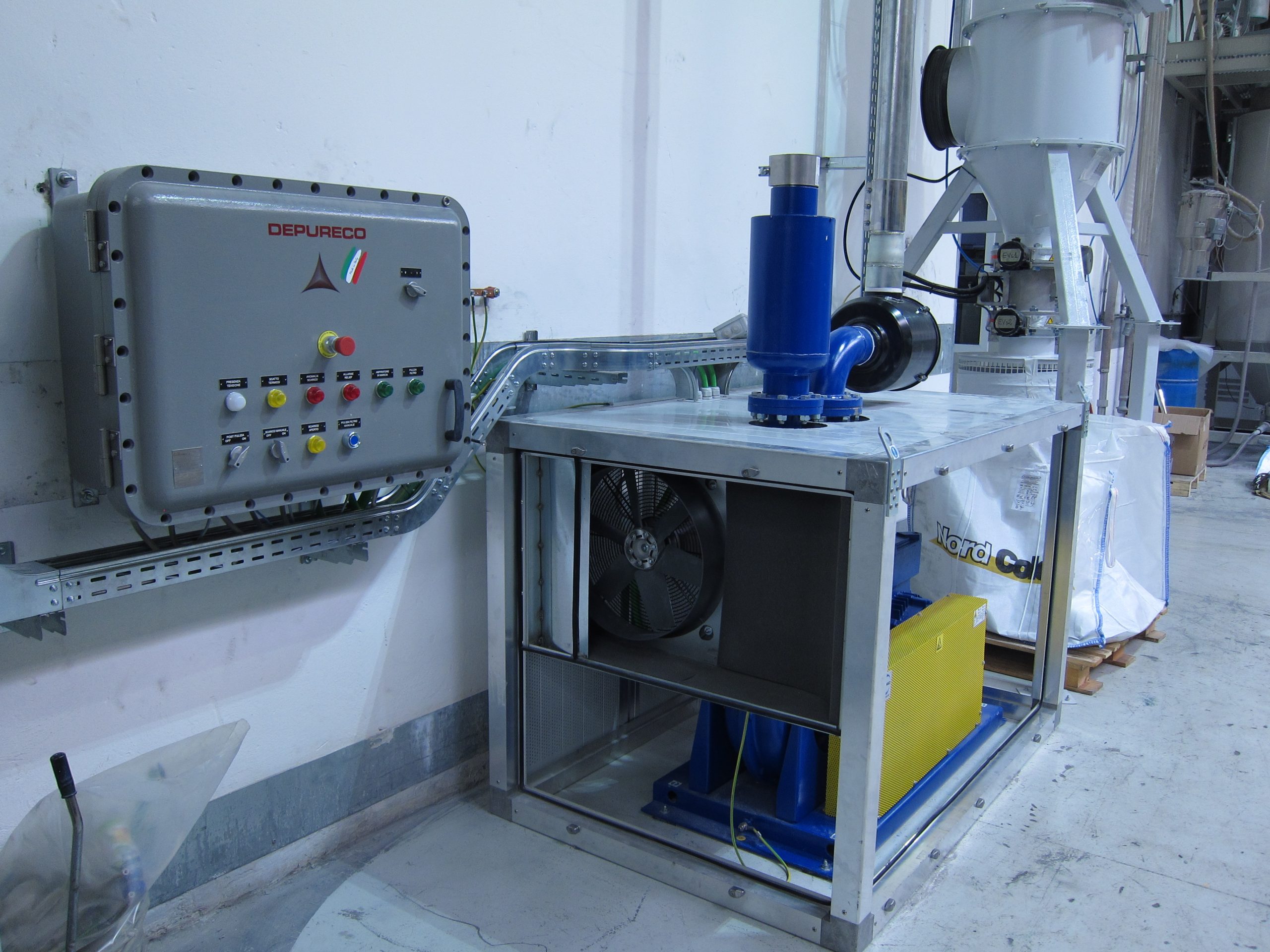
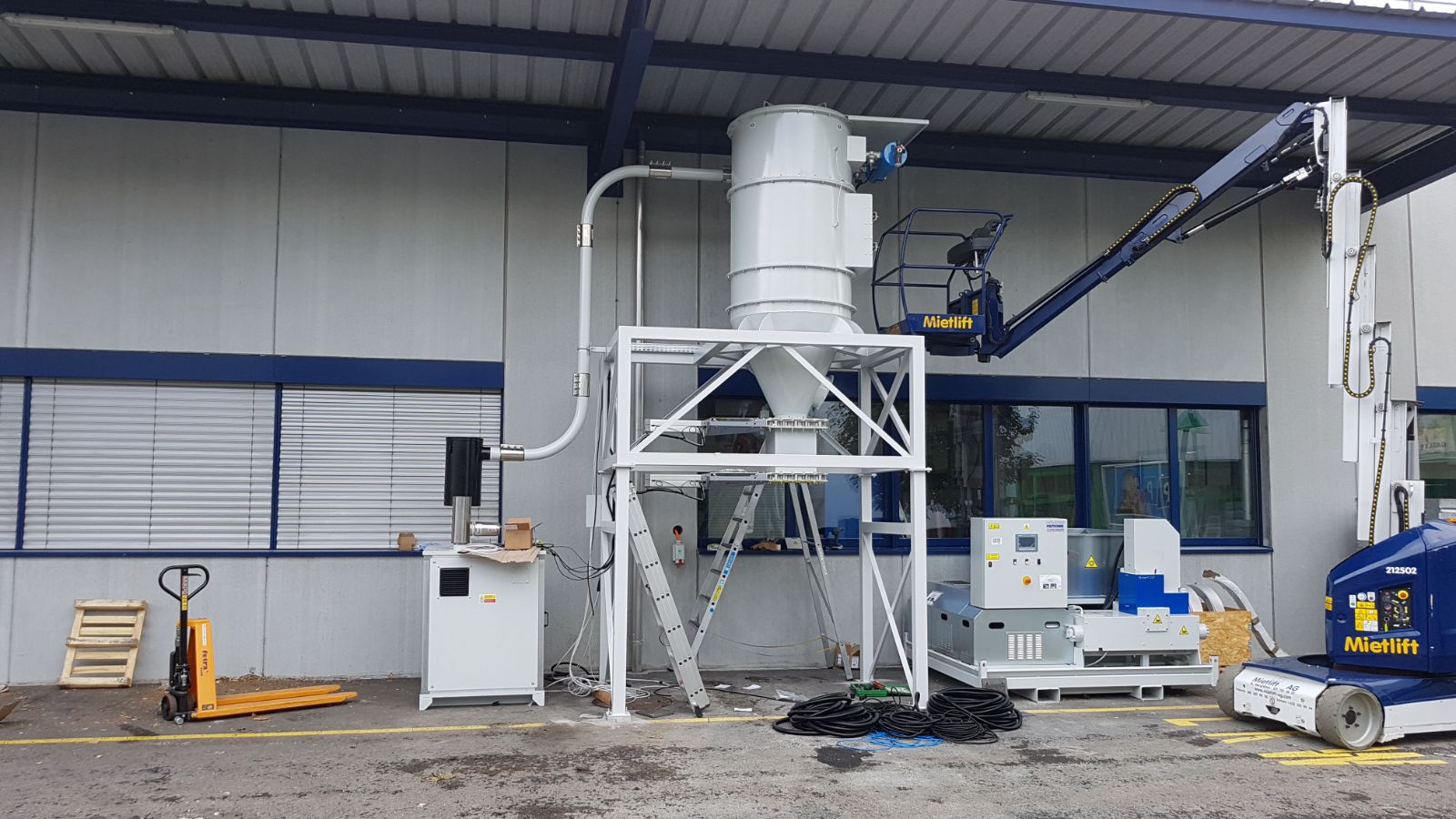
HF
Stationary central vacuum unit for engineered fixed-pipe systems, multi-point cleanup, long-distance conveying, and process material recovery, with side-channel blower models from 6.5–30 HP.
FIXED DRY CHIP & SOLIDS RECOVERY
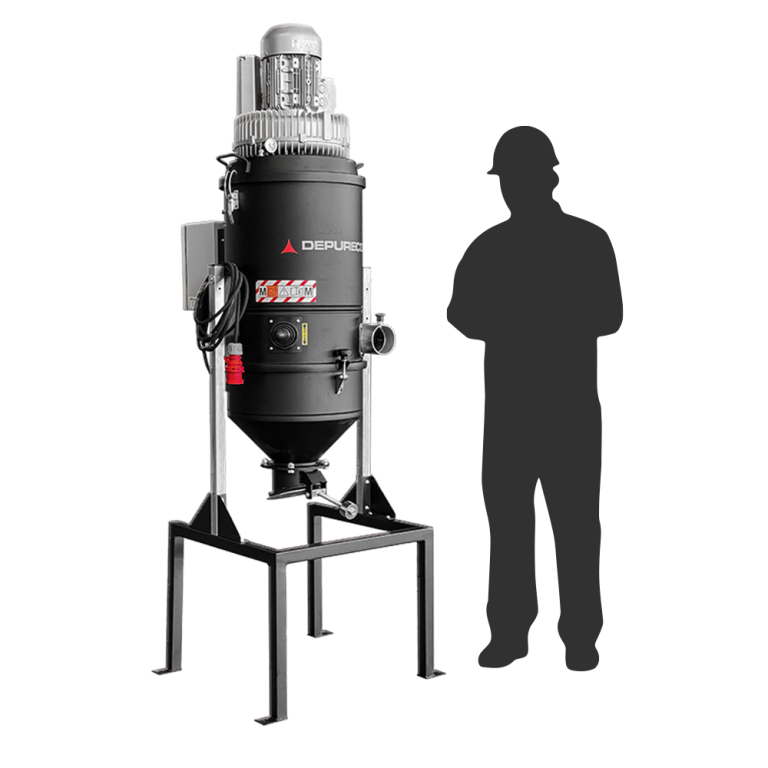
HF300
Three-phase stationary vacuum for fixed dry-chip, swarf, dust and solids recovery, with side-channel blower suction, M-Class filtration and configurable localized discharge.
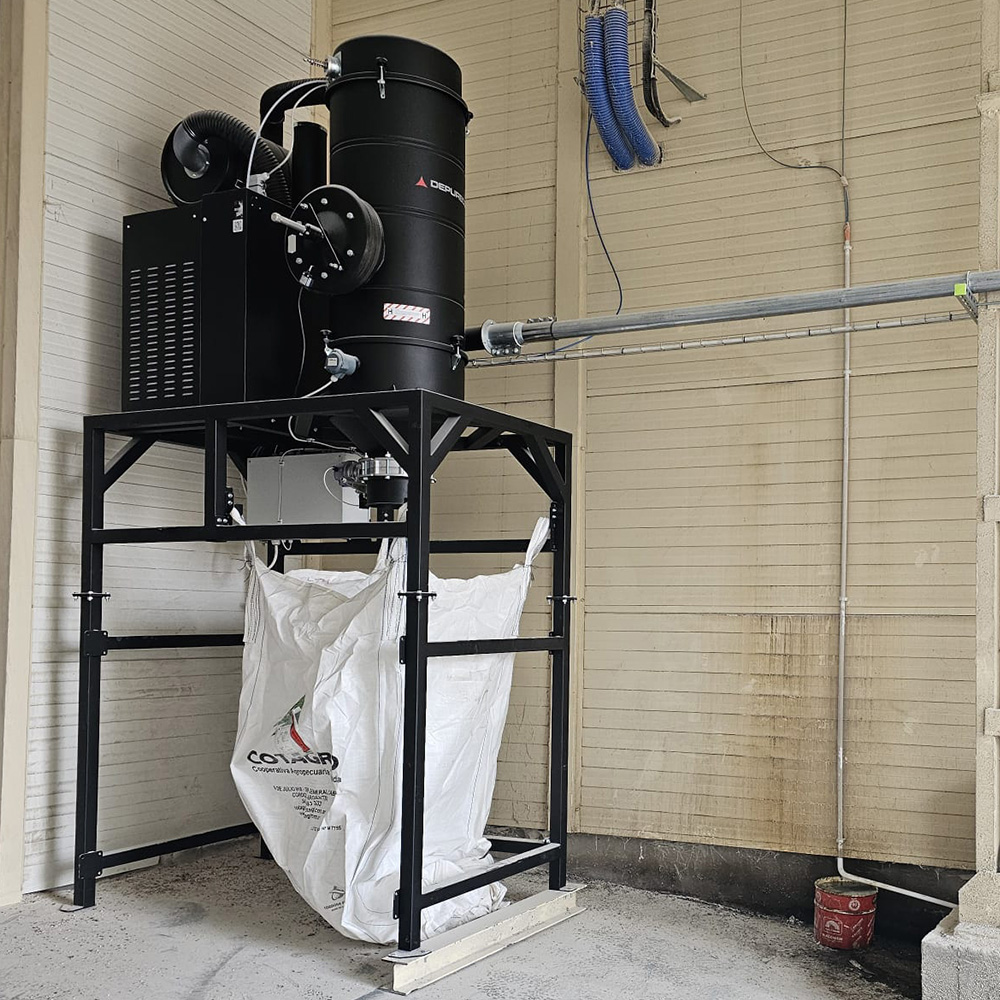
PUMA FIX STATIONARY CENTRAL VACUUM MODULE
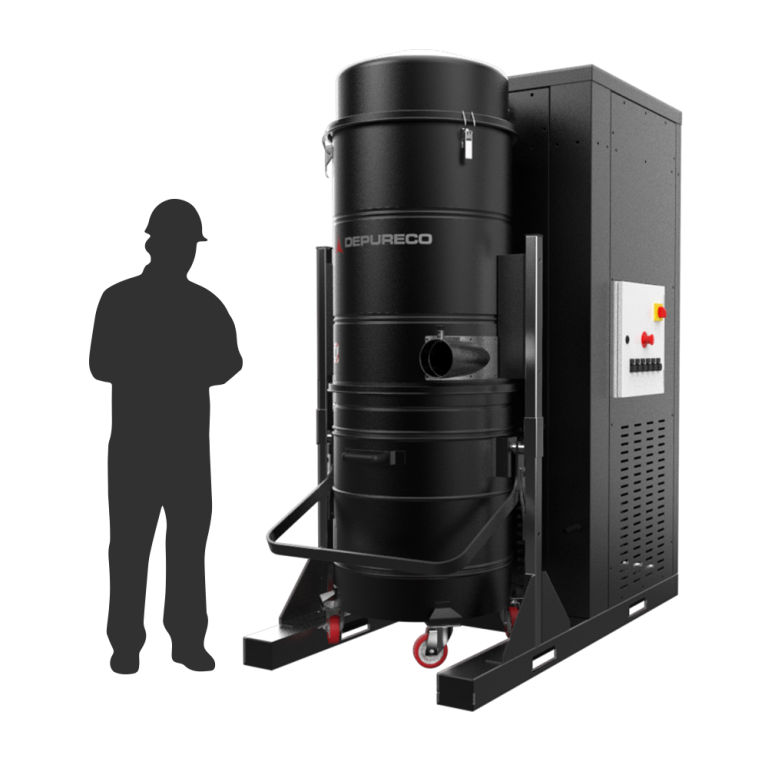
PUMA FIX
Fixed high-airflow central vacuum power unit with side-channel blower performance, automatic reverse-jet filter cleaning, remote electrical panel, and a 46-gallon collection bin for permanent piping systems.
MULTI-MACHINE & PLANT-WIDE CHIP COLLECTION
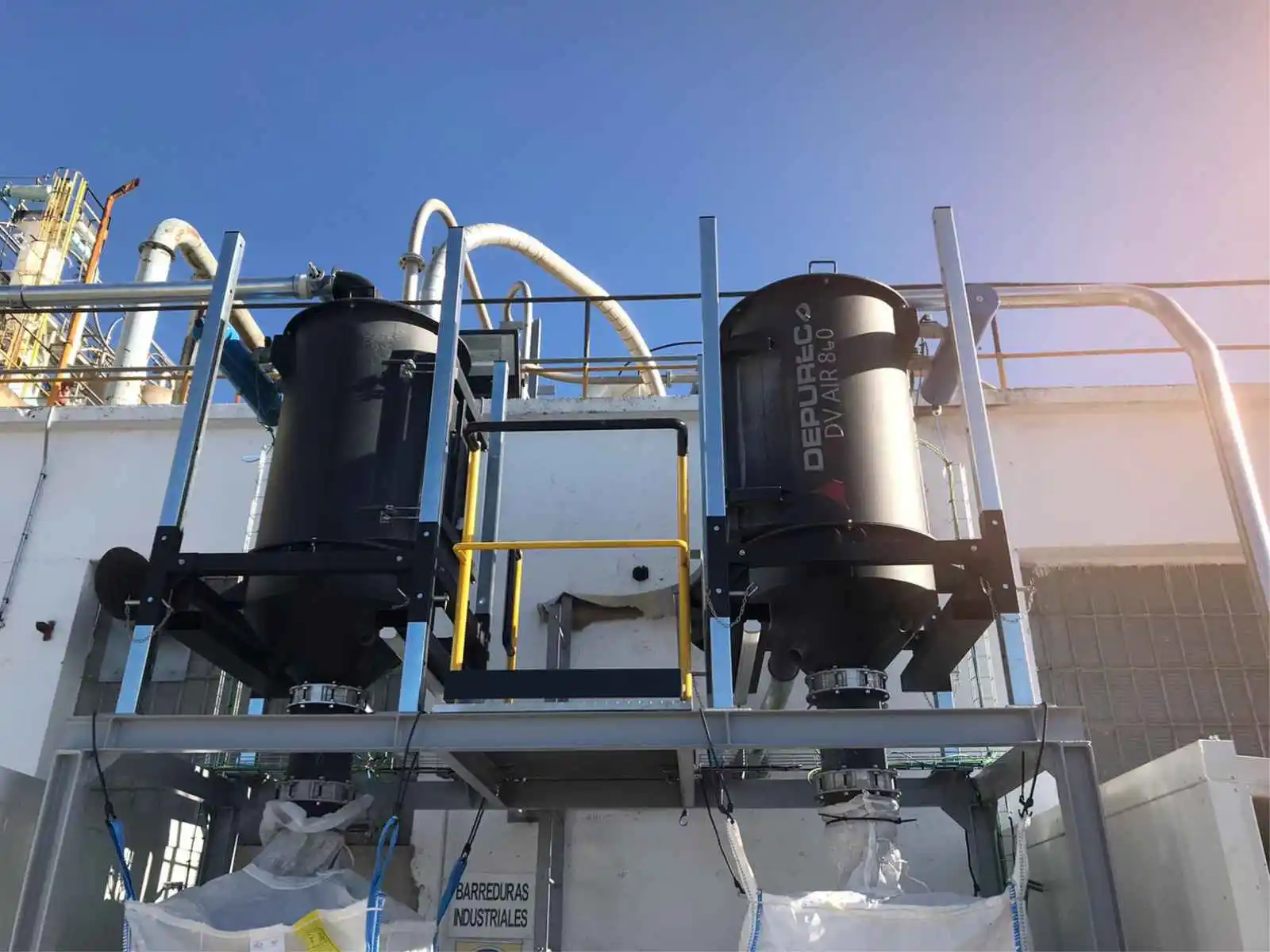
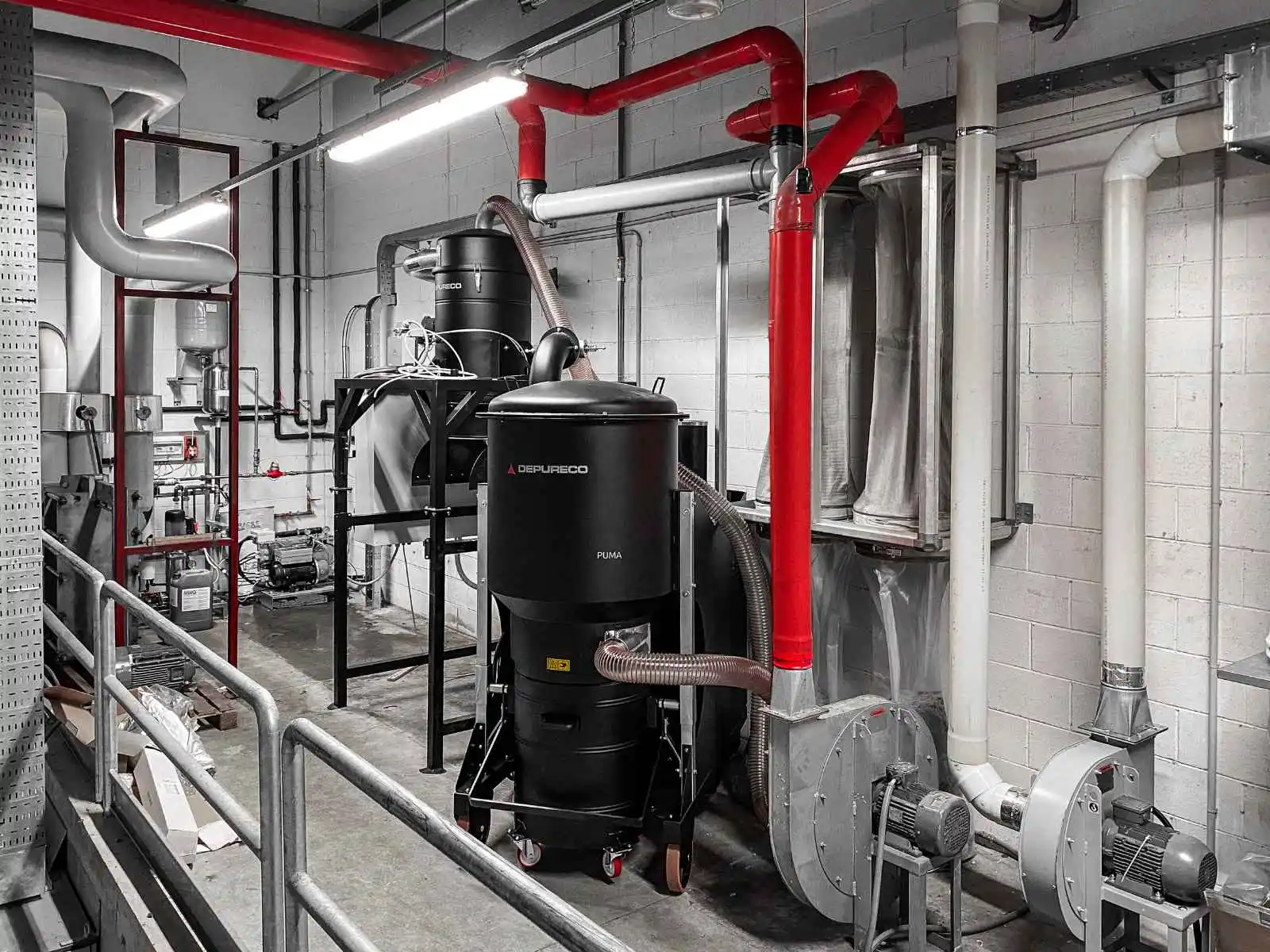
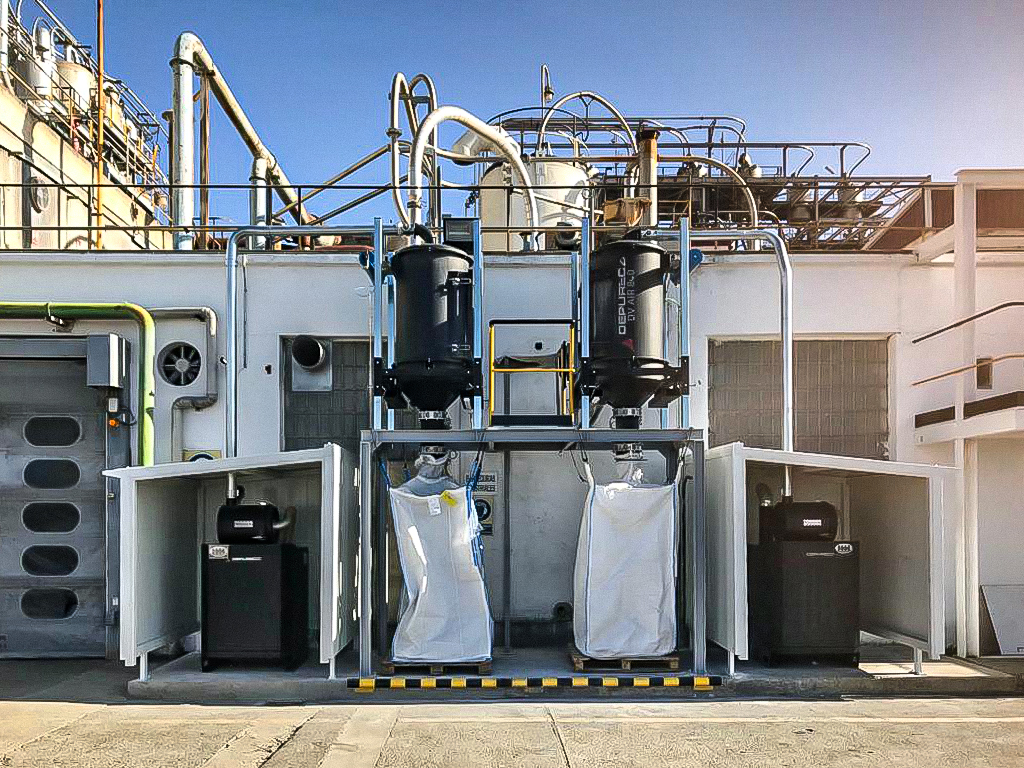
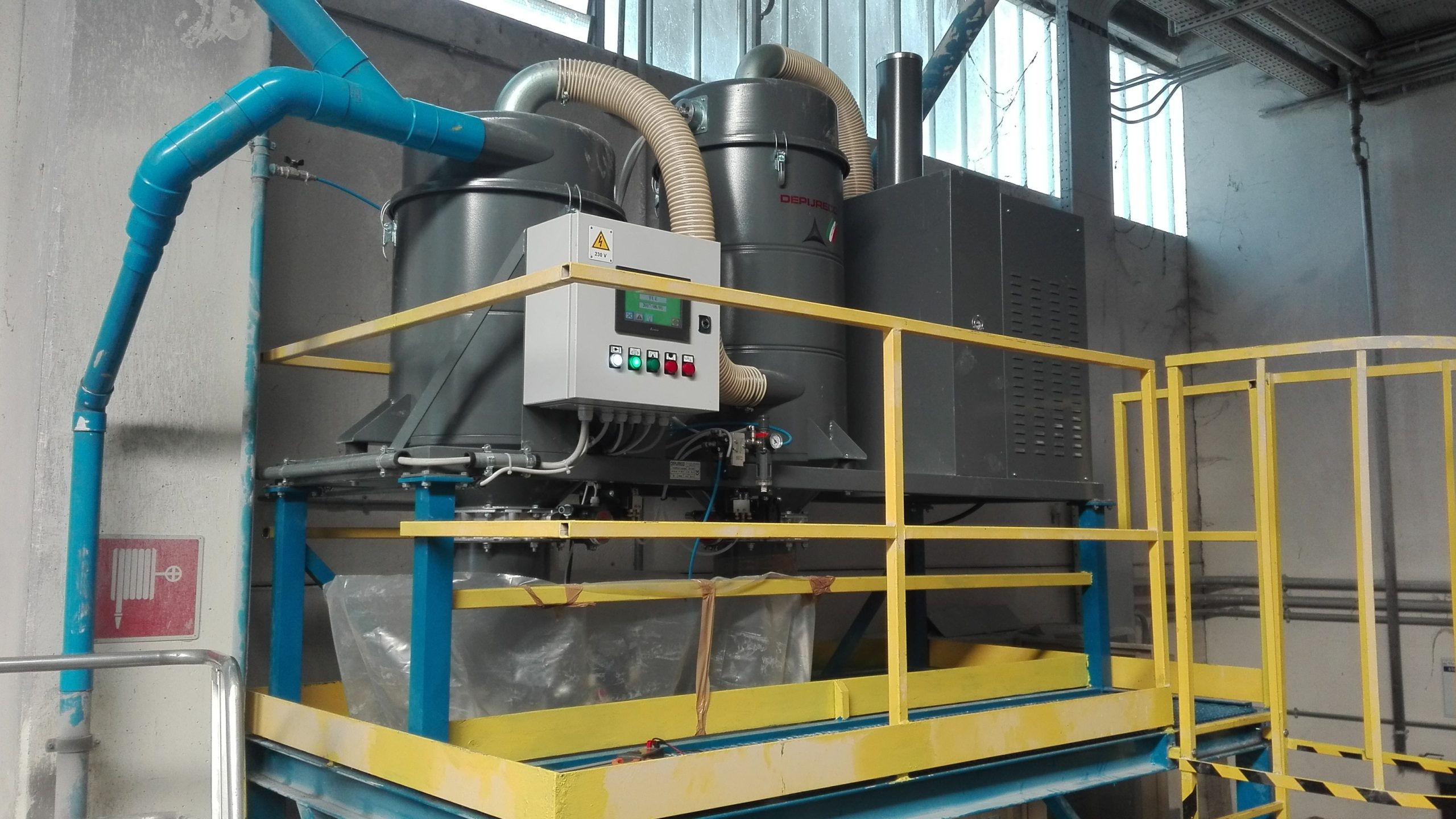
Central Vacuum Systems for Metal Chips and Swarf
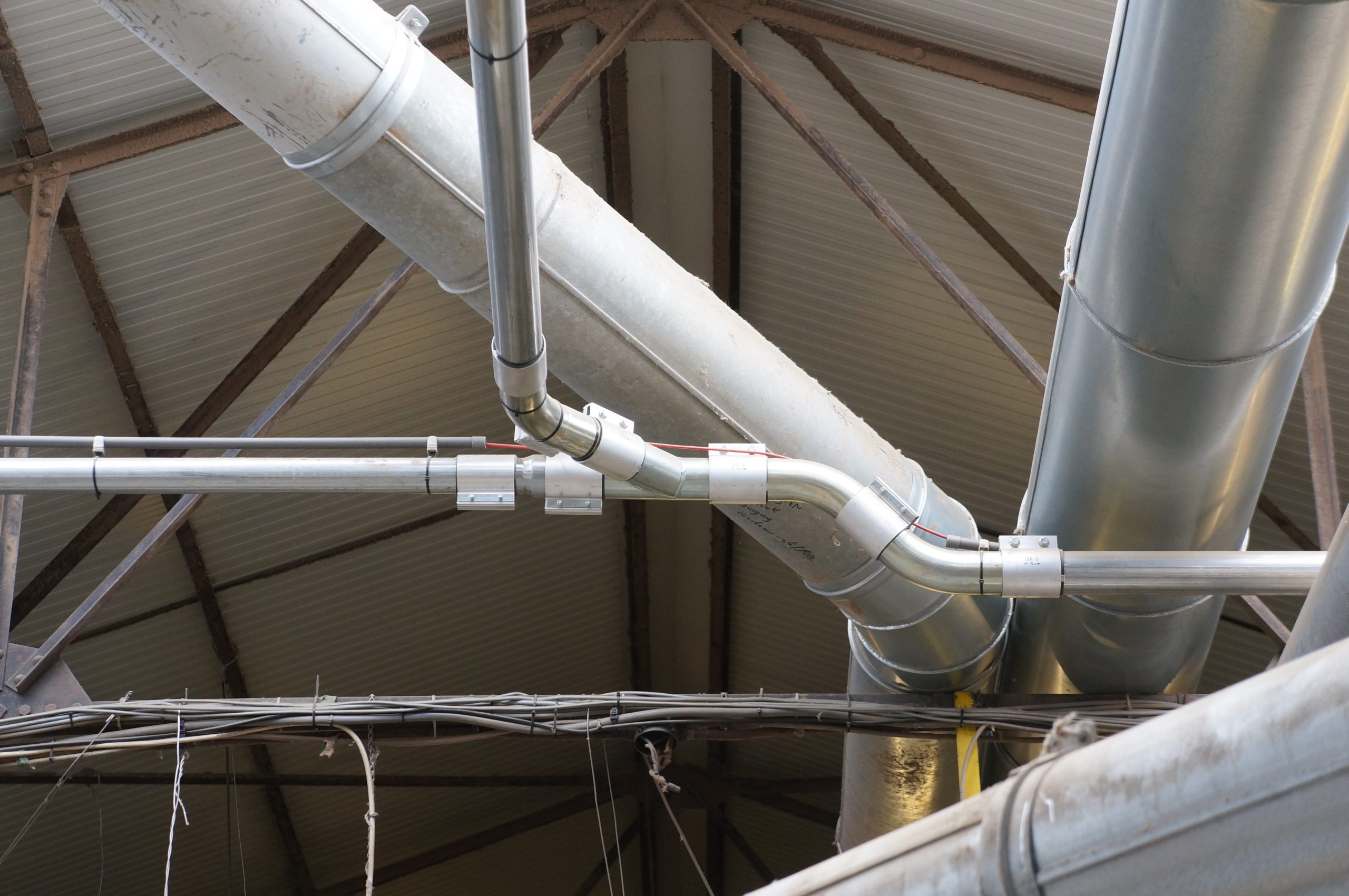
When operators repeatedly clean several CNC machines, production cells or housekeeping routes, a central metal chip vacuum system can replace mobile-unit traffic with fixed piping and strategically located suction points.
A properly engineered system can support machine-side pickup, flexible-hose drops, floor-cleaning points and centralized material collection. The suction unit, pipe diameter, separator, filtration and discharge arrangement are selected together around the chips and facility layout.
- Centralized piping system with multi-point suction
- Handles high chip volumes across the entire shop
- Rugged build for continuous, industrial operation
Central vacuum systems for metal chips are used in larger machine shops and manufacturing plants where several machines, operators, or cleanup points must be served by one piped industrial vacuum network. These systems support centralized collection of metal chips, shavings, swarf, and machining debris across multiple CNC machines, transfer points, and work areas while reducing the need for several stand-alone vacuums. Common search terms include central chip vacuum system, centralized vacuum system for machine shops, plant-wide metal chip vacuum, industrial central vacuum for swarf, and multi-point chip extraction system. Central systems are often the best fit when chip volume is high, machines are spread out, or a facility wants cleaner infrastructure, easier housekeeping, and one engineered solution sized around the full process.
TRUSTED BY















COMPLETE THE CHIP-RECOVERY SYSTEM
Match the Pickup Tools, Pre-Separation & Collection Method to the Metal Chips
COMPLETE TOOL PACKAGES

Metal Chip Pickup Tools & Hose Kits
PRE-SEPARATION & CAPACITY
Cyclones, Interceptors & Pre-Separators
BULK MATERIAL HANDLING

Forkable Tilting Collection Bin Attachment
Capture larger volumes of chips & swarf in a removable bin that can be moved by forklift and tilted for controlled unloading.
MATERIAL CONTROL

Custom Process & Filtration Components
Customize filters, separation stages, inlets, discharge parts and material-contact components around the particle size, liquid, process and required filtration outcome.
Related Sump Vacuum Posts & Case Studies
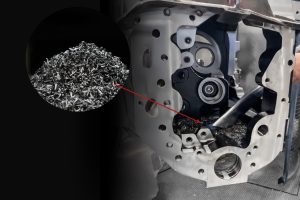
CASE STUDY – CENTRAL VACUUM FOR DRY METAL CHIPS
Discover how four Depureco HF 300 stationary vacuums collect dry metal chips from CNC-machined tractor gearbox blocks, protecting sensitive surfaces, preventing blockages, and keeping production running smoothly.

Vacuum Solutions for Briquetting Presses – Case Study
Case study showing how an industrial vacuum system collects metal chips from CNC machines and automatically feeds a briquetting press for efficient scrap handling.
REAL MATERIAL TESTING
Send Us Your Chips& Swarf. We’ll Test the Complete Setup.
Specifications can identify possible vacuum models. A real material test shows how the vacuum, hose, pickup tool, separator, filtration and collection method perform together with your actual machining debris.
Depureco Labs evaluates customer-supplied metal chips, shavings, spiral turnings, stringy swarf, aluminum birdnests, cutoffs and mixed machining scrap. Testing helps identify pickup restrictions, bridging risks, filter-loading concerns, collection capacity and discharge requirements before the final system is selected.
Our team will confirm whether a representative material sample is needed.
Material Behavior
Pickup & Transport
SEPARATION & FILTRATION
COLLECTION & DISCHARGE
Bin capacity, filling behavior, container weight, emptying frequency and the preferred recycling or disposal method are considered as part of the complete setup.
have questions?
Tell us about your chips, coolant volume, and applications—our engineers will size the right vacuum, include accessory recommendations, and send a detailed quote (with freight and lead-time) within one business day. No spam, no obligation—just the data you need to keep your spindles turning.
Metal Chip Vacuum FAQs: Chips, Shavings & Swarf
The best metal chip vacuum is defined by the material, longest chip, runtime, pickup distance and discharge method, not horsepower alone.
Get direct answers about collecting dry metal chips, shavings, turnings, long swarf and aluminum birdnests. Compare mobile, stationary and central vacuum systems, learn when pre-separation or specialized filtration is needed, and determine when coolant, sludge or fine metal dust requires a different solution.
What is the best industrial vacuum for metal chips and shavings?
The best metal chip vacuum depends on chip geometry, volume, wet or dry condition, required runtime and how the collected material will be emptied.
A compact MINIBULL can support periodic cleanup in tight CNC cells. The M100 provides higher-output single-phase suction and a larger bin for frequent batch cleanup. EcoBull and TX three-phase models are better starting points for heavier loads and continuous-duty use. An HF 300 can serve one dedicated machine, while engineered HF or CVS systems can support fixed piping and multiple pickup points.
The best recommendation should be based on the actual chips and workflow, not motor horsepower alone.
Related pages
What is the difference between a metal chip vacuum, swarf vacuum and metal shavings vacuum?
These terms usually describe the same equipment category, but they emphasize different machining debris.
“Metal chips” commonly refers to broken pieces produced by milling, drilling, sawing or turning. “Shavings” often describes curls and spiral-cut material. “Swarf” is a broader machining term that can include short chips, long stringers, turnings, fines and oily machining debris.
The important selection factors are not the label alone. Depureco evaluates the alloy, longest chip, bulk density, amount of fines, wet or dry condition, volume and required conveying distance.
Related pages
Which metals can an industrial chip vacuum collect?
A properly configured industrial chip vacuum can collect machining debris from steel, stainless steel, cast iron, aluminum, brass, bronze, copper and other alloys.
The metal changes how the material behaves. Steel and cast-iron chips can become extremely heavy. Aluminum chips are lighter but can occupy more volume and form bulky birdnests. Brass and copper chips add weight quickly. Titanium and magnesium require additional review when the waste includes fine or reactive particulate.
Mixed alloys can be collected, but facilities should use separate collection streams when alloy segregation, scrap value or contamination control matters.
Related pages
Can a vacuum collect long, stringy swarf, spirals and aluminum birdnests without clogging?
Yes, but no vacuum should be assumed to handle every stringer or birdnest through a standard hose configuration.
Long swarf can interlock, bridge at elbows, wrap around restrictions or fill a small container rapidly. The system may require a larger hose and inlet, a straighter material path, a conical pickup tool, fewer reductions or a larger separator. The longest and most tangled chip can be more important than the average chip size.
For difficult swarf, Depureco can test a representative sample with the proposed vacuum, hose, inlet and collection arrangement.
Related pages
Can an industrial vacuum handle sharp, heavy or abrasive metal chips?
Yes, when the hose, nozzle, inlet, separator and collection bin are matched to the material.
Sharp chips can wear flexible hose and lightweight tools faster than ordinary dust. Dense steel turnings, cast-iron fragments and metal cutoffs also increase container weight rapidly. Heavy-duty hose, metal scraping pipes, conical nozzles, larger inlets and bulk collection options may be recommended.
Operators should inspect wear points regularly and avoid assuming that a general-purpose hose will provide the best life or conveying performance for every chip.
Related pages
Can a metal chip vacuum collect oily or coolant-wet chips?
Some wet-and-dry metal chip and metal swarf industrial vacuums can handle chips with incidental oil or coolant carryover when the filter, liquid protection and collection setup are appropriate.
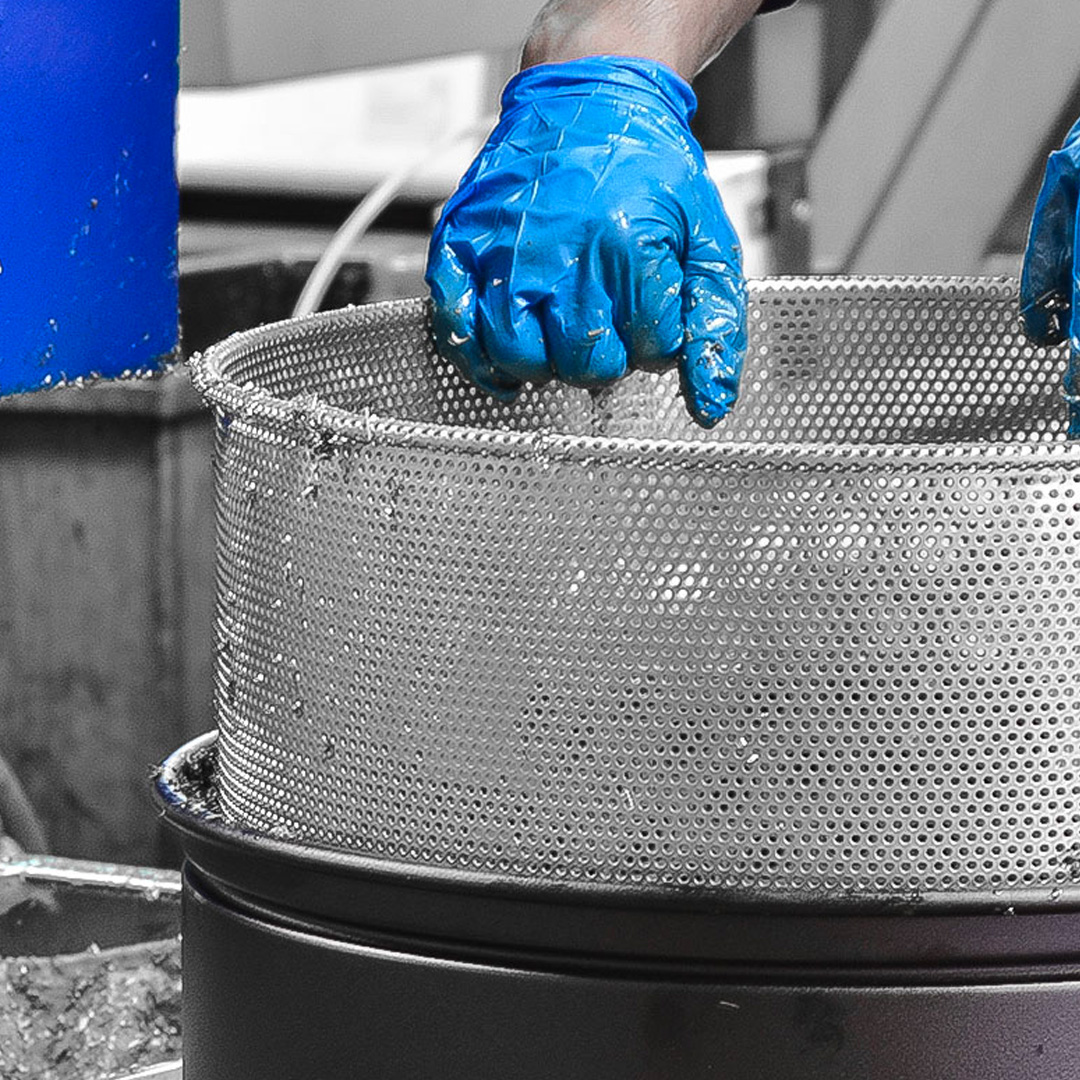
Depureco offer several metal chip vacuum models with discharge valves to drain excess oil and coolant from the collection bin.
Use a dedicated CNC sump vacuum when coolant, cutting fluid or oil is the dominant material, especially when the job requires tank evacuation, chip separation, liquid filtration, pump-out or coolant return. Heavy sludge, straight cutting oil and concentrated oil-and-swarf mixtures may require a larger oil-recovery configuration.
The liquid-to-solids ratio is one of the first details Depureco evaluates.
Related pages
Can a metal chip vacuum collect oily or coolant-wet chips?
Some wet-and-dry metal chip and metal swarf industrial vacuums can handle chips with incidental oil or coolant carryover when the filter, liquid protection and collection setup are appropriate.
Depureco offer several metal chip vacuum models with discharge valves to drain excess oil and coolant from the collection bin.
Use a dedicated CNC sump vacuum when coolant, cutting fluid or oil is the dominant material, especially when the job requires tank evacuation, chip separation, liquid filtration, pump-out or coolant return. Heavy sludge, straight cutting oil and concentrated oil-and-swarf mixtures may require a larger oil-recovery configuration.
The liquid-to-solids ratio is one of the first details Depureco evaluates.
Related pages
What is the difference between a metal chip vacuum and a CNC sump vacuum?
A metal chip vacuum is primarily selected for dry chips, shavings, turnings and swarf on machine beds, finished parts, conveyors, workstations and floors.
A CNC sump vacuum is designed around mixed liquid-and-solid recovery from machine tanks. It can incorporate chip baskets, grids, liquid filtration, gravity discharge, reverse-flow discharge or powered pump-out.
Choose the metal-chip path when dry solids dominate. Choose the sump-vacuum path when coolant, cutting oil, sludge, fluid transfer or liquid reuse determines the application.
Related pages
Can a metal chip vacuum remove metal mud, grinding sludge or fine machining residue?
It depends on whether the material is dry, wet, dense, abrasive or mixed with liquid.
Wet metal mud, grinding sludge and settled fines generally belong on the sump or oil-and-swarf recovery path. Dense sludge requires sufficient suction, suitable scraping tools, solids capacity and a practical discharge method.
Dry fine particulate may require more filter area, effective filter cleaning, pre-separation or HEPA filtration. If the fines are combustible, toxic or reactive, the material and operating area require a separate hazard review.
Related pages
Is a standard metal chip vacuum suitable for aluminum, magnesium or titanium dust?
Not automatically.
Larger machining chips and swarf behave differently from fine, dry metal dust. Fine aluminum, magnesium, titanium and other reactive or combustible particulate may require review of the SDS, particle size, dust-test data, Dust Hazard Analysis, area classification, grounding strategy, conductive accessories and collection method.
An antistatic filter or grounded hose does not turn a standard vacuum into an explosion-protected system. Final selection must match the material, process, location and documented hazard.
Related pages
Should I use a metal chip vacuum or an industrial dust collector?
Use an industrial vacuum to recover accumulated chips, swarf and settled debris from machines, parts, conveyors and floors.
Use a dust collector when the primary objective is capturing fine airborne particulate at the machining, grinding, sanding, cutting or transfer source. A dust collector is designed around airflow, hood design and source capture; a vacuum is designed around conveying deposited material through a hose or fixed piping.
Some facilities need both: source capture for airborne dust and industrial vacuuming for housekeeping and chip recovery.
Related pages
Why use an industrial chip vacuum instead of a shop vacuum, broom or compressed air?
Industrial chip vacuums are built for tougher material, larger collection loads, stronger filtration, serviceable filters and repeated production use.
Consumer shop vacuums may clog quickly, have limited duty cycles or use collection components that are poorly matched to sharp, dense or hazardous debris. Sweeping can leave chips in pockets and fixtures, while compressed-air blowdown moves debris into other surfaces and may place fine particulate back into the air.
The correct industrial system can make cleanup faster, more repeatable and easier to standardize across operators or machines.
Related pages
Should a machine shop use a mobile, stationary or central chip vacuum system?
Choose a mobile vacuum when operators clean one or several machines periodically and need to move the equipment between cells.
Choose a stationary vacuum when the same CNC machine, conveyor or cleaning station requires repeatable suction at one location.
Choose a central system when several machines, departments or pickup points need fixed piping and centralized collection. A central system can be designed for one active operator moving between drops or for multiple simultaneous users. Those operating patterns require different airflow and system sizing.
Related pages
When should I choose a single-phase or three-phase metal chip vacuum?
Choose a single-phase vacuum for portable, intermittent or frequent batch cleanup where standard plant power and mobility are priorities. MINIBULL and M100 are examples of mobile single-phase platforms.
Choose a three-phase vacuum when longer operating cycles, heavier daily chip loads or continuous-duty suction are required. EcoBull and TX models use industrial side-channel blowers for production-duty cleanup.
A three-phase motor does not automatically solve hose restrictions, undersized collection capacity or difficult swarf geometry. The entire collection path must still match the application.
Related pages
Can one central vacuum system serve multiple CNC machines?
Yes. An engineered central metal chip vacuum system can connect multiple CNC machines, hose drops, cleaning stations and floor-cleaning points to one suction and collection system.
Sizing must account for the furthest pickup point, equivalent pipe distance, elbows, vertical lift, inlet diameter, chip geometry and maximum number of simultaneous users. One operator using one open drop at a time requires less airflow than several operators vacuuming simultaneously.
Separation, filtration and final discharge should be designed together with the piping and suction source.
Related pages
How is a metal chip vacuum system sized?
Sizing starts with the actual material and collection workflow.
Depureco evaluates the metal or alloy, chip shape, longest chip, bulk density, dry or wet condition, amount of fines, volume per machine or shift, required runtime, hose diameter, pickup distance, vertical lift and preferred disposal method.
For central systems, the review also includes a floor plan, branch layout, number of drops and maximum simultaneous users. Container volume and unloading frequency matter because a vacuum that collects effectively can still create downtime if the bin is too small or difficult to empty.
Related pages
When should I add a cyclone, interceptor or pre-separator?
Add a pre-separator when chip volume is too high for the vacuum’s standard bin, bulk material is loading the primary filter, operators are emptying too frequently or a different discharge container is needed.
A cyclone or interceptor collects much of the material upstream of the vacuum. Options can include compact cyclonic bins, Longopac collection, forkable hoppers, tiltable separators, Big-Bag discharge and filtering separators for central systems.
Pre-separation increases capacity and can reduce filter loading, but it does not replace correct vacuum sizing or material-hazard review.
Related pages
What hose diameter, nozzle and pickup tool work best for metal chips?
The correct setup depends on the largest and most tangled material, not only the average chip.
Short chips may work with a standard industrial hose and scraping pipe. Spirals, stringers and birdnests may require a larger hose, conical nozzle and fewer reductions. Floor tools are useful for loose shop-floor material, while rigid scraping pipes help loosen compacted chips in machine beds and collection areas.
Hose length, bends and vertical lift also affect performance. Depureco can test the proposed hose and tool with the actual material.
Related pages
Can collected chips discharge into an existing conveyor, hopper, tote or recycling container?
Yes, when the discharge configuration is designed around the receiving equipment.
A stationary HF 300 can use a counterbalanced flap that remains closed during suction and releases chips when the vacuum stops. Larger stationary and central systems can be configured with detachable bins, forkable containers, hoppers, Big-Bags, rotary valves or process-specific discharge components.
The system should be designed backward from the final container, including its opening, height, volume, weight limits, unloading equipment and required material segregation.
Related pages
What filtration is needed for metal chips and swarf?
Filtration should be selected according to the fine particulate mixed with the chips.
Coarse chips are normally separated by gravity, tangential entry or a cyclone before reaching the primary filter. Smaller machining particles may require M-Class filtration, more filter surface or an effective filter-cleaning system. HEPA H13 or H14 may be appropriate where the material includes fine hazardous particulate and the application review supports it.
HEPA filtration alone does not make a vacuum suitable for combustible or reactive metal dust. Material risk, grounding, equipment configuration and area classification remain separate decisions.
Related pages
Can Depureco test my metal chips or swarf before I buy a vacuum?
Yes. Depureco Labs can evaluate representative material using the proposed vacuum, hose, inlet, pickup tool, separator and collection arrangement.
Send a material sample or clear photos and video showing the chips, longest stringers, birdnests, oily residue, fines and current cleanup method. Testing can reveal bridging, tool restrictions, excessive container filling or filter-loading concerns that specifications alone cannot show.
This is especially useful for long aluminum swarf, compacted machining chips, unusual alloys, mixed debris and applications requiring a custom discharge method.
Related pages
Which machining processes and industries use metal chip vacuum systems?
Metal chip vacuums are used around CNC mills, lathes, turning centers, drills, boring machines, saws, screw machines, bar feeders, deburring cells, chip conveyors and finished-part cleaning stations.
Common users include job shops, contract manufacturers, automotive component plants, aerospace machining facilities, heavy-equipment manufacturers, foundries, tool rooms and metal-recycling operations. Applications range from one operator cleaning a single CNC cell to fixed systems that clean precision components and central networks serving an entire machining department.
The correct equipment depends on the material, process zone and cleanup frequency within each facility.
Related pages
Not Sure Which Metal Chip Vacuum Fits?
Send the alloy, photos or a sample, longest chip size, approximate volume per shift, wet or dry condition, machine count, operating time, hose distance and preferred disposal method.
Depureco can match the vacuum, hose diameter, pickup tool, filtration, pre-separation and collection configuration to the application.
High-Suction Chip Collection
Mobile, Stationary & Central Systems
Heavy-Duty Swarf Handling
Engineered for CNC & Metalworking