




How to Choose the Right Sump Vacuum for Your CNC Machine Shop
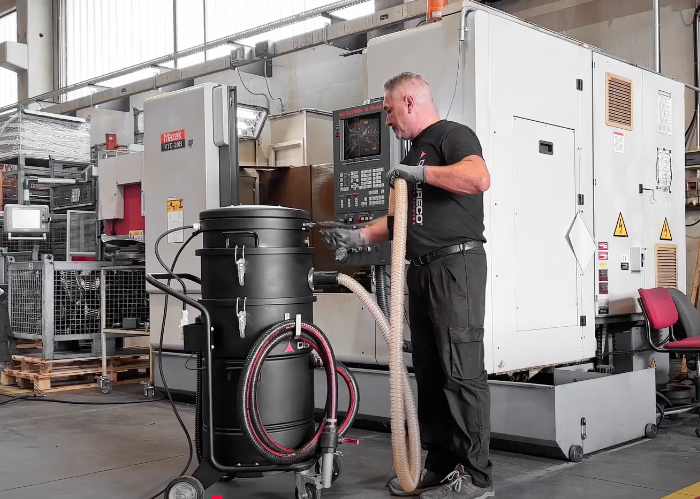
Choosing the right sump vacuum for your CNC machine shop starts with understanding what you are actually trying to remove from the tank. Not every CNC application creates the same kind of waste, and not every sump vacuum is designed to handle the same mix of coolant, chips, swarf, sludge, and grinding residue.
If you choose the wrong machine, cleanup takes longer, coolant recovery becomes inefficient, and operators end up doing more manual work than they should. If you choose the right machine, tank cleaning becomes faster, coolant can often be recovered and reused, and the entire process becomes easier to manage across the shop.
That is why choosing a sump vacuum should not come down to price alone. The right machine needs to match the material you are cleaning, the amount of coolant in the tank, the number of machines in the shop, and the way your operators actually work.
Start With What You Need to Collect
The first question is simple: what is inside your CNC tank?
In many CNC machine shops, the main material to remove is water-based coolant mixed with metal chips and swarf. That is the most common sump-cleaning application, and it is typically the easiest to match with a standard industrial sump vacuum.
But not every machine creates the same waste. Some applications, especially grinding operations, can produce heavier sludge, dense sediment, and abrasive residue that behaves very differently from loose chips suspended in coolant. That matters because a machine designed for standard coolant-and-chip recovery may not be the best fit for thick sludge or more demanding waste material.
This is the first major distinction to make because it often determines the type of machine you need. For standard water-based coolant recovery, a single-phase industrial sump vacuum is often enough. For heavier sludge or more specialized grinding waste, the application may require a different type of unit, depending on the material, the shop setup, and how the waste needs to be handled.
If you get this first step wrong, every other sizing decision becomes less accurate.
Know How Much Coolant Is in Each Tank
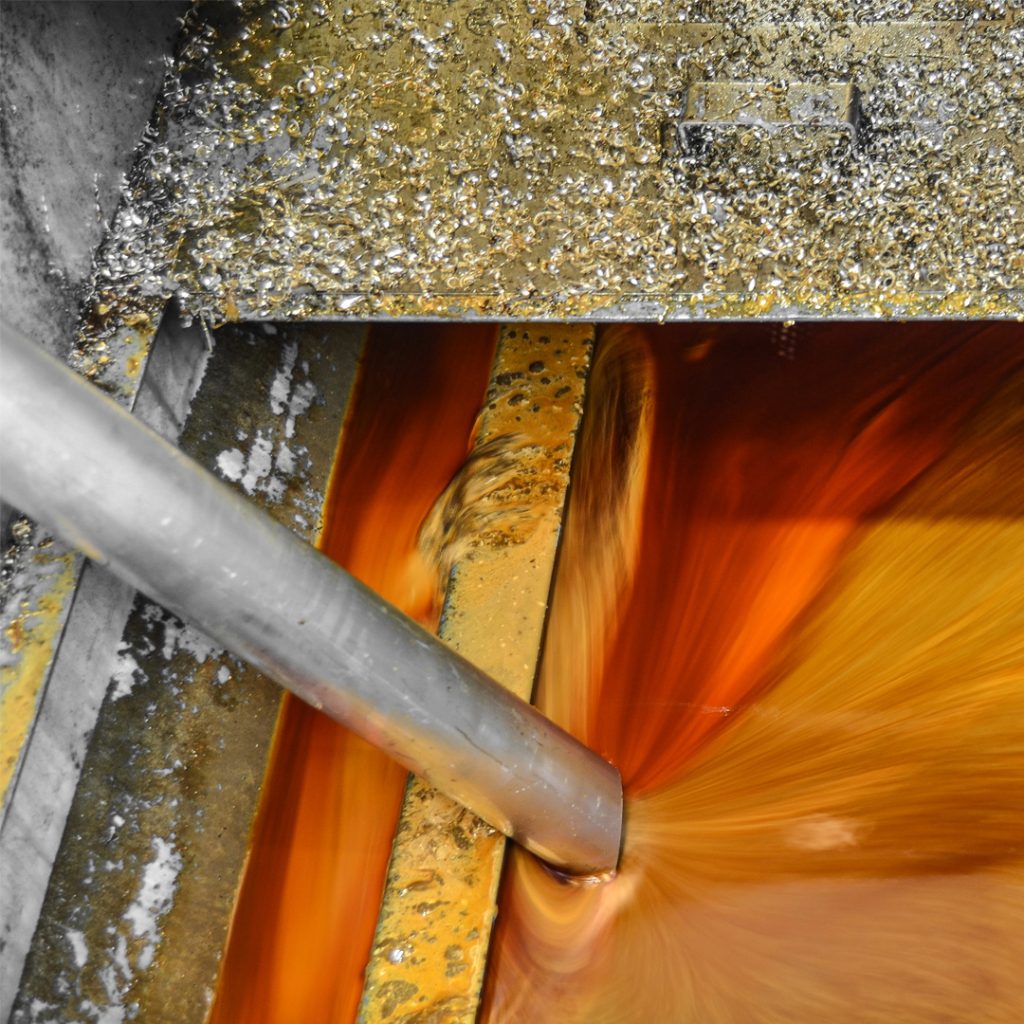
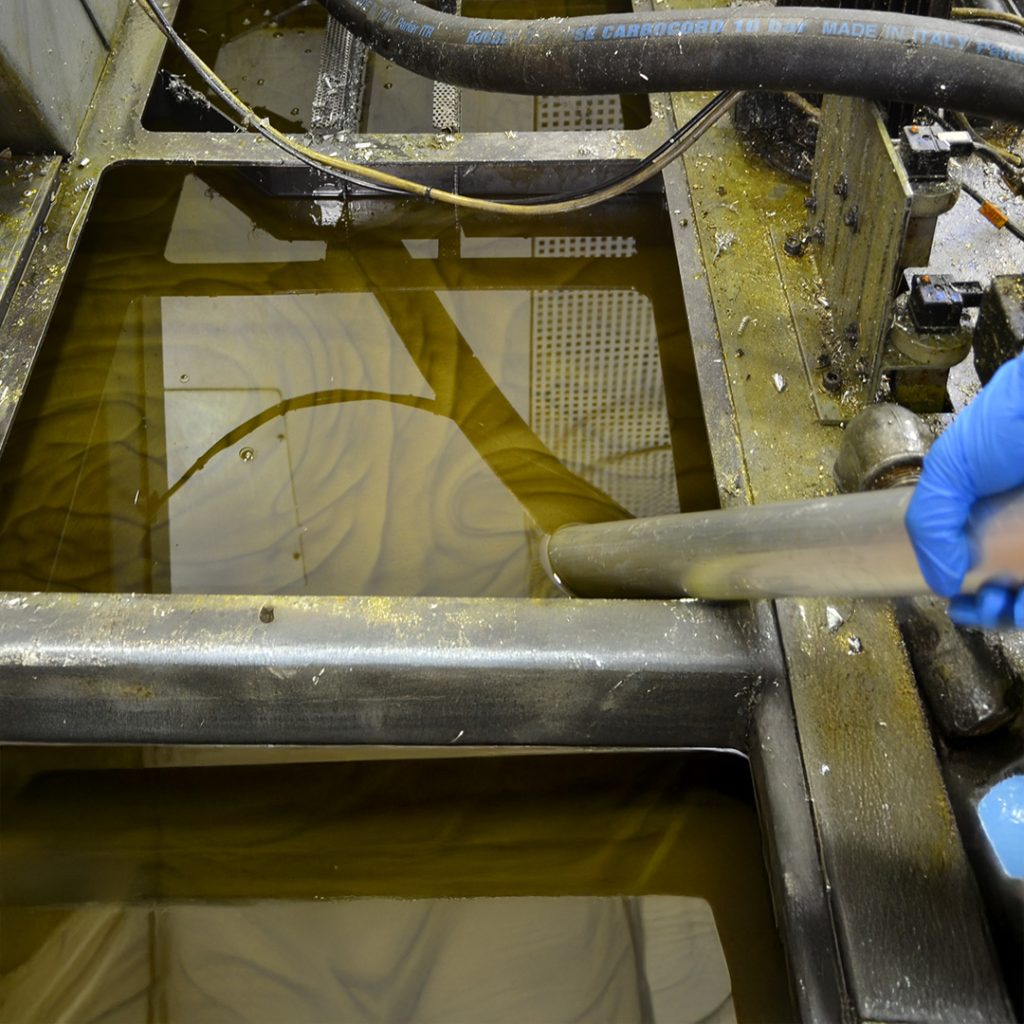
Once you know what you are collecting, the next step is to determine how much liquid is typically inside each CNC tank.
This affects the vacuum size you should consider. A small machine with a relatively low coolant volume does not need the same sump vacuum capacity as a large machine with a deep tank and a high volume of fluid. If the tank holds a significant amount of coolant, capacity becomes more important because it affects how often the operator has to stop, empty the unit, or transfer recovered liquid.
This is where many shops make the mistake of thinking only about suction power. Power matters, but tank capacity matters just as much when the goal is to clean tanks efficiently. If the machine can pick up coolant quickly, but the operator has to stop constantly to empty the vacuum, the process is still slow.
When evaluating sump vacuum size, consider the amount of coolant removed during each cleaning cycle, how often tanks are serviced, and whether the recovered liquid will be reused or discarded. A vacuum that matches the actual tank volume will reduce interruptions and speed up the entire maintenance process.
Think About How Many CNC Machines the Vacuum Will Support
A sump vacuum should not be chosen based on one machine alone if it will be shared across the facility. The number of CNC machines in the shop has a direct effect on what size and style of sump vacuum makes sense.
A smaller shop with five CNC machines may not need a large-capacity unit with an oversized footprint. In many cases, a sump vacuum in the 35-gallon to 75-gallon range can be a practical fit for a smaller operation, especially if tank cleanouts are done regularly, and the unit is easy to move from machine to machine.
A larger facility with 10, 15, or more CNC machines may need to think differently. Even if each machine is not especially large, the total amount of coolant recovery and tank maintenance across the shop adds up quickly. In that type of environment, a larger-capacity machine can make more sense because it reduces handling time, cuts down on interruptions, and makes routine cleaning more manageable.
This is where a sump vacuum becomes more than just a cleanup tool. It becomes part of the shop’s maintenance workflow.
The more machines you have, the more important it becomes to choose a system that balances capacity, price, mobility, and recovery speed.
Do Not Ignore Shop Layout and Mobility
A sump vacuum can look good on paper and still be the wrong fit for the shop floor.
That is why the layout of the facility matters. Operators need enough room to move the vacuum around the machines, position it where needed, and work without getting in the way of tight walkways, crowded aisles, or poor access around the equipment.
The footprint of the vacuum has to match the real environment. A larger sump vacuum may offer more capacity, but if it is difficult to move between machines, it may not actually improve productivity. On the other hand, a smaller mobile unit may be easier to maneuver and faster to deploy in a compact CNC shop.
When comparing options, consider aisle width, turning space, tank access, storage location, and whether the operator also needs to move a discharge drum or separate recovery container along with the vacuum.
In other words, the right sump vacuum is not just about what it can collect. It is also about how easily it can be used inside your actual shop.
Why a Discharge Pump Matters
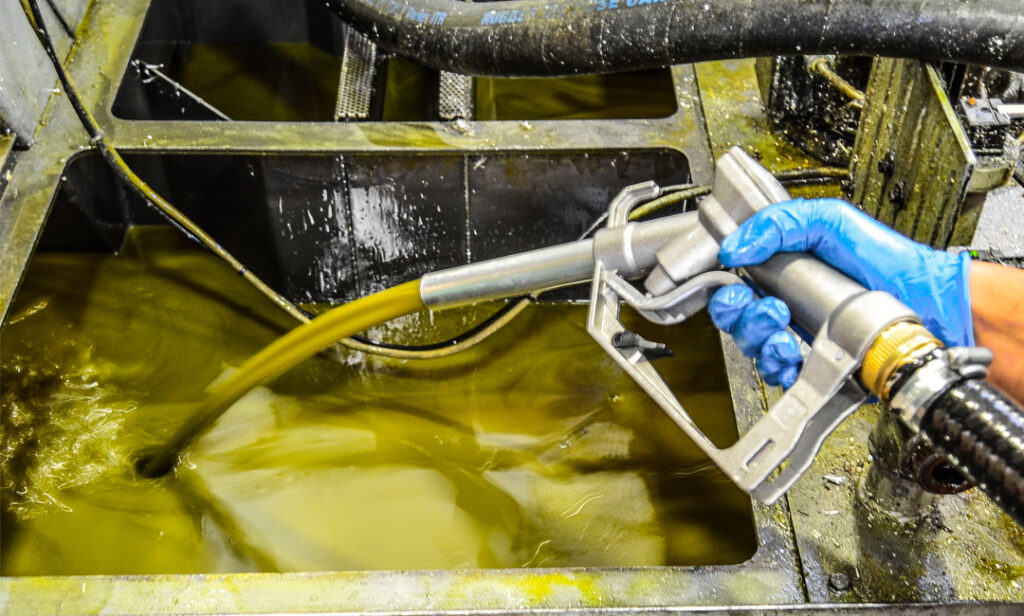
One of the most useful features on a sump vacuum for CNC applications is a built-in discharge pump.
This matters because the job is not just to collect coolant. The job is to remove coolant and solids from the tank as efficiently as possible. A machine with a discharge pump allows the operator to vacuum liquid and pump it out at the same time, which changes the speed and practicality of the entire cleaning process.
Without a discharge pump, the operator is limited by the capacity of the collection tank. Once that tank fills, the process stops until the machine is emptied. With a discharge pump, recovered liquid can be transferred into an external drum or another container while the vacuum continues working.
That creates a major advantage in real shop conditions.
For example, a compact sump vacuum paired with a 55-gallon drum can often handle far more coolant than its onboard tank size would suggest, because the recovered liquid is being pumped out continuously instead of sitting in the vacuum until it is full. That means a shop can use a more maneuverable unit and still recover large amounts of coolant efficiently.
This is one of the most practical features to look for because it directly affects cleaning speed, labor time, downtime during maintenance, and coolant recovery efficiency.
For many shops, this is the feature that separates a true CNC sump vacuum from a machine that simply happens to pick up liquid.
Match Capacity to the Real Application
There is no one-size-fits-all answer, but there is a practical way to think about capacity.
In a small CNC machine shop, a sump vacuum in the lower capacity range may be more than enough, especially if it includes a discharge pump. That setup can offer a strong balance of performance, footprint, and price while still making it possible to handle larger cleanouts without constant interruption.
In a mid-size shop, stepping up to a larger tank may make more sense if operators are cleaning multiple machines each week or removing a higher volume of coolant on a regular basis.
In a large CNC operation, a higher-capacity unit can help simplify routine maintenance by reducing the need to stop, empty, and reposition equipment. That is where moving from smaller units toward larger models becomes easier to justify.
Depureco’s sump vacuum lineup gives shops room to scale based on their actual maintenance needs, with capacities that start around 35 gallons, step up to 75 gallons, and go all the way up to 300 gallons for higher-volume applications. That range makes it easier to match the machine to the shop instead of forcing the shop to work around the machine.
The goal is not to buy the biggest unit available. The goal is to buy the machine that matches the amount of coolant being removed, the cleaning frequency, the number of CNC machines in the facility, and the operator workflow.
Bigger is not automatically better. The right fit is better.
The Right Sump Vacuum Can Save Real Money
A sump vacuum is not just a cleanup expense. In many shops, it is a cost-saving tool.
The first area of savings is coolant life. When coolant is left in the tank too long with accumulated chips, fines, and contamination, it degrades faster. The more solids and waste that stay in the tank, the more likely the coolant is to become difficult to reuse.
A sump vacuum makes it easier to clean tanks more regularly. Instead of waiting until the coolant is too contaminated to salvage, the shop can remove chips, swarf, and sediment throughout the year and keep the coolant in better condition for longer.
That can help reduce premature coolant replacement, wasted coolant, and unnecessary downtime during tank maintenance.
The second area of savings is coolant disposal. Used coolant is not cheap to handle, and proper disposal adds cost on top of the original coolant purchase. If the shop can extend coolant life or recover usable liquid more effectively, the vacuum helps reduce both replacement costs and disposal costs.
The third area of savings is labor. Manual tank cleaning is slow, messy, and inconsistent. If workers are spending hours scooping out chips, draining tanks, and handling coolant with makeshift methods, the shop is losing productive time. A proper sump vacuum turns that into a faster, more repeatable process.
For many machine shops, that is where the value becomes obvious. The right sump vacuum does not just clean tanks. It helps reduce wasted labor, protect coolant investment, and make regular tank maintenance easier to justify.
What to Ask Before You Buy

Before choosing a sump vacuum for your CNC machines, answer these questions:
What are you collecting from the tank: water-based coolant and chips, or heavier sludge and grinding waste?
How much coolant is in each tank?
How many machines will one vacuum support?
How often are tanks being cleaned?
How much room do operators have to move the vacuum through the shop?
Do you want to recover coolant for reuse while vacuuming, or are you simply removing it for disposal?
These are the questions that help narrow the field and point you toward the right solution faster.
Choose Based on the Shop, Not Just the Spec Sheet
The best sump vacuum for a CNC machine shop is the one that matches the material, the tank size, the number of machines, and the way the shop actually operates.
If the application is standard coolant, chips, and swarf, a properly sized industrial sump vacuum can dramatically improve cleanup speed and coolant recovery. If the application involves heavier sludge or grinding residue, the shop may need a different type of machine designed for tougher material handling.
Either way, the decision should be based on the real maintenance demands of the shop, not just on horsepower or price alone.
When chosen correctly, a sump vacuum helps reduce labor, improve coolant management, shorten cleanout times, and make CNC tank maintenance far easier to control. It also makes it easier to recover usable coolant, reduce waste, and build a more consistent maintenance process across the shop floor.
If your shop is still cleaning tanks the hard way, that is usually the clearest sign that it is time to upgrade the process.
To compare available options and find the right fit for your application, explore our sump vacuum page and review the models built for CNC coolant recovery, chip removal, and tank cleanout.
