Woodworking Dust Collection Systems for Wood Shops
Dust collectors, centralized vacuum systems, and combustible-dust solutions for cabinet shops, millwork, furniture production, CNC routing, sanding, and multi-machine operations.
Capture wood dust at the source, reduce fine airborne dust, and keep production areas cleaner with industrial woodworking dust collection systems built for real shop conditions.
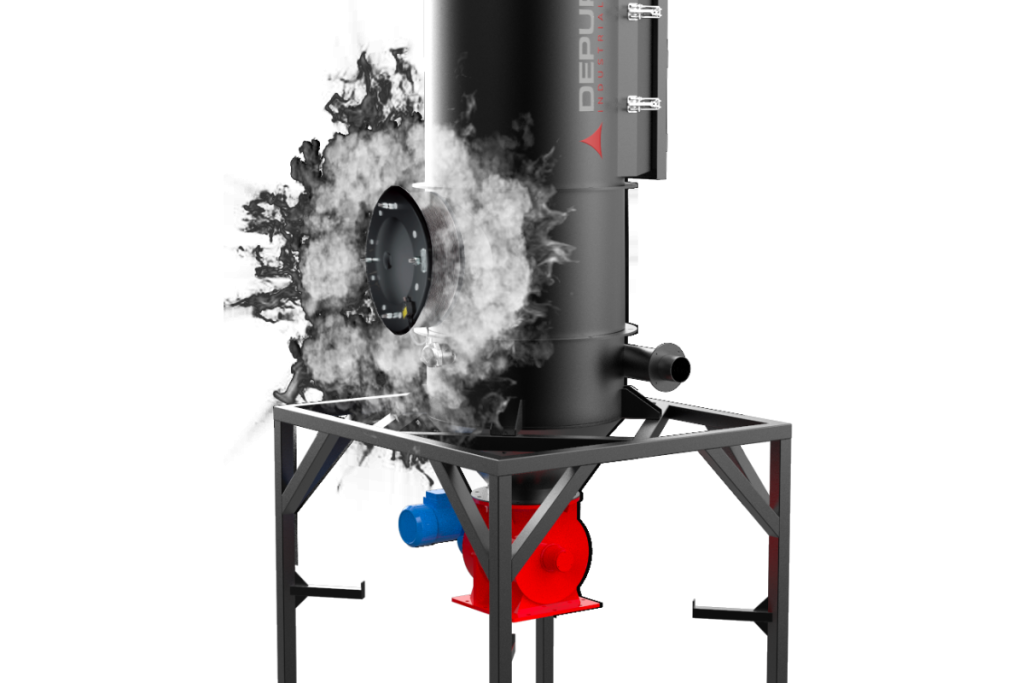
Combustible wood dust and explosion-proof vacuum solutions for woodworking applications requiring grounded, antistatic, NFPA-aware dust collection and safer recovery of fine wood dust in higher-risk production environments.
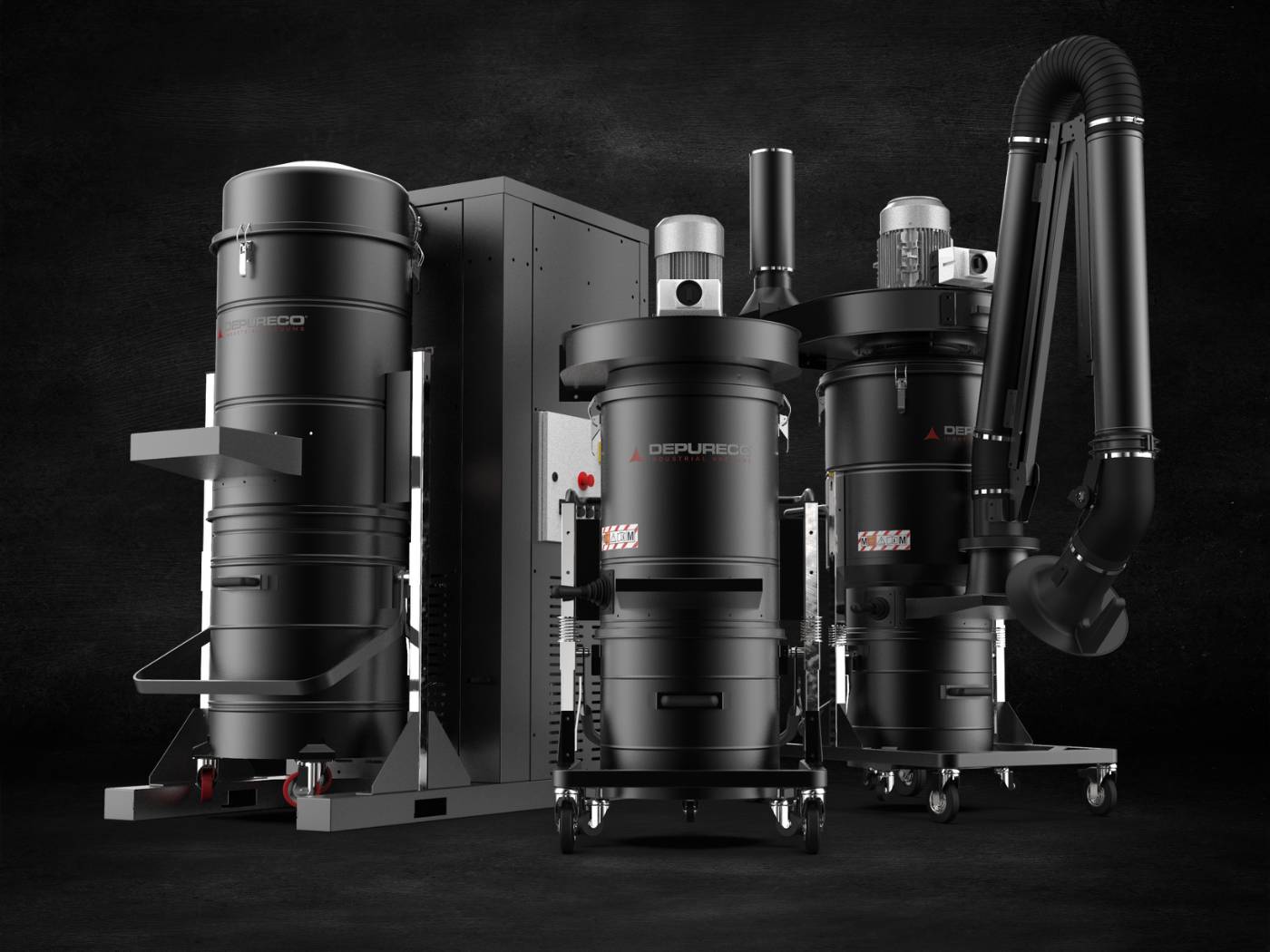
Industrial dust collectors for wood shops, woodworking machinery, sanding dust, sawdust, fine wood dust, and production dust collection with mobile or stationary solutions for cleaner air and more efficient source capture.
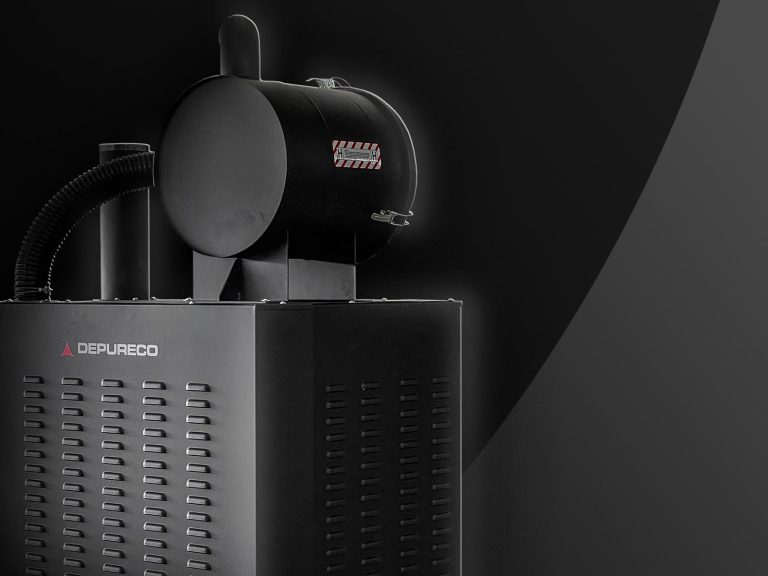
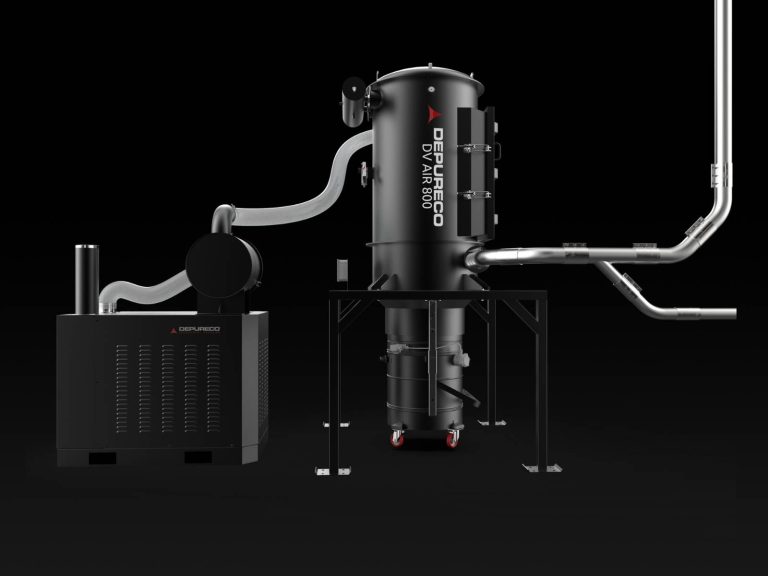
Industrial central vacuum systems for woodworking facilities, cabinet shops, millwork operations, furniture production, and multi-machine wood dust collection with centralized piping, multiple suction points, fine dust filtration, and material discharge options.
Wood Dust Collection for Commercial Woodworking Operations
Depureco woodworking dust collection solutions are a fit for larger commercial and industrial operations that need more than a small-shop collector.
This includes cabinet shops, architectural millwork, furniture manufacturing, CNC wood processing, window and door production, flooring and millwork plants, sawmills, and pallet or wood container operations.
Cabinet shops
Architectural millwork
Furniture manufacturing
CNC wood processing
Window and door production
Flooring and millwork plants
Sawmills and lumber processing
Pallet and wood container manufacturing
Match the Dust Source
Dust Collection for Cutting, Routing, Sanding, Turning, and More
Table Saw Dust Collection
Miter Saw Dust Collection
Band Saw Dust Collection
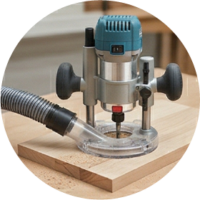
Router Dust Collection
Router Table Dust Collection
CNC Router Dust Collection
Planer Dust Collection
Jointer Dust Collection
Lathe Dust Collection
Fine Wood Dust Collection
Sanding Dust Collection
Wood Shop Dust Cleanup
Safety, Air, and Compliance
Why Use a Dust Collector to Eliminate Explosion Hazards in Wood Shops?
Wood dust is highly combustible — and when it accumulates in the air or on surfaces, it becomes a serious explosion risk. That’s why dust collection systems aren’t just about cleanliness — they’re about safety and compliance.
The NFPA 660 standard (formerly NFPA 664 and others) outlines strict fire and explosion prevention guidelines for facilities that generate combustible dust, including woodworking shops. A properly designed industrial dust collector helps:
✅ Capture airborne fine dust before it disperses ✅ Prevent dangerous surface accumulation ✅ Support compliance with NFPA 660 and OSHA standards ✅ Reduce ignition risks near cutting, sanding, and grinding stations
By integrating an NFPA-compliant dust collection system, woodshop owners can proactively protect their teams, minimize downtime, and reduce liability — while maintaining a clean and safe workspace.
Combustible Dust Changes the System
Explosion-Proof and Antistatic Solutions for Wood Dust
Not every wood dust application carries the same risk.
When fine wood dust becomes combustible, the system has to do more than collect debris. Grounding, antistatic construction, safe filtration, and the right recovery method all matter. Depureco’s explosion-proof vacuum line includes grounded anti-static units and compressed-air intrinsically safe options for higher-risk dust environments and compliance regulations.
Table saws, miter saws, band saws, and panel saws can generate both larger chips and fine airborne dust.
The right setup helps pull material away from the cut zone, reduce dust spread across the shop, and keep production areas cleaner around saw stations.
Control Dust at Source
Dust Control for Wood Lathes and Turning
Wood lathes create a steady stream of fine dust and long, curled shavings that can quickly accumulate around the tool rest, motor housing, and operator workspace. Unlike saws or sanders, lathe dust disperses in a wide radius — making source-capture dust collection essential.
Installing a vacuum system with a flexible hose arm or downdraft collection point near the cutting zone helps minimize airborne dust and keeps the work area clear of shavings. This reduces cleanup time, improves visibility, and helps protect operators from respiratory exposure.
Wood dust collection system options including discharge systems, galvanized piping and connections, stainless steel components, cyclonic separation, filter cleaning, level control, safety systems, and continuous-duty dust handling for larger woodworking operations.
DISCHARGE SYSTEMS
Dust collector discharge systems, rotary valve discharge, continuous discharge dust collection, butterfly valve discharge, guillotine valve discharge, wood dust handling, and material discharge options for centralized wood dust collection systems.
Stainless steel dust collection components, stainless piping options, stainless vacuum system connections, durable wood dust collection components, and material-specific options for industrial wood dust handling systems.
SAFETY SYSTEMS
Wood dust collection safety systems, filter cleaning controls, level detection, grounded system options, antistatic filtration, combustible dust protection paths, and safer industrial wood dust collection design for higher-risk applications.
Scale Suction Across the Shop
Central Vacuum Systems for Wood Collection
For larger wood shops and multi-station production, a centralized vacuum system can support multiple suction points from one engineered system.
Depureco central systems are sized around the material, pipe distance, and simultaneous suction demand, with modular layouts, filtration options, cyclonic separation, and discharge configurations matched to the application.
Request a Quote for Your Wood Dust Collection Solution
Tell us about your machines, dust type, shop layout, and collection goals. We’ll help point you toward the right dust collector, central vacuum system, or higher-safety dust solution for the application.
Request a quote for woodworking dust collection, industrial dust collectors for wood shops, central vacuum systems for woodworking, combustible wood dust solutions, sanding dust collection systems, and fine wood dust control for larger commercial and industrial facilities.