Search

Industrial Central
Vacuum Systems

Only The best,
with no compromise.

Since 1972
All trademarks mentioned are the property of their respective owners. The use of logos is for descriptive purposes only.

case studies

YEARS OF ACTIVITY
+ 0
CENTRAL VACUUM SYSTEM REALISED
+ 0
COUNTRY PRESENCE
+ 0

CENTRAL SYSTEMS

Engineered with the best vacuum unit

Regenerative
blower

Regenerative (side-channel) blowers are a top choice for industrial central vacuum systems when you need oil-free, quiet, continuous airflow with low maintenance.

Read more

They generate airflow by accelerating air through a high-speed impeller and repeatedly recirculating it in a side (toroidal) channel, creating a smooth, non-pulsating flow. Because there’s no internal lubrication, the air stream stays clean and uncontaminated—ideal for centralized systems where reliable long-term operation matters.

  • Oil-free airflow (no internal lubrication)
  • Pulsation-free flow with low vibration and low noise
  • Minimal maintenance and strong fit for continuous-duty industrial operation

roots vacuum
pumP

Roots (rotary lobe) vacuum blowers are used in industrial central vacuum applications when you need high airflow and rugged positive-displacement performance—especially on demanding systems.

Read more

A Roots-style rotary lobe machine is a positive-displacement blower that delivers a largely consistent displacement per revolution, making it a proven choice for durable, low-maintenance industrial service. In many vacuum applications, Roots units are used as vacuum boosters—often paired with a backing pump—to move large volumes efficiently and support deeper vacuum performance when required.

  • Positive-displacement rotary lobe design (high capacity / durable)
  • Commonly used as a vacuum booster for faster evacuation and higher system throughput
  • Vacuum capability depends on configuration; some rotary positive blower designs list vacuum performance up to ~24″ Hg in vacuum service

Toroidal channel
turbine

TBT blowers/exhausters are a high-performance option for centralized vacuum and airflow systems when you want side-channel style simplicity with performance that can approach positive-displacement behavior—without the typical noise and vibration.

Read more

TBT machines use a peripheral toroidal channel similar to side-channel blowers, but with an advanced impeller/channel design developed through extended research and testing. Like side-channel machines, they create a series of vortices and repeated recompression along the channel, producing a linear pressure rise. The advantage is strong performance with a smoother operating profile that supports industrial uptime.

  • Peripheral toroidal-channel principle with repeated recompression along the channel
  • Impeller/channel design aimed at high performance with lower noise and reduced vibration
  • Minimal maintenance profile typical of contactless airflow machines

hight pressure
centrifugal fun

High-pressure centrifugal fans are a go-to for dust collection systems when you need high airflow (CFM) through ductwork and filters—without needing deep vacuum levels.

Read more

They generate airflow by accelerating air radially through a rotating impeller, converting velocity into static pressure to overcome resistance in ducting, filters, and dust collectors. This makes them ideal for centralized dust collection layouts where airflow and transport are the priority, while true vacuum sources (blowers/pumps) are typically used when higher vacuum is required.

  • Designed to overcome ductwork + filter resistance in dust collection and conveying systems
  • Best fit for high CFM / lower vacuum applications (material capture, ventilation, dust collectors)
  • Commonly used as the airflow engine in dust collector systems and industrial air movement

Filter systems

is the key

M Class Main Filter

(EN 60335-2-69)

M Class filtration is designed for the safe collection of medium-hazard dusts commonly found in industrial environments.

Read more

With a filtration efficiency of ≥ 99.9%, it ensures reliable protection of the vacuum unit, stable airflow, and long filter life even during continuous operation.

Using M Class filters as the main filtration stage reduces clogging, minimizes pressure drop, and guarantees compliance with workplace safety standards for industrial dust extraction.

H Class Secondary Filter

HEPA H14

The H Class HEPA H14 filter provides the highest level of air purification, with a filtration efficiency of ≥ 99.995%.

Read more

Installed as a second filtration stage, it captures the finest and most hazardous particles, preventing any harmful dust from being released back into the environment.

This level of filtration is essential for applications involving toxic, carcinogenic, or very fine dust, ensuring maximum operator safety and full compliance with the most stringent health and safety regulations.

Why Proper Filtration Is Critical in an Industrial Central Vacuum System

A high-performance filtration system is essential for any industrial central vacuum system used in dust collection applications. Proper filtration protects the vacuum unit, maintains constant airflow, and ensures compliance with workplace health and safety regulations.


Poor filtration causes rapid filter clogging, airflow loss, increased energy consumption, and premature wear of blowers or fans. Most importantly, it can allow hazardous dust to be released back into the work environment.

Airflow-to-Filter Surface Ratio

The Key to Stable Performance

The airflow-to-filter surface ratio directly affects the efficiency and reliability of a central vacuum system. When airflow is too high for the available filter area, air velocity increases, leading to:

  • Faster filter clogging
  • Higher pressure drop
  • Reduced suction performance
  • Shorter filter service life


An adequately sized large filter surface reduces air velocity, improves dust separation, and ensures consistent airflow and vacuum performance, even in continuous industrial use.

to keep everything under control

Full Operational Command: Proactive System Monitoring The system is managed through a high-performance 7-inch touch screen interface that serves as the central brain of the installation. This control unit allows for total oversight and proactive management of all functional parameters, ensuring the vacuum process is constantly optimized for efficiency. Designed for rugged industrial environments, the resistive screen ensures seamless interaction even while wearing work gloves.

Real-Time Performance Diagnostics

Critical data, including inverter frequency and pressure levels, are displayed through intuitive graphical gauges for immediate visibility. This allows for the constant monitoring of mechanical efficiency and operational health.

Optimized Filtration Efficiency

Users can easily customize automatic filter cleaning cycles, including specific post-operation settings, to maintain peak suction power. This proactive approach ensures filters remain clear and extends the overall lifespan of the filtration system.

Smart Material Disposal

The interface allows for the precise configuration of material discharge timing, adapting to the specific flow of the production line. This ensures that the collection and disposal process is fully synchronized with the system’s workload.

Central vacuum system for

combustible dust

Central Vacuum Systems for Combustible Dust

NFPA 660 Chapter 8 Aligned

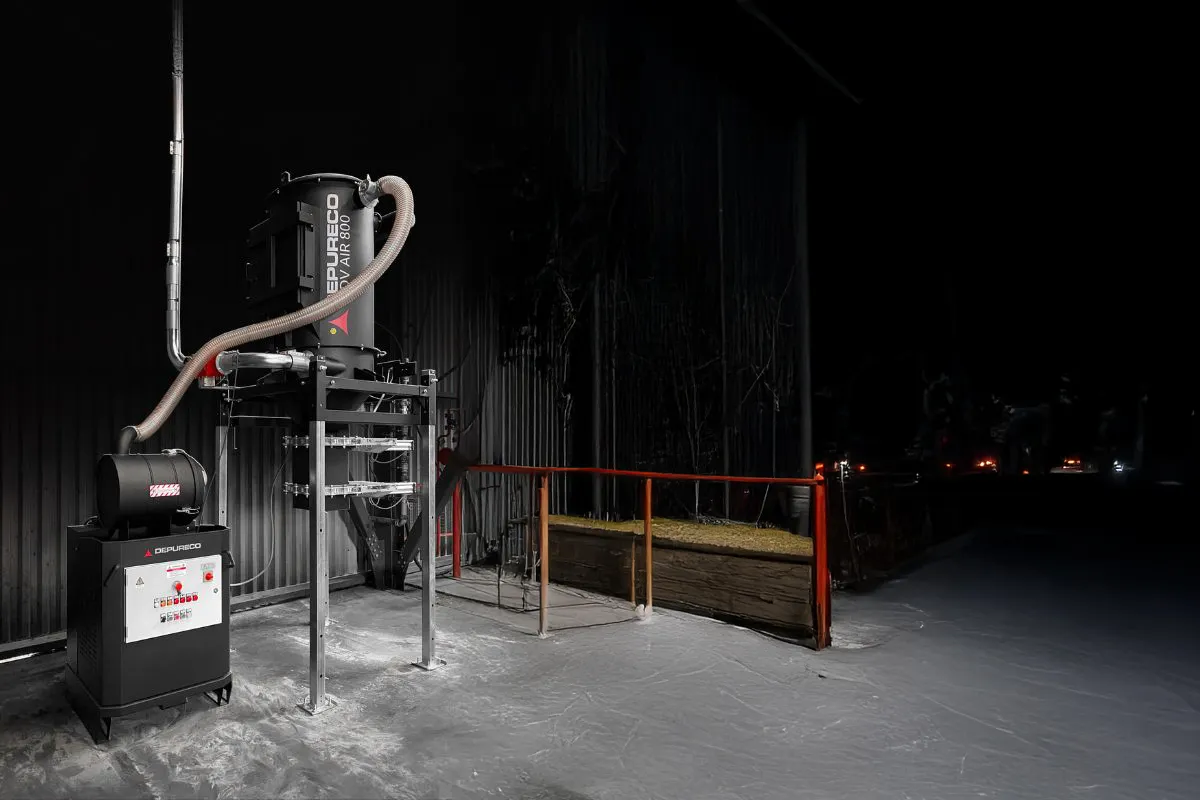
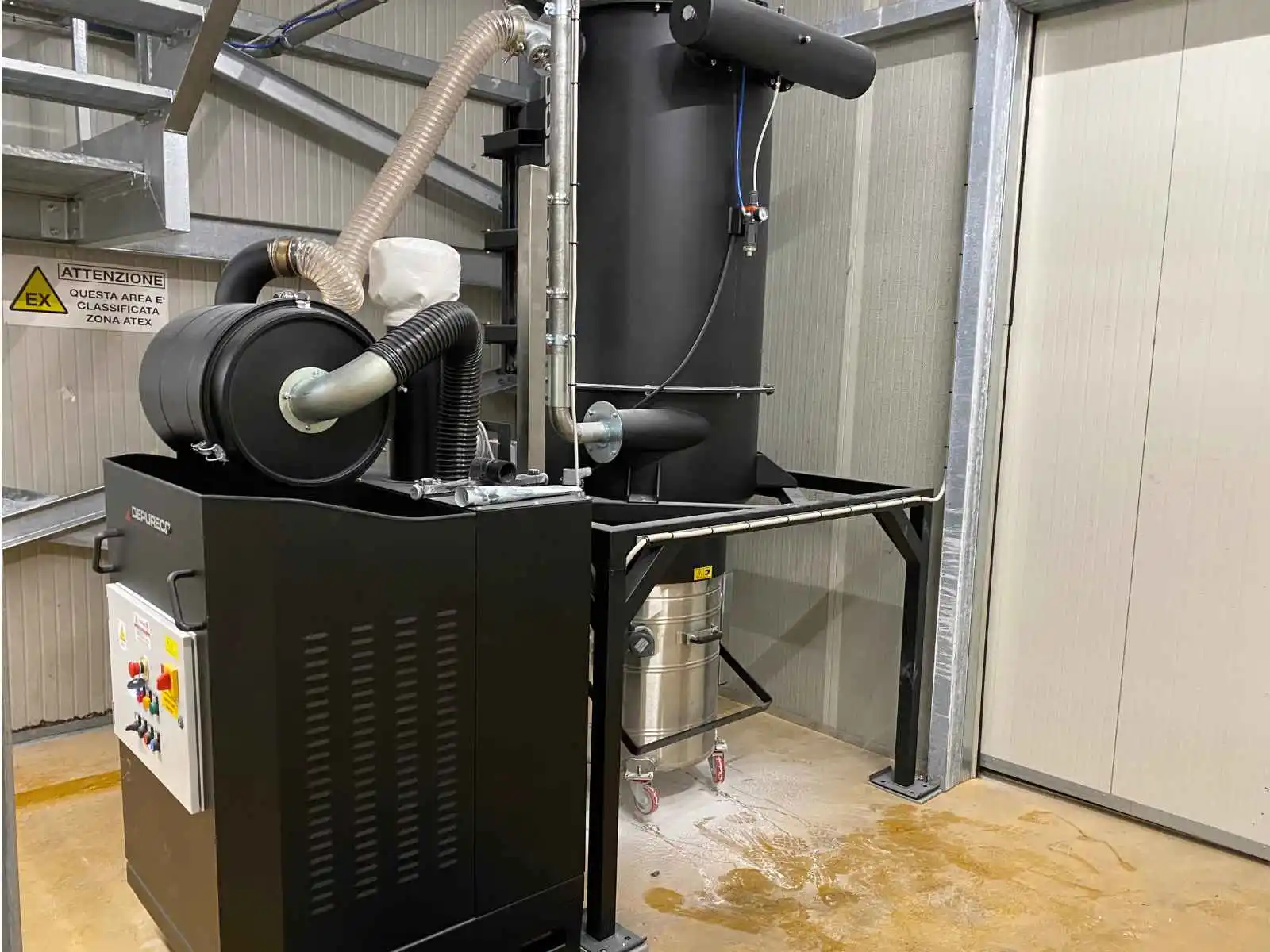
Depureco central vacuum systems for combustible dust are engineered to support NFPA 660 Chapter 8 housekeeping and cleaning requirements and ATEX directives in industrial environments with combustible particulate hazards.

Read more

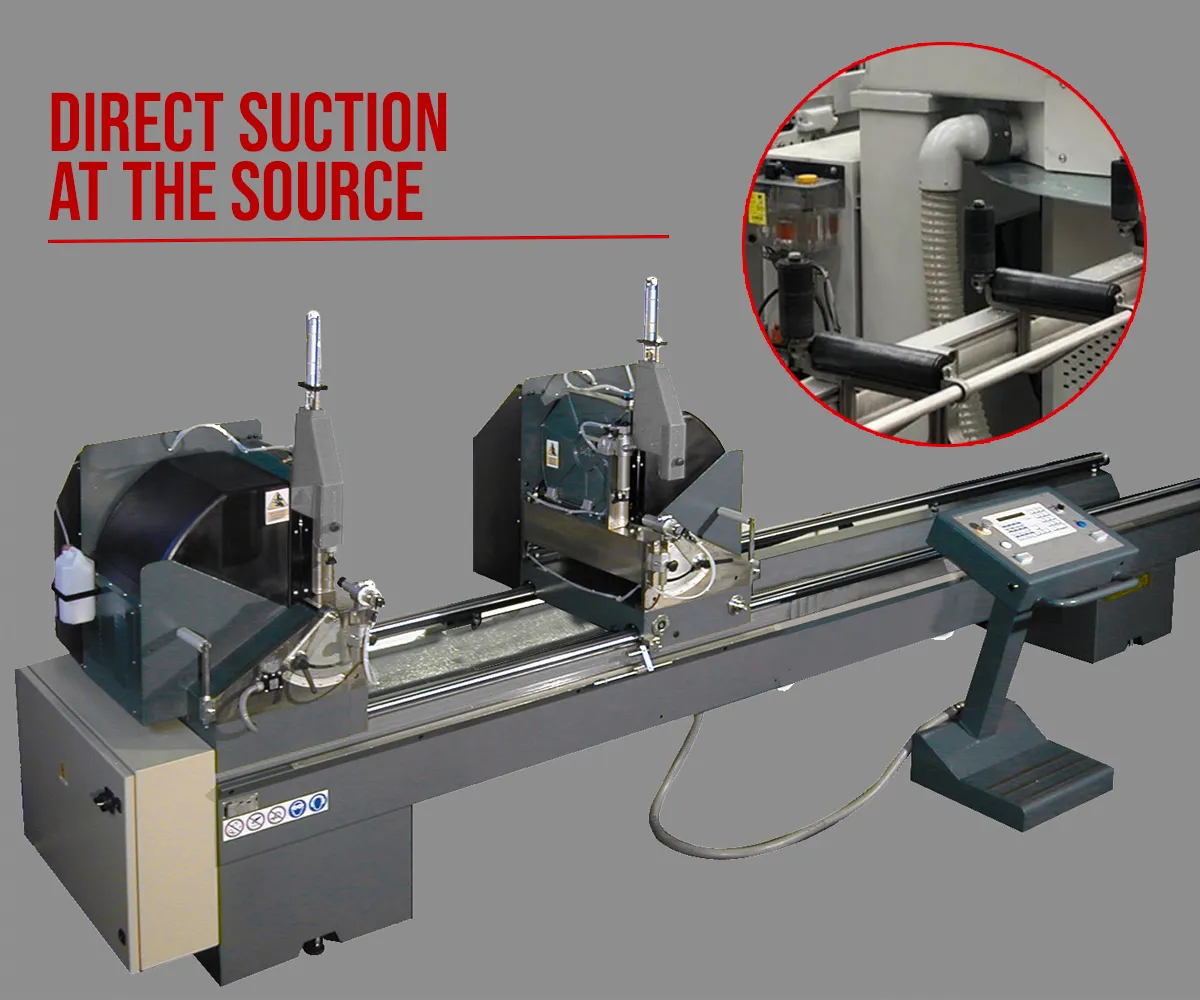
Designed for the safe removal of combustible dust accumulations, these permanently installed systems help facilities comply with NFPA 660 housekeeping provisions, reducing the risk of fire and secondary explosions by eliminating unsafe practices such as sweeping or compressed air cleaning. Dust is captured at the source through high-efficiency filtration and conductive system components suitable for classified areas.

Ideal for industries handling combustible particulate solids, Depureco centralized vacuum systems support Dust Hazard Analysis (DHA) outcomes under NFPA 660 while providing a scalable, code-aligned solution for continuous industrial housekeeping.

Explosion passive protection system

Explosion passive protection systems are designed to mitigate the effects of a combustible dust explosion without requiring active detection or external energy. These systems operate mechanically in response to pressure or flame, helping to relieve overpressure, contain flames, and prevent explosion propagation within industrial equipment and ducting.

Common passive solutions include explosion venting, flameless venting, and passive isolation devices, which are used to protect personnel, equipment, and facilities by limiting damage and reducing the risk of secondary explosions.

Flameless Explosion Venting

Flameless venting systems allow explosion pressure relief without external flame or fireball release, making them suitable for indoor and confined installations.

Explosion Venting

Explosion venting devices provide controlled pressure relief during a combustible dust explosion, reducing enclosure overpressure and limiting structural damage.

Passive Explosion Isolation Valve

Passive explosion isolation valves prevent flame and pressure propagation through ductwork, reducing the risk of secondary explosions in connected equipment.

Explosion Suppression System

Explosion suppression systems detect and suppress a developing explosion within milliseconds, rapidly reducing pressure and flame propagation inside the system.

cyclones & Collection systems

for fine dust and bulk material with automatic discharge

High-Capacity Material Collection

Cyclone Interceptors for Central Vacuum Systems

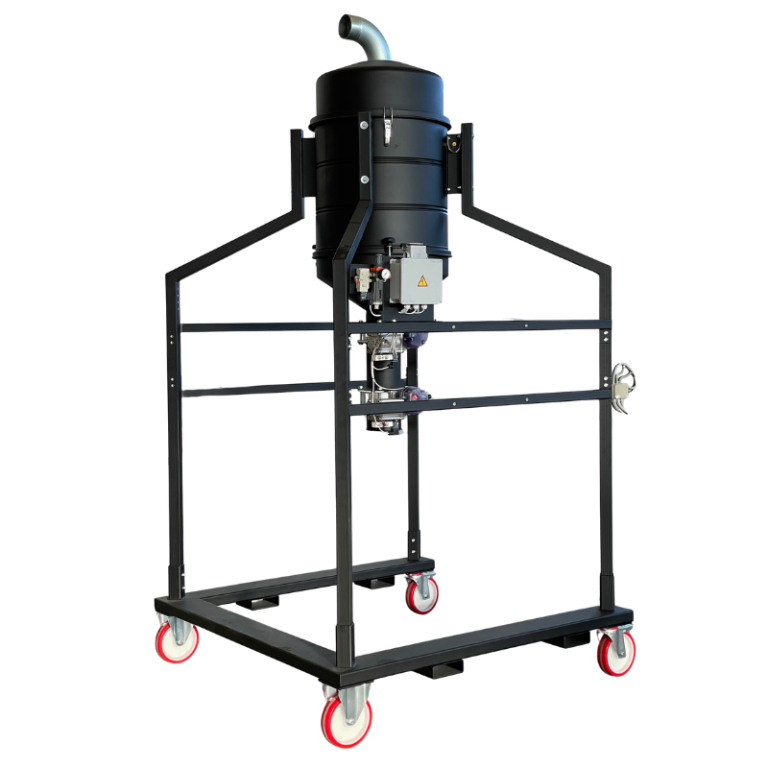
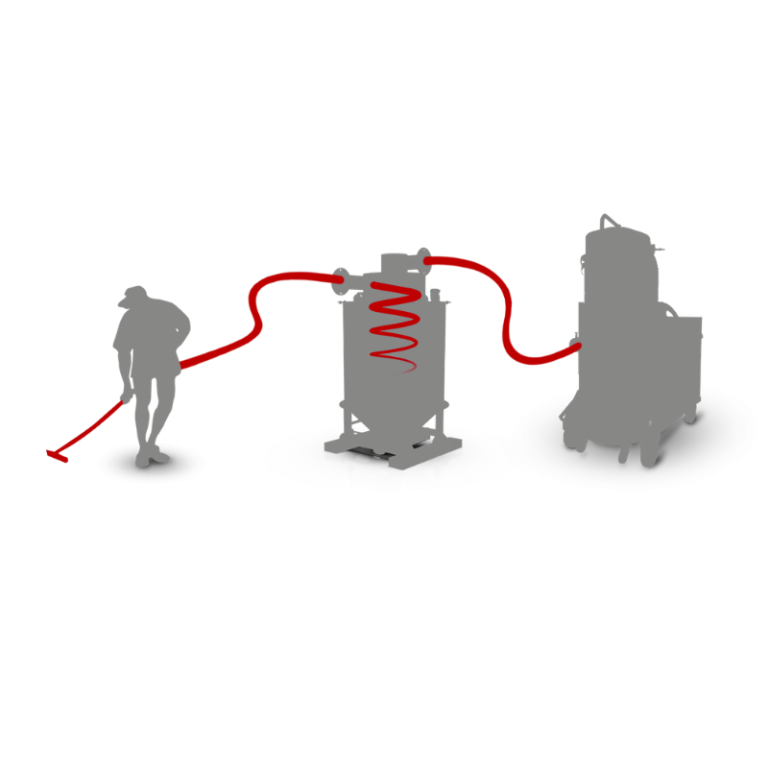
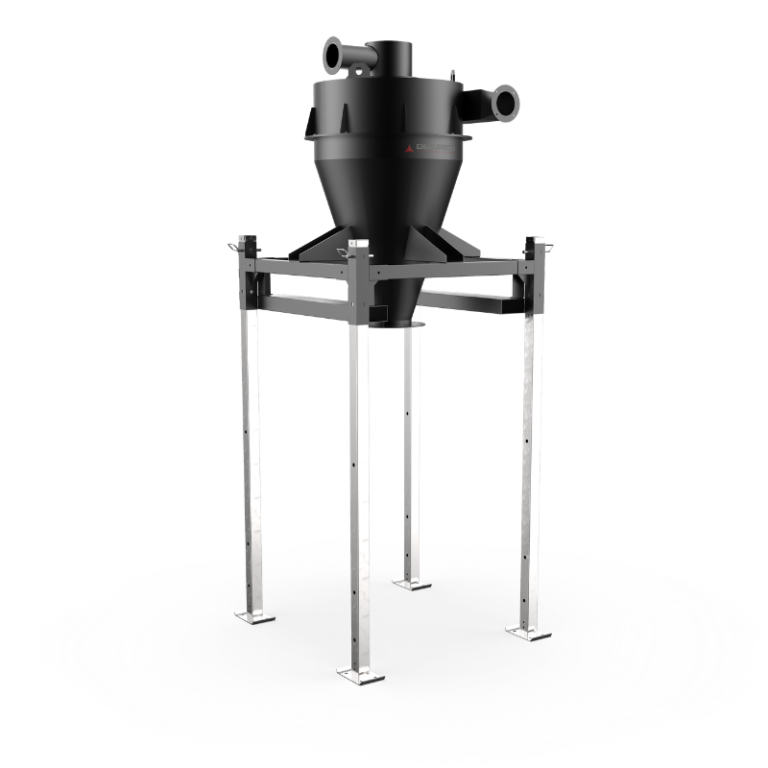
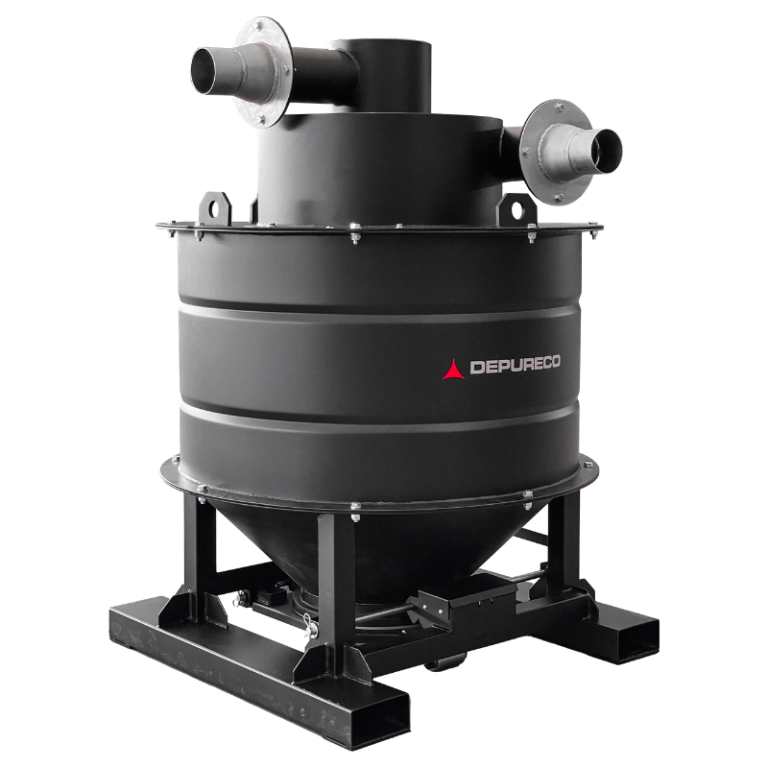
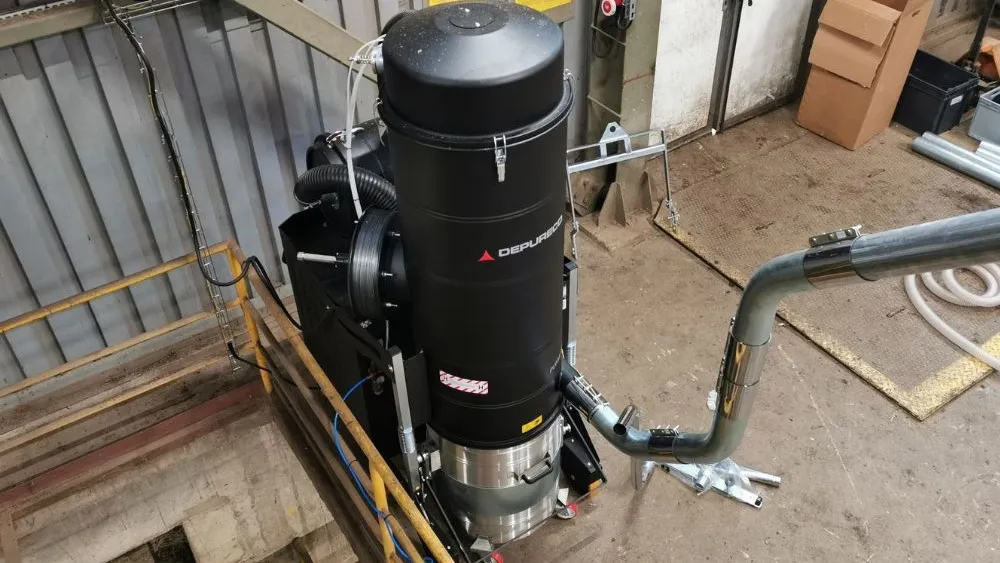
Cyclone interceptors are a key component of industrial Central Vacuum Systems (CVS) designed for the collection of large quantities of material over long distances. Installed upstream of the filtration unit, cyclone separators provide efficient pre-separation of bulk material and heavy dust, protecting the central vacuum system and ensuring stable performance across multiple vacuum points.
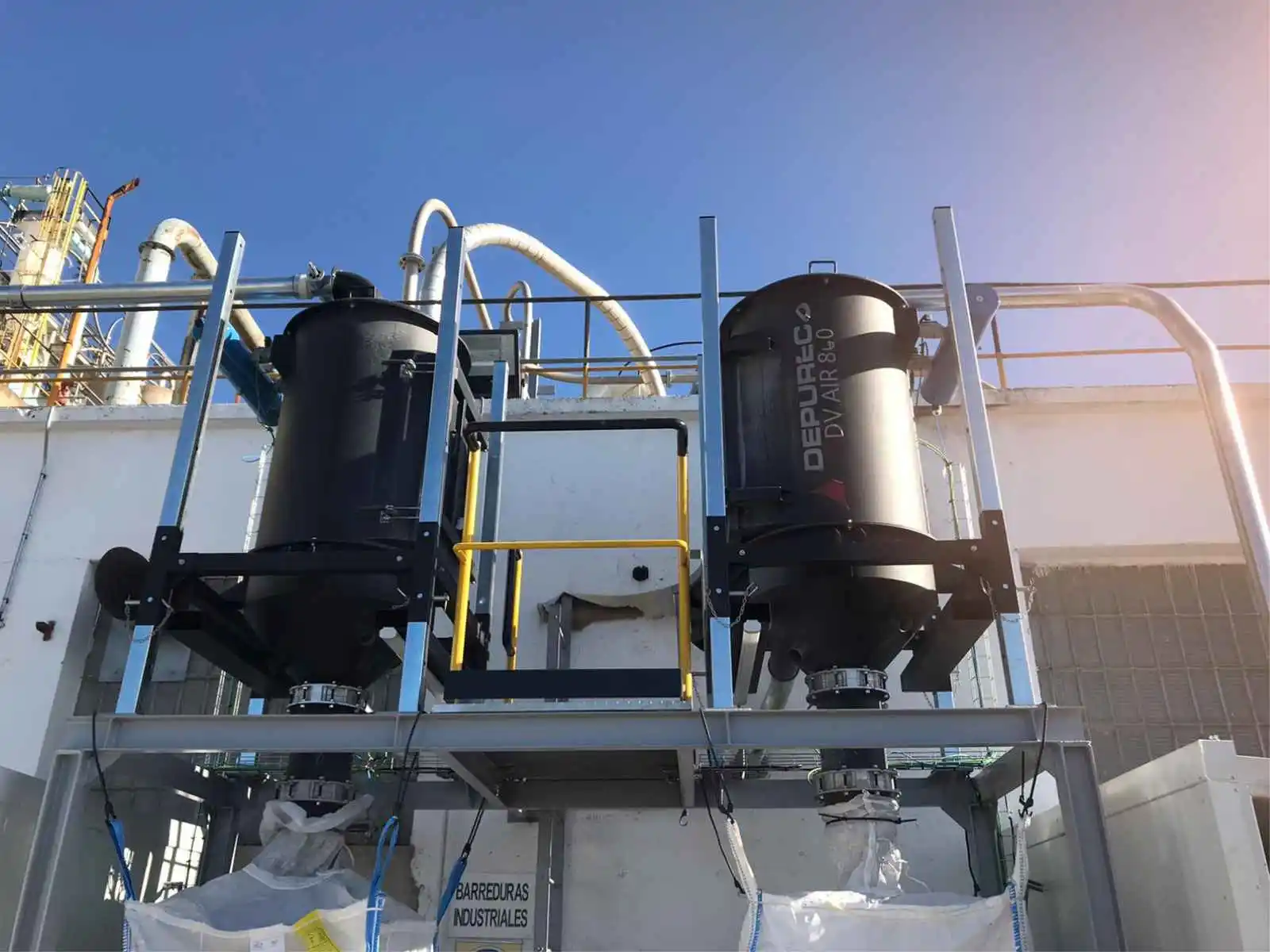
Read moreBy using centrifugal force to separate solids from the airflow, cyclone interceptors reduce filter loading, pressure losses, and maintenance requirements within the central vacuum system. This allows the CVS to maintain consistent airflow and vacuum levels, even in applications involving high material volumes, continuous operation, or multiple operators working simultaneously. Cyclone interceptors are ideal for collecting bulk material, chips, powders, granules, and coarse dust, and can be integrated seamlessly into centralized vacuum layouts. Collected material is discharged into drums, containers, big bags, or automatic discharge systems, enabling easy, safe, and efficient disposal or direct recycling without system downtime. Integrated into a Central Vacuum System, cyclone interceptors improve overall system efficiency, operational safety, and housekeeping performance, while minimizing manual handling and operator exposure. They are a reliable solution for industries requiring high-capacity material collection, clean production environments, and scalable vacuum system design.
Discharge Control Options

Automatic Discharge Systems for Central Vacuum Systems

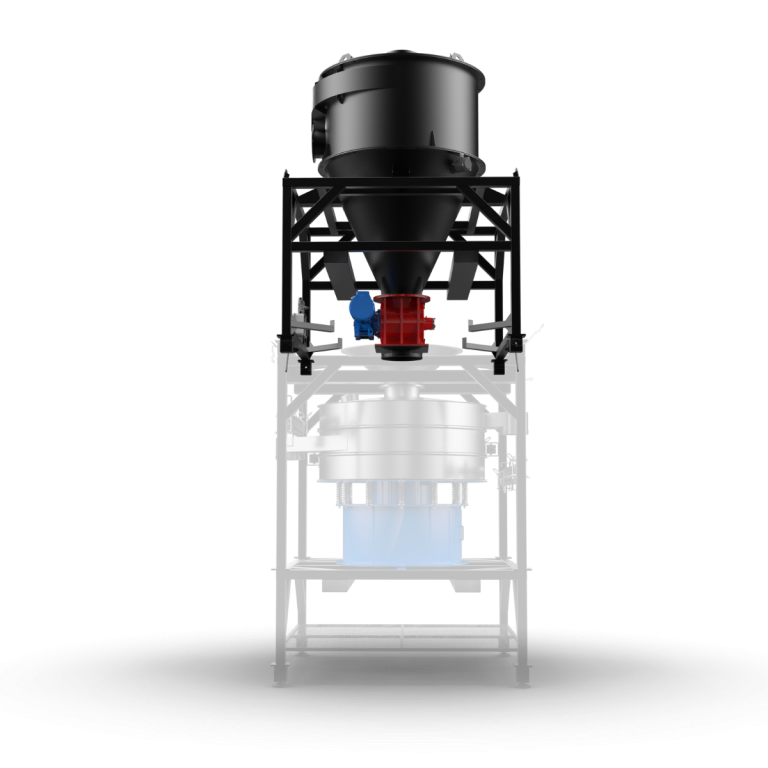
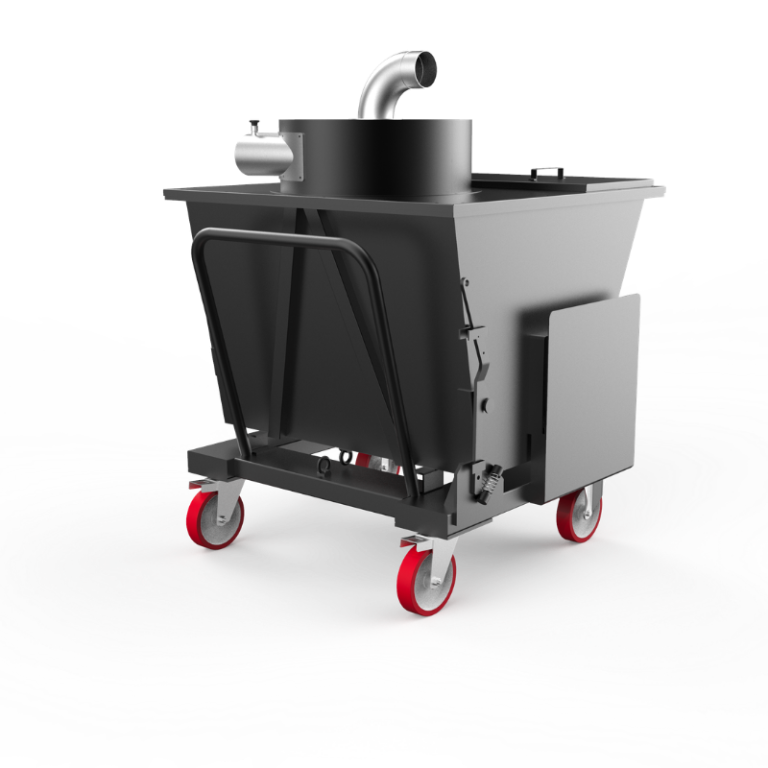
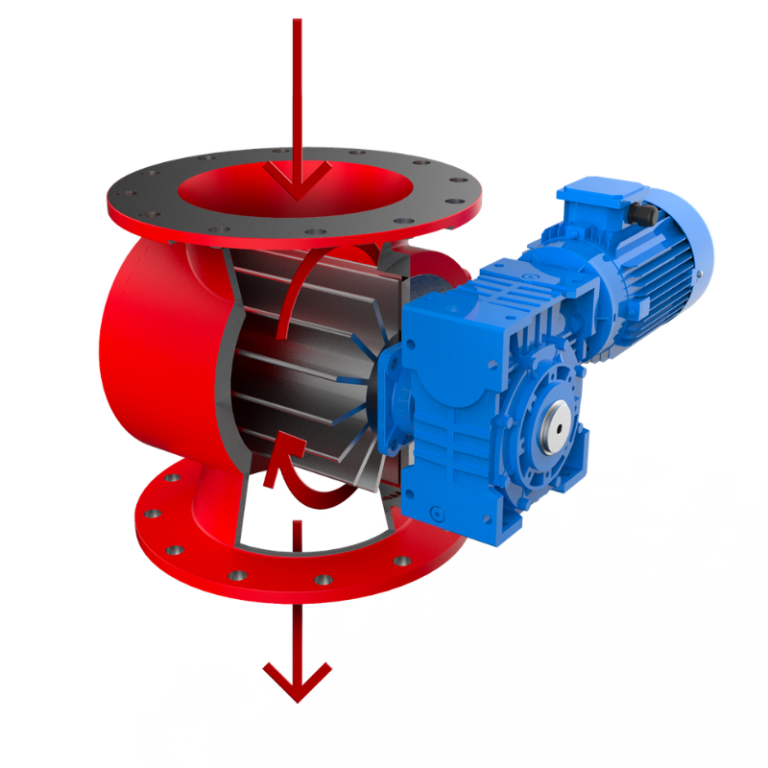
Automatic discharge systems are an essential component of industrial Central Vacuum Systems (CVS) equipped with cyclones, filter cyclones, and hoppers for high-volume material collection. These systems allow collected material to be continuously and safely discharged without interrupting vacuum performance or system operation.

Read more

Installed at the outlet of cyclones, interceptors, filter cyclones, or collection hoppers, automatic discharge devices ensure airtight material removal while maintaining constant vacuum levels. This prevents material buildup, avoids system overload, and supports stable airflow throughout the centralized vacuum network.

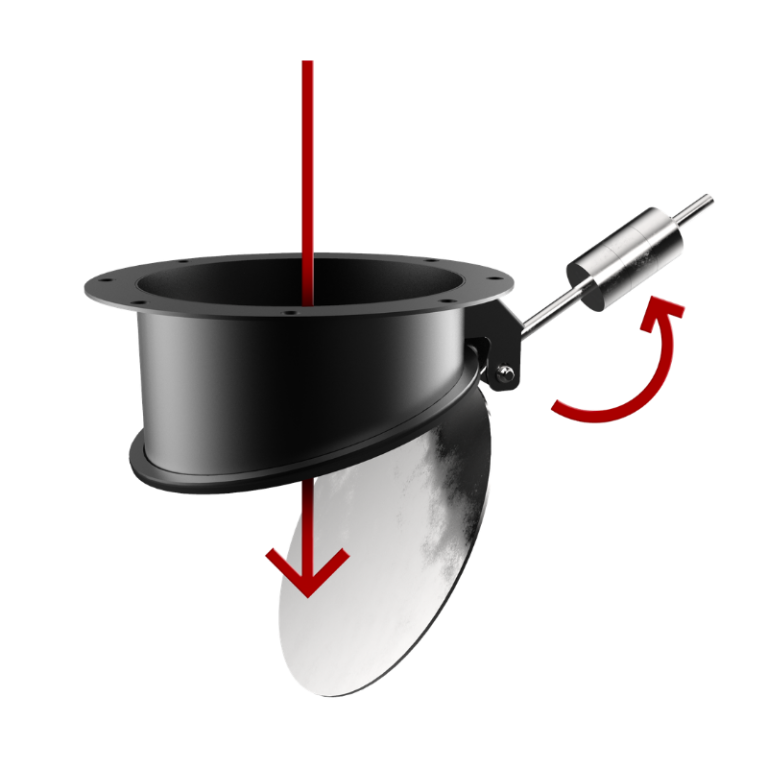
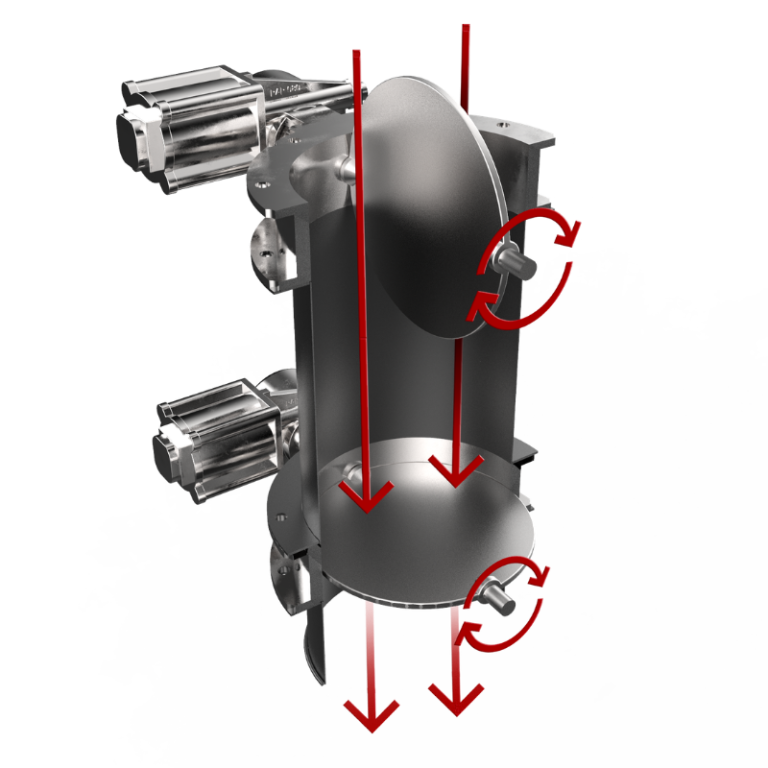
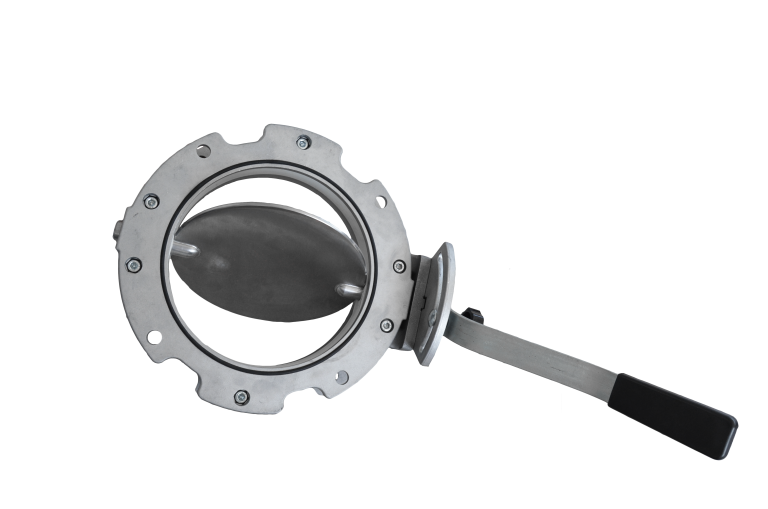
Automatic discharge solutions such as rotary valves, double flap valves, screw dischargers, and motorized rotary feeders are designed to handle fine dust, bulk solids, and heavy material. Their controlled discharge enables easy material disposal or direct recycling, minimizing manual handling and operator exposure.

Integrated into a Central Vacuum System, automatic discharge systems improve process continuity, safety, and housekeeping efficiency, making them ideal for applications requiring continuous operation, large material volumes, and automated material management across industrial environments.

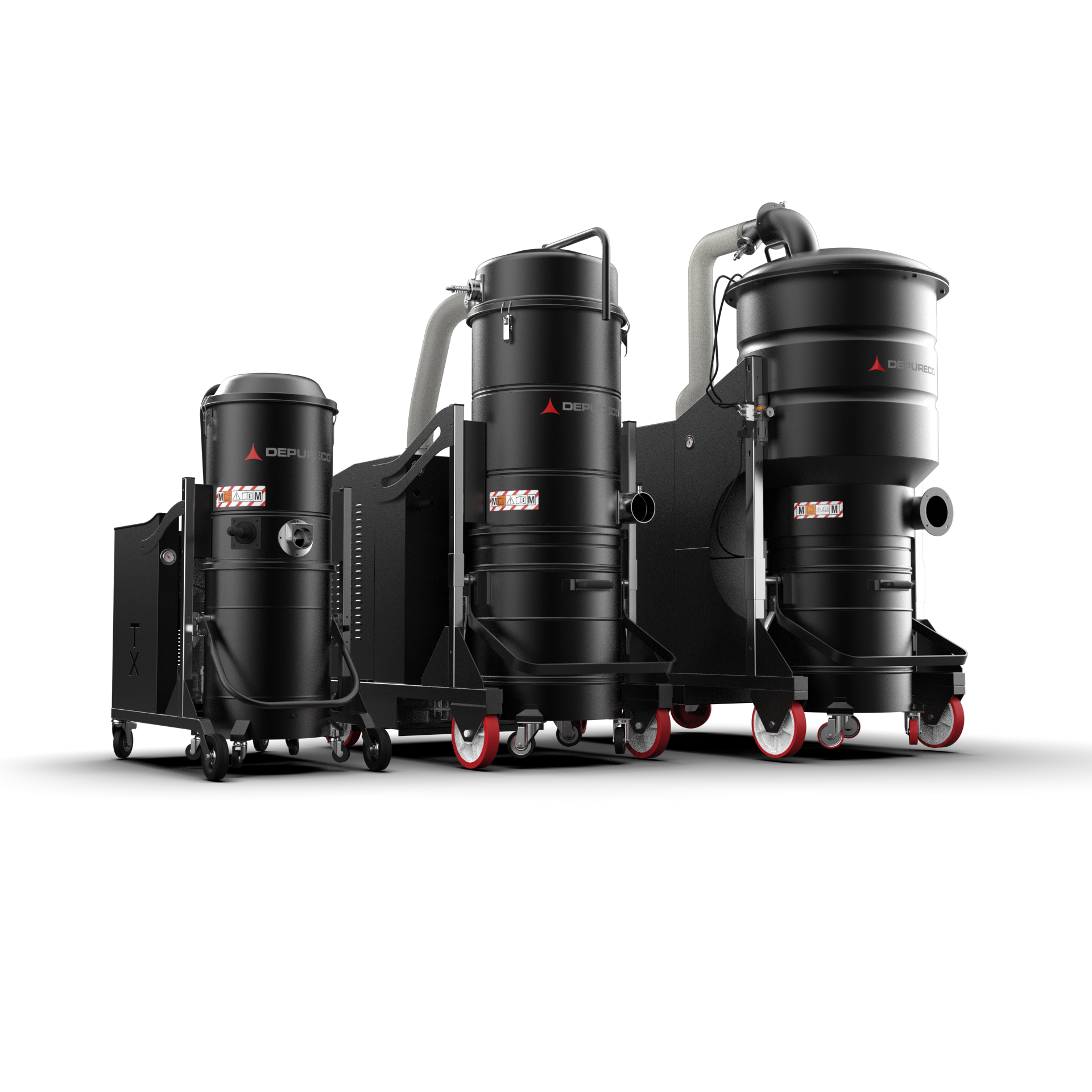
More than 50 years of experience
at your service.

Depureco helps you from the design to the installation

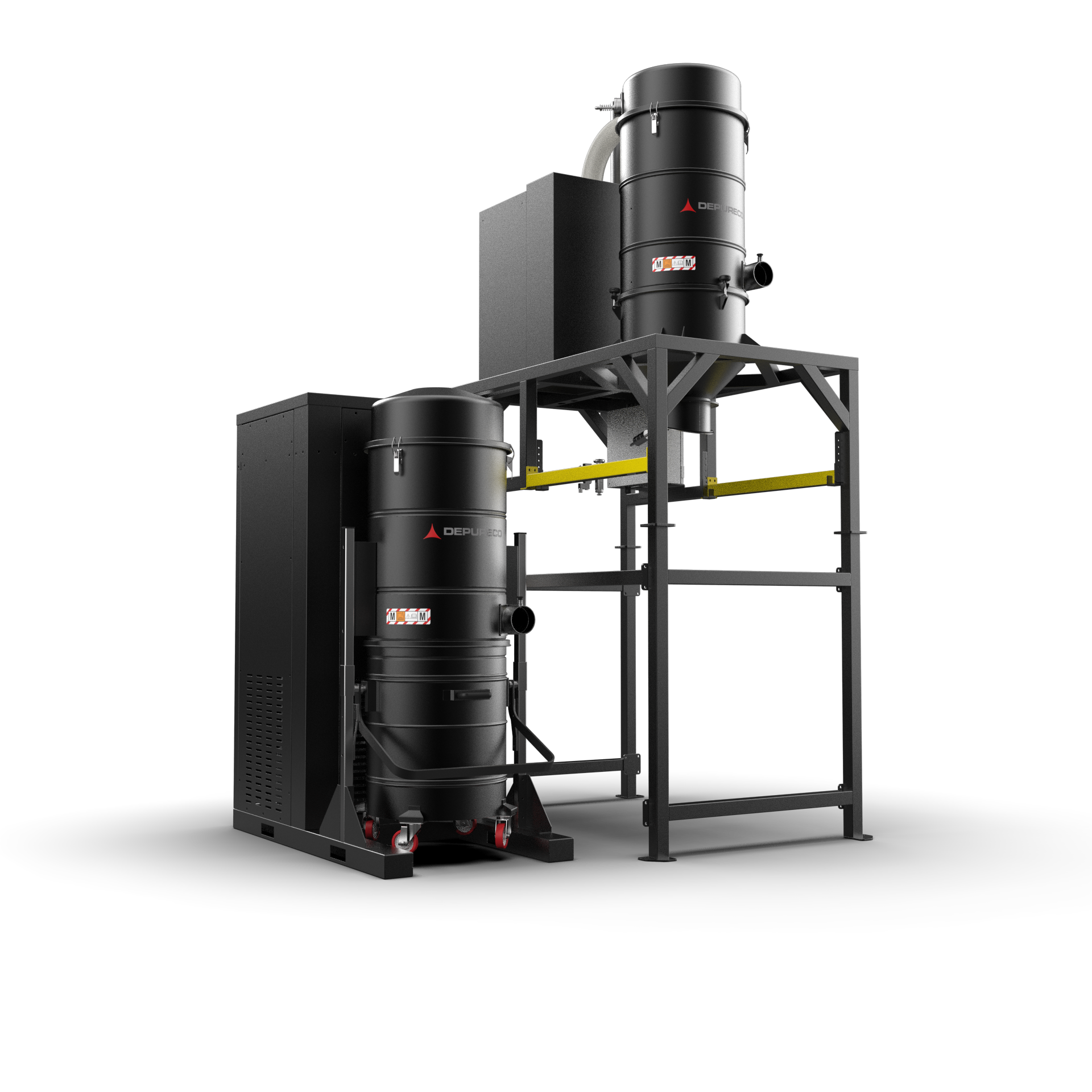
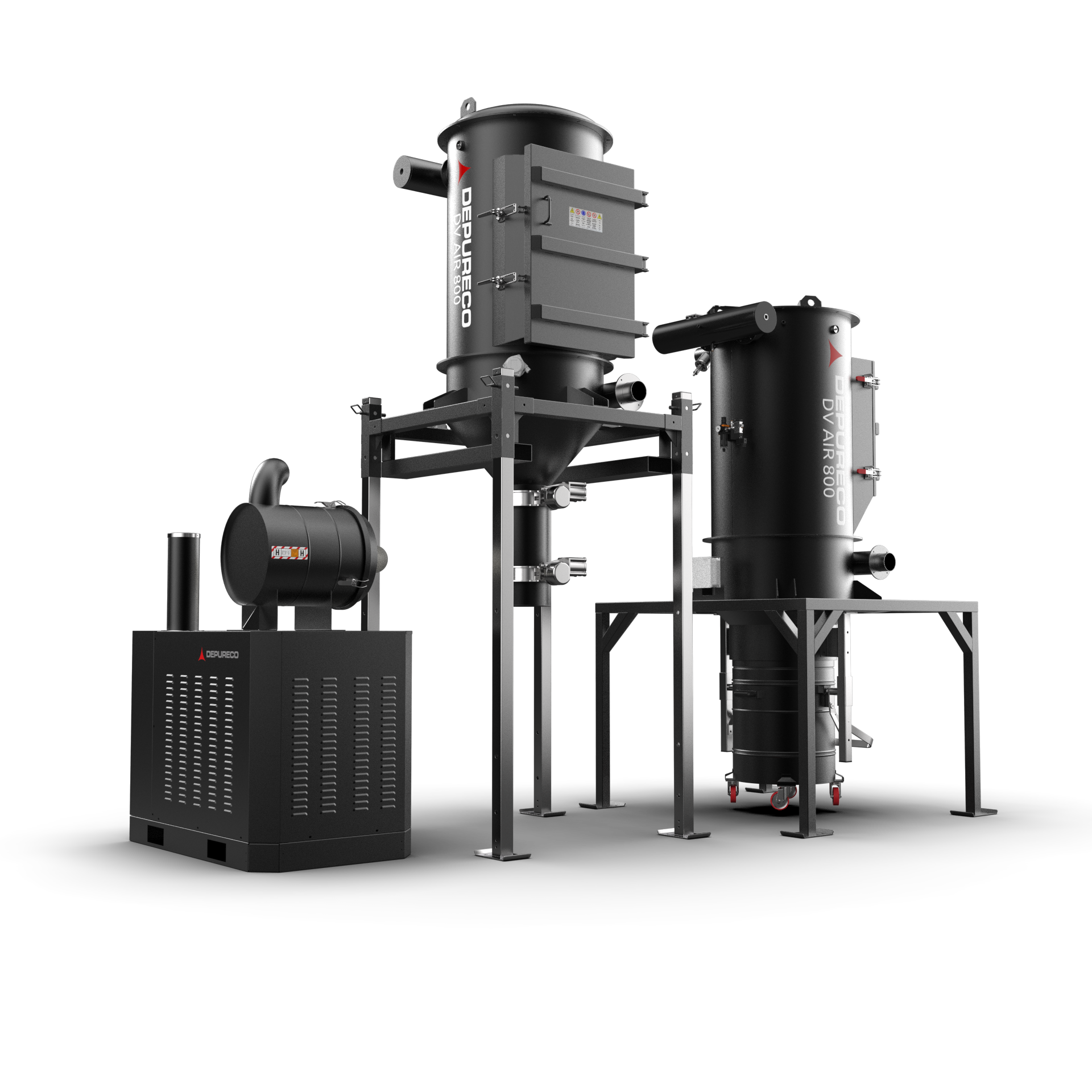
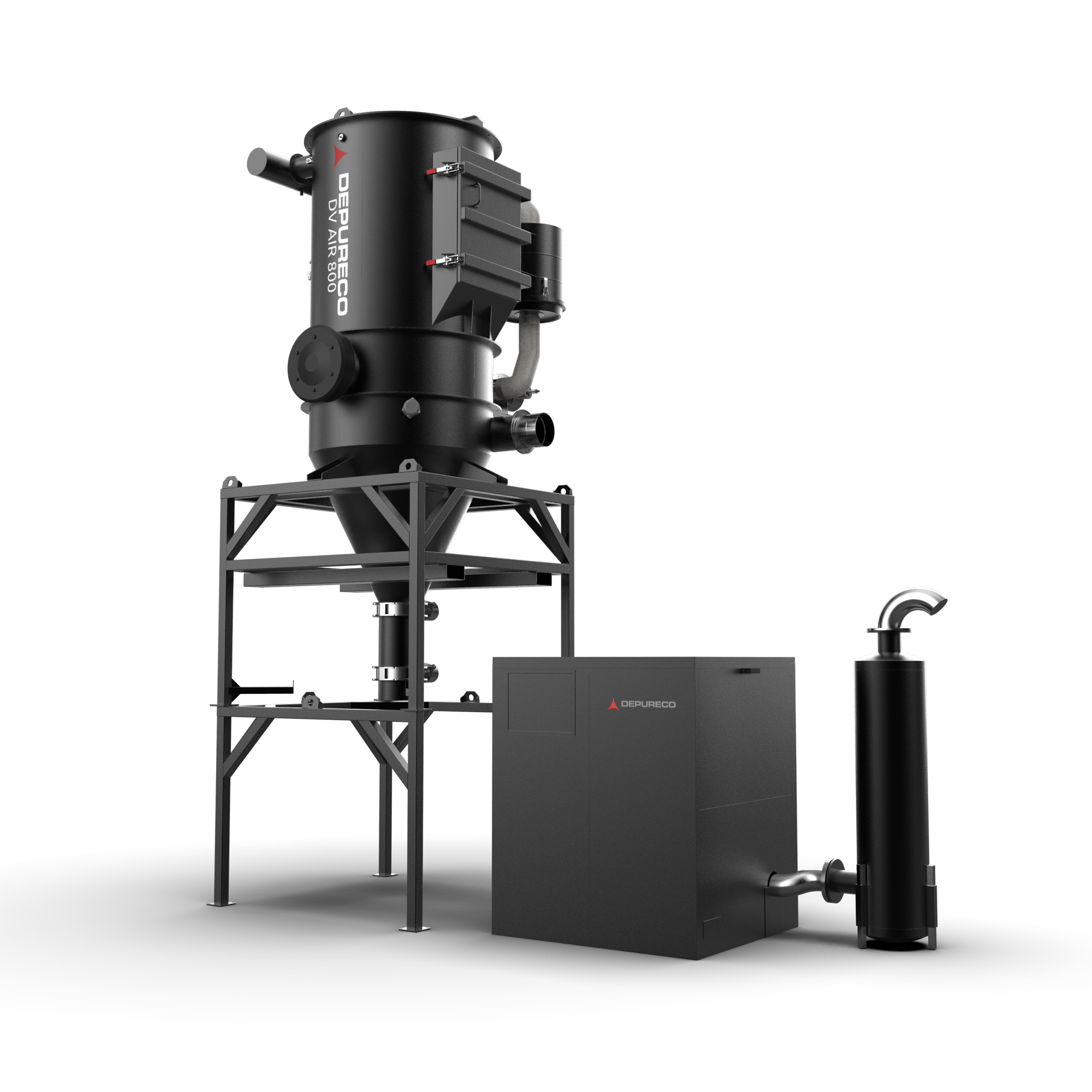
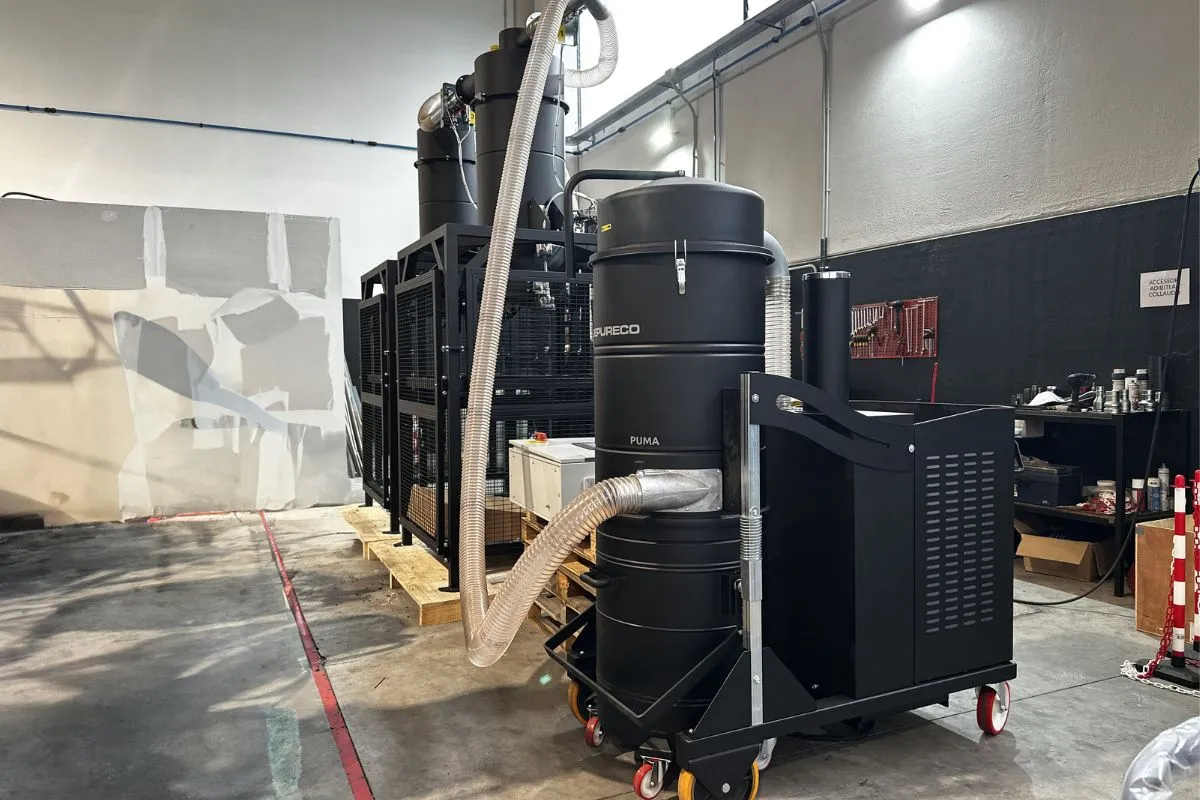
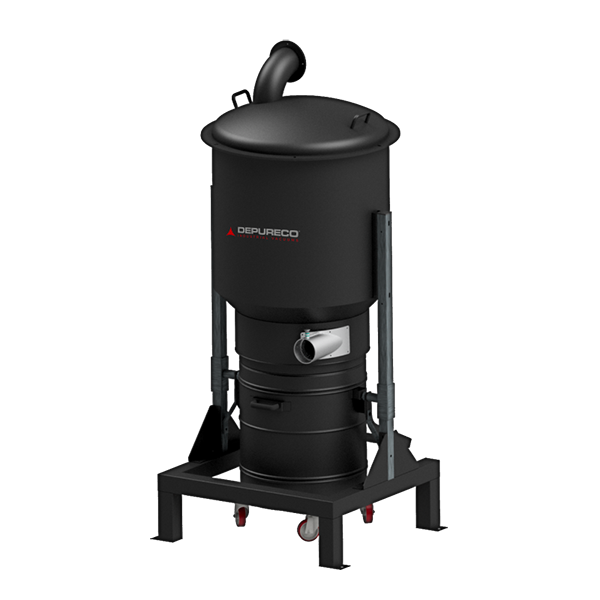
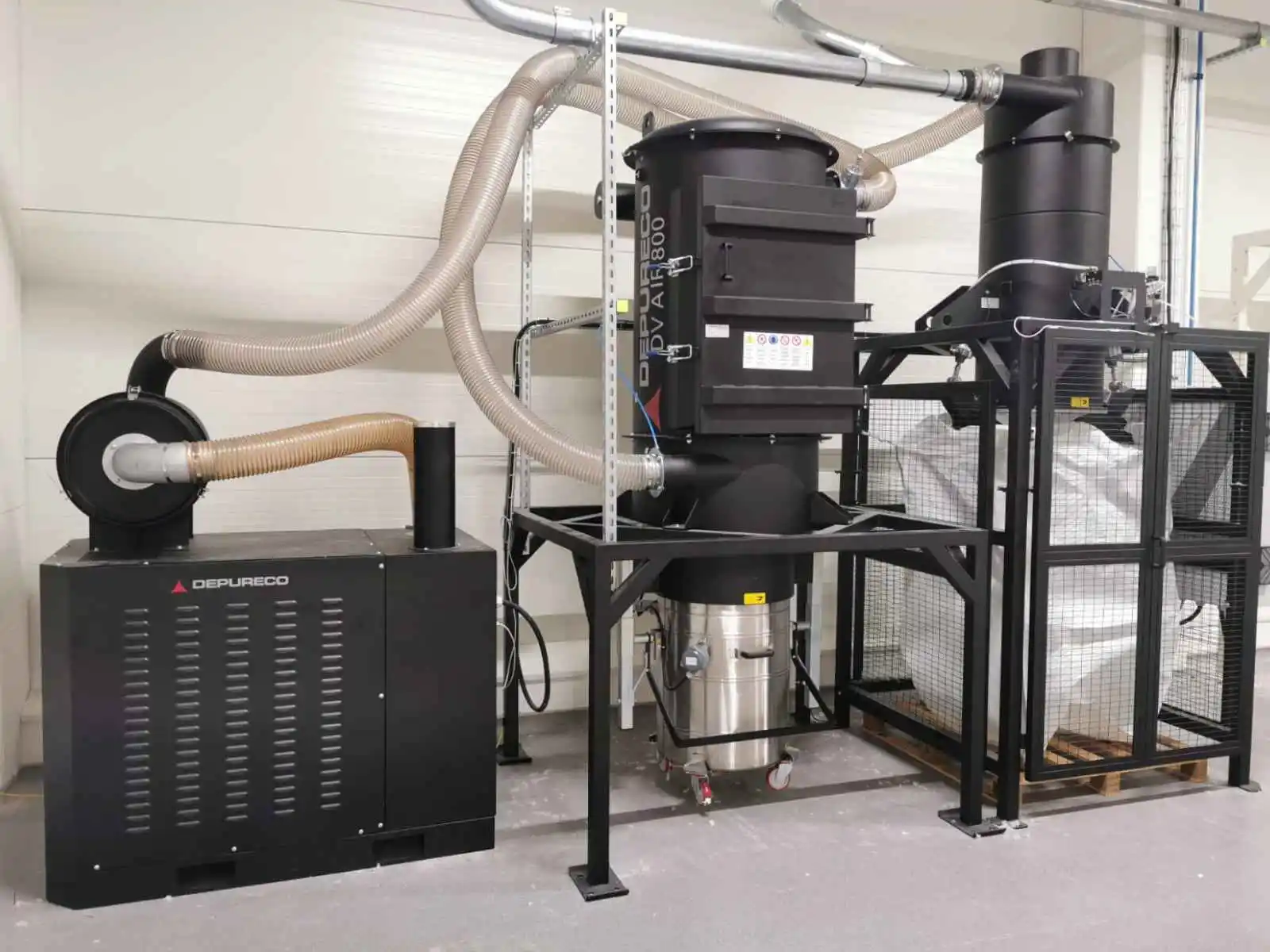
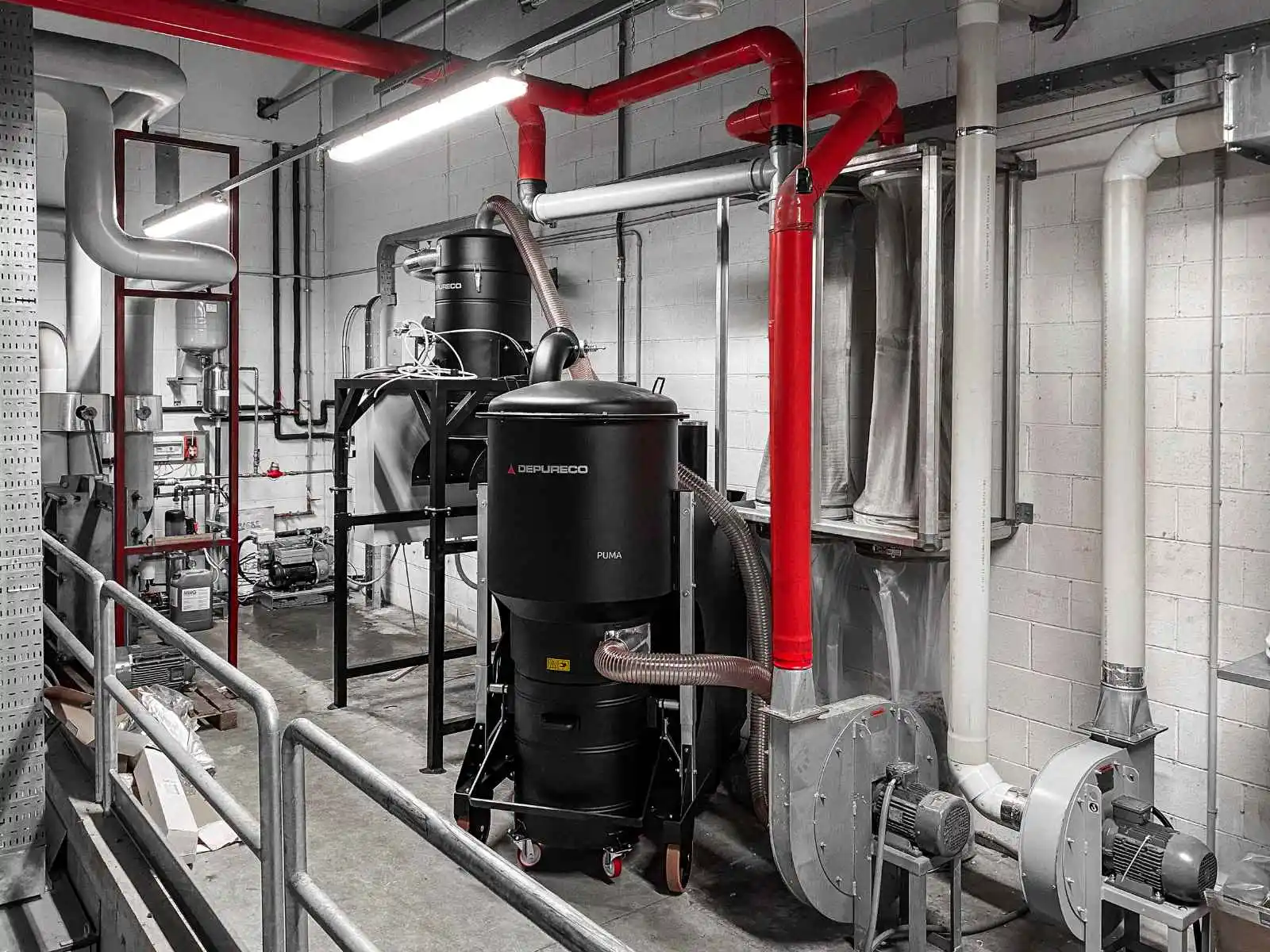
A complete Central Vacuum System (CVS) is composed of four main components: the suction unit, filtration unit, discharge system, and pipework network.

To engineer a central vacuum system that meets the specific needs of an industrial facility, several technical parameters must be carefully evaluated. A key design factor is the distance between the vacuum drops and the location of the suction unit, as this directly affects system losses and performance. Equally important is determining the number of operators required to work simultaneously, as this defines the total airflow demand.

The length and diameter of the flexible hoses used at each vacuum point must also be defined, as these elements influence pressure losses and conveying efficiency. Based on this data, it is possible to calculate the required vacuum level (inH₂O) and airflow (CFM) needed to achieve the correct air velocity for material transport within the pipework.

SUCTION UNIT

FILTER UNIT

DISCHARGE SYSTEM

PIPEWORK

Tailoring your Industrial Central Vacuum System on your specific needs

REQUEST A CVS LAYOUT

Need a central vacuum system built around your plant, material, and workflow?

We design & engineer custom solutions for multi-operator cleaning, long-distance conveyance, efficient discharge, and dependable performance across demanding manufacturing environments.

Higher Efficiency

Streamline production with fast, continuous material collection.

Improved Safety

Maintain a cleaner, safer working environment by reducing dust and contamination.

Greater Productivity

Save time and increase workflow convenience for operators.

Versatile Applications

Ideal for a wide range of industrial settings and operational requirements.
Contact Us

Request a free quote