
Search
Call Depureco Industrial Vacuums Corp USA in Kyle, TX main office phone line for RFQ's, support, and service.

Industrial Vacuum Solutions for Machining Operations

Industrial machining processes create very different collection challenges. CNC milling, turning, drilling, grinding and other machine-tool operations can produce dry chips, wet swarf, cutting fluids, fine particulate, abrasive sludge and general machine debris—and each waste stream may require a different recovery method.

Match the machining process, material condition, collection point and operating demand to the appropriate industrial vacuum or collection approach. For applications centered specifically on dry metal chips, coolant recovery or sump cleanout, follow the dedicated solution links throughout the page.

How to Match an Industrial Vacuum to a Machining Process

The right industrial vacuum depends on more than the machine itself. Two CNC machines in the same facility can require completely different collection methods depending on what they produce and where that material accumulates.

Start with the machining process

Milling, turning, drilling, grinding, sawing and finishing create different chip shapes, particulate sizes and liquid loads.

Identify the waste stream

Determine whether the application involves dry chips, long swarf, wet chips, coolant, cutting oil, fine particulate, abrasive slurry, sludge or mixed production debris.

Identify the collection point

Material may need to be removed from a machine enclosure, chip pan, conveyor discharge, sump, grinder tank, workstation or surrounding floor.

Consider operating demand

Intermittent cleanup around one machine requires a different solution than continuous recovery, repeated servicing of multiple machines or collection across an entire production area.

A machining facility may therefore use more than one type of collection equipment. The goal is to identify the correct solution category for each process before selecting a specific vacuum model or configuration.

Machining Vacuum Solutions by Process

The right vacuum depends on the machine, the waste stream, and how often the area needs to be cleaned.

CNC machining and metalworking equipment can produce very different waste streams depending on the operation, material, tooling, and use of cutting fluids. Dry chips may call for bulk solids recovery, while coolant mixed with swarf requires liquid-solid separation. Grinding and finishing can create fine settled dust or airborne particulate that needs a different collection approach.

This page is a process-based guide to industrial vacuum solutions for machining operations. Instead of organizing around one material or one product family, it helps users match a vacuum solution to the process creating the waste stream, such as CNC turning, grinding, sanding, welding, tumbling, molding, or cold working. Common search terms include machining vacuum systems, vacuum solutions for machining operations, CNC turning vacuum, grinding dust extraction, and welding fume extraction system.

Scroll down to find the best match for your machining operation.
cnc turning

CNC Turning & Lathes

CNC turning and lathe operations generate chips, swarf, cutting fluids, and machine-bed debris that require regular recovery and cleanup.
metal molding

Metal Molding & Forming

Metal molding and forming can produce fragments, fines, oils, lubricants, and mixed production debris around molds, presses, and work areas.
SANDING

Sanding, Polishing & Finishing

Sanding and polishing generate fine metal dust and finishing debris that may require machine-side cleanup or source-capture dust collection.
metal drawing

Metal Drawing

Wire, bar, and tube drawing can create metal fines, shavings, lubricant residue, and debris around dies and production equipment.

metal lamination

Metal Rolling & Lamination

Rolling and lamination processes can produce metallic fines, scale, lubricant residue, and production debris during continuous material processing.
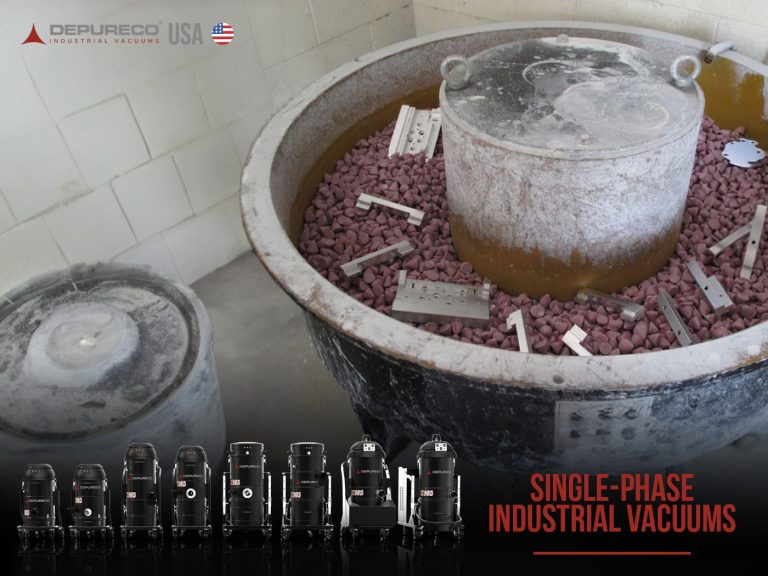
tumbling

Tumbling & Vibratory Finishing

Tumbling and vibratory finishing generate abrasive media, metal fines, chips, and mixed debris around bowls, drums, and finishing equipment.
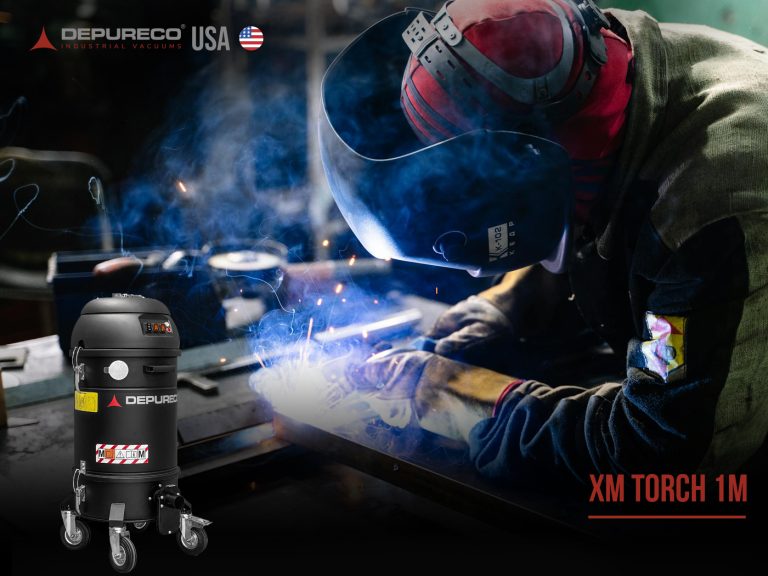
welding

Welding & Fabrication

Welding and fabrication create fumes, fine particulate, slag, and surrounding production debris that require different forms of source capture and cleanup.
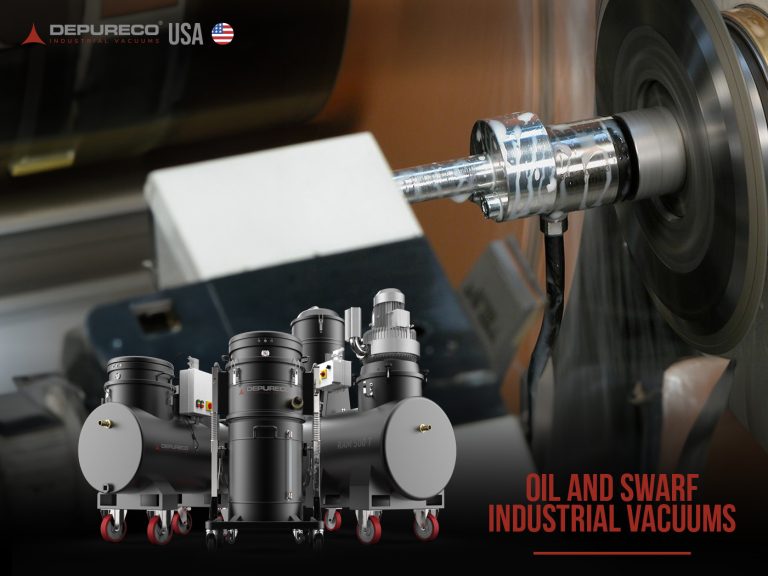
grinding

Metal Grinding

Grinding operations can generate fine metal dust, abrasive debris, swarf, and coolant depending on whether the process is dry or wet.

cold working

Cold Forming & Working

Cold forming and other cold-working processes can create chips, metal fragments, lubricant residue, and debris around presses and forming equipment.
Common Machining Operations and Vacuum Solutions

cnc turning

CNC Turning, Lathes & Turning Centers

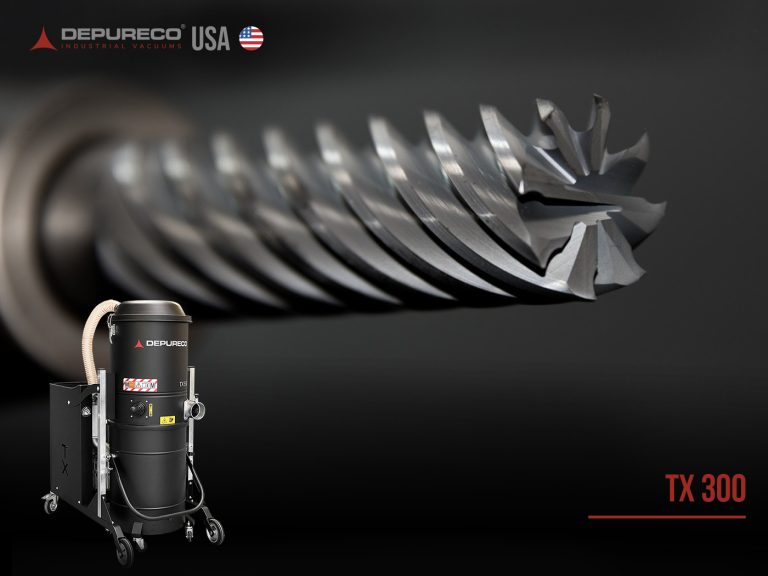
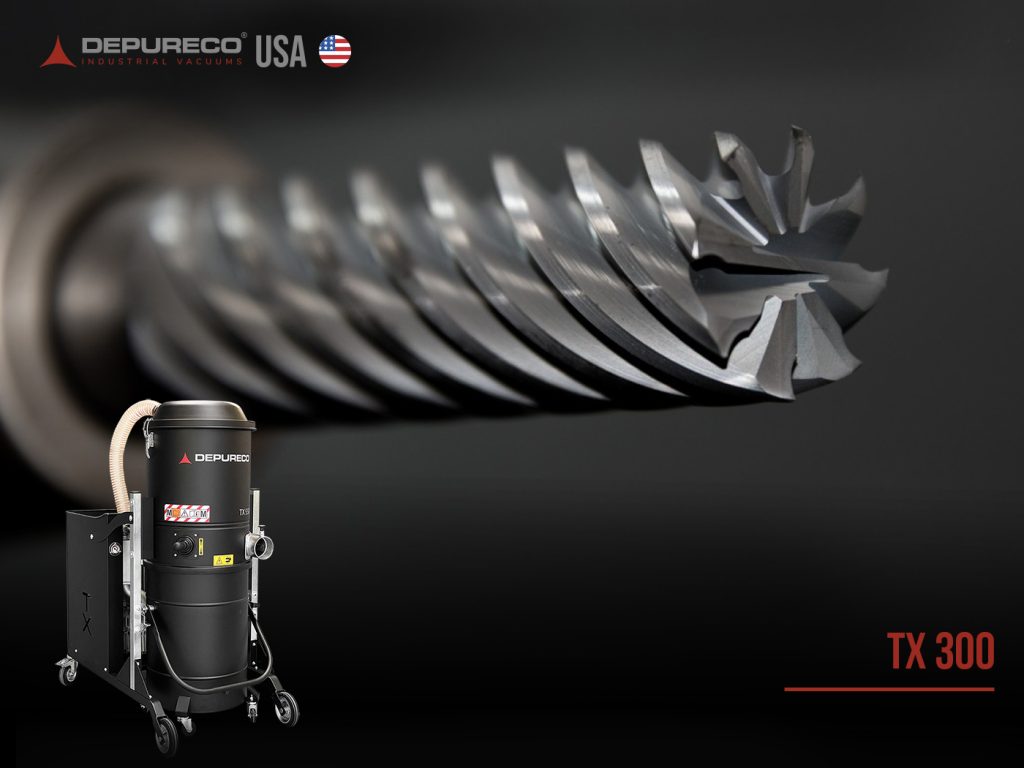
CNC lathes and turning centers can continuously generate short chips, long stringy swarf, spiral chips, cutting oil, coolant, and residue inside the machine enclosure. Chips can accumulate around the chuck, machine bed, chip pan, conveyor, and sump, increasing cleanup time and interfering with routine maintenance.

The Depureco TX series is a strong fit when the application requires heavy-duty, continuous industrial suction for dry chips, swarf, fines, and repeated machine-side cleanup. Its three-phase side-channel-blower platform makes it better suited to sustained production use than a light-duty portable vacuum.

However, turning applications with significant coolant or cutting oil require a different approach. If the primary task is emptying a CNC sump while separating chips from recoverable liquid, a dedicated oil-and-swarf vacuum should be evaluated instead.

Metal Molding & Forming

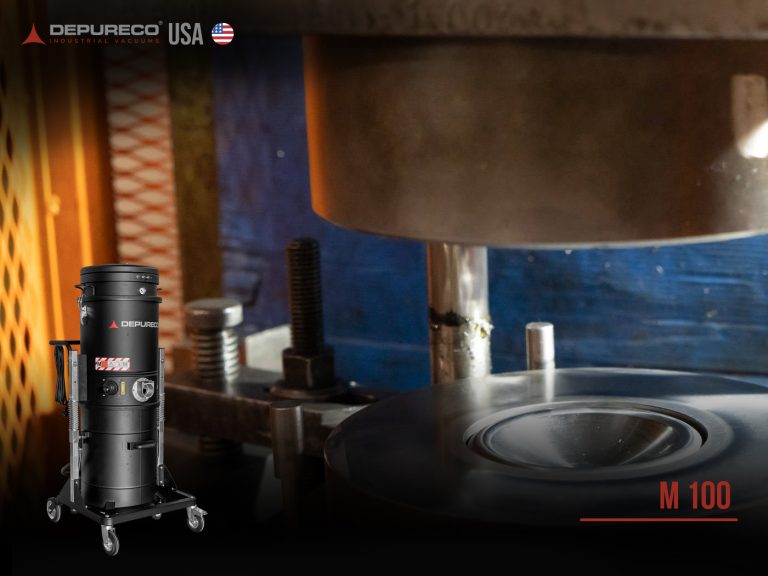
Metal molding and forming operations can leave sharp fragments, metal fines, lubricant residue, dust, and general production debris around molds, dies, presses, and surrounding work areas. Frequent cleanup helps keep tooling and maintenance areas accessible while reducing contamination around the process.

The Depureco M100 is a strong fit for this type of flexible machine-side housekeeping because its portable three-motor platform can handle recurring industrial cleanup around different workstations. The existing page already pairs the M100 with this application because the process may produce a mixed debris stream rather than one highly specialized contaminant.

Where liquid volume becomes significant, a dedicated wet-and-dry or oil-recovery configuration may be more appropriate. Higher production volumes or extended operation may also justify moving from a portable single-phase vacuum to a three-phase platform.

metal molding
SANDING

Sanding, Polishing & Finishing

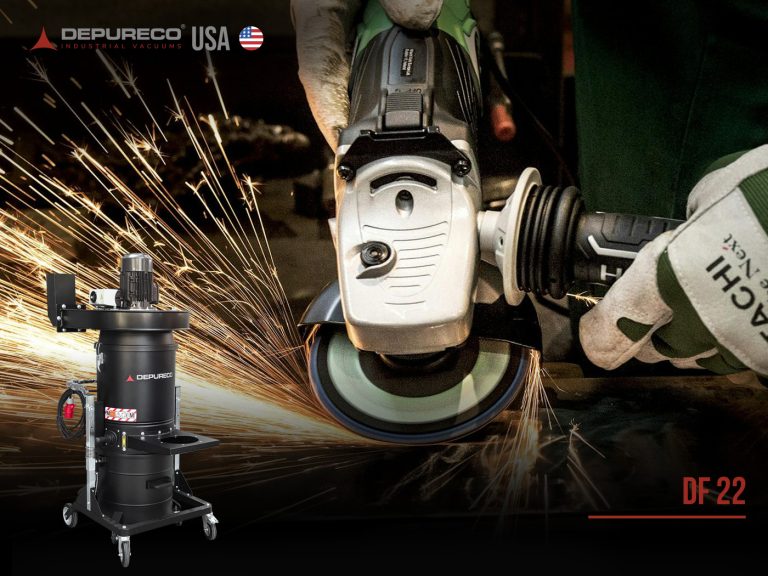
Sanding, polishing, deburring, and finishing can release fine metallic and abrasive dust directly into the work area. Left uncontrolled, this particulate can settle on nearby equipment, enter sensitive components, increase housekeeping requirements, and create unnecessary worker exposure.

The Depureco DF22 is a strong fit for localized sanding and polishing applications because it is designed as a compact industrial dust collector for source capture. The current configuration supports M-Class filtration with optional HEPA filtration, making the DF22 better suited to continuously generated fine particulate than a general floor-cleanup vacuum.

The key distinction is where the dust exists. Use a dust collector when particulate is being generated and remains airborne. Use an industrial vacuum when the material has already settled onto machinery, floors, benches, or other surfaces.

metal drawing

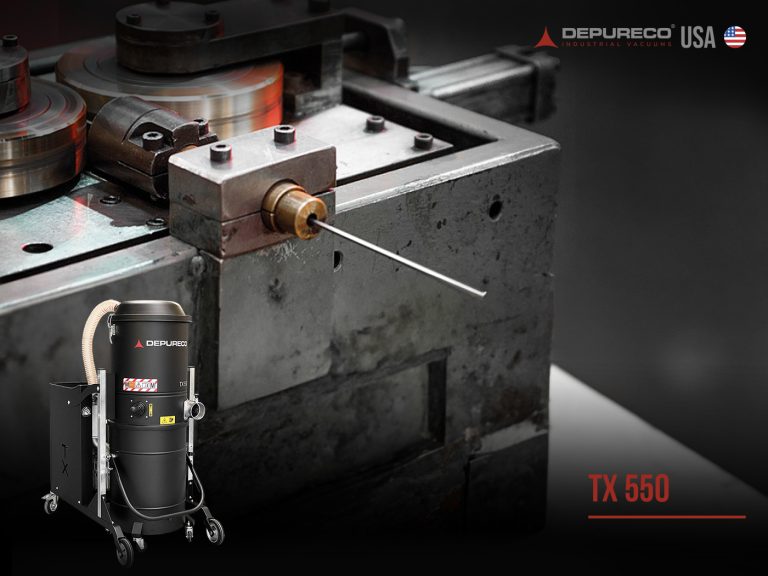
Wire, bar, and tube drawing can produce small shavings, metal fines, lubricant residue, and recurring debris around dies, guides, tooling, and production equipment. Continuous drawing lines can make cleanup especially demanding because debris accumulates throughout long production runs.

The Depureco TX vacuum series is a strong match when continuous-duty suction is needed around a drawing line. Its side-channel-blower platform is designed for sustained industrial operation and can support repeated recovery of dry chips, swarf, fines, and machine-side debris.

If the drawing process produces a significant liquid load, the material stream should be evaluated separately. Oil- or lubricant-heavy recovery can require a sump or liquid-solid vacuum rather than a standard dry-material configuration.

metal drawing
metal lamination

Metal Rolling & Lamination

Rolling and lamination lines can create metallic fines, scale, lubricant residue, trim debris, and contamination around rolls, guides, processing equipment, and floors. Because these operations often run for extended periods, duty cycle and material volume can be more important than portability alone.

Depureco heavy-duty three-phase industrial vacuums are the better starting point when the application requires repeated or extended cleanup during production. A side-channel-blower platform can support longer operating cycles and higher material loading than a small intermittent-duty vacuum.

If several pickup points need regular cleaning across the line, the facility may also benefit from evaluating a stationary or centralized vacuum system.

Tumbling & Vibratory Finishing

Tumbling and vibratory finishing can leave abrasive media, metal fines, chips, compound residue, and mixed debris around bowls, drums, separators, and surrounding workstations.

Depureco wet-and-dry industrial vacuums are a strong starting point because tumbling applications often involve varying material conditions. Dry media and metal fines may require routine solids recovery, while wet compounds or liquid residue require a vacuum configured for mixed wet and dry cleanup.

Where large amounts of heavy media must be recovered, adding a cyclone or pre-separator can increase collection capacity and reduce loading on the vacuum’s primary filter and container.

tumbling
welding

Welding & Fabrication

Welding is a fabrication process rather than a machining operation, but welding cells often sit beside CNC and other metalworking equipment in the same facility. These areas can create both airborne welding fumes and settled debris such as slag, wire fragments, grinding residue, and metal fines.

The Depureco welding fume extraction range is designed to address the airborne portion of that problem through localized source capture. That is different from using an industrial vacuum for settled material after it reaches the workstation, equipment, or floor.

Facilities that machine and weld should therefore treat fume extraction and housekeeping as two related but separate collection requirements.

Metal Grinding

Grinding creates one of the most variable waste streams in a machine shop. Dry surface grinding, tool grinding, centerless grinding, and similar operations may produce fine metallic and abrasive dust. Wet grinding can instead create coolant mixed with fine swarf, sludge, abrasive residue, and metal fines.

For wet grinding applications where material settles in a machine tank or sump, a Depureco sump vacuum can remove contaminated liquid and solids while supporting faster tank cleanout and maintenance. This is especially useful when operators need to recover coolant while separating grinding fines and sludge from the liquid stream.

Dry airborne grinding dust is a different problem. If dust is being generated continuously at the wheel or workstation, use a dust collector or source-capture system rather than relying only on a cleanup vacuum.

grinding
cold working

Cold Forming & Working

Cold forming, cold heading, stamping, and related operations can generate metal fragments, fines, lubricant residue, trimmed material, and debris around presses and production machinery.

The pictured M100 JetClean is a useful fit where the waste stream contains dry fines and recurring production debris because it combines a three-motor single-phase platform with the JetClean filter-cleaning system. The existing page also identifies its 26-gallon collection capacity and uses the model specifically for cold-working cleanup.

For heavier oily debris or significant liquid recovery, use a wet-and-dry or sump vacuum instead. High-volume production lines that need extended operation may justify a larger three-phase system.

Contact Us

Request a free quote