SP – 3C – 14,000
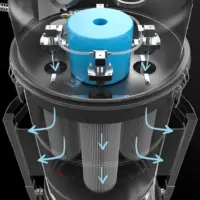
Automatic reverse jet cleaning system. Antistatic M class filter (EN-60335-2-69), 3x Polyester filter cartridges, 14,000 in² filter surface.

From 8.5 to 9 HP

6,975 in²

25.9 to 39.7 inH2O
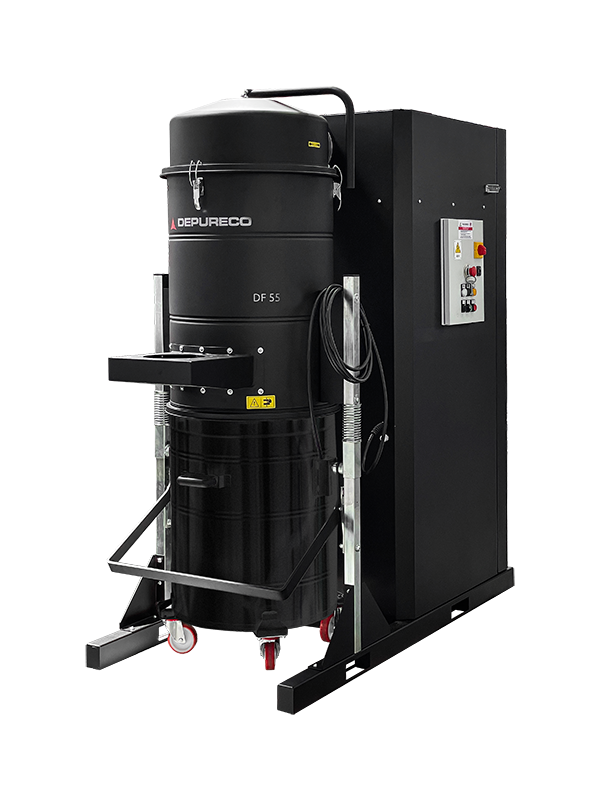
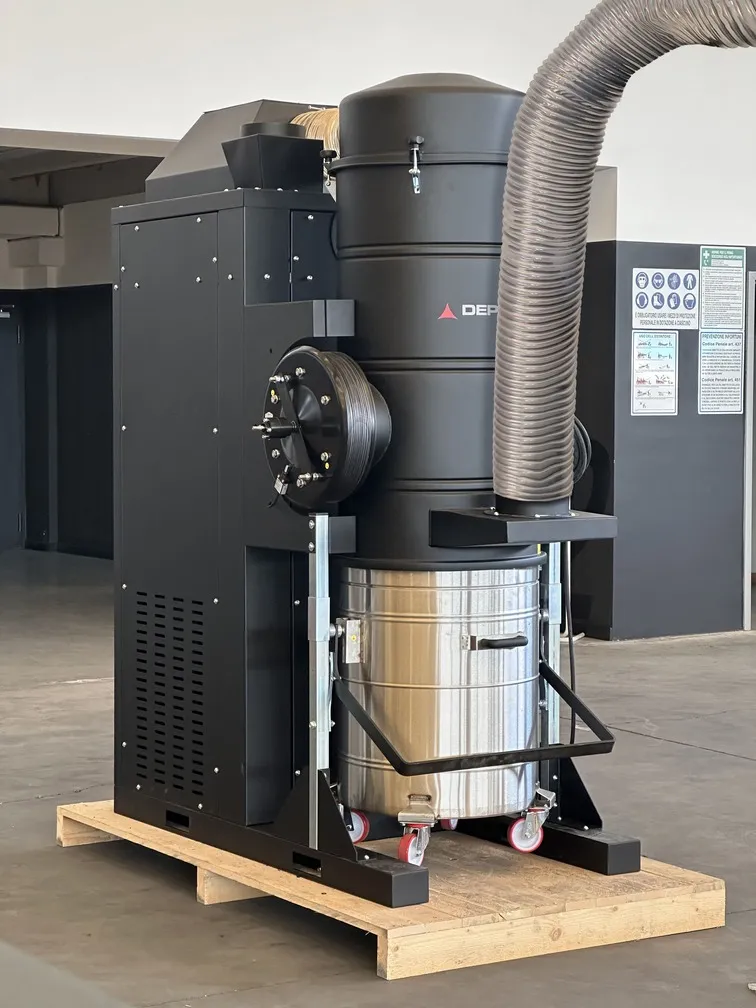
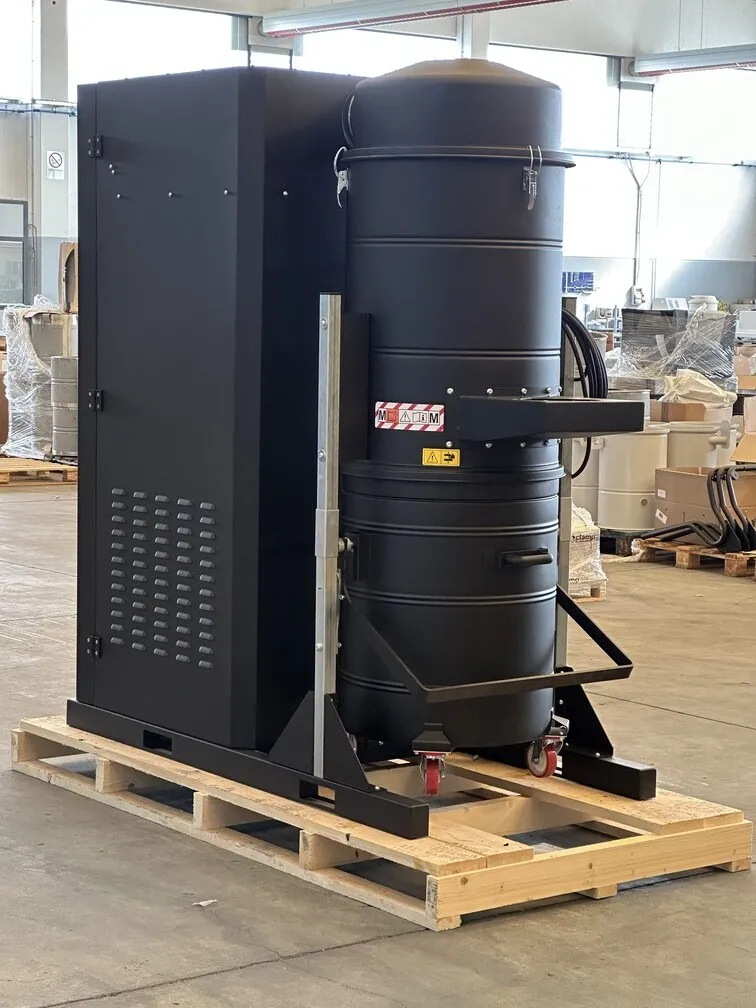
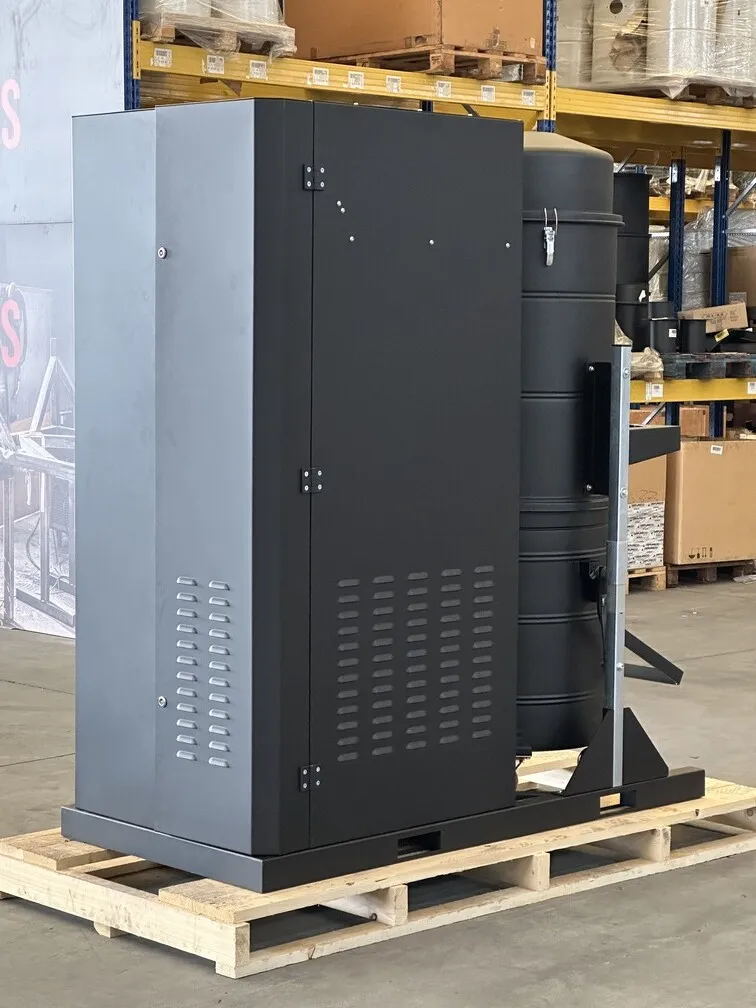
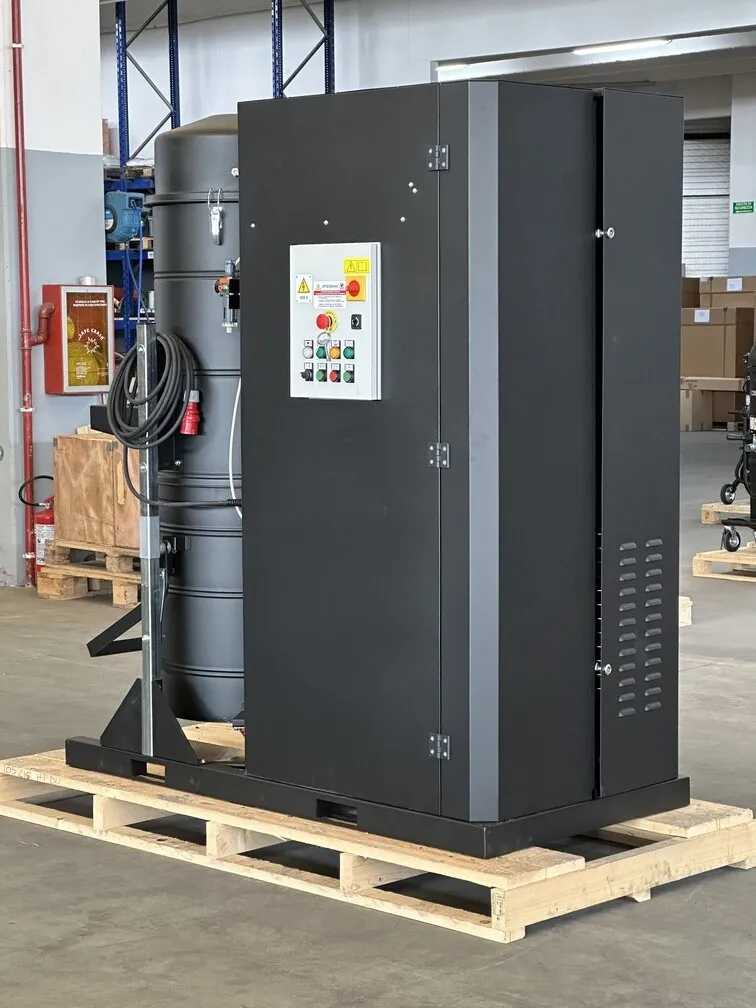
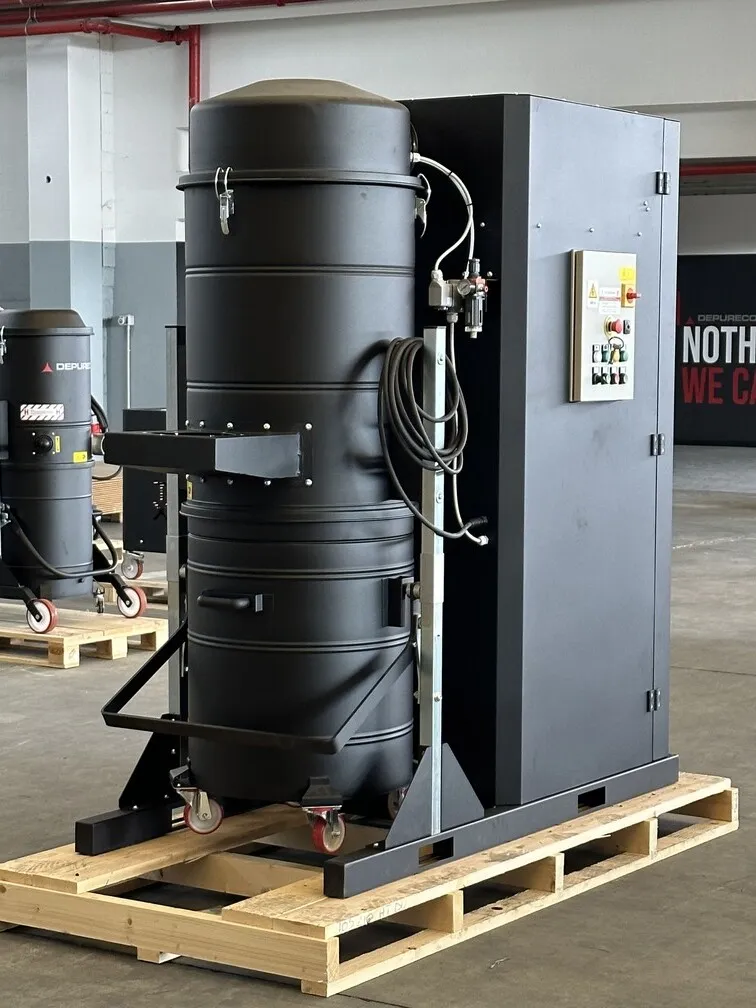
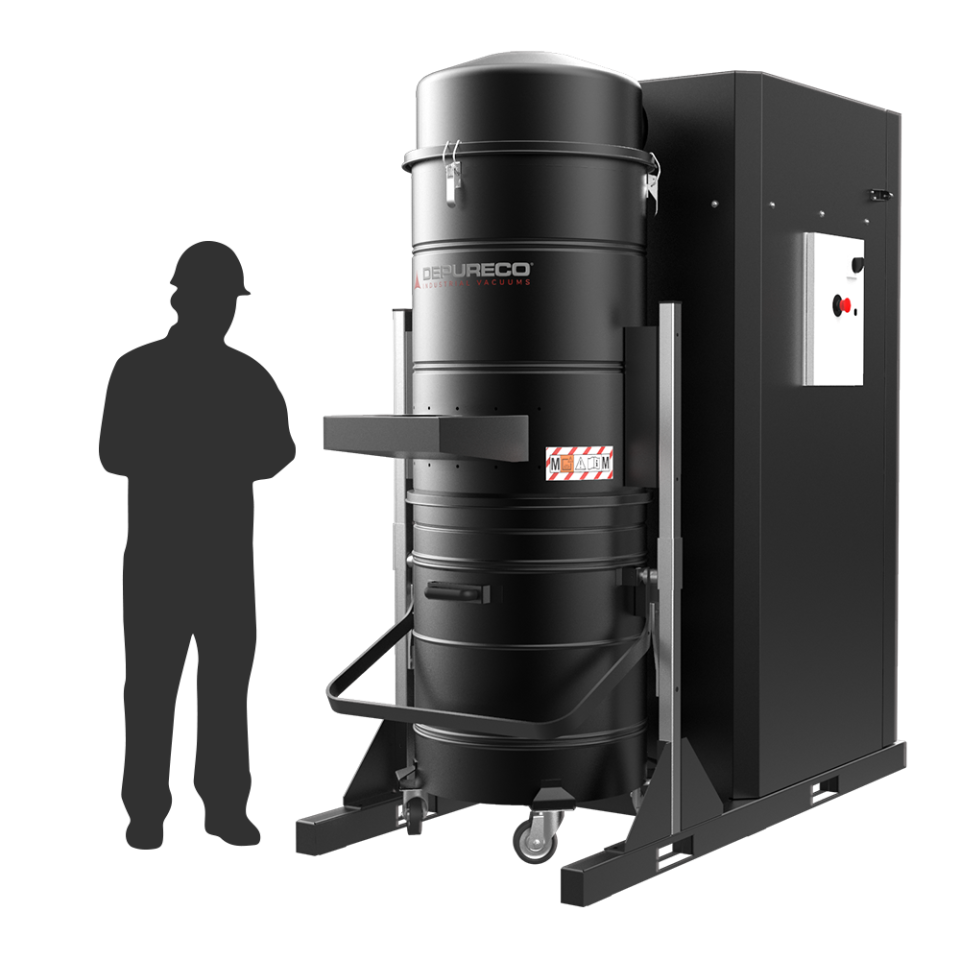
The DF FIX SP stationary dust collector is built for fixed source capture where airborne dust is generated repeatedly at machines, hoods, enclosures, cutting equipment and duct-connected process points. Unlike a mobile industrial vacuum used mainly for settled material cleanup, the DF FIX SP uses high airflow to capture dry process dust closer to where it is generated.
The range includes DF FIX 55 SP and DF FIX 75 SP configurations. Depending on model, fan performance reaches 1,589 to 2,472 CFM with 25.9 to 39.7 inH₂O maximum vacuum. Both configurations use 480 V / 60 Hz three-phase power, a 7.9-inch inlet and a 46-gal detachable collection bin.
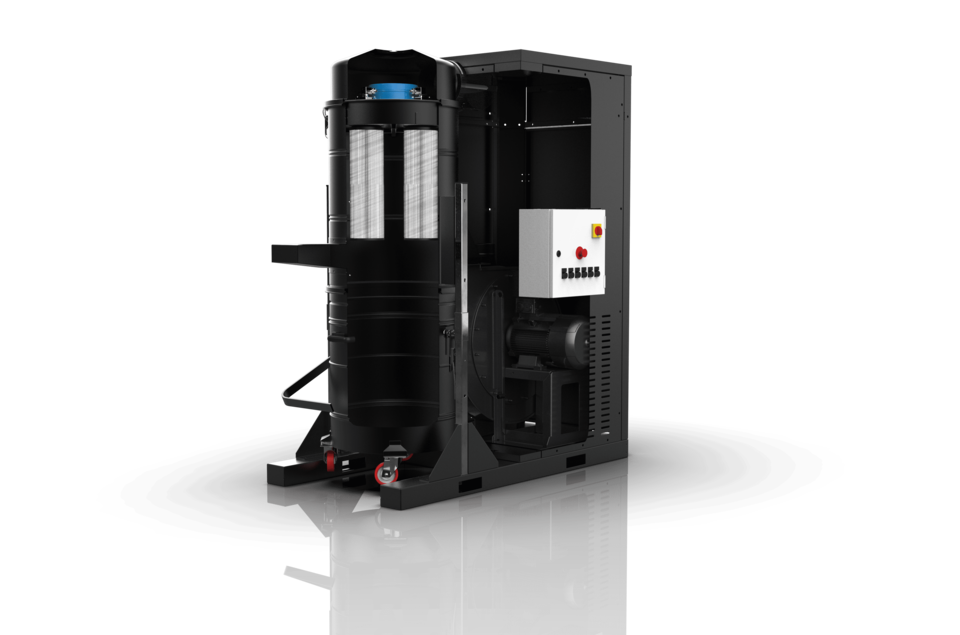
Primary filtration is provided by four polyester Class M cartridges with 18,600 in² of total filter surface. The adjustable, air-operated SP reverse pulse-jet system automatically cleans the cartridges, helping control filter loading during demanding dry-dust service.
DF FIX SP can support machine-connected dust extraction, localized source capture and selected central-system applications involving qualified dry process dust, fine particulate and powders. Available options include antistatic Class M filters, PTFE and antistatic PTFE media, grounding, remote-control predisposition, an AISI 304 stainless steel bin and an H14 fiberglass secondary filter.

The DF FIX 55 SP and 75 SP use 480 V / 60 Hz three-phase fan configurations delivering 1,589–2,472 CFM maximum airflow and 25.9–39.7 inH₂O maximum vacuum for fixed source-capture applications.

Four polyester Class M cartridges provide 18,600 in² of primary filter surface for dry process dust. Antistatic, PTFE and antistatic PTFE filter options are available where the application requires a different media configuration.

The specially designed inlet deflector directs the material towards the container with precision. Depending on specific needs, connection flanges or reduction flanges of various diameters can be easily attached to the deflector.

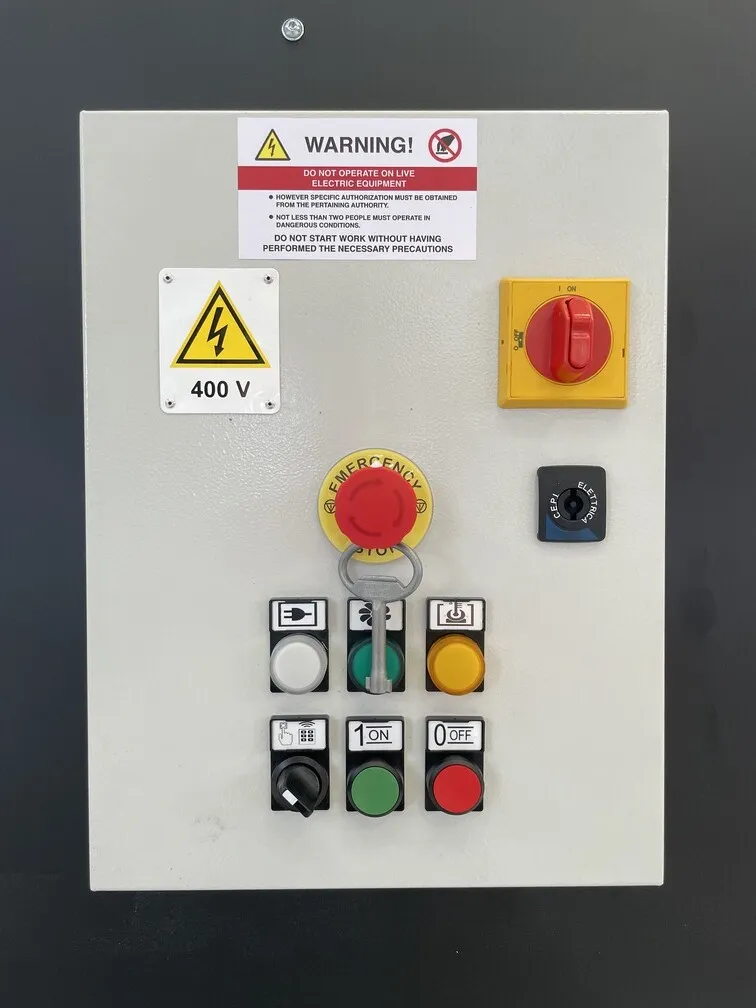
Collected material drops into a 46-gal detachable bin for removal and emptying. An AISI 304 stainless steel bin is available as an option, and remote-control predisposition can be specified for integrated installations.
Automatic reverse jet cleaning system. Antistatic M class filter (EN-60335-2-69), 3x Polyester filter cartridges, 14,000 in² filter surface.
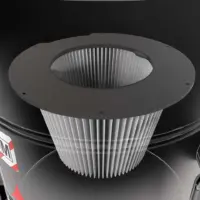
H13 Absolute conical Filter (EN 1822)
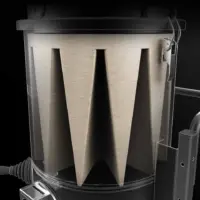
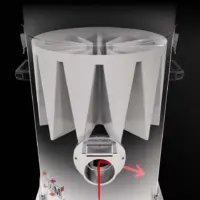
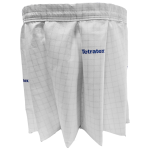
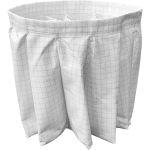
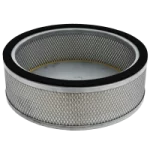
H14 Absolute Filter (EN 1822) Glass fiber
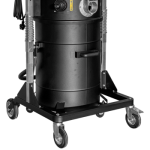

Get answers about using the DF FIX SP for fixed industrial source capture, machine-connected dust extraction, dry powders and process particulate, automatic reverse pulse-jet filter cleaning, model selection, and choosing between stationary, mobile, and centralized dust-collection systems.
The DF FIX SP is a stationary high-airflow dust collector designed for fixed source capture where airborne dust is generated repeatedly at the same machine, enclosure, hood, cutting station, or duct-connected process point.
Rather than being moved between cleanup locations, the DF FIX SP is installed as part of the production process and uses a three-phase fan to continuously draw airborne particulate away from the dust-generating source.
The range includes DF FIX 55 SP and DF FIX 75 SP configurations, providing from 1,589 to 2,472 CFM of maximum airflow. Both models use a 7.9-inch inlet, automatic reverse pulse-jet filter cleaning, and a 46-gallon detachable collection bin.
Typical applications include machine-connected extraction, cutting and trimming processes, sanding, woodworking, plastics and composites processing, powder handling, machining fines, packaging dust, and other repeated dry-dust generation points.
The DF FIX SP is intended for qualified dry process dust, fine particulate, and powders that become airborne during manufacturing.
Typical applications can include dust generated by cutting, trimming, sanding, routing, machining, woodworking, plastics processing, composites manufacturing, powder handling, packaging, and other production operations with a defined extraction point.
The collector can be connected to machine outlets, hoods, enclosures, or localized ductwork so airborne particulate is captured closer to where it is generated instead of being allowed to disperse through the work area.
The exact system still needs to be matched to the dust and process. Particle size, dust concentration, abrasiveness, moisture, temperature, material conductivity, hood geometry, duct resistance, process airflow, and any combustible or hazardous properties can change the required collector configuration.
A material being physically collectable does not automatically mean the standard DF FIX SP configuration is appropriate for every dust hazard.
The DF FIX SP uses four Class M polyester cartridge filters with approximately 18,600 in² of total primary filter surface.
An SP automatic reverse pulse-jet system cleans the cartridges using compressed-air pulses. These pulses help release accumulated dust from the filter media so it falls toward the collection bin, helping control filter loading during repeated source-capture operation.
Automatic cleaning is particularly useful on a stationary dust collector because the machine may remain connected to a production process for longer operating periods than a portable cleanup vacuum.
For applications requiring additional high-efficiency downstream filtration, an optional H14 secondary filter is available. The current H14 option provides approximately 24,800 in² of fiberglass filter surface.
Antistatic Class M, PTFE, and antistatic PTFE filter configurations are also available when the collected material requires different filter-media characteristics.
The primary difference between the DF FIX 55 SP and DF FIX 75 SP is the amount of airflow and vacuum pressure available for the source-capture system.
The DF FIX 55 SP uses an 8.5 HP fan and provides up to 1,589 CFM with 25.9 inH₂O of maximum vacuum.
The DF FIX 75 SP uses a 9 HP fan and increases performance to 2,472 CFM with 39.7 inH₂O of maximum vacuum.
Both models use the same 7.9-inch inlet, 46-gallon collection bin, 18,600 in² Class M cartridge filtration, and SP automatic reverse pulse-jet cleaning system.
Choose between them based on the required airflow at the capture point, hood or enclosure size, duct length and diameter, pressure losses, dust-generation rate, and required capture velocity. The DF FIX 75 SP should not be selected simply because it is the larger model if the DF FIX 55 SP can provide the required performance at the process.
Choose the DF FIX SP when the dust-generating process is permanent and the collector can remain installed at a machine, enclosure, hood, or localized duct-connected extraction point.
A mobile DF 40 may be a better choice when source capture needs to move between machines or production areas. DF FIX SP becomes more appropriate when the extraction point is fixed, automatic filter cleaning is valuable, and a permanent machine connection is preferred.
If the facility needs extensive plant-wide piping, many permanent pickup points, or several processes operating simultaneously, a larger engineered centralized dust-collection or vacuum system may be a better architecture than a single DF FIX SP.
The standard DF FIX SP should also not automatically be assumed suitable for combustible dust or a hazardous classified location. Antistatic filtration, grounding, PTFE media, or HEPA filtration address specific equipment characteristics but do not by themselves establish that the complete collector is suitable for a combustible-dust application.
When combustible, conductive, reactive, or otherwise hazardous dust is involved, equipment selection should begin with the material data, process conditions, Dust Hazard Analysis where applicable, and documented facility area classification.