






M-Class Polyester Primary Filter
An M-Class polyester primary filter is the main working filter used to handle dry industrial dust inside many vacuum systems. It is the baseline filter path for general dry dust, production debris, facility cleanup, and non-liquid material recovery.
What It Is
A dry-dust filter used to handle the main dust load before material can reach later filtration or motor-protection stages.
What It Is Made Of
Typically polyester filter media. Depending on the vacuum model, it may be shaped as a star filter, pocket filter, cartridge filter, or another model-specific geometry.
What It Does
Captures dust as air passes through the vacuum, helps maintain airflow, protects the vacuum system, and supports routine dry material recovery.
Best Used For
General industrial dry dust, facility cleanup, production dust, dry powder, light debris, and non-liquid material recovery.
Common Materials
General dry dust, dry powder, nuisance dust, light production debris, packaging dust, dry process residue, and general housekeeping material.
Why Choose It
Choose M-Class polyester when the material is dry, the dust is not aggressively filter-blinding, and the application needs a reliable primary filter for routine industrial dust collection.
Confirm Before Using
Do not assume a standard polyester primary filter is the right choice for fine hazardous dust, combustible dust, wet material, oily debris, hot residue, sticky powder, or exposure-sensitive cleanup. Those applications may need PTFE media, antistatic media, HEPA final filtration, Nomex, wet filtration, or full system review.
BFL Increased-Surface M-Class Filter
A BFL increased-surface M-Class filter is a larger primary filter designed for applications where dust volume, airflow stability, and filter loading are bigger concerns than filter class alone.
What It Is
A larger-surface primary M-Class filter designed to provide more usable filter area for dust-loading applications.
What It Is Made Of
Typically M-Class polyester media with increased filter surface area compared to smaller primary filters used on lower-loading applications.
What It Does
Gives dust more filter area to load before airflow drops. This can help reduce clogging, cleaning frequency, and performance loss in heavier dry-dust applications.
Best Used For
High dust-loading applications, frequent dry cleanup, fine dust recovery, powder handling, and industrial processes where the vacuum needs more filter capacity.
Common Materials
Fine dust, dry powders, production debris, process dust, lightweight bulk dust, and high-volume dry particulate.
Why Choose It
Choose increased surface area when the issue is not just dust class, but dust volume and airflow stability. A larger filter can help the vacuum maintain performance longer between cleaning cycles.
Confirm Before Using
Increased surface area does not change the dust hazard. If the material is combustible, toxic, respirable, hot, wet, oily, sticky, or static-sensitive, the full filter and system configuration still needs review.

PTFE / Teflon-Coated Filter
A PTFE or Teflon-coated industrial vacuum filter is a primary dry-dust filter designed to improve dust release from the filter surface, helping the vacuum maintain airflow longer in fine or filter-blinding dust applications.
What It Is
A primary dry-dust filter designed to improve dust release from the filter surface.
What It Is Made Of
Most PTFE vacuum filters use a polyester base media with a PTFE/Teflon treatment or coating.
What It Does
PTFE helps reduce filter blinding when fine, sticky, or difficult dust clings to standard filter media. This helps the filter clean more effectively and can help maintain airflow longer between cleaning cycles.
Best Used For
Fine dust, filter-blinding dust, powder dust, sticky powders, concrete dust, silica dust, pigments, powder coating residue, and other dry dust that loads a standard polyester filter too quickly.
Common Materials
Silica, concrete dust, graphite, pigment powders, carbon fiber dust, fine metal dust, pharmaceutical powders, food powders, toner, and fine dry particulate.
Why Choose It
Choose PTFE when the problem is filter loading, dust release, or airflow loss caused by fine or sticky dust.
Confirm Before Using
PTFE is not the same as HEPA. If the dust is toxic, respirable, hazardous, or exposure-sensitive, the vacuum may also need H13 or H14 final filtration.
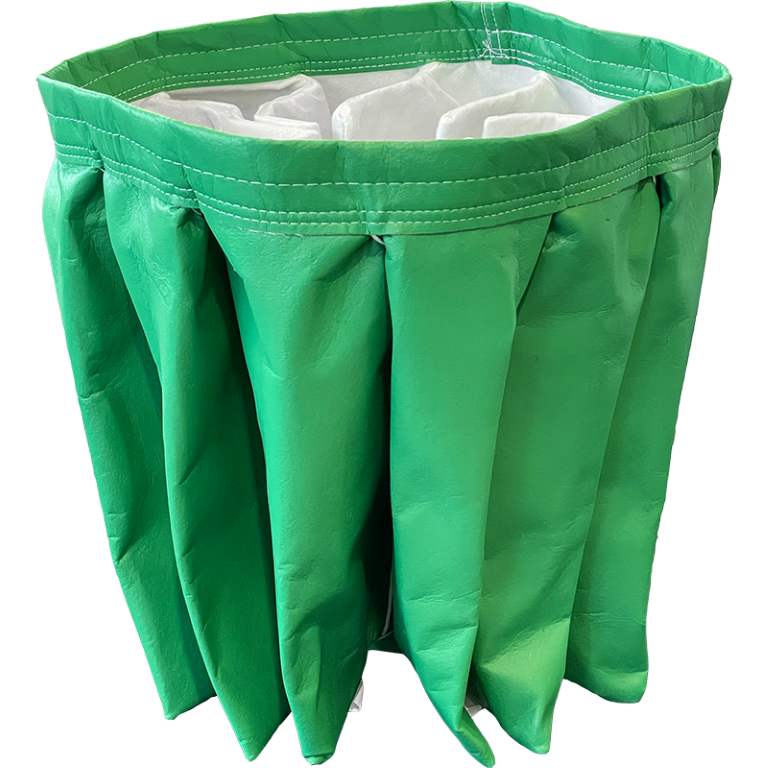
MTF Teflon-Coated Polyester Filter
An MTF Teflon-coated polyester filter is a primary dry-dust filter made to improve dust release when fine, sticky, or difficult powders cling to standard polyester media.
What It Is
An MTF Teflon-coated polyester filter is a polyester primary filter treated with a Teflon-style coating to improve dust release.
What It Is Made Of
It is made from polyester filter media with a Teflon coating or treatment.
What It Does
The coating helps reduce sticking, loading, and filter blinding when dust does not release well from standard polyester media.
Best Used For
Sticky dry powders, fine powder, powder coating residue, chemical powders, cosmetics powders, food powders, and other material that clings to filter media.
Common Materials
Powder coating residue, pigment, flour, spices, additives, chemical powder, cosmetic powder, fine process dust, and some oily-residue dry dust paths where compatible.
Why Choose It
Choose MTF/Teflon-coated media when standard polyester loads too fast, but the application is still primarily a dry-dust filtration problem.
Confirm Before Using
Teflon-coated media is not a universal upgrade. Wet, oily, hot, hazardous, combustible, or conductive materials may need a different filter path or full system configuration.

ANT M Antistatic M-Class Filter
An ANT M antistatic M-Class filter is a primary dry-dust filter designed to capture dust while helping reduce static buildup at the filter media.
What It Is
An ANT M antistatic M-Class filter is a primary dry-dust filter designed to reduce static buildup at the filter media.
What It Is Made Of
It is typically made from antistatic polyester media.
What It Does
The filter captures dry dust while helping reduce static accumulation at the filter. This can matter when collecting materials that generate static during movement through the hose and vacuum system.
Best Used For
Static-sensitive dry dust, combustible dust review paths, plastic dust, food powders, chemical powders, and dry material that may need antistatic filtration support.
Common Materials
Flour, sugar, plastic dust, resin dust, graphite, carbon black, powder coatings, food powders, chemical powders, and fine dry particulate.
Why Choose It
Choose antistatic filter media when static behavior is part of the application review and the filter itself needs to support a safer static-control path.
Confirm Before Using
Antistatic filter media is not the same as a conductive and grounded vacuum system. Combustible dust or ignition-sensitive material may require conductive hose, grounded tools, bonding, specific vacuum configuration, and area-classification review.

PTFE ANT Antistatic PTFE Filter
A PTFE ANT filter combines dust-release performance with antistatic media properties, making it a strong option for fine, sticky, static-sensitive dry dust applications.
What It Is
A PTFE ANT filter combines dust-release behavior with antistatic media properties.
What It Is Made Of
It is typically made from polyester media with PTFE/Teflon-style treatment and antistatic properties.
What It Does
It helps dust release from the filter while also reducing static buildup at the filter media.
Best Used For
Fine, sticky, static-sensitive dry dust where both filter blinding and static behavior need review.
Common Materials
Graphite, carbon black, plastic dust, food powder, combustible powder, pigment, powder coating residue, fine chemical powder, and some fine metal powder review paths.
Why Choose It
Choose PTFE ANT when the application has two problems at once: the dust loads or sticks to the filter, and the material may require antistatic filtration support.
Confirm Before Using
This filter does not make a vacuum system automatically suitable for combustible dust. The full machine, hose, tools, grounding path, collection method, and hazard profile must be reviewed.

HEPA H13 Final Filter
An H13 HEPA filter is a high-efficiency final filtration stage used behind the primary filter when an application needs finer downstream particulate control.
What It Is
An H13 HEPA filter is a high-efficiency final filtration stage used behind the primary filter in applications that need finer particulate control.
What It Is Made Of
HEPA filters are commonly built with high-efficiency filter media such as glass fiber or other HEPA-rated media, depending on model and configuration.
What It Does
The H13 filter captures fine downstream particulate after the primary filter has handled the main dust load.
Best Used For
Fine particulate, respirable dust, toxic dust review paths, hazardous fine dust, lead dust, silica dust, and exposure-sensitive cleanup where H13 is the right confirmed HEPA path.
Common Materials
Silica, concrete dust, lead dust, GSR, pharmaceutical powder, carbon dust, fine metal dust, ceramic dust, pigment powder, and other respirable or controlled fine particulate.
Why Choose It
Choose H13 when the application needs HEPA-level final filtration, but the required configuration does not call for H14.
Confirm Before Using
HEPA is not the bulk-loading filter. The primary filter still matters. High dust volume may also require PTFE, pre-separation, Longopac, or additional filter surface area to protect HEPA life.
HEPA H14 Final Filter / HEPA 14 Kit
An H14 HEPA filter or HEPA 14 kit is a higher-efficiency final filtration path used when the application, dust hazard, or internal procedure requires a stricter HEPA stage.
What It Is
An H14 HEPA filter or HEPA 14 kit is a higher-efficiency final filtration path used when the application requires a stricter HEPA stage.
What It Is Made Of
H14 filters are commonly built with HEPA-rated media such as fiberglass or other high-efficiency media, depending on the machine and filter geometry.
What It Does
H14 final filtration captures fine particulate downstream from the primary filter after the main dust load has already been handled.
Best Used For
Hazardous fine dust, toxic dust, lead-related cleanup, silica review paths, pharma powders, fine process dust, and applications where H14 is specified or required by the user’s internal process.
Common Materials
Lead dust, respirable silica, pharmaceutical powders, toxic powder, fine ceramic dust, pigment dust, GSR, fine metal dust, and exposure-sensitive fine particulate.
Why Choose It
Choose H14 when the dust hazard, internal procedure, or specification calls for a higher-efficiency final filtration path.
Confirm Before Using
H14 is not automatically required for every fine dust application. It also does not replace the primary filter. Confirm the material, dust load, model, filter geometry, and whether H14 is available for the specific vacuum configuration.

Nomex High-Temperature Filter
A Nomex filter is a high-temperature dry-dust filter used when material temperature is too high for standard polyester filter media.
What It Is
A Nomex filter is a high-temperature dry-dust filter used where standard polyester media may not be appropriate.
What It Is Made Of
Nomex filters are made from heat-resistant Nomex media.
What It Does
Nomex helps the filter tolerate higher material temperatures in dry cleanup applications.
Best Used For
Hot dry residue, industrial oven cleanup, bakery oven crumbs, warm debris, furnace-adjacent dry dust, and heat-loaded dry material recovery.
Common Materials
Hot crumbs, oven residue, ash-like debris, warm dust, dry industrial residue, and heat-loaded production material.
Why Choose It
Choose Nomex when temperature is the limiting factor and the material is too hot for standard polyester media.
Confirm Before Using
Do not select Nomex by filter temperature alone. The full system matters: hose, accessories, bin, seals, collection method, material temperature, and operating procedure must all be confirmed.

M-Class Cartridge / Conical Cartridge Filter
A cartridge or conical cartridge filter is a filter geometry used in certain compact and fine-dust industrial vacuums, offering strong filter surface area in a more compact design.
What It Is
A cartridge or conical cartridge filter is a filter geometry used in certain compact and fine-dust industrial vacuums.
What It Is Made Of
The media may be polyester, PTFE-coated polyester, antistatic media, or another model-specific filter material.
What It Does
The cartridge shape provides a compact filter design with significant surface area for dust collection.
Best Used For
Compact industrial vacuums, fine dust vacuums, dust extractors, and model-specific applications where cartridge filtration is used.
Common Materials
Fine dust, dry production dust, silica, concrete dust, powder, graphite, pigment, and general dry particulate.
Why Choose It
Choose cartridge filtration when the vacuum model is built around cartridge geometry and the application benefits from compact filter surface area.
Confirm Before Using
Filter shape matters. A cartridge, conical cartridge, star filter, and pocket filter are not automatically interchangeable, even if they share the same filter class.

Star / Pocket Filter Geometry
A star or pocket filter is a large-surface primary filter geometry used in many industrial vacuum bodies to support routine dry dust collection, airflow stability, and higher dust-loading capacity.
What It Is
A star or pocket filter is a large-surface primary filter geometry used in many industrial vacuum bodies.
What It Is Made Of
The media may be polyester, antistatic polyester, PTFE-treated media, or other model-specific media depending on the vacuum and application.
What It Does
The star or pocket shape increases usable filter area inside the vacuum body, helping air continue passing through the filter as dust loads.
Best Used For
General industrial cleanup, dry dust, production debris, high-volume dry material, three-phase vacuums, dust collectors, and larger industrial vacuum platforms.
Common Materials
General dry dust, chips with dust, production debris, wood dust, food powders, plastic dust, cement dust, bulk dry material, and process dust.
Why Choose It
Choose star or pocket filter geometry when the vacuum platform is designed for larger filter surface area and routine industrial dust loading.
Confirm Before Using
Filter geometry is model-specific. The same media name does not guarantee the same filter fits every vacuum.

Dust Collector Cartridge / Panel Filters
Dust collector cartridge and panel filters are filtration elements used in dust collectors, machine extraction systems, and source-capture applications where airborne dust must be collected before it spreads through the work area.
What It Is
Dust collector cartridge or panel filters are filtration elements used in dust collectors and source-capture systems.
What It Is Made Of
They may use polyester, antistatic media, PTFE-treated media, or other application-specific media depending on the dust, airflow, and collection requirements.
What It Does
These filters capture airborne or source-captured dust while the dust collector moves larger volumes of air through the filter system.
Best Used For
Source capture, airborne dust collection, machine extraction, cutting dust, sanding dust, grinding dust, packaging dust, and process dust.
Common Materials
PVC dust, aluminum dust, composite dust, welding particulate, grinding dust, sanding dust, plastic fines, metal dust, wood dust, and carbon/graphite dust.
Why Choose It
Choose dust collector cartridges or panels when the application is airborne dust capture or machine-source extraction, not just floor cleanup.
Confirm Before Using
Dust collectors must be matched to airflow, dust load, capture point, ducting, material hazard, and filter cleaning system. Filter media alone does not solve poor capture design.

TNT Disposable 100 Micron Liquid Filter
A TNT disposable 100 micron liquid filter is a wet-recovery filtration element used to separate solids from liquids in coolant, washdown, sump-cleaning, and other liquid recovery applications.
What It Is
A TNT disposable liquid filter is a liquid filtration element used for wet recovery and solids separation.
What It Is Made Of
It is a disposable filtration media designed for liquid applications.
What It Does
It helps separate solids from liquids during wet recovery, often around a 100 micron filtration path depending on the system and filter.
Best Used For
Coolant recovery, washdown liquid, wet debris, sump cleaning, and liquid recovery applications where disposable liquid filtration is preferred.
Common Materials
Coolant, water, sludge, washdown liquid, light solids, wet debris, and fluid-contaminated material.
Why Choose It
Choose a disposable liquid filter when the application benefits from replaceable filtration and easier liquid-solids separation.
Confirm Before Using
This is not dry dust filtration and not HEPA filtration. Confirm liquid compatibility, solids load, and filter replacement frequency.
LQF 150 Micron Liquid Filter
An LQF 150 micron liquid filter is a wet-recovery filtration option used to separate larger solids from recovered liquids in coolant, oil, sludge, swarf, and sump cleanout applications.
What It Is
An LQF 150 micron liquid filter is a liquid filtration option used to separate solids from recovered liquids.
What It Is Made Of
It is a liquid-compatible filter element designed for wet recovery applications.
What It Does
It separates larger solids from liquids, helping support coolant, oil, and wet material recovery workflows.
Best Used For
Coolant, oil, liquid recovery, sludge, wet chips, swarf, and sump cleanout applications.
Common Materials
Coolant, oil, water-based fluids, sludge, slurry, wet chips, and metal fines.
Why Choose It
Choose LQF-style liquid filtration when the process needs liquid recovery with solids separation.
Confirm Before Using
Liquid filtration is application-specific. Confirm fluid type, solids size, recovery goal, pump-back requirements, and disposal or reuse process.

PPL / Nylon Liquid Bag Filter
A PPL or nylon liquid bag filter is a wet-recovery filter used for coarse liquid-solid separation in coolant, oil, sump cleaning, swarf, sludge, and wet industrial cleanup applications.
What It Is
A PPL or nylon liquid bag filter is a wet-recovery filter used for coarse separation in liquid and sump applications.
What It Is Made Of
It is typically made from washable or replaceable nylon/PPL-style media depending on the system.
What It Does
It helps separate chips, solids, sludge, and debris from recovered liquid.
Best Used For
Coolant recovery, oil recovery, sump cleaning, wet chips, swarf, sludge, and wet industrial cleanup.
Common Materials
Coolant, oil, sludge, wet metal chips, swarf, slurry, and mixed liquid/solid debris.
Why Choose It
Choose PPL/nylon filtration when the main problem is separating liquid from solids during recovery, not dry dust capture.
Confirm Before Using
Do not use liquid bag filtration as a substitute for dry dust filters, HEPA filters, or combustible-dust review. Confirm fluid type, solids load, filter compatibility, and whether the liquid will be disposed, reused, or pumped back.

Oil-Resistant Cartridge / Motor Protection Cartridge
An oil-resistant cartridge or motor protection cartridge is used in wet, oily, or liquid-recovery applications where oil mist, coolant, sludge, or fluid-contaminated material could affect the vacuum’s motorhead or internal airflow path.
What It Is
An oil-resistant cartridge or motor protection cartridge is a filter or protection element used where oily material, mist-adjacent recovery, or liquid recovery could affect the vacuum system.
What It Is Made Of
The media depends on the model and application, but it is selected for oil resistance or protection duty rather than standard dry dust filtration.
What It Does
It helps protect the motorhead or internal airflow path from contamination in wet or oily applications.
Best Used For
Oil-laden recovery, wet/oily cleanup, sump vacuums, coolant maintenance, liquid recovery, and motor protection applications.
Common Materials
Oil, coolant, oily residue, wet debris, sludge, metalworking fluid, and mixed liquid/solid recovery material.
Why Choose It
Choose oil-resistant protection when the issue is motor protection or oily contamination, not ordinary dry dust capture.
Confirm Before Using
Confirm fluid compatibility, model fitment, filter position, and whether the cartridge is a primary filter, protection filter, or secondary filter in that specific vacuum.

Activated Carbon Filter
An activated carbon filter is an adsorptive filter option used for odor-support applications where the material, process residue, and vacuum configuration are compatible.
What It Is
An activated carbon filter is an adsorptive filter option used for odor support in compatible applications.
What It Is Made Of
It contains activated carbon media.
What It Does
Activated carbon helps adsorb certain odors or process smells when the application and filter configuration are appropriate.
Best Used For
Odor-control support, compatible process residue, and model-specific applications where carbon filtration is offered.
Common Materials
Odorous residue, compatible process smells, and some non-hazardous odor support applications.
Why Choose It
Choose activated carbon when odor support is part of the application and the filter is confirmed for the model and material.
Confirm Before Using
Activated carbon is not a primary dust filter, not a HEPA filter, and not a gas or vapor compliance solution unless the system is specifically engineered and validated for that use.
