Search
Dust Collection for Workstations, Machines & Production Lines

Industrial Dust Collectors for Manufacturing

POWERFUL, COMPLIANT & MOBILE SOLUTIONS

Keep airborne dust closer to where it starts with industrial dust collectors built for manufacturing workstations, grinding areas, sanding stations, packaging lines, powder handling points, and dry process equipment.

Depureco dust collectors are used when dust is being created at a tool, machine, hood, enclosure, arm, duct connection, or production point. If the dust has already settled on floors, machines, benches, or containers, an industrial vacuum or central vacuum system may be the better fit.

Mobile • Stationary • High-Airflow • Source Capture

Industrial dust collectors are used to capture airborne dust and fine particles at the source in manufacturing and processing environments. Dust collection systems operate using high airflow to remove dust from cutting, grinding, sanding, and material handling processes. These systems are different from industrial vacuum cleaners, which are used for cleanup and material recovery rather than airborne dust capture.

Start With the Dust Source

Find the Right Dust Collector Setup

Compact mobile collectors, high-airflow mobile units, stationary collectors, and engineered dust collection setups.

Depureco industrial dust collectors are high-airflow dust collection systems for point-of-generation dust capture in manufacturing and processing environments. This page focuses on airborne dust created at workstations, machines, grinding stations, sanding areas, cutting equipment, packaging machinery, powder handling points, dry process equipment, source-capture arms, hoods, enclosures, duct connections, and localized industrial dust extraction points.

This page is intended for mobile dust collectors, portable dust collectors, stationary dust collectors, fixed dust collection systems, and engineered high-airflow dust collection setups used near the dust source. It is not intended to own large HVAC-style building ventilation, general air handling, settled powder cleanup, full-facility housekeeping vacuum systems, or woodworking-only dust collection intent.

Dust collector selection depends on whether the dust source is mobile, fixed, enclosed, open, manual, automated, ducted, or connected to a hood, arm, enclosure, or machine pickup point. Mobile dust collectors are commonly used for flexible workstations, changing production areas, and localized source capture. Stationary dust collectors are commonly used for repeat processes, fixed machinery, process enclosures, bin-based collection, and duct-connected dust sources. Higher-airflow and engineered dust collector setups may be needed for larger process points, multiple pickup points, greater filter loading, or production equipment that requires system review.

For settled fine dust, dry powder recovery, powder spills, floor cleanup, machine cleanup, bench cleanup, container recovery, and material recovery after dust has landed, route users to the industrial vacuum for fine dust and powder recovery page. For several operators, pickup points, production zones, or plant-wide cleanup points, route users to the industrial central vacuum system design page. For combustible dust, conductive dust, explosive dust hazards, ORD LOC review, NFPA 660 considerations, or hazardous material collection, route users to the combustible dust vacuums and explosion-proof systems page. For sawdust, sanding dust, wood dust, cabinet shops, millwork, and woodworking-specific collection, route users to the wood shop dust collectors page.

Common industrial dust collector applications include metal dust collection, grinding dust collection, sanding dust collection, dry machining dust collection, CNC dry dust collection, powder dust collection, food processing dust collection, packaging dust collection, pharmaceutical powder collection, additive manufacturing dust control, plastic dust collection, production dust collection, process dust collection, and industrial workstation dust extraction. Primary dust collector product families include DF 075 and DF 22 compact mobile dust collectors, DF 40 high-airflow mobile dust collector, DF FIX stationary dust collector, and AF high-power stationary dust collector.

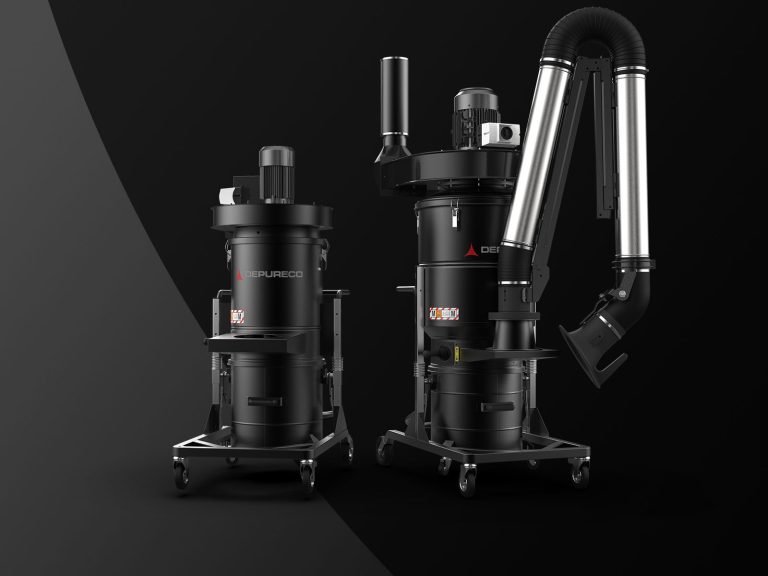
For smaller localized sources, workstations, and flexible production areas.

For fixed machinery, hoods, enclosures, duct connections, and repeat process dust.

For larger process points, system review, and higher-volume dry dust capture.

Mobile and Stationary Dust Collectors

PORTABLE DUST COLLECTION FOR WORKSTATIONS & PROCESS AREAS

Capture airborne dust directly at the source with flexible, high-airflow systems.

Mobile industrial dust collectors provide localized dust extraction for workstations, maintenance areas, and multi-point applications. These units are used where dust generation points change or where fixed ducting is not practical.

Mobile dust collectors provide portable dust collection for workstations, production areas, and equipment where flexibility is required. These systems are ideal for localized dust extraction, temporary setups, and environments where multiple dust sources need to be addressed without fixed ducting.

HIGH-AIRFLOW SOURCE-CAPTURE DUST COLLECTOR
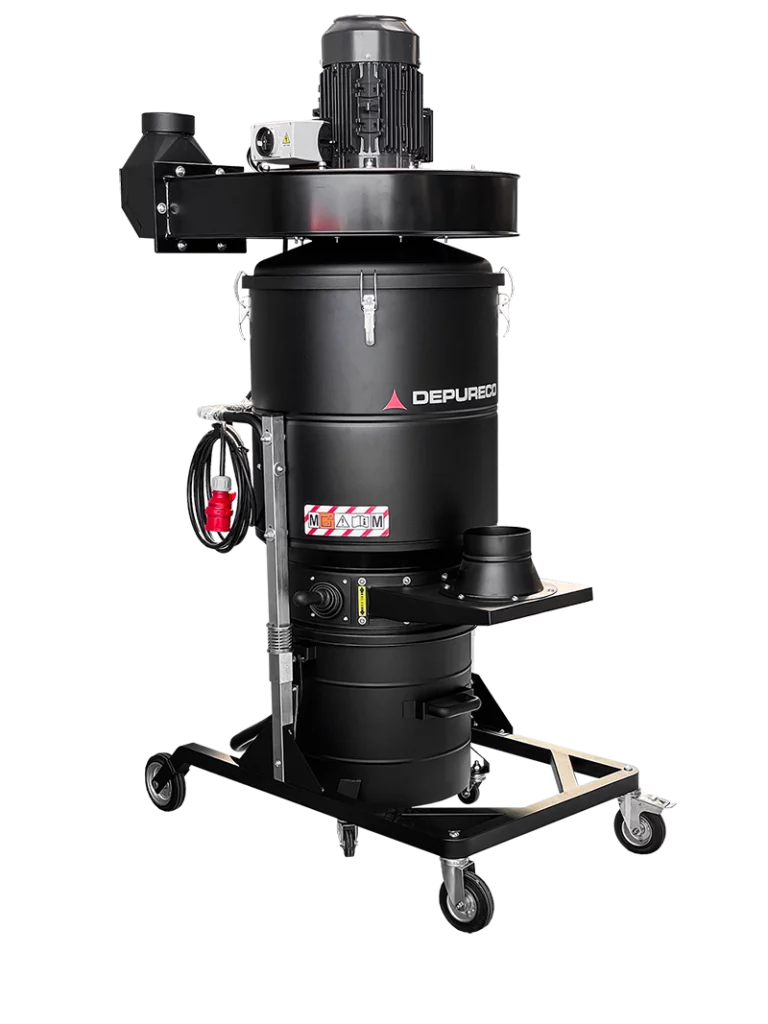
DF 40

DF 40

INDUSTRIAL DUST COLLECTOR

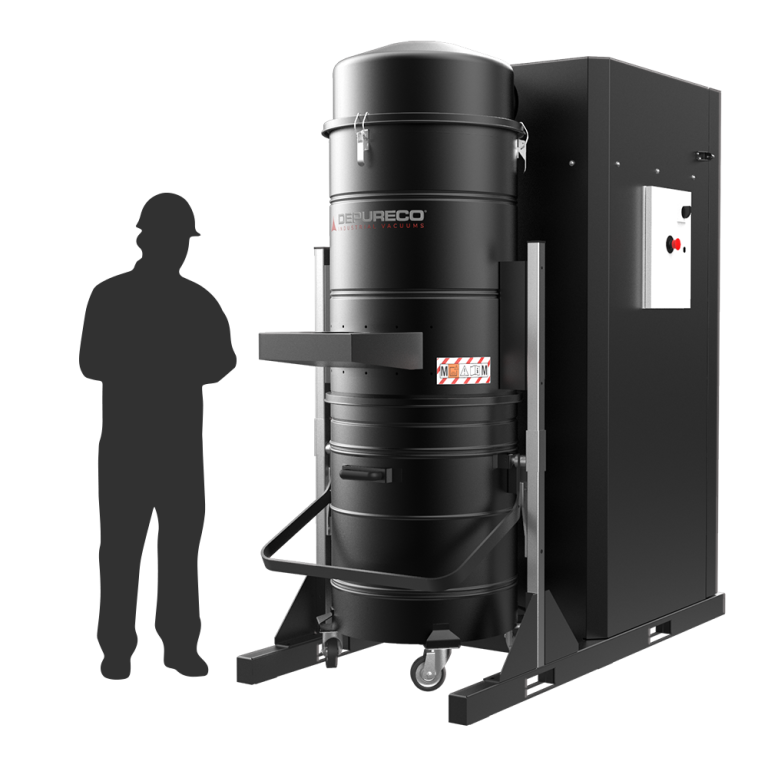
High-airflow industrial dust collector for source capture of airborne dust, powders, and process particulate with fan-driven airflow, Class M filtration, manual cleaning, and optional H13 secondary filtration.

SURFACE: 7,000 in² 
CAPACITY: 17 gal
COMPACT SOURCE-CAPTURE DUST COLLECTOR
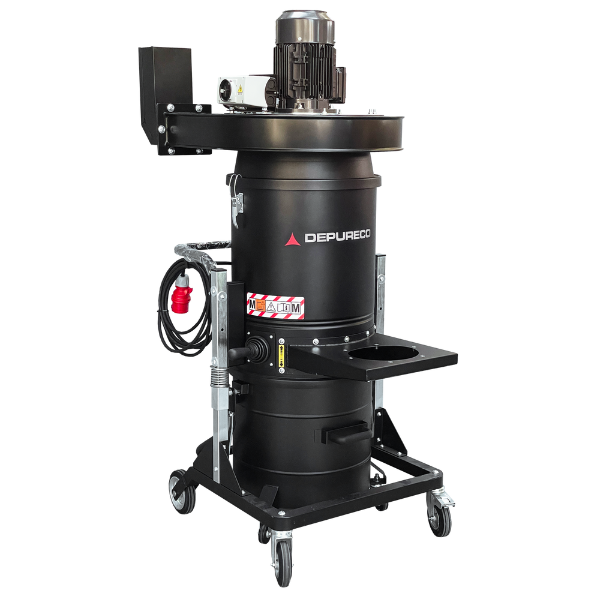
DF 075 | DF 22

DF 075 | DF 22

INDUSTRIAL DUST COLLECTOR

Compact industrial dust collector for source capture of airborne dust and powders with fan-driven airflow, Class M star filtration, manual filter cleaning, and optional H13 secondary filtration.

POWER: 1.5 - 3.5 HP | 480V 3~
SURFACE: 3,720 in²
CAPACITY: 17 gal

HIGH-VOLUME STATIONARY DUST COLLECTORS

FIXED DUST COLLECTION FOR HIGH-VOLUME AIRBORNE PARTICLES

Continuous-duty systems for high-volume airborne dust capture.

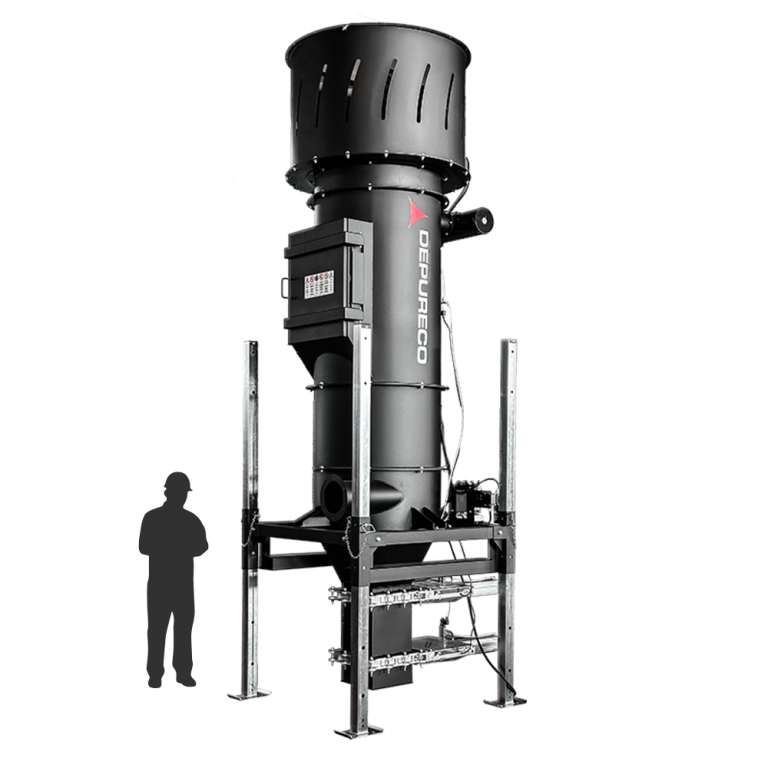
Stationary dust collectors are designed for fixed installation and integration into production processes. These systems provide consistent airflow for capturing fine dust at the source in demanding industrial applications.

Stationary dust collectors are designed for continuous industrial use with fixed installation near production equipment. These systems provide consistent airflow and filtration for high-volume airborne dust generated in manufacturing processes.

LOCALIZED DISCHARGE DUST COLLECTION
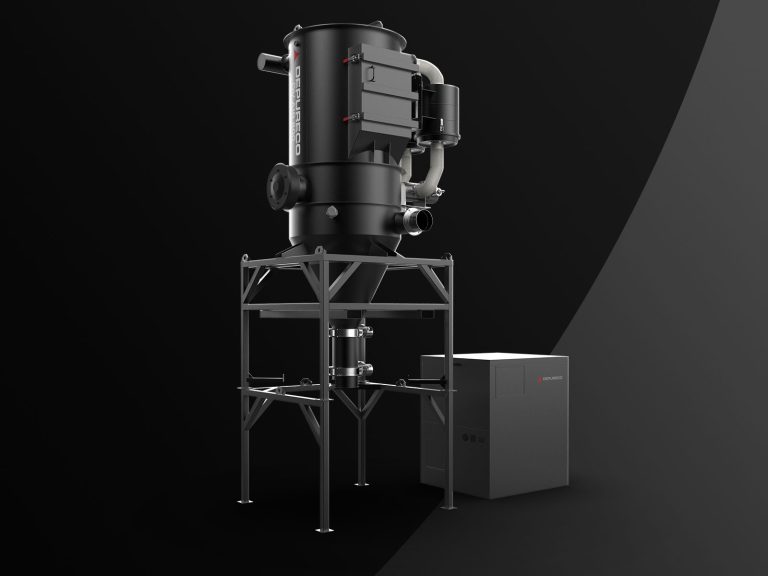
AF

AF

STATIONARY INDUSTRIAL DUST COLLECTOR

Stationary industrial dust collector family for localized dust capture and discharge, with high-airflow fan performance, Class M cartridge filtration, and 52,700 in² filter surface area.

POWER: 6.2 - 8.5 HP
AIR FLOW: 1,295 to 1,589 CFM
MAX DEPRESSION: FROM 15.7 to 25.9 inH2O
HIGH-AIRFLOW BIN-BASED DUST COLLECTION
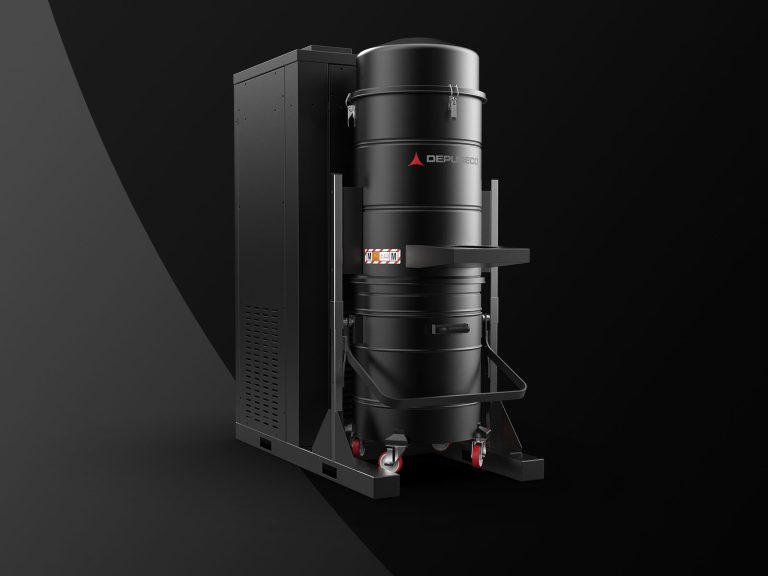
DF FIX

DF FIX

STATIONARY INDUSTRIAL DUST COLLECTOR

Stationary industrial dust collector with high-airflow fan performance, 46-gallon bin collection, antistatic Class M filtration, reverse-jet cleaning, and electrical panel control.

POWER: From 8.5 to 9 HP
AIR FLOW: FROM 1,589 to 2,472 CFM
MAX DEPRESSION: 25.9 to 39.7 inH2O

NEED FULL FACILITY DUST COLLECTION?

For plant-wide systems with piping and multiple operators, see our centralized vacuum systems.

ENGINEERED FOR PERFORMANCE AND PROTECTION

Industrial dust collectors are commonly used in manufacturing industries where airborne dust is generated during production processes. This includes metal fabrication, CNC machining, sanding, grinding, cutting, powder processing, food production, packaging operations, pharmaceutical manufacturing, and additive manufacturing.

Search terms supported by this page include industrial dust collector for metal dust, dust collector for grinding dust, dust collection system for powder handling, manufacturing dust collector system, portable dust collector for workstations, and stationary dust collector for production lines.

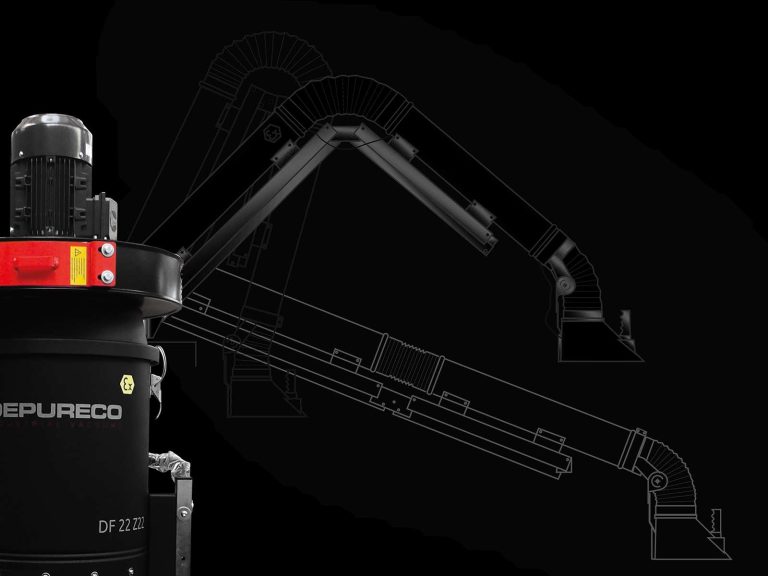
Depureco dust collector with an articulated extraction arm; overlay drawing shows the arm’s reach and joint positions.

High Airflow for Airborne Dust Capture

Dust collectors operate using high airflow (CFM) to pull dust-laden air away from the source.

This airflow captures fine dust particles & process dust, fumes, and vapors during industrial processes before they disperse into the facility.

These industrial dust collectors are designed to handle fine airborne dust, dry powders, lightweight particulate, and production debris generated during manufacturing and processing operations.

Filtration Performance for Fine Particle Control

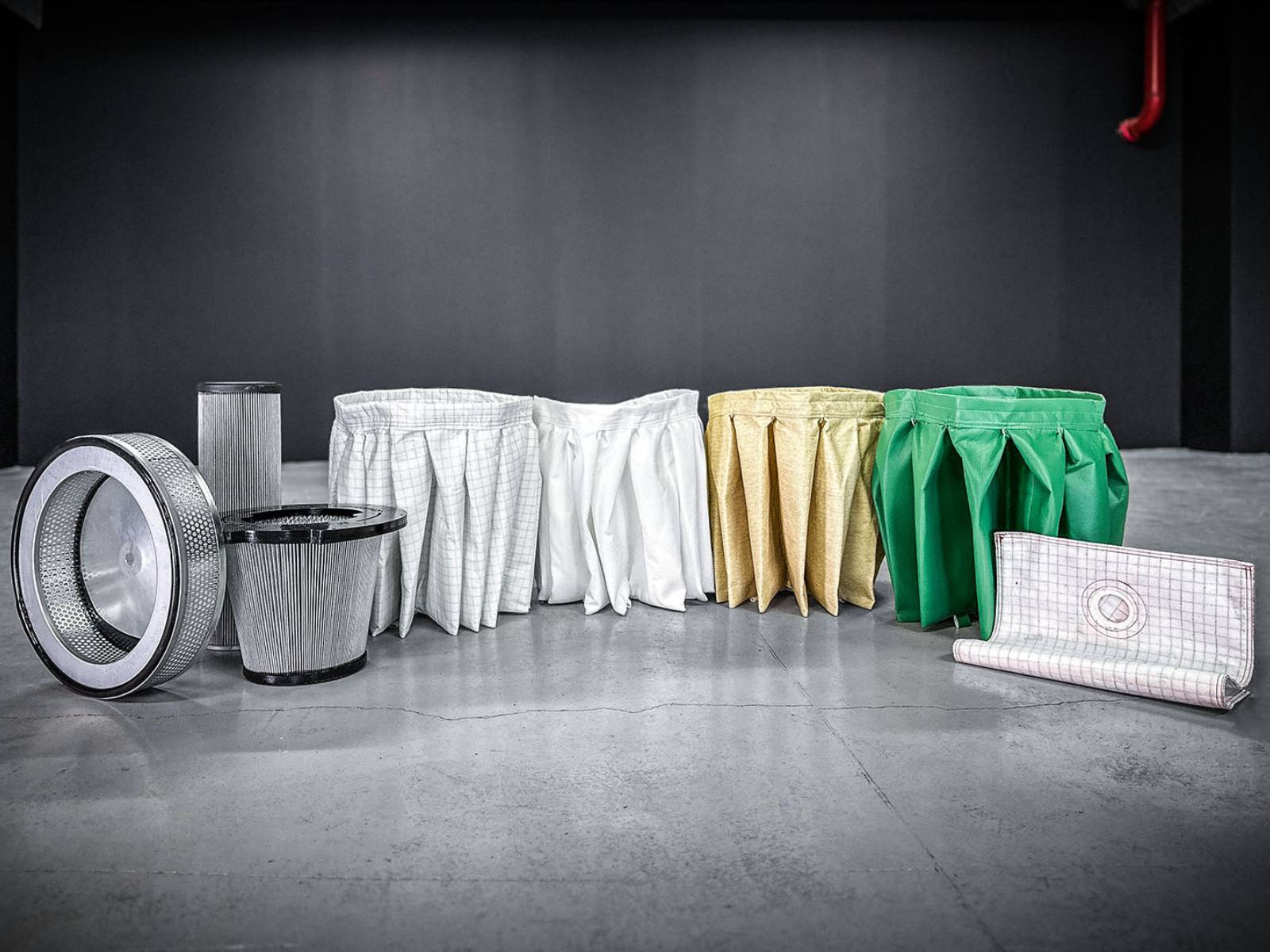
Dust collection systems rely on filtration media to separate airborne particles from the airstream. Performance depends on particle size, dust loading rate, airflow stability, and filter cleaning method.

Depureco systems are available with M-class filtration and optional HEPA H14 filtration for finer particulate where required.

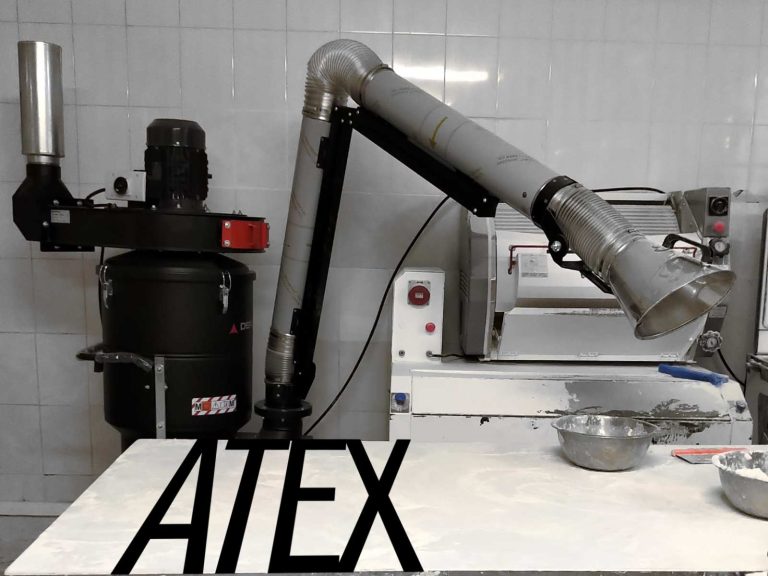
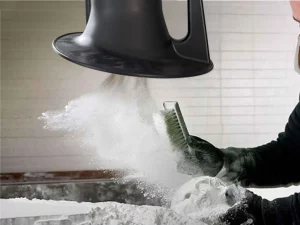
ATEX-rated extraction arm connected to a Depureco dust collector over a bakery workbench; large “ATEX” text visible.

MANAGING COMBUSTIBLE DUST AND HAZARDOUS PARTICULATE

Dust collectors used in environments with combustible dust must be specified and configured based on the application. Depureco offers ATEX-certified systems and solutions aligned with NFPA guidelines where required.

These systems may include antistatic filtration, appropriate system design, and integration with additional protection components depending on the dust hazard.

Related Dust Collection Resources & Case Studies

Real applications, system comparisons, and dust-control guides for manufacturing environments.
The right dust control system depends on where the dust is created, how much material is collected, and whether the goal is source capture, cleanup, filtration, recovery, or facility-wide control. These related case studies and articles show how Depureco systems are used for aluminum swarf, combustible dust housekeeping, silica dust, cement powder, welding fumes, fine dust recovery, and high-volume industrial cleanup.
Cleanup Standards and Requirements
Depureco USA Marketing

NFPA 660 Vacuum Requirements for Combustible Dust

NFPA 660 vacuum guidance for combustible dust cleanup, including ordinary vs hazardous locations, dust collectors vs industrial vacuums, HEPA filtration, ATEX/Class II Div 2, grounding, and dust hazard analysis.

Read More »
Central Vacuum Systems
Mason McLeod

CASE STUDY – ATEX CENTRAL VACUUM FOR GRAIN MILLS​

An industrial grain mill in Poland installed an ATEX-certified centralized vacuum system with a Depureco PUMA 15 ATEX unit, dual pipelines, and 12 suction inlets to safely collect flour dust and grain residues across five floors, reducing explosion risk while improving hygiene, air quality, and overall plant safety.

Read More »
ATEX & Compliance
Mason McLeod

CASE STUDY – ATEX CENTRAL VACUUM FOR PEAT DUST

See how an ATEX-certified centralized vacuum system with a CVS 150 Z22 unit, DV AIR 800 Z22 pre-separator, and 12 suction points safely vacuums fine peat dust and organic compounds across three floors in a pharmaceutical plant.

Read More »

Industrial Dust Collector FAQs
for Source Capture & Manufacturing Dust Control

Answers for airborne dust, CFM, filters, mobile vs stationary systems, and combustible dust review.

Not every dust problem needs the same system. These FAQs help explain when to use a dust collector, when an industrial vacuum is the better fit, how mobile and stationary dust collectors differ, and what details matter when sizing a system for airborne dust, powders, grinding dust, sanding dust, food ingredients, metal dust, combustible dust, and other manufacturing applications.

A dust collector captures airborne dust at the source while the dust is being created. An industrial vacuum is used for cleaning up settled dust, powders, debris, chips, and production waste after the material has landed on floors, machines, workbenches, or equipment.

Use a dust collector when the problem is airborne dust from grinding, sanding, cutting, dumping, mixing, packaging, powder transfer, or dry machining. Use an industrial vacuum when the job is cleanup, recovery, or material removal. Many facilities need both: a dust collector for source capture and an industrial vacuum for housekeeping.

Related page: https://depurecousa.com/industrial-vacuum-cleaners/

You need a dust collector when dust is escaping into the air during the process. That usually means the dust is being generated at a tool, workstation, production line, mixer, bag dump station, packaging machine, grinder, sander, cutter, or transfer point.

A vacuum is the better fit when the dust has already settled and needs to be removed from floors, machines, tanks, bins, shelves, or surrounding work areas. If the same operation creates airborne dust and settled dust, the dust collector handles source capture while the vacuum handles cleanup.

Related page: https://depurecousa.com/industrial-vacuum-cleaners-fine-dust/

Source capture dust collection means collecting dust as close as possible to the point where it is created. Instead of letting dust spread across the room, a hood, extraction arm, enclosure, duct connection, or collection point pulls airborne dust into the filtration system.

Source capture helps reduce dust migration, filter loading on nearby equipment, operator exposure, housekeeping work, and contamination across the production area. It is especially useful for grinding, sanding, cutting, powder dumping, packaging, and other dry dust-generating processes.

Related page: https://depurecousa.com/dust-collectors/

Use a mobile dust collector when the dust source changes, the work area moves, or the facility needs flexible extraction without fixed ducting. Mobile dust collectors are useful for workstations, maintenance areas, temporary production setups, sanding stations, small grinding areas, and localized dust extraction.

Use a stationary dust collector when the dust source is fixed, the process runs continuously, the airflow requirement is higher, or the collector needs to connect to a production machine, hood, enclosure, duct, or dedicated process point.

For plant-wide pickup points or multiple operators, a centralized vacuum system may be the better fit.

Related page: https://depurecousa.com/centralized-vacuum-systems/

The required CFM depends on the dust source, hood design, capture distance, ducting, particle behavior, number of collection points, and how much dust is being generated. A small workstation may need a very different airflow rate than a production line, bag dump station, grinding cell, or system with multiple pickup points.

The goal is not just “more CFM.” The system needs enough airflow at the right capture point to pull dust into the collector before it spreads. For a recommendation, provide the dust source, process type, pickup distance, hood or arm layout, number of collection points, and ducting requirements.

Related page: https://depurecousa.com/centralized-vacuum-systems/system-design-engineering/

The most useful information is the material being collected, the process creating the dust, the dust volume per shift, whether the dust is airborne or settled, pickup distance, number of collection points, available power, filter requirements, discharge method, and whether the dust is abrasive, sticky, fine, combustible, hazardous, or moisture-sensitive.

Photos or video of the dust source are extremely helpful. A short video of the process usually tells more than a written description because it shows the dust cloud, distance from the source, airflow challenge, and how the operator actually works.

Related page: https://depurecousa.com/depureco-contact-us/

Yes, a dust collector can be part of a combustible dust control strategy, but it has to be selected around the material, dust hazard, ignition risk, collection point, equipment design, and facility requirements. Combustible dust applications should not be selected by airflow or horsepower alone.

If the dust may be combustible, the next step is to review the SDS, dust test data if available, dust hazard analysis, area classification, Kst/Pmax values if known, ignition sources, grounding requirements, and whether the application needs a dust collector, combustible dust vacuum, explosion-proof vacuum, or engineered central system.

Related page: https://depurecousa.com/combustible-dust-vacuum-cleaners-explosion-proof/

No single dust collector makes a facility NFPA 660 compliant by itself. A dust collector can support a compliance-aware dust management strategy, but the facility still needs to evaluate the material, process, dust hazard analysis, housekeeping procedures, ignition source controls, equipment design, maintenance practices, and other required safeguards.

The safer way to think about it is this: the dust collector can be selected as part of the combustible dust control plan, but it does not replace the plan.

Related page: https://depurecousa.com/explosion-proof-industrial-vacuums/

The filter type depends on the dust particle size, dust loading, material hazard, collection rate, and whether the dust is dry, fine, abrasive, sticky, combustible, or hazardous. Common industrial dust collector filters include cartridge filters, star filters, bag filters, and secondary high-efficiency filters depending on the application.

For very fine dust, hazardous dust, or applications where higher final filtration is needed, HEPA filtration may be considered. However, HEPA alone does not make a dust collector suitable for every dust hazard. The full system design matters.

Relayed page: NFPA 660 Vacuum Requirements for Combustible Dust

HEPA filtration may be recommended when the dust is very fine, hazardous to breathe, difficult to contain, or when a higher-efficiency final filter is needed. It may also be relevant for silica-related dust, pharmaceutical powder, certain fine manufacturing dusts, and sensitive production areas.

HEPA should not be treated as the only selection factor. The collector still has to be sized correctly, placed correctly, connected correctly, and matched to the dust source. For silica cleanup specifically, review silica dust vacuum requirements separately from general dust collection.

Related page: https://depurecousa.com/silica-dust-vacuums-industrial/

Grinding and sanding usually require source capture close to the dust generation point. A dust collector with an extraction arm, hood, enclosure, or direct connection can help capture airborne dust before it spreads across the workstation.

The right collector depends on the dust type, tool, capture distance, duty cycle, airflow requirement, and whether the material is metal, wood, composite, plastic, or another dust-producing material. For settled dust and debris around the same work area, pair the dust collector with a heavy-duty industrial vacuum.

Related page: https://depurecousa.com/heavy-duty-three-phase-industrial-vacuums/

Yes, but these materials should not all be treated the same. Metal dust, graphite dust, flour dust, sugar dust, starch, plastic powder, pharmaceutical powder, and additive manufacturing powder can have very different particle behavior, filtration needs, combustibility risks, and disposal requirements.

The correct recommendation depends on the material, dust volume, particle size, ignition risk, and whether the dust is being captured from the air or cleaned up after it settles. Food and pharmaceutical powders may require a different configuration than metalworking or graphite dust.

Related page: https://depurecousa.com/food-processing-dust-collection-vacuum-systems/

A cartridge dust collector uses cartridge filters to capture fine airborne dust in a compact footprint. A baghouse uses filter bags and is often associated with larger dust collection systems. A cyclone separates heavier particles using centrifugal force before they reach the filter. A pre-separator is usually used before a vacuum or collection system to reduce bulk loading and protect the main filter.

For fine airborne dust, cartridge or filter-based dust collection is often the main system. For heavier material, high dust loading, or mixed debris, a cyclone or pre-separator may be useful before final filtration.

Related page: https://depurecousa.com/industrial-vacuum-cyclone-pre-separators/

A central system is better when the facility has multiple pickup points, long hose runs, multiple operators, fixed production areas, or plant-wide housekeeping needs. A dust collector is usually focused on airborne source capture at a workstation or process point. A central vacuum system is usually focused on facility-wide vacuum cleaning and material recovery.

Some plants need both: dust collectors at the source and a central vacuum system for cleanup across the facility.

Related page: https://depurecousa.com/centralized-vacuum-systems/

Send the material, process, dust source, estimated dust volume, photos or video, available power, number of collection points, desired capture method, whether the dust is airborne or settled, and any known compliance concerns such as combustible dust, silica, food-grade requirements, pharmaceutical powder, or hazardous material.

The fastest recommendations usually come from a simple video showing the dust being created. That helps determine whether the application needs a mobile dust collector, stationary dust collector, industrial vacuum, pre-separator, central vacuum system, or a more specialized combustible dust solution.

Related page: https://depurecousa.com/depureco-contact-us/

This page is not intended for large-scale industrial dust collection systems such as baghouses, full facility ducting systems, or HVAC air filtration systems. Depureco dust collectors are designed for localized dust capture at the source of generation.

Contact Us

Request a free quote