



4.6 - 6.5 HP | 480V 3∼

57 gal
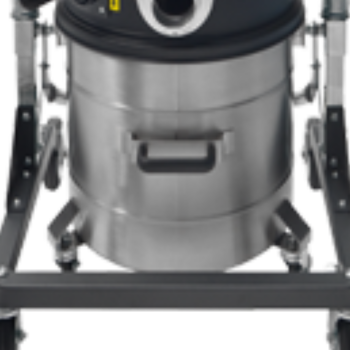
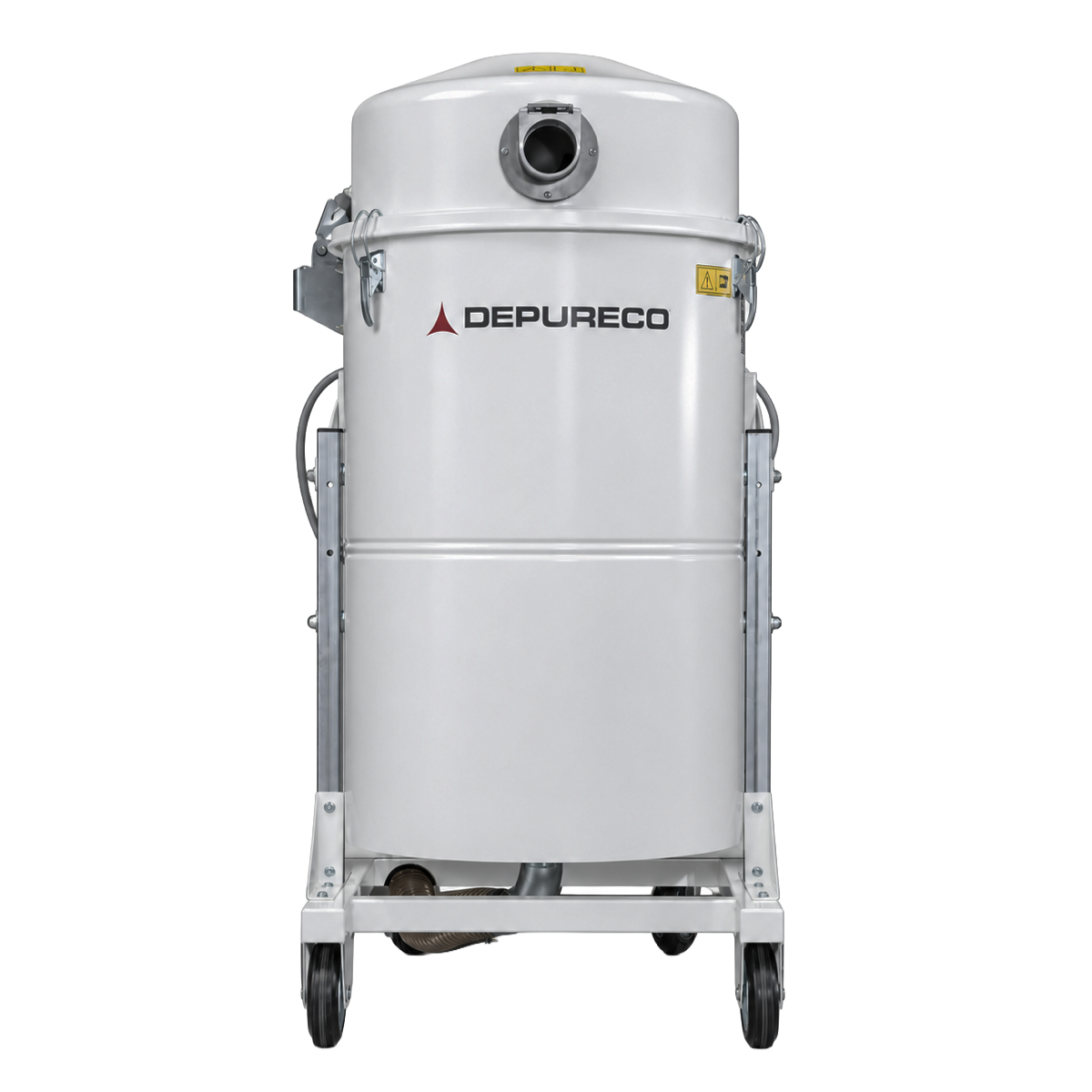
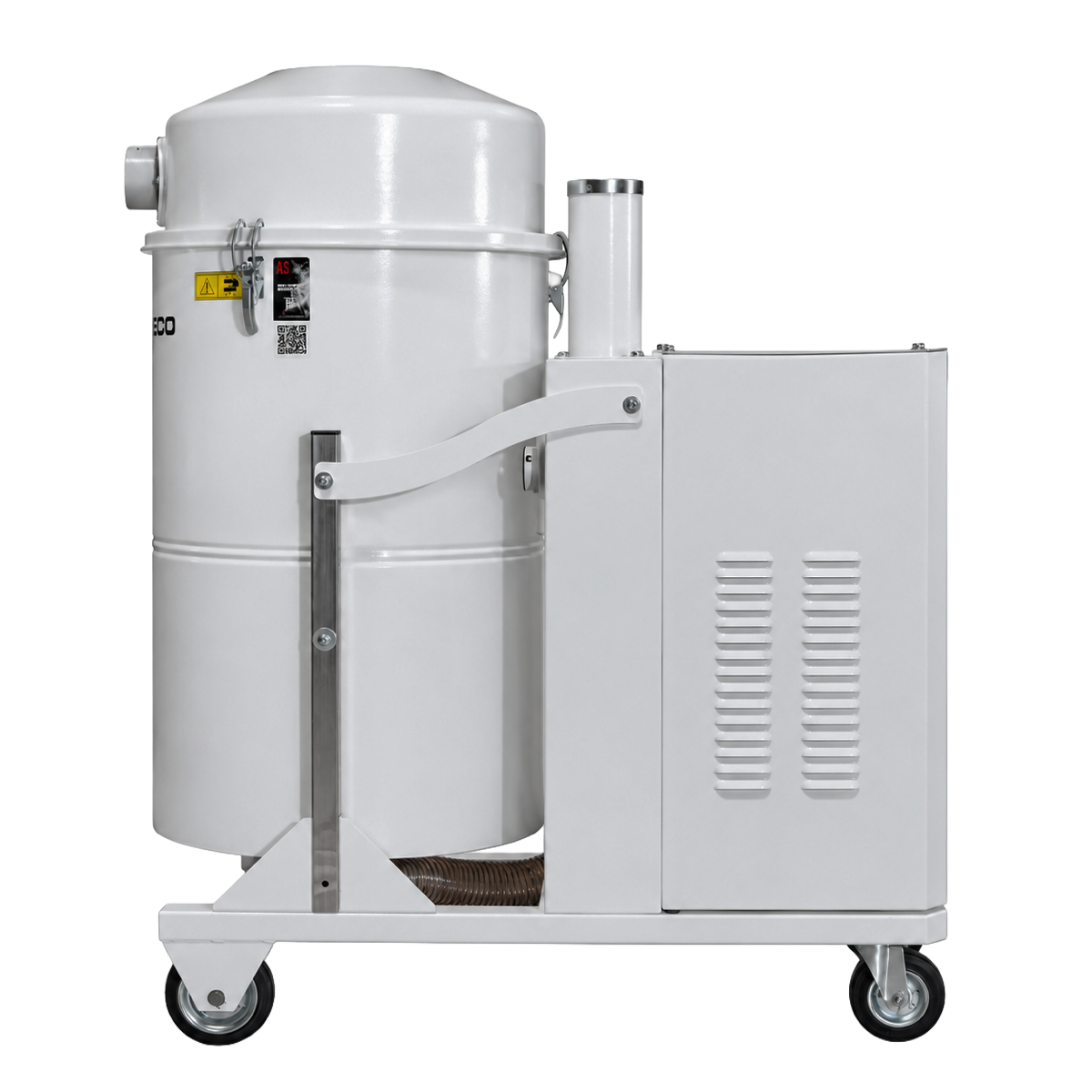
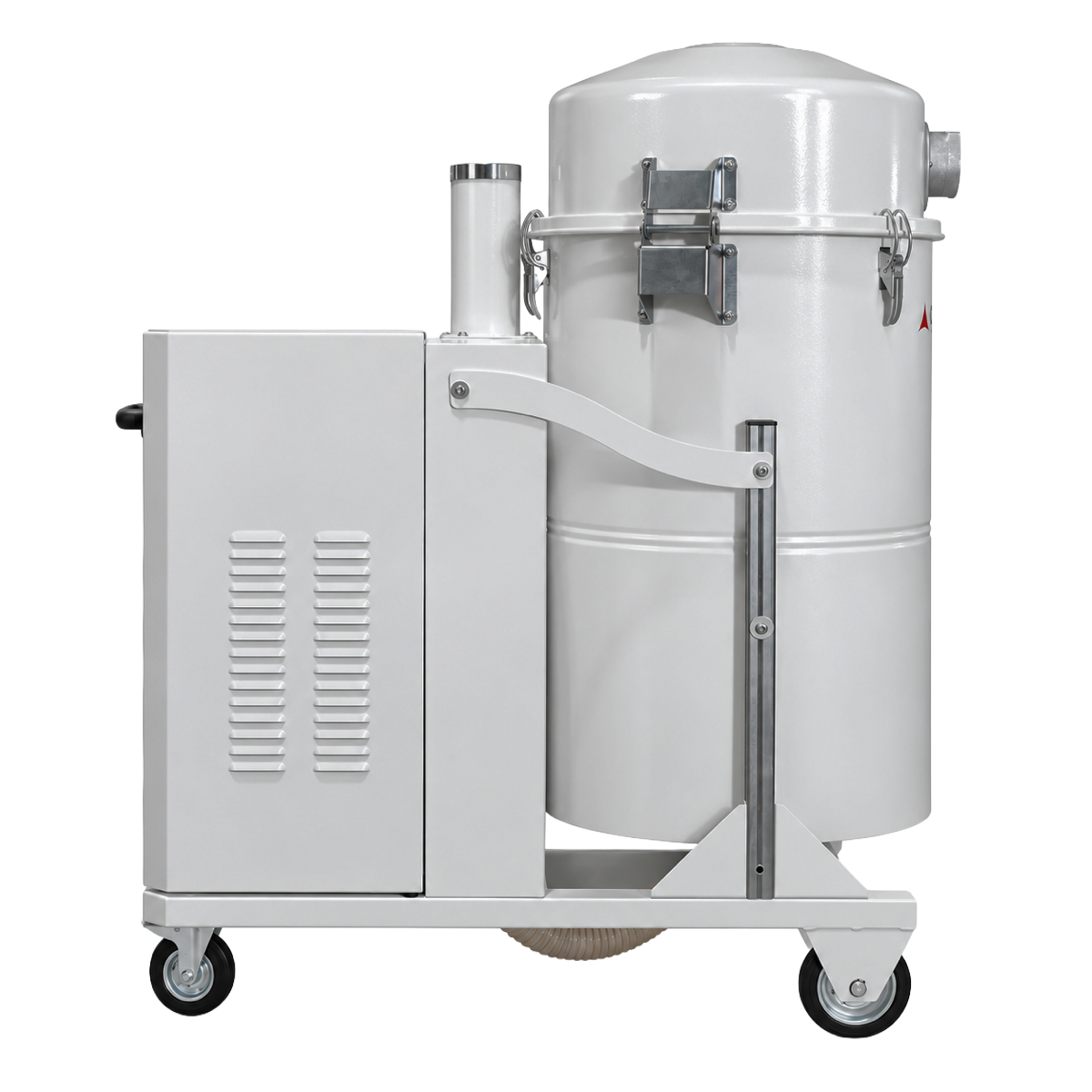
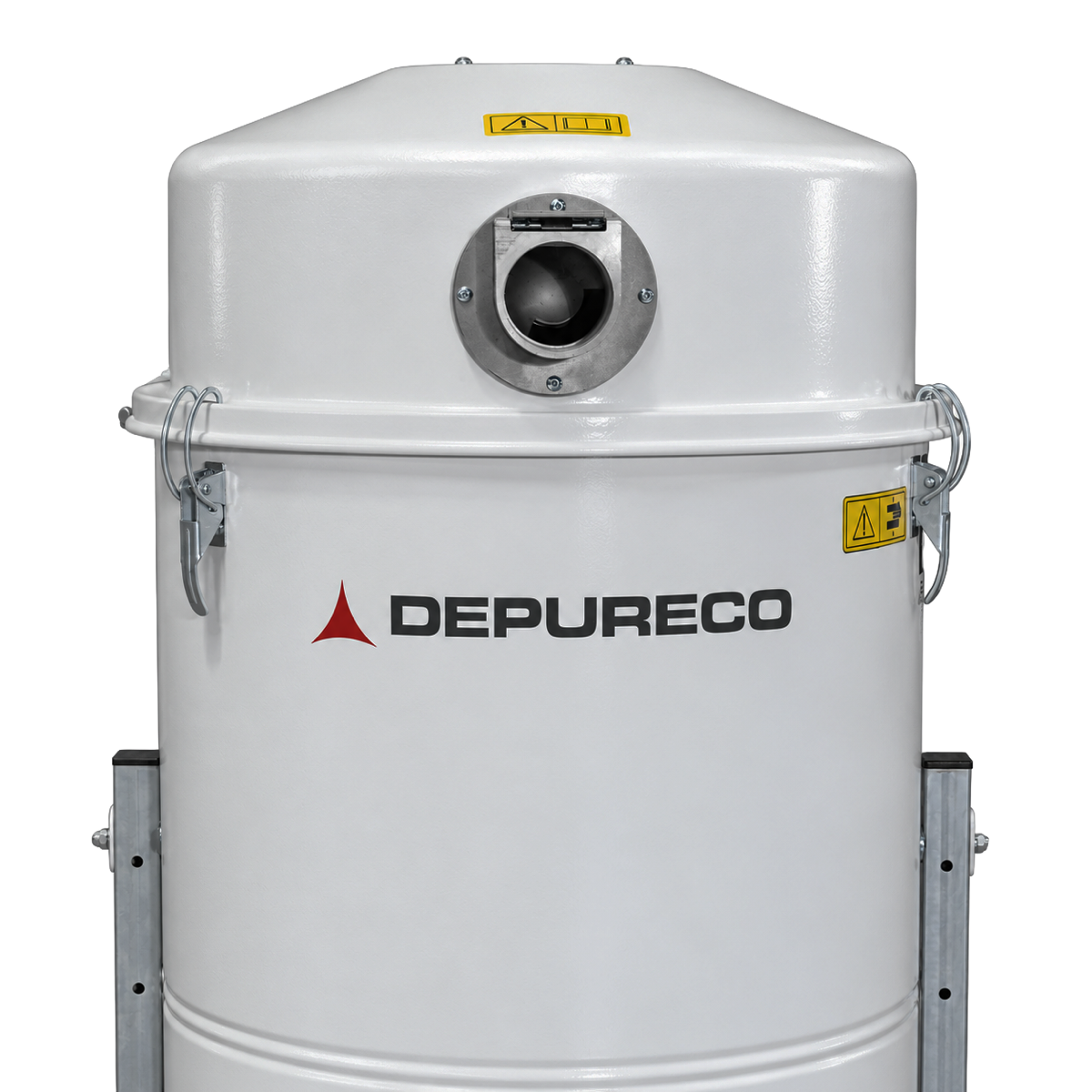
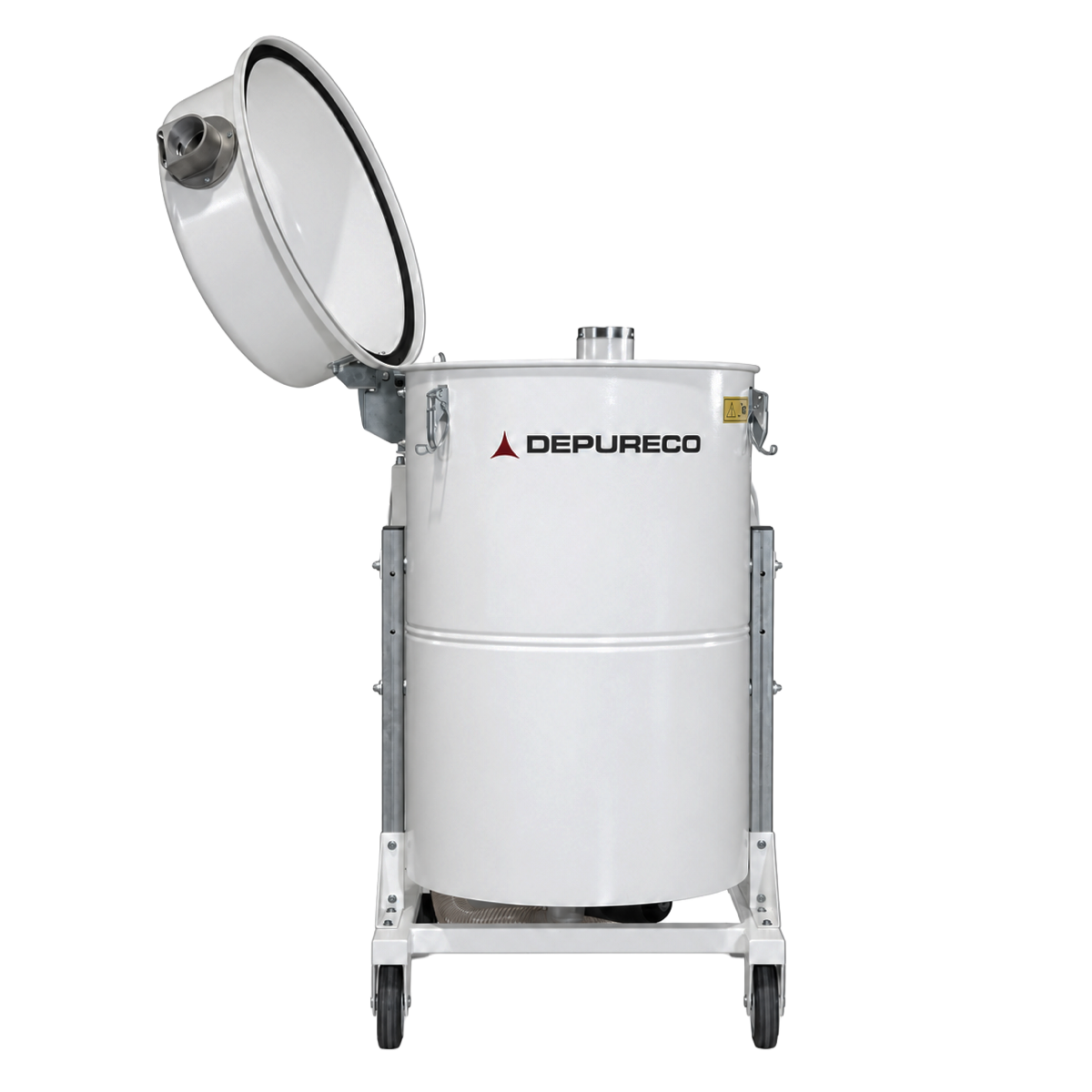
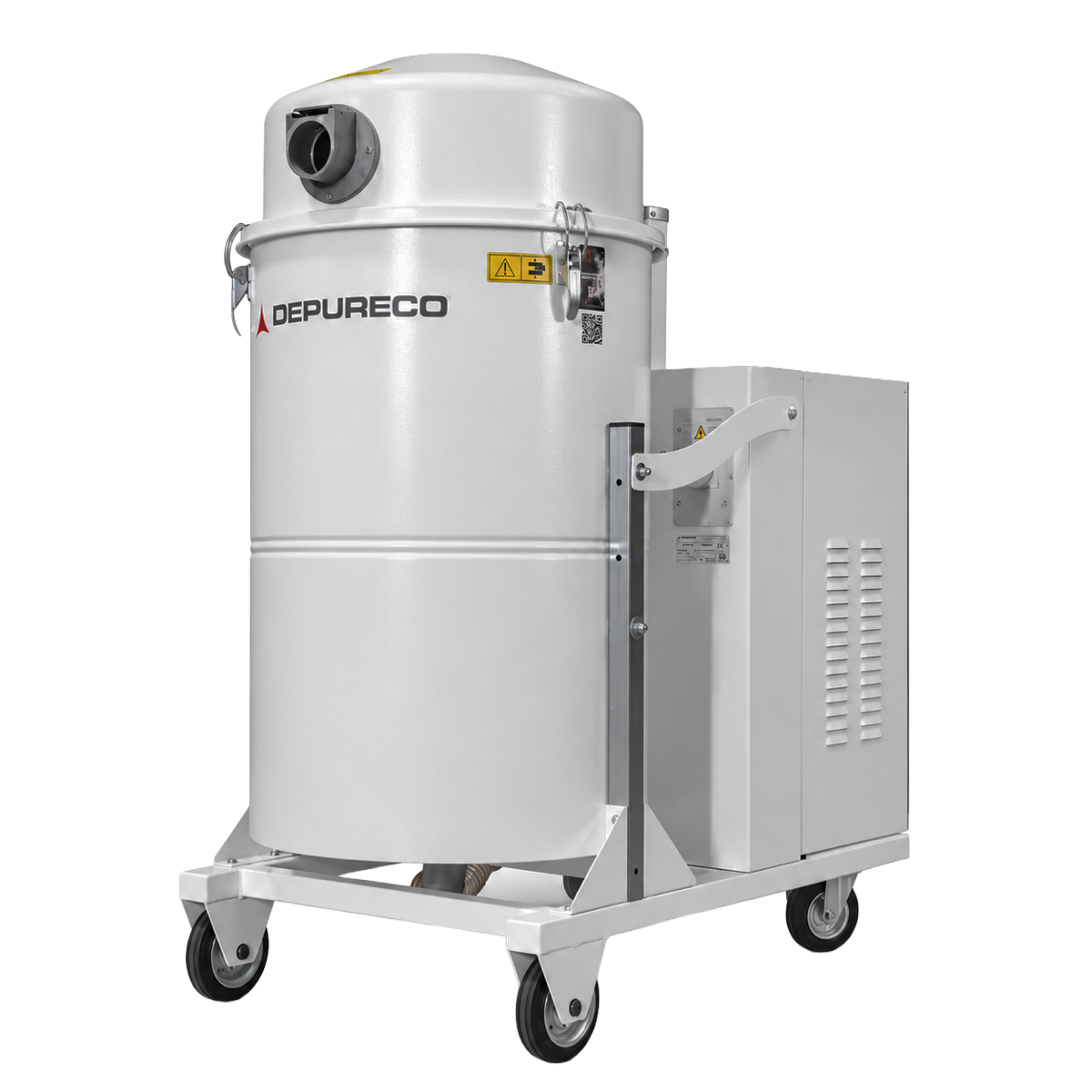
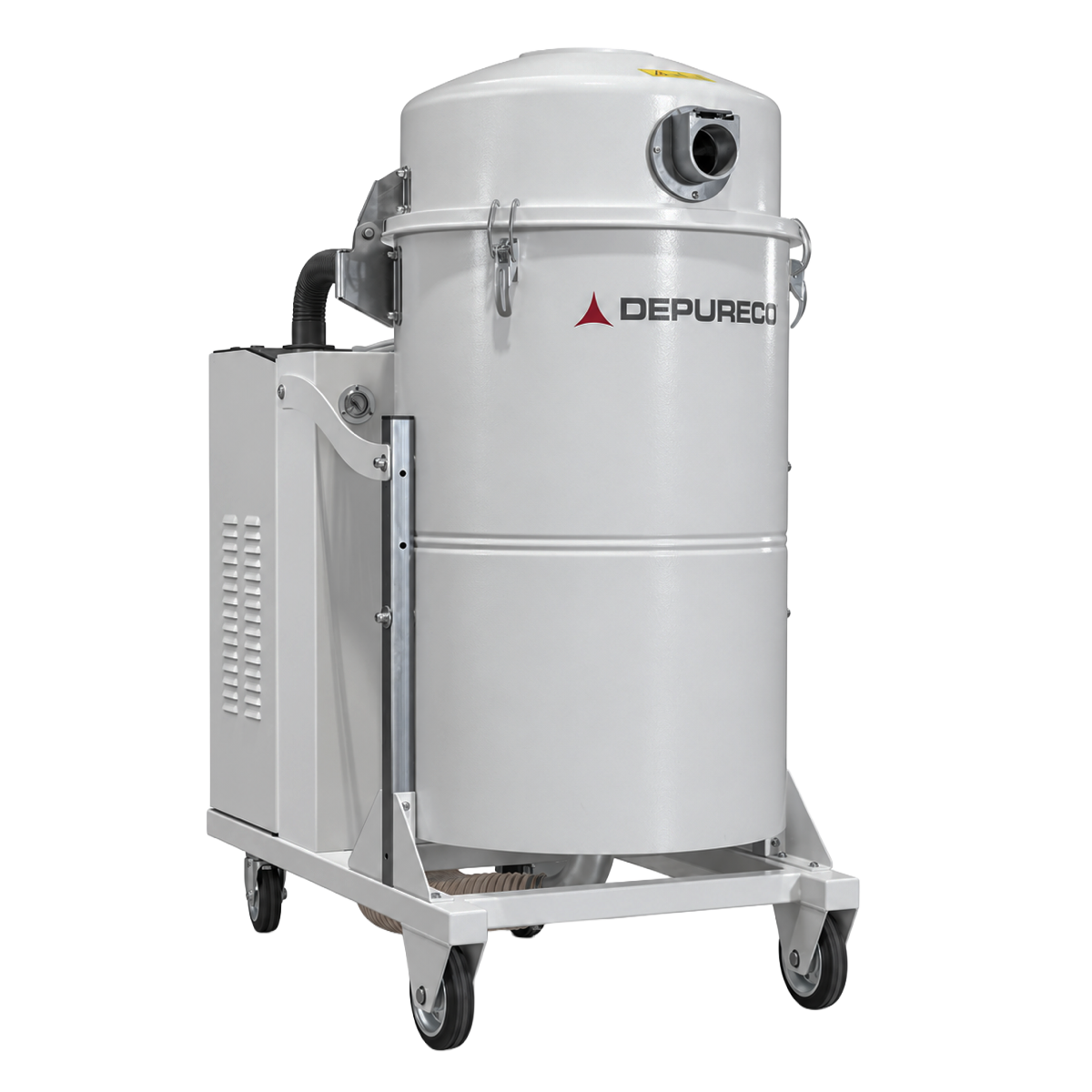
The AS 300 & AS 400 is a three-phase trim extractor vacuum built for machine-side collection of lightweight production scrap. Its 480 V three-phase side-channel blower draws paper, plastic, packaging trims, offcuts and similar process waste through a directed inlet into a reusable filter bag, helping consolidate bulky, low-density material inside the 57-gal collection bin. An inspection window lets operators monitor fill level without opening the container, making the AS 300-400 a strong fit for packaging, converting, printing, textile, nonwoven and OEM production lines.

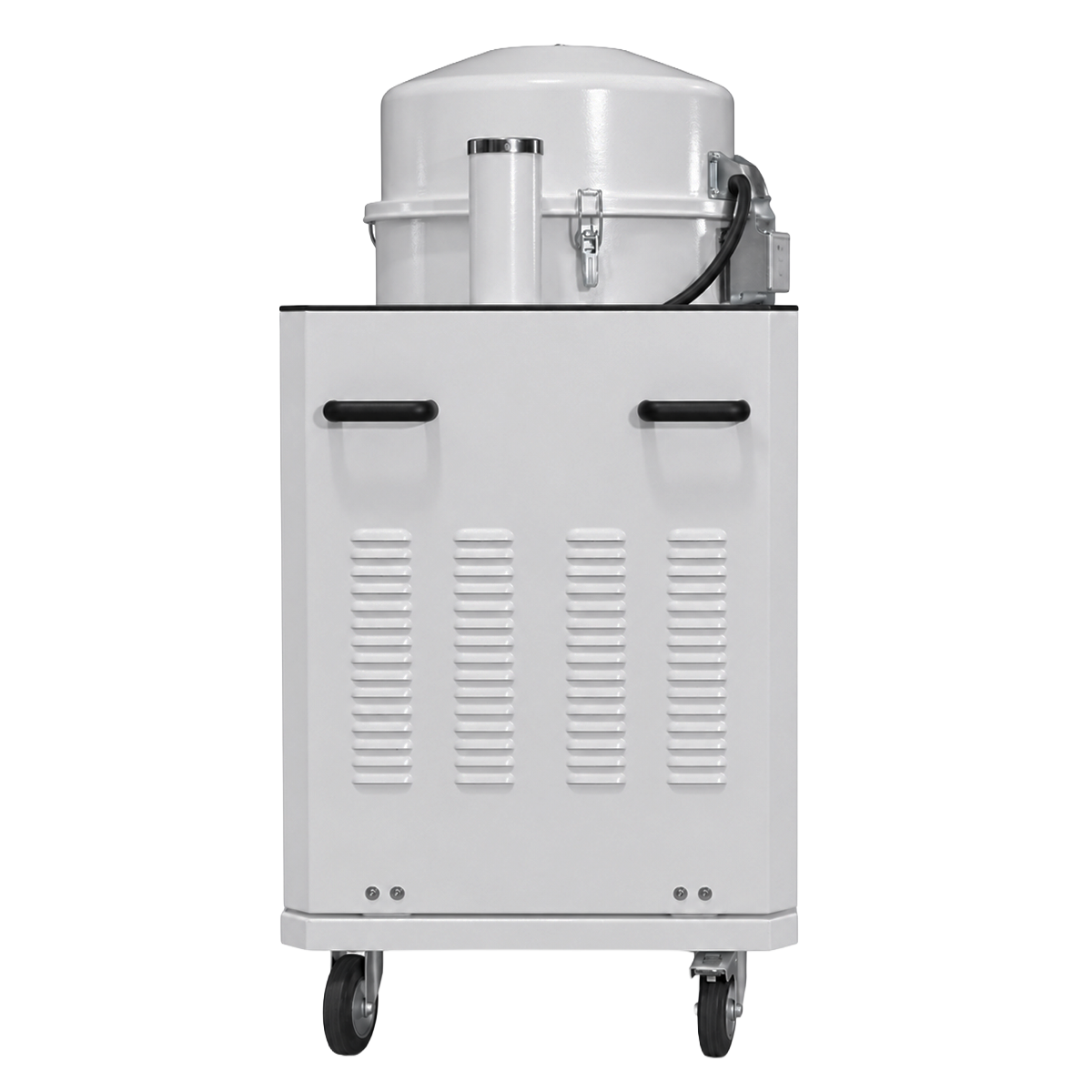
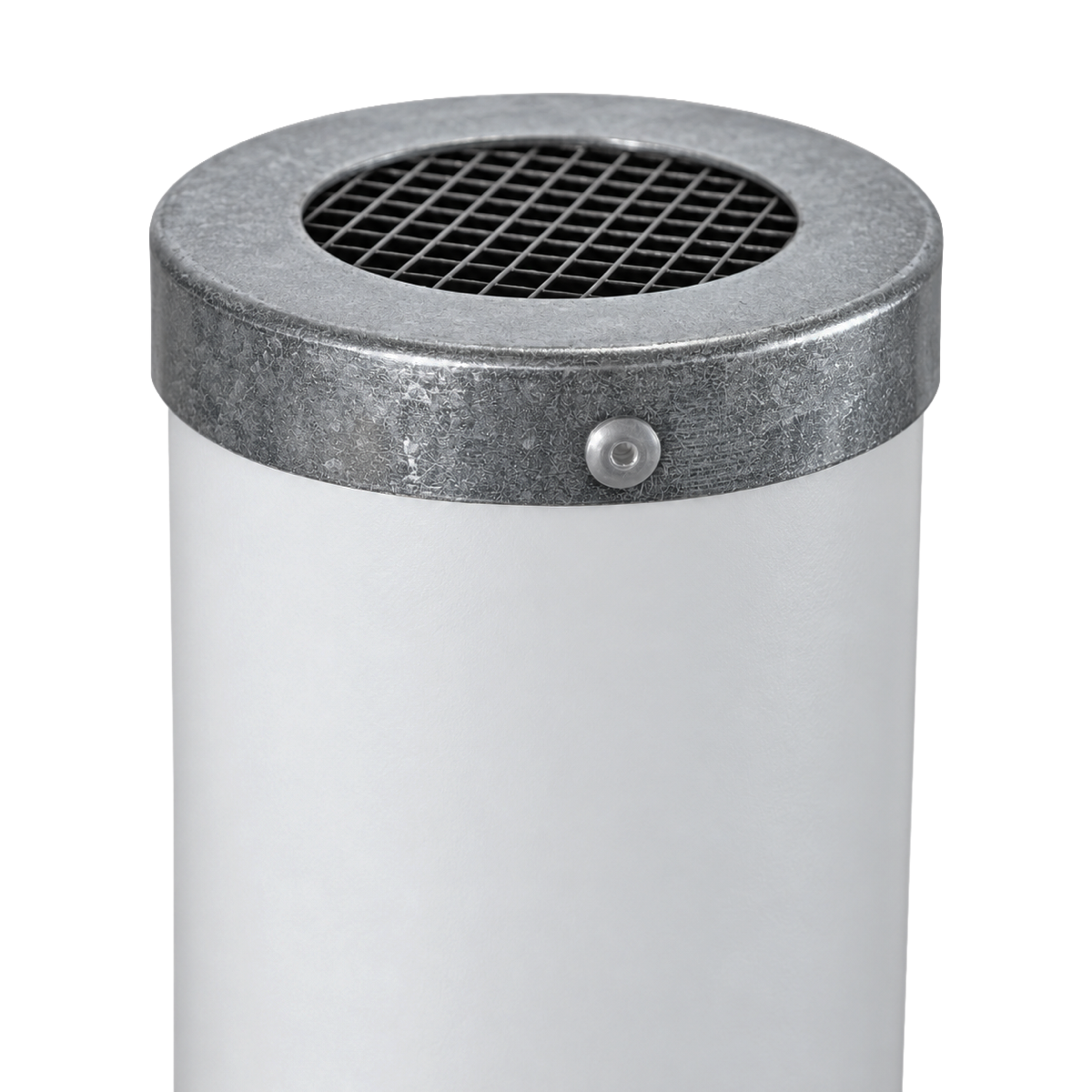
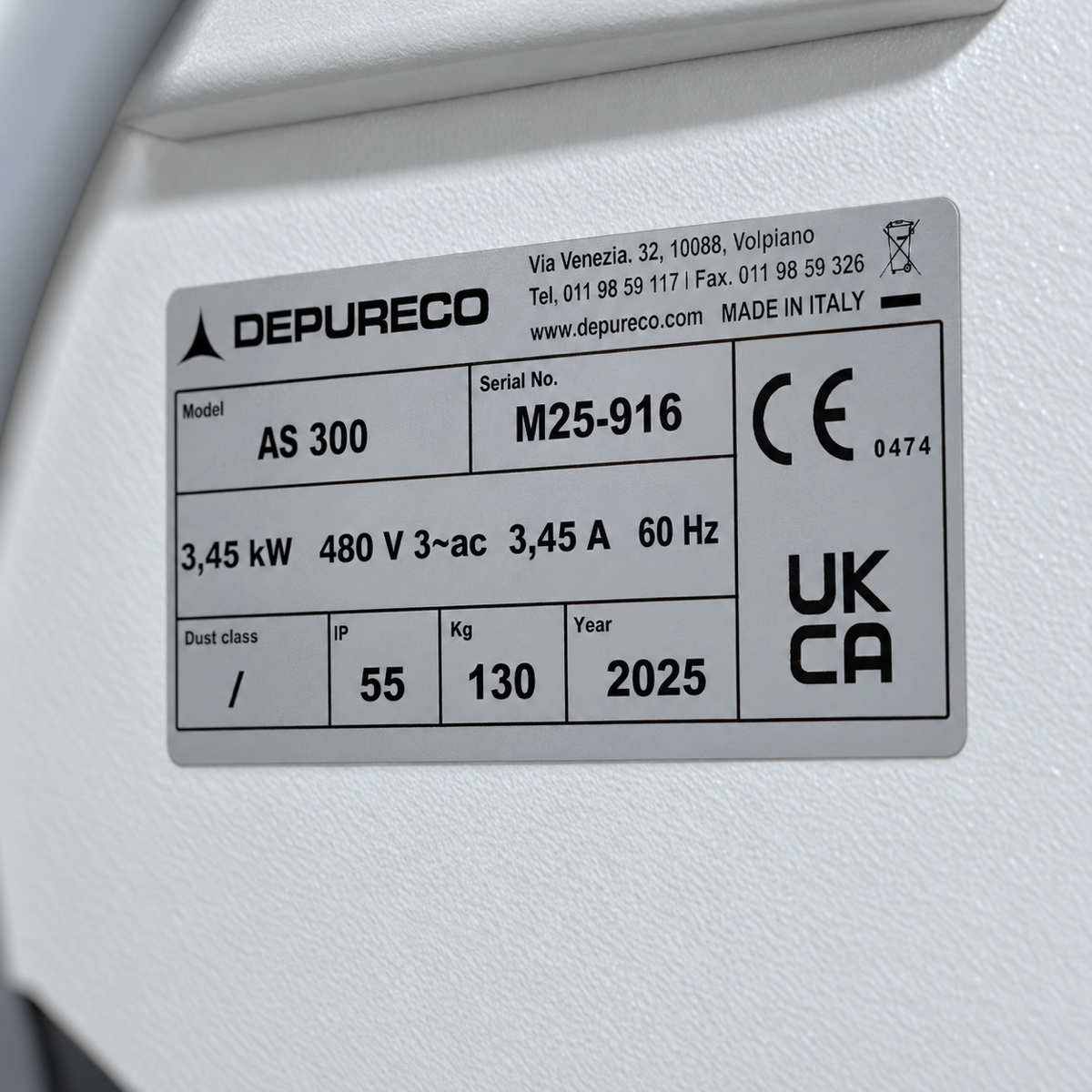
The AS 300 & AS 400 uses a 480 V three-phase side-channel blower for steady production-line suction. Direct coupling between the motor and impeller supports reliable operation, while the integrated relief valve helps protect the suction unit during use.

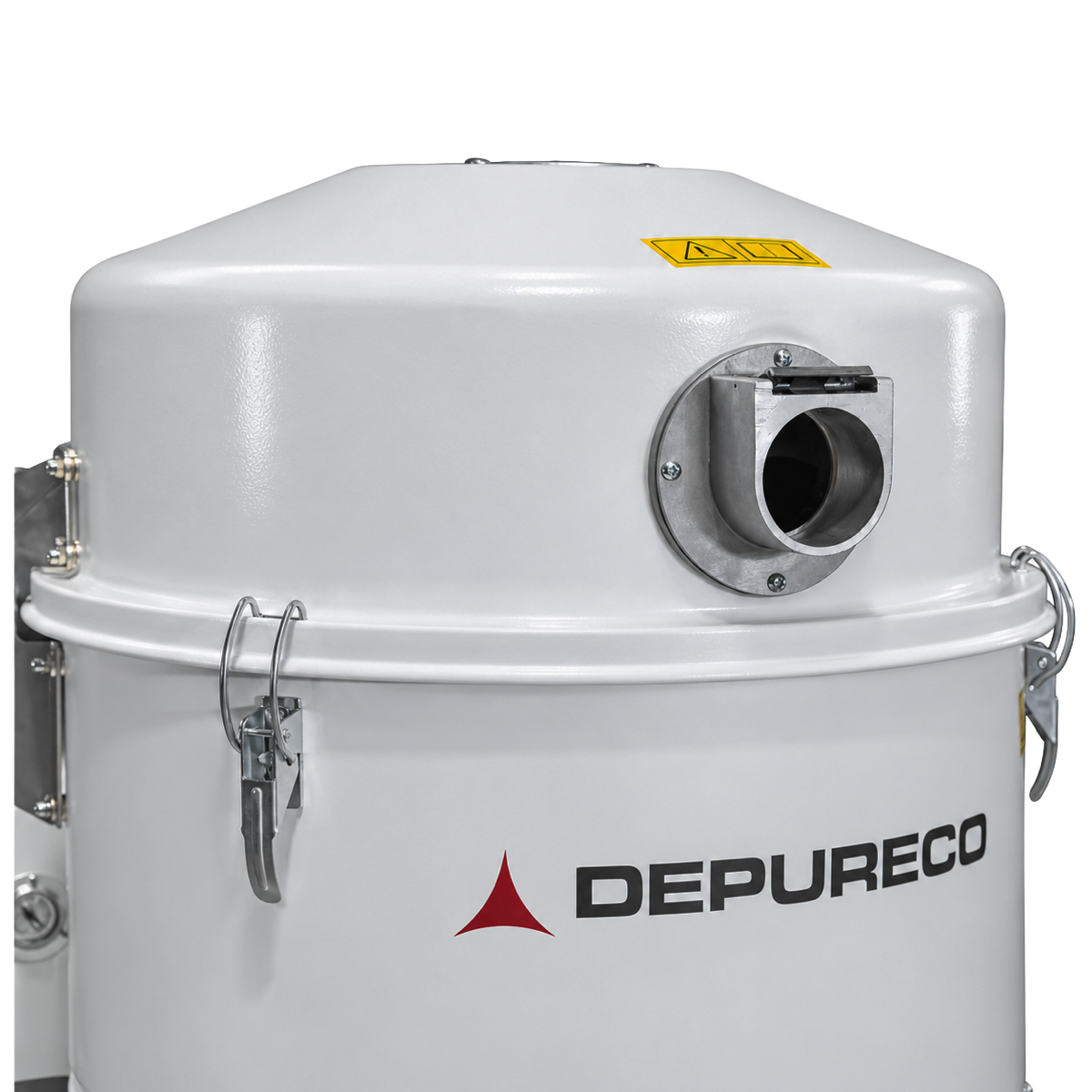
The suction inlet and internal deflector direct incoming material into the collection bag, helping manage lightweight trims and process scrap without immediately loading an exposed overhead filter surface. Different inlet diameters and an additional inlet can be evaluated for application-specific integration.

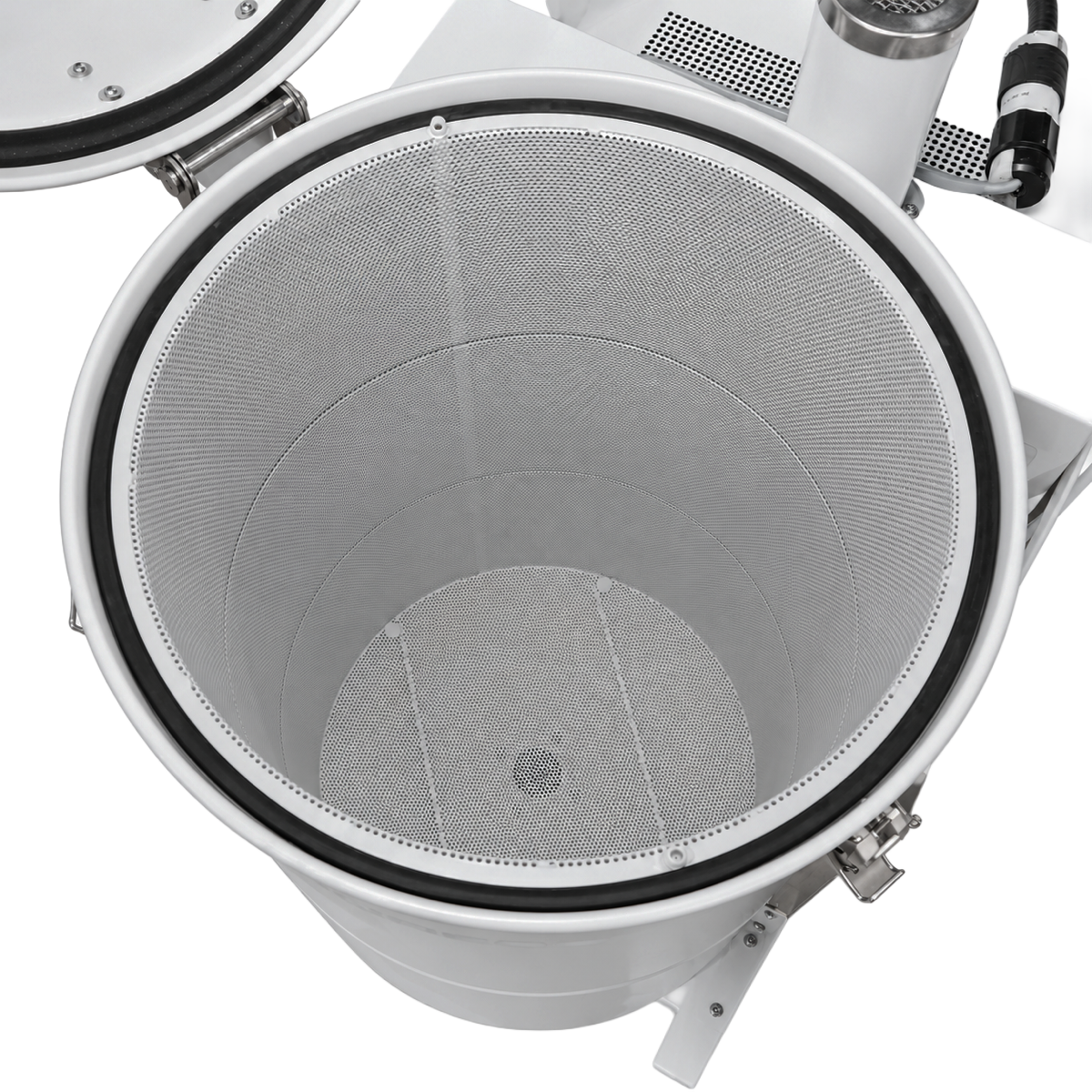
The container houses a textile bag for collecting the material. As the material enters through the inlet, it is directed into the bag, while the air flows through the textile material, ensuring continuous suction. This system effectively compacts the residual material at the bottom of the bag, enabling the collection of large quantities of material.

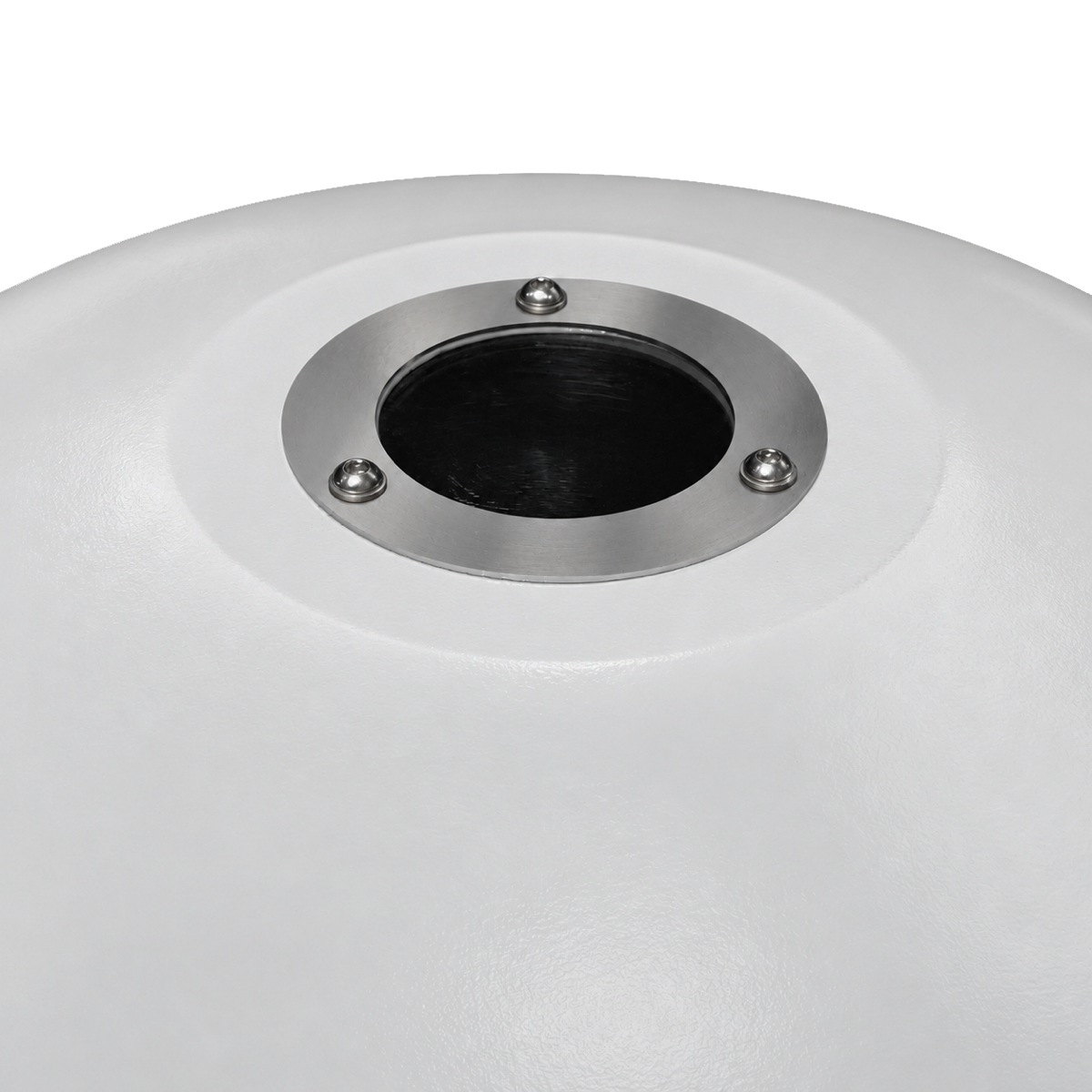
The top inspection window lets operators check material level without opening the collection chamber, supporting faster line-side checks and more predictable emptying intervals.

Find answers about the Depureco AS 300–400 industrial trim extractor vacuum, including packaging and converting applications, paper and plastic scrap compatibility, continuous-duty collection, machine integration, and model selection. Learn how the AS 300–400 handles lightweight production waste and when a smaller scrap vacuum, pre-separator, fine-dust extractor, or centralized system may be a better fit.
The Depureco AS 300–400 can be integrated into packaging and converting processes that generate dry, lightweight production trimmings. Potential applications include plastic film slitting and rewinding, pouch and bag-making machines, paper converting equipment, die-cutting stations, printing and finishing lines, and textile or nonwoven trimming operations.
Suction pickup points can be positioned near cutters, punches, trimming stations, or scrap discharge areas to collect compatible offcuts before they accumulate around production equipment. The continuous-duty, three-phase side-channel blower supports sustained machine-side extraction, while the directed inlet guides recovered material into a reusable collection bag.
Final integration depends on production speed, scrap size and shape, waste volume, suction distance, hose configuration, and available electrical power. Continuous strips, adhesive-backed materials, and multiple pickup points may require additional engineering or a specialized trim-handling system.
Depureco can review the machinery, production process, and scrap material to help determine a suitable extraction configuration.
The AS 300–400 is designed for collecting dry, lightweight, bulky production scraps, including paper trimmings, plastic film offcuts, packaging cutouts, textile and fabric scraps, nonwoven material, and similar low-density waste generated during manufacturing.
Typical applications include edge trim from converting equipment, paper cuttings from finishing operations, film scraps from packaging machines, and lightweight offcuts from textile or nonwoven production.
Material compatibility depends on more than the material name. Scrap length, thickness, bulk density, adhesive content, static buildup, fiber shedding, and the amount of fine dust generated can all affect collection performance. Long continuous strips, sticky label matrix, and materials prone to tangling or blocking the inlet should be evaluated before selecting the vacuum.
The AS 300–400 should not automatically be selected for fine powders, combustible dust, wet waste, hot debris, or hazardous materials. These applications may require different filtration, collection methods, or approved equipment configurations.
The AS 300–400 uses a dedicated collection system designed for bulky, lightweight production waste. Its side-channel blower generates suction, while an internal inlet deflector directs incoming trims and offcuts downward into a reusable textile collection bag.
The bag retains collected material while allowing air to pass through its fabric. This arrangement helps keep bulky scrap organized within the 57-gallon collection chamber instead of allowing material to accumulate directly against a conventional exposed filter surface.
A top inspection window lets operators monitor the collection level without opening the chamber, making it easier to plan emptying during production.
The design helps reduce filter-loading problems associated with lightweight trims, but performance still depends on the material and installation. Extremely long strips, sticky scraps, fine dust, or excessive collection rates can require additional engineering. For existing vacuum systems experiencing frequent filter clogging, a separate trim pre-separator may provide another solution when correctly sized and connected.
The main published difference between the Depureco AS 300 and AS 400 is motor power. The AS 300 is rated at 4.6 HP, while the AS 400 is rated at 6.5 HP. Both use 480 V, 60 Hz, three-phase power and have a 57-gallon collection chamber with a reusable bag for lightweight production scraps.
Choosing between them depends on how quickly scrap is generated, the material’s size and behavior, suction distance, hose configuration, and whether extraction must operate continuously alongside production equipment. Higher motor horsepower alone does not guarantee greater material-handling capacity at a specific pickup point.
For facilities producing smaller quantities of compatible lightweight trim, the AS 150 and AS 220 offer a more compact alternative with a 32-gallon collection chamber and a similar bag-based collection concept.
Depureco can help compare the models using your production equipment, scrap material, estimated waste volume, and installation requirements to determine the appropriate vacuum configuration.
The AS 300–400 is designed primarily for machine-side collection of compatible lightweight, bulky production trims. A different extraction solution may be more suitable when the material, filtration requirements, number of pickup points, or waste-handling process changes.
For fine dust, powders, or smaller dry particles, Depureco offers industrial vacuums with filtration and collection systems better suited to particulate recovery, including compact machine-side options such as the UPF C and BF JC.
For facilities collecting material from several production machines, longer piping runs, or multiple work areas, an engineered centralized vacuum system may offer a more practical solution. Existing vacuums experiencing frequent filter blockages from bulky scraps may benefit from a correctly selected trim pre-separator.
Applications involving continuous uncut trim ribbons, adhesive waste, combustible dust, hazardous materials, or specialized recycling processes require additional evaluation and may need different equipment.
The correct solution depends on material characteristics, scrap generation rate, pickup distance, filtration needs, disposal method, and the operating conditions of the production line.