

Depureco matches source-capture equipment to the material, cutting tool, pickup point and production rate. Collect dry chips, fine dust, fibers, chads and continuous trim at the cutting head, table outlet, conveyor or scrap discharge.
Choose from compact machine-side vacuums, continuous trim extractors, high-airflow dust collectors and engineered central systems configured around the way your cutting operation actually runs.
Depureco source-capture systems connect to the router hood, cutting-head outlet, machine port, table pickup or downstream scrap point to remove material where it leaves the process. The connection is configured around the cutter’s actual outlet and operating movement instead of placing a general cleanup hose near the table.
We review the pickup opening, port diameter, hose length, bends, vertical lift and cutting-head travel to maintain the airflow and transport velocity needed to move material into the collection unit.
The machine-level review addresses the conditions that cause otherwise capable extraction equipment to underperform:
The vacuum beneath a cutting table holds sheet material in place. Dust, chips, fibers and trim produced above the table require a separate extraction connection sized around the cutting process and waste stream.

The vacuum beneath a cutting table holds sheet material in place. Dust, chips, fibers and trim produced above the table require a separate extraction connection sized around the cutting process and waste stream.
Depureco source-capture systems connect to the router hood, cutting-head outlet, machine port or downstream scrap point to remove material where it leaves the process. The connection is configured around the cutter’s actual outlet and operating movement, rather than placing a general cleanup hose near the table.
We review the pickup opening, port diameter, hose length, bends, vertical lift and cutting-head travel to maintain the airflow and transport velocity needed to move the material into the collection unit.
This machine-level review helps address the problems that cause otherwise capable extraction equipment to underperform:
We’ve engineered solutions for managing fine, toxic, conductive, or explosive dust. By assessing the specific characteristics of the material you’re cutting, we can recommend the ideal industrial vacuum cleaner for your digital cutting machine and your requirements. Here are some applications.
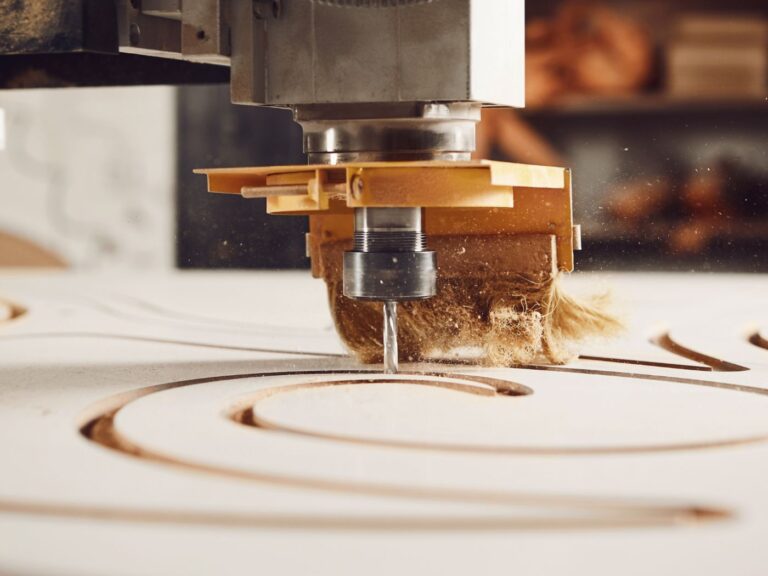
Compare source-capture options for sawdust, wood chips and fine router dust, including applications requiring higher airflow or combustible-dust review.
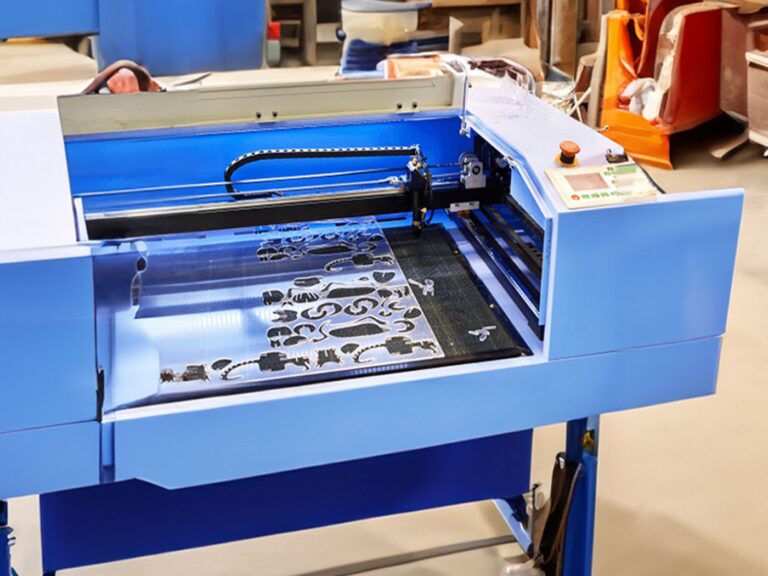
Find the right vacuum setup for acrylic chips, rigid-plastic flakes and fine particulate produced by CNC routers and digital cutting machines.
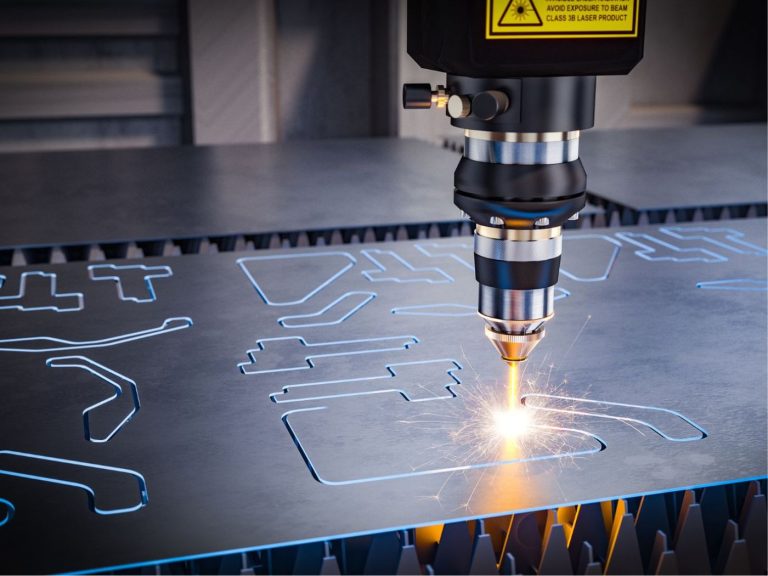
Review extraction options for metal chips, aluminum composite material debris and conductive fines that may require additional material or hazard review.
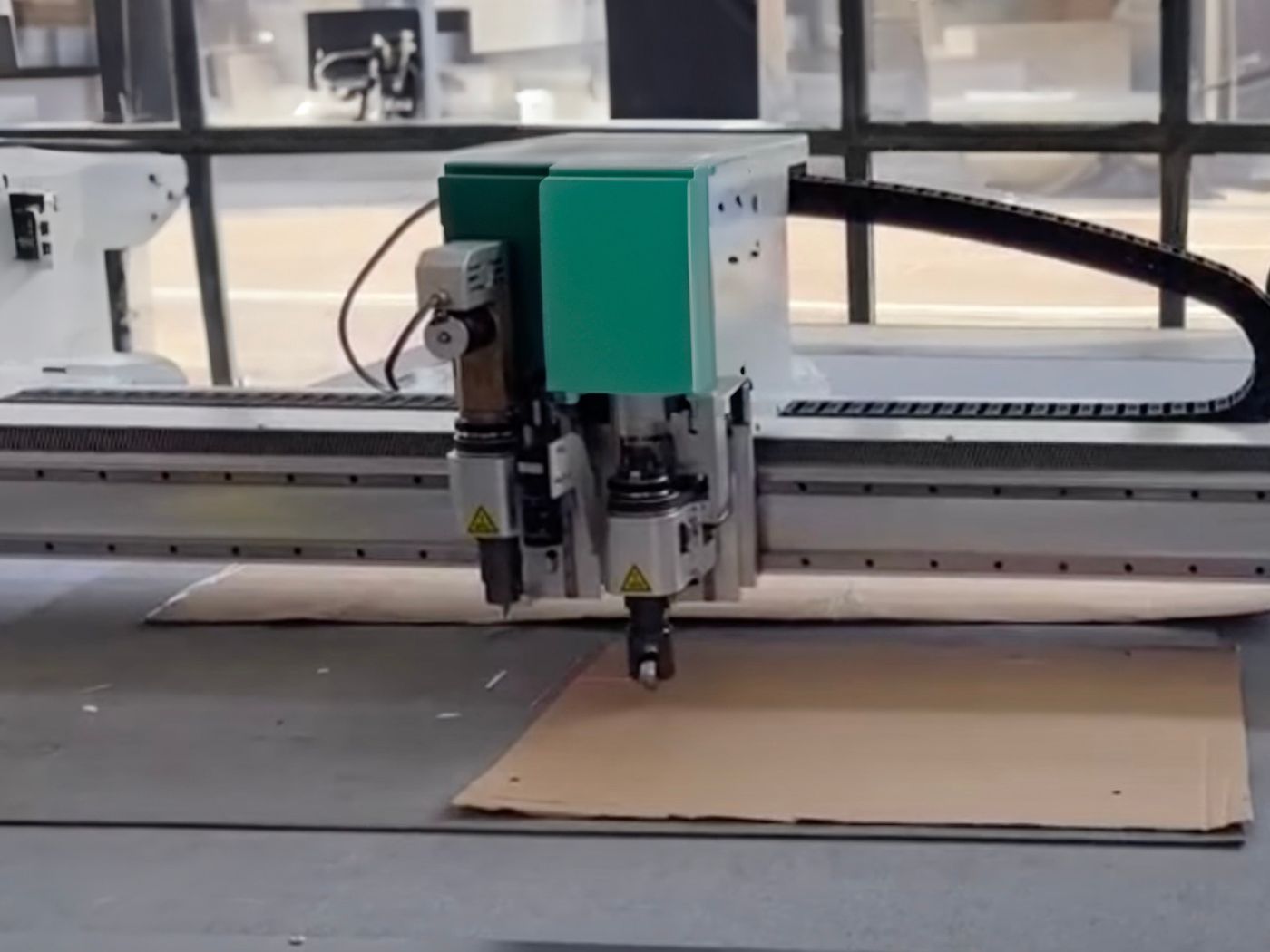
Compare continuous trim extraction and high-airflow dust collection for paper strips, cardboard offcuts, fibers and lightweight cutting debris.

The router connection and the material coming off the cut will narrow down the right equipment quickly. Fine MDF, plywood and wood dust escaping around a larger hood calls for higher airflow. Heavier chips and shavings moving through a smaller direct connection call for stronger vacuum.
Depureco can match the collector to your machine connection, hose or duct length, run time, dust volume and emptying schedule. This helps maintain steady collection through the shift without undersizing the airflow at the hood or struggling to move heavier chips through the hose.
If one system will serve several CNC routers or a longer fixed piping run, it should be reviewed as a central dust collection system from the beginning.
If the process presents a known or potential combustible-dust concern, Depureco should review the wood species or panel product, particle size, dust loading, pickup method, available dust data or DHA, and operating-area classification. That review determines whether the system requires additional grounding, antistatic filtration, specialized collection or discharge features, or equipment intended for the identified operating environment.
CNC routers and digital cutting machines can send larger acrylic chips, sharp flakes and fine, static-prone dust through the same pickup point. The equipment needs to carry the larger pieces without repeated hose blockages while keeping fine particles from quickly loading the filter.
For a compact connection carrying mostly chips and flakes, start with a continuous-duty industrial vacuum such as the TX Series. If fine dust is escaping around a larger cutting hood or table connection, a higher-airflow dust collector may be the better fit. Multiple cutters, longer fixed piping and shared collection points should be reviewed as a central system.
Depureco can help match the vacuum or collector to the machine port, hose diameter, conveying distance, chip size, production schedule and collection volume. Antistatic hose, grounding, filtration, receiver capacity and pre-separation can also be reviewed when static buildup, heavy chip loading or material recovery is part of the application.

Compare continuous-duty industrial vacuums for acrylic and Plexiglass chip recovery, high-airflow dust collectors for fine cutting dust, and central extraction systems for multiple digital cutters or longer fixed piping.
Compact connection with mostly chips and flakes
Larger hood with more fine airborne dust.
Several cutters or longer fixed piping.

Cutting aluminum composite material, metal-faced laminates and similar panels can produce larger chips, thin fragments and fine metallic particulate. The right collection method depends on which of those materials is reaching the pickup point.
Larger, reviewed dry chips can typically be recovered through a compact machine connection using a heavy-duty industrial vacuum. When fine particulate is escaping around a larger hood or cutting area, a higher-airflow dust collector may provide better source capture.
Depureco can help size the system around the cutter connection, hose or duct diameter, conveying distance, particle size, production schedule and collection volume. We can also review receiver capacity and discharge options when the collected material needs to be separated, recycled or emptied without frequent production stops.
Compare continuous-duty industrial vacuums for acrylic and Plexiglass chip recovery, high-airflow dust collectors for fine cutting dust, and central extraction systems for multiple digital cutters or longer fixed piping.
Mostly larger chips and panel fragments.
Fine particulate escaping around a hood or cutting area.
Aluminum cutting and mixed chip-and-dust applications.
If the cutting process produces fine aluminum or other conductive metal dust, a standard industrial vacuum or dust collector should not be selected from the material name alone.
Available dust testing, the SDS, particle size, collection rate, pickup method, dust hazard analysis and operating-area classification help determine the appropriate grounding, filtration, collection method and discharge setup. The review may also identify a need for inerting, explosion protection or equipment intended for the classified operating area.
Compare heavy-duty industrial vacuums for coarse metal laminate and aluminum composite chips, high-airflow dust collectors for fine cutting particulate, and reviewed combustible-dust systems for conductive or potentially combustible metal dust.
Long strips, edge trim, small offcuts, chads, fibers and fine paper dust should not all be handled the same way. Continuous trim needs to remain moving until it reaches the collection chamber, while fine dust and fibers need enough airflow at the cutting table, hood or machine connection.
For continuous strips and lightweight offcuts, start with a dedicated trim extraction system. If the process creates mostly fine paper dust or airborne fibers, a high-airflow dust collector may be the better fit. Several cutting tables or longer fixed piping should be reviewed as an engineered central system.
Depureco can configure the system around the pickup point, trim width and length, dust-to-scrap ratio, duct diameter, production speed and collection volume. Receiver size and discharge method should also be considered when collected paper or cardboard will be compacted, recycled or returned to a material-handling process.

Compare continuous-duty industrial vacuums for acrylic and Plexiglass chip recovery, high-airflow dust collectors for fine cutting dust, and central extraction systems for multiple digital cutters or longer fixed piping.
Continuous strips, edge trim and lightweight offcuts.
Fine paper dust, fibers and small airborne chads.
Multiple cutting tables or longer fixed piping.
On a moving-head CNC router or flatbed cutter, the extraction hose needs enough freedom to follow the cutting head without dragging across the table. Poor hose routing can catch material edges, pull against the machine connection, restrict head movement or create sharp bends that reduce effective suction.
Depureco’s suction hose lifting support keeps the hose elevated while allowing it to move with the cutting head. This helps protect the hose and machine connection, keeps the cutting area clear and reduces the need for operators to stop and reposition the hose during production.
The support can be configured around the table dimensions, full cutting-head travel, hose diameter and weight, connection location, overhead clearance and available mounting points. Depureco can also help select the hose, reducers, adapters and antistatic or conductive accessories required for the material and application.

Collection of paper dust, cardboard fibers, chads, edge trim, label matrix and continuous packaging waste.
When the material is difficult to collect or the required vacuum performance is unclear, send Depureco a representative sample.
Our team can test different vacuum models, hose diameters, inlet sizes, pickup tools, filters, pre-separators and collection methods. This allows us to see how the material moves, whether it bridges inside the hose and how quickly it loads the filter or collection container.
For the most useful test, send:
Testing gives your production, engineering and maintenance teams a recommendation based on the actual material instead of an estimate made from the material name alone.
Why is using an industrial vacuum cleaner crucial for digital cutting tasks? Maintaining a clean workspace not only enhances cutting precision but also safeguards your equipment and promotes worker health. Our selection of industrial vacuum cleaners is engineered to maintain a neat work environment, ensuring top-notch performance and safety.
Contact us today to learn more about our industrial vacuums for digital cutting!
