





An industrial vacuum does not have to stop working to start costing your facility money. Longer cleanup cycles, declining suction, frequent filter maintenance, and repeated production interruptions can quietly turn routine housekeeping into an ongoing operating expense.
The problem is not always the vacuum itself. A clogged hose, worn filter, incorrect accessory, undersized collection capacity, or poor match between the vacuum and the material can create many of the same symptoms.
This four-point industrial vacuum performance audit will help you identify where those hidden costs are showing up and whether the right next step is maintenance, a configuration change, pre-separation, or a more appropriate industrial vacuum system.
4 Signs Your Industrial Vacuum is Costing You Money
Vacuum performance problems rarely appear as one dramatic failure. More often, the cost builds gradually through extra labor, filter maintenance, production interruptions, and inefficient material handling.
Watch for these four warning signs:
1. Cleanup Is Taking Longer
If operators need multiple passes, extra tools, or more time to collect the same material, the cleanup process is consuming labor that should be going toward production or maintenance.
2. Suction Drops as the Filter Loads
Strong suction at startup followed by declining pickup performance can indicate excessive filter loading, an unsuitable filter configuration, or too much material reaching the primary filter.
3. The Vacuum Has Become a Bottleneck
Frequent emptying, stopping, filter cleaning, overheating, or moving one vacuum between multiple work areas can turn the cleaning equipment itself into a source of downtime.
4. Recoverable Material Is Becoming Waste
Coolant, metal chips, powders, and other recoverable materials may have additional value when they can be separated, reused, recycled, or handled more efficiently instead of being mixed into the waste stream.
Labor
Cleanup takes longer. Multiple passes and inefficient pickup turn routine housekeeping into added labor hours.
Filters
Suction fades under load. Frequent filter cleaning or replacement increases maintenance and interrupts productive work.
Downtime
The vacuum becomes the bottleneck. Emptying, stopping, overheating, and moving equipment can slow the entire cleanup process.
Material Loss
Recoverable material becomes waste. Coolant, chips, powders, or other materials may be discarded instead of recovered or separated.
What to Check Before You Replace the Vacuum
Poor performance does not automatically mean you need a new vacuum. Before replacing equipment, look at when and how the problem appears.
If suction is weak from the beginning, check for hose restrictions, leaks, worn accessories, or an incorrect setup. If performance starts strong and falls as material builds up, the issue may be filter loading or too much material reaching the primary filter.
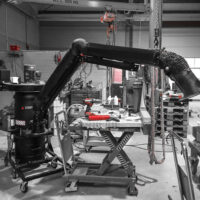
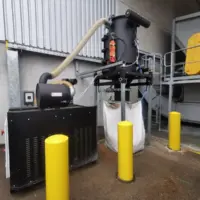
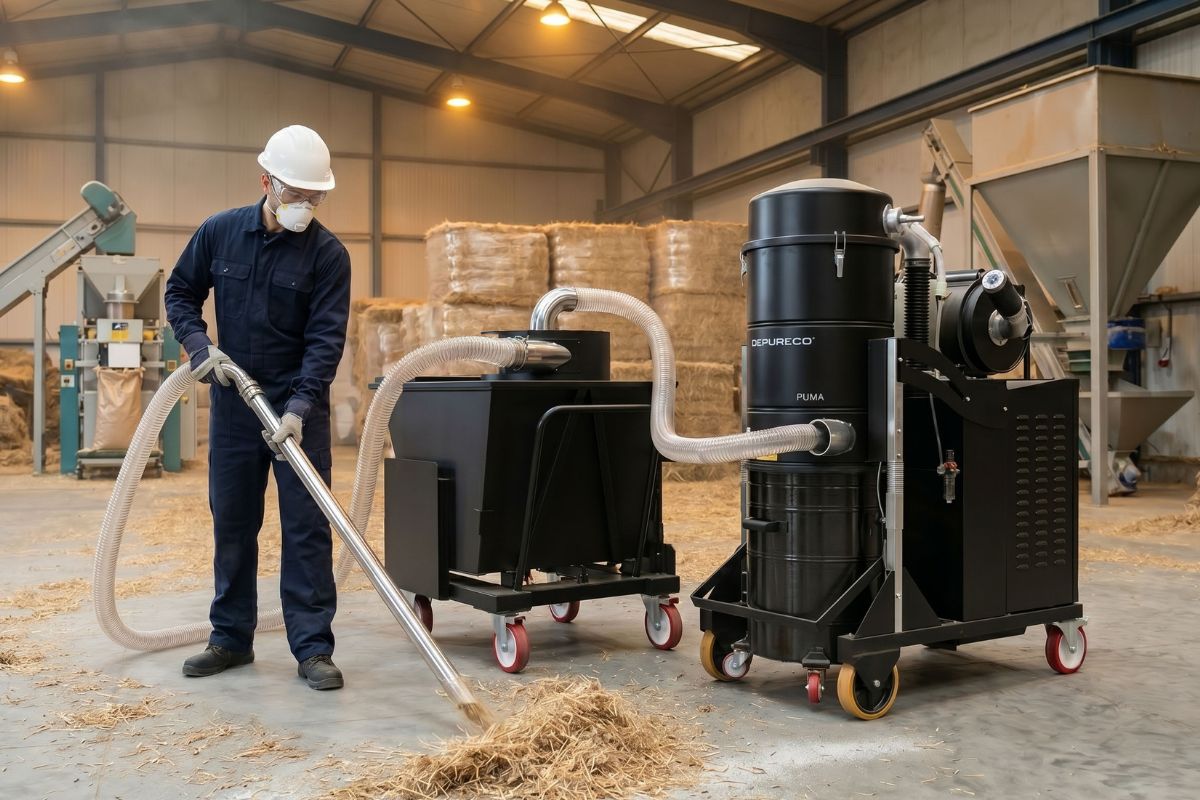
Frequent stopping and emptying can point to a capacity or duty-cycle problem. In those cases, a cyclone pre-separator, heavy-duty three-phase industrial vacuum, or even a centralized vacuum system may be a better fit than simply replacing the existing unit with something similar.
For applications involving coolant, oil, sludge, and metal chips, the larger opportunity may be improving the recovery process itself with a dedicated sump vacuum.
Simple rule: fix the cause, not just the symptom. The right next step may be maintenance, a filter or accessory change, pre-separation, or a different vacuum configuration.
| If You Notice... | Check First... | Possible Next Step |
|---|---|---|
| Weak suction immediately | Hose restrictions, leaks, seals, accessories, or incorrect setup | Repair or reconfigure before replacing equipment |
| Suction drops during use | Filter loading and how much material reaches the primary filter | Review filtration or add a cyclone pre-separator |
| Frequent stopping or emptying | Collection capacity, duty cycle, and material volume | Consider a heavy-duty three-phase vacuum or larger collection strategy |
| One vacuum serves too many work areas | Travel time, setup time, hose routing, and number of operators | Evaluate a centralized vacuum system |
| Coolant or recoverable material is discarded | Current separation and recovery process | Evaluate a sump vacuum and recovery system |
FAQs
Suction loss can come from a blocked hose, air leak, damaged accessory, loaded filter, or a vacuum that is poorly matched to the material and workload. If suction starts strong but declines during use, filter loading is one of the first areas to investigate.
Start by identifying the cause of the performance problem. A hose, filter, seal, accessory, or configuration change may solve the issue. Replacement or upgrading becomes more reasonable when capacity, duty cycle, filtration, or material-handling requirements consistently exceed what the current equipment can support.
A pre-separator can be useful when large volumes of dust, chips, or bulk material are reaching the primary vacuum too quickly. Removing more material before it reaches the main filter or collection chamber can help reduce filter loading and frequent emptying. Final suitability depends on the material, collection rate, vacuum configuration, and application.
Is Your Current Vacuum Still the Right Fit?
If cleanup time, filter maintenance, frequent stopping, or material waste is increasing, the answer may not be simply buying a larger vacuum. The right solution depends on the material, collection volume, duty cycle, filtration needs, and how the equipment fits into your production process.
Depureco USA can review your current setup and help determine whether the best next step is maintenance, a configuration change, pre-separation, or a different industrial vacuum system.
Request a vacuum performance review and tell us what your current equipment is struggling with.
Is Your Current Vacuum Still the Right Fit?
If cleanup time, filter maintenance, frequent stopping, or material waste is increasing, the answer may not be simply buying a larger vacuum. Depureco USA can review your material, workload, current setup, and operating requirements to help determine the right next step.
