CNC Sump Vacuum ROI Calculator: Estimate Cleanout Labor and Machine Downtime Savings

Calculator-led CNC sump vacuum resource for estimating cleanout labor, coolant recovery, disposal savings, downtime reduction, and payback across multiple machines.
Vacuum Parts Terminology Guide

Learn how industrial vacuum power, airflow, filtration, separation, collection and safety terminology affect equipment selection. Compare system types, material-handling requirements and application details before choosing the right vacuum configuration.
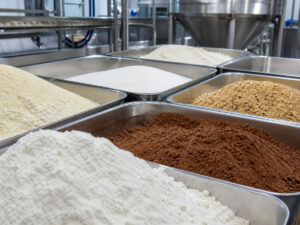
Food Powder Vacuum Selection Guide: Flour, Sugar, Starch, Cocoa, Spices & Allergen Dust

Food powders do not all behave the same. Use this guide to compare vacuum selection paths for flour, sugar, starch, cocoa, spices, crumbs, and allergen dust in food processing, bakery, ingredient, and packaging environments.
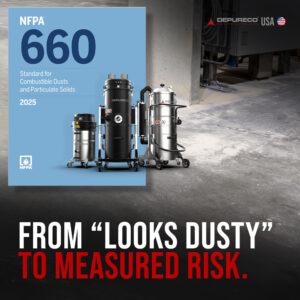
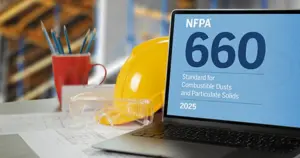
NFPA 660 Combustible Dust Housekeeping Review: Dust Layers, Area Classification & Vacuum Selection

A practical NFPA 660 housekeeping review for EHS, maintenance, and plant teams: measure dust layers, check area classification, review conductive accessories, and match the vacuum to the application.
Industrial Vacuum Filter Types Explained: Glossary, Uses & Selection Guide
Compare industrial vacuum filter types by material, media, and system role. This guide explains M-Class polyester, PTFE, antistatic, HEPA H13/H14, Nomex, liquid filters, Longopac collection, and filter compatibility review paths for Depureco industrial vacuum systems.
How to Choose the Right Sump Vacuum for Your CNC Machine Shop

Choosing the right sump vacuum for your CNC machine shop depends on what you are collecting, how much coolant is in each tank, and how your shop operates. This guide breaks down the key factors that affect sump vacuum sizing, coolant recovery, tank cleanout speed, and overall shop efficiency.
NFPA 660 Vacuum Requirements for Combustible Dust

NFPA 660 vacuum guidance for combustible dust cleanup, including ordinary vs hazardous locations, dust collectors vs industrial vacuums, HEPA filtration, ATEX/Class II Div 2, grounding, and dust hazard analysis.
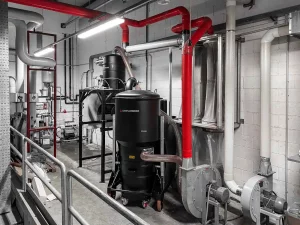
How Industrial Central Vacuum Systems Work

Industrial central vacuum systems provide powerful, centralized suction through fixed pipework across a facility. Learn how they work, what components they use, and why they improve safety, cleanliness, and efficiency.
What Vacuum Should You Use For Combustible Dust Housekeeping

Selecting a combustible dust vacuum starts with the material, pickup area and cleanup method, not horsepower alone. Use this guide to compare ordinary and classified locations, conductive-path requirements, filtration, sizing, collection and disposal before choosing a housekeeping system.