Dust, liquids, coolant, chips, swarf, combustible dust, and airborne contaminants each demand different suction, filtration, containment, and discharge logic. Use the paths below to move straight to the Depureco solution family that fits the way the material behaves in your plant.
From dust and debris to liquids and hazardous substances, different materials require distinct approaches when using vacuum cleaners. Explore how industrial vacuum cleaners effectively tackle these materials, ensuring cleanliness and safety across various settings. Choose the ideal vacuuming solution for your unique needs in manufacturing and beyond.

Industrial cleanup is rarely just “dust on the floor.” The real question is what is being recovered, how it behaves, and what happens after collection.
Depureco industrial vacuums are selected around the material stream: fine dust, liquids, sludge, chips, swarf, powders, and mixed waste. That means matching suction, filtration, containment, and discharge to the actual cleanup problem instead of forcing one machine into every application.
Some dust streams demand more than higher suction. They require tighter containment, more efficient filtration, and cleaner disposal.
For fine, hazardous, or exposure-sensitive particulate, solution fit depends on particle size, loading behavior, containment needs, and how the recovered dust will be removed from the machine. That is where HEPA filtration, safe collection methods, grounded recovery paths, and higher-control system design start to matter.


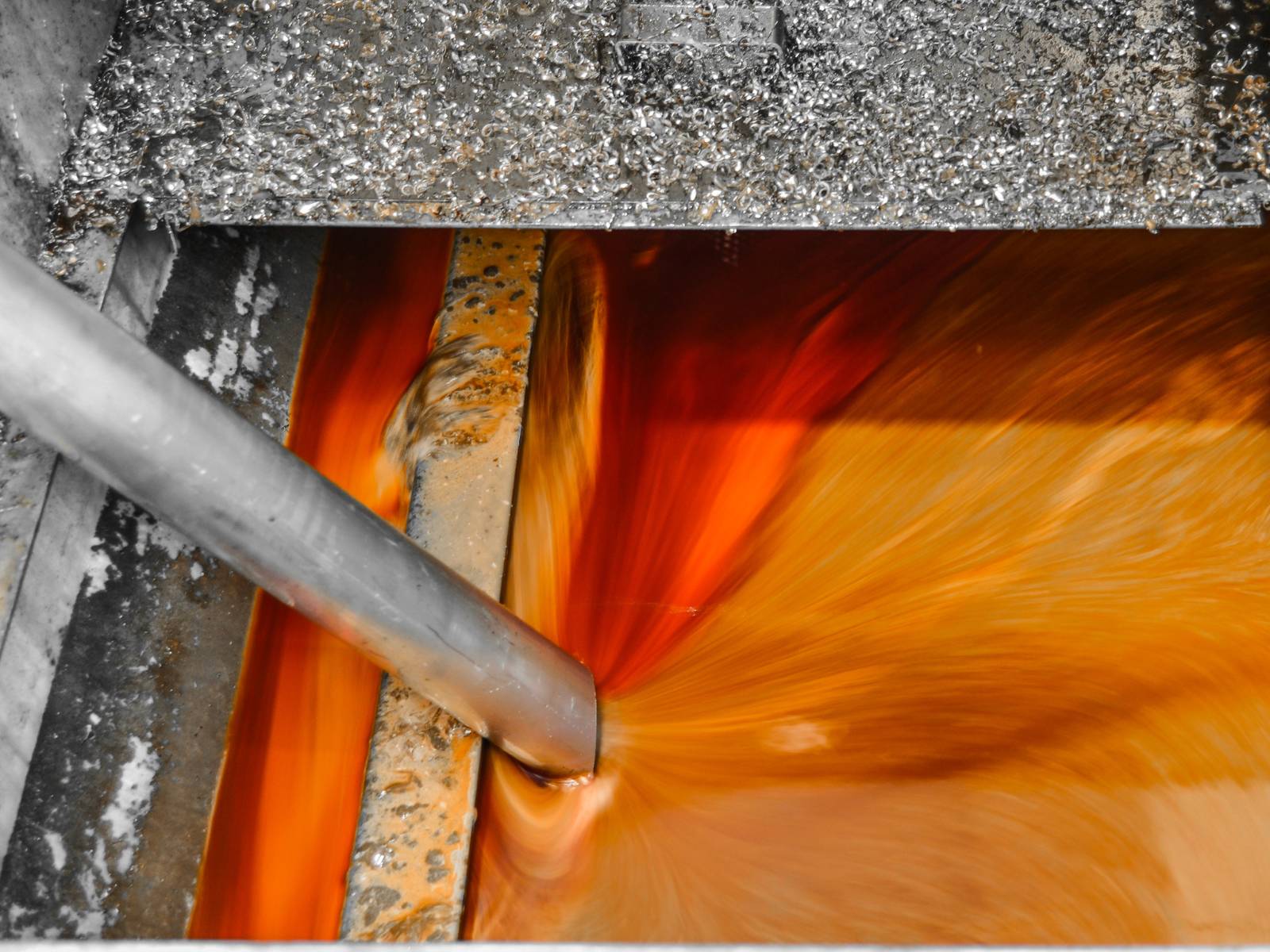
In many applications, the vacuum is not just a cleanup tool. It is part of how material is recovered, separated, transferred, or returned to the process.
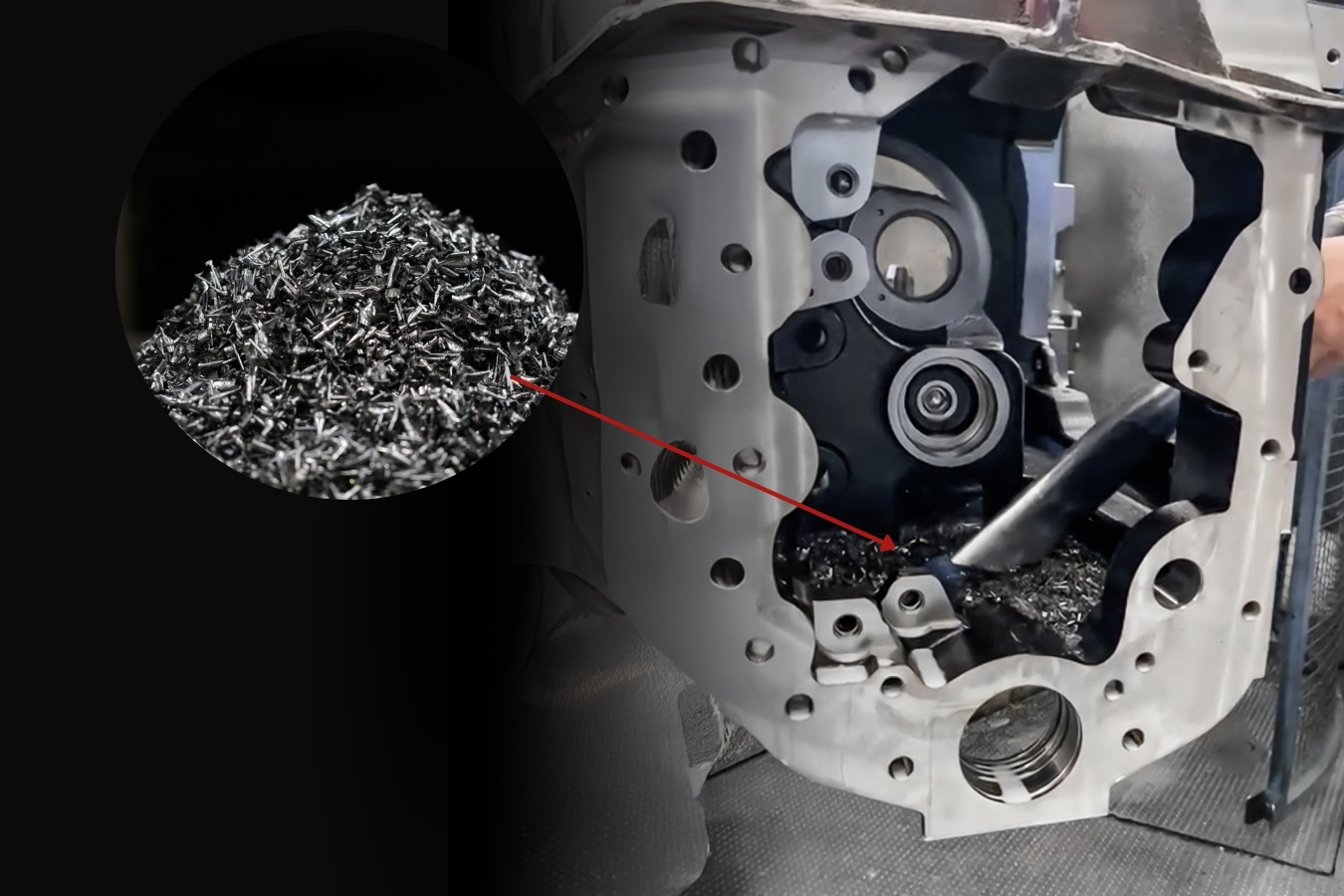
That matters most in workflows involving coolant recovery, chip separation, reusable liquids, valuable powders, and bulk material that becomes expensive to dump, rehandle, or replace. The right recovery setup can help reduce waste, improve cleanout speed, and make the collected stream easier to manage after pickup.