Search
POINT-OF-USE DUST CONTROL FOR PCB, SEMICONDUCTOR & ESD-SENSITIVE PRODUCTION

Industrial Vacuum Systems for Electronics Manufacturing

Industrial electronics manufacturing creates fine dust, conductive residue, PCB debris, and recoverable metal-bearing particles at benches, routing stations, enclosed tools, access panels, and service points. Depureco helps match the vacuum system to the process, material, filtration requirement, and cleanup workflow so dust is collected before it migrates into adjacent equipment, airflow paths, or downstream production areas.

Industrial vacuum systems for electronics manufacturing, PCB production, and semiconductor environments are used for dust control, fine particle cleanup, and recovery of metal-bearing materials such as copper and gold. These vacuum systems are commonly used for PCB dust collection, electronics cleanup, and semiconductor process maintenance at workstations, machines, and production areas.

Industrial vacuum systems for electronics manufacturing are used for PCB dust collection, semiconductor cleanup, electronics assembly cleanup, ESD-sensitive production areas, fine particle recovery, conductive dust collection, HEPA vacuuming, antistatic vacuuming, central vacuum systems, dust collectors, and recovery of metal-bearing process residue. Related electronics manufacturing vacuum applications include PCB routing dust, PCB drilling dust, depaneling dust, fiberglass dust, resin dust, copper-bearing dust, gold-bearing residue, solder dust where applicable, semiconductor material residue, cleanroom-support cleanup, production cell cleanup, machine-side cleanup, and multi-point vacuum access.
START WITH THE CLEANUP POINT

How to Choose an Industrial Vacuum for Electronics Production

The best vacuum for electronics manufacturing is not selected by industry alone. A PCB routing station, semiconductor maintenance area, ESD-sensitive bench, and multi-point production line can all require different vacuum configurations.

Start by identifying where the material is being collected, how the dust behaves, and what the vacuum needs to control after pickup. From there, the right product path becomes much clearer: compact mobile vacuum, HEPA fine dust extractor, antistatic or conductive configuration, material recovery setup, dust collector, or centralized vacuum system.

The key question is not “which vacuum is strongest?” It is which vacuum configuration matches the pickup point, material, filtration requirement, static risk, and disposal method.

Choosing an industrial vacuum for electronics production requires review of the cleanup point, process type, particle size, dust loading, material conductivity, ESD sensitivity, combustible dust potential, filtration level, collection method, discharge method, hose diameter, tool connection, operator workflow, and whether the system should be portable, fixed, centralized, or connected to source capture. Electronics production vacuum selection may involve HEPA dust extractors, antistatic vacuums, conductive accessory packages, explosion-proof vacuum review, ORD LOC vacuum review, central vacuum systems, pre-separators, dust collectors, and material recovery systems.
SMALL STATIONS / BENCH CLEANUP

Bench, Lab & Machine-Side Cleanup

For workstations, inspection areas, R&D labs, small production cells, and localized cleanup around electronics assembly, service points, or maintenance areas.
FINE PARTICLE / HEPA PATH

PCB Dust, Semiconductor Residue & Controlled Cleanup

For fine particulate, PCB routing dust, semiconductor material residue, and cleanup points where HEPA H13 or H14 filtration may be required.
STATIC / CONDUCTIVE DUST REVIEW

ESD-Sensitive, Conductive or Combustible Dust

For conductive residue, carbon/graphite dust, copper-bearing fines, or materials that require antistatic accessories, grounding review, or ORD LOC / explosion-proof vacuum evaluation.
MULTI-POINT / ENGINEERED SYSTEMS

Fixed, Centralized & Source-Capture Systems

For electronics production areas with multiple benches, tools, pickup points, or airborne dust that needs a fixed vacuum system, central vacuum system, or dust collector.
Electronics manufacturing vacuum selector categories include compact workbench vacuums, machine-side industrial vacuums, HEPA dust extractors, PCB dust vacuums, semiconductor residue vacuums, ESD-sensitive vacuums, antistatic industrial vacuums, conductive dust vacuums, explosion-proof vacuum review, ORD LOC vacuum review, central vacuum systems, fixed vacuum systems, dust collectors, source capture systems, and material recovery vacuums for electronics production environments.

Vacuum System Solution Options for Electronics Manufacturing

BY CLEANUP POINT, MATERIAL AND SYSTEM TYPE
Electronics production can require very different vacuum configurations depending on where the material is collected, how the dust behaves, and whether the process requires HEPA filtration, static-control review, material recovery, source capture, or multiple pickup points. Start with the product path closest to your application, then use the cards below to compare vacuum styles before requesting an application review.

Depureco vacuum system options for electronics manufacturing include compact industrial vacuums, HEPA fine dust extractors, Longopac dust extractors, antistatic vacuums, conductive dust vacuum configurations, ORD LOC vacuums, explosion-proof industrial vacuums, central vacuum systems, fixed vacuum systems, cyclone pre-separators, dust collectors, and industrial vacuum accessories. Product selection should be based on application, material, filtration, static risk, collection volume, pickup distance, and discharge method.

Compact Workbench & Machine-Side Cleanup

COMPACT VACUUMS FOR LOCALIZED CLEANUP
For benches, inspection stations, maintenance carts, R&D labs, and compact production cells where the vacuum needs to stay mobile without sacrificing industrial filtration or accessory fit.
Compact industrial vacuums for electronics manufacturing are used for bench cleanup, workstation cleanup, electronics assembly cleanup, R&D lab cleanup, inspection station cleanup, machine-side cleanup, small production cell cleanup, PCB dust cleanup, and fine dry debris recovery. Related products may include M PRO and XM 20 JC. Related search intent includes compact industrial vacuum for electronics, electronics manufacturing vacuum, PCB dust vacuum, workstation vacuum, bench vacuum, electronics assembly vacuum, machine-side vacuum, fine dust vacuum for electronics production, and HEPA vacuum for localized cleanup.
ENTRY-LEVEL DUST & SOLIDS VACUUM
M PRO

M PRO

COMPACT INDUSTRIAL VACUUM

Compact single-phase industrial vacuum for dust, dry debris, powders, and light production cleanup with dual bypass motors, antistatic Class M filtration, and a 12-gallon bin.

POWER: 2 kW | 2.7 HP
SURFACE: 930 in²
CAPACITY: 12 gal
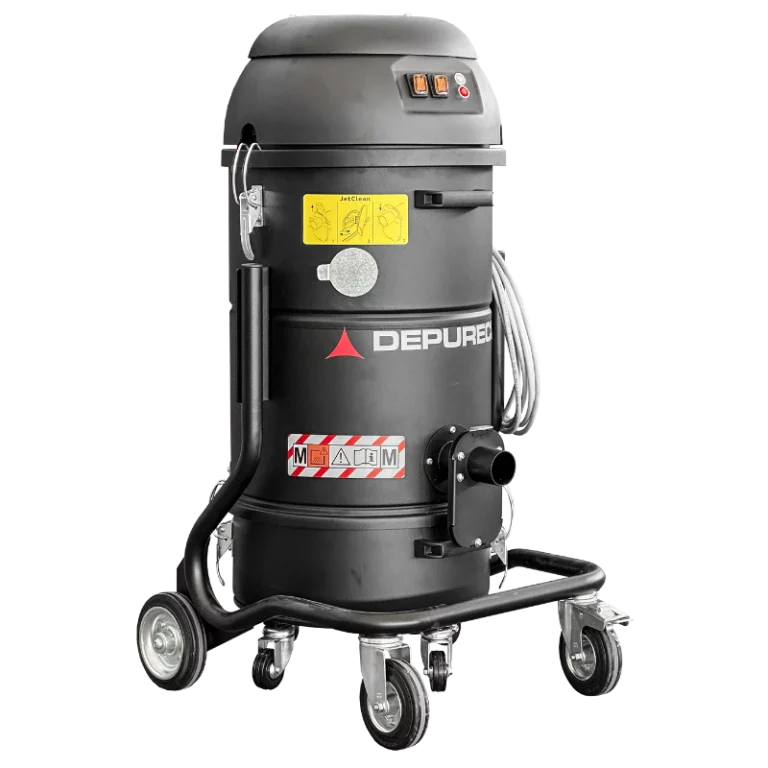
COMPACT JETCLEAN® FINE DUST VACUUM
XM 20 JC

XM 20 JC

HEPA/FINE DUST EXTRACTOR

Compact single-phase industrial vacuum with JetClean® cartridge cleaning, PTFE Class M filtration, optional HEPA H14, and 6-gallon bin for fine dust and dry debris recovery.
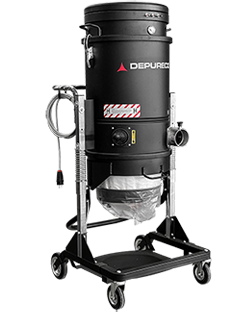
POWER: 2 kW | 2.7 HP
SURFACE: 5,500 in² 
CAPACITY: 6 gal

HEPA Fine Dust & Controlled Collection

HEPA FILTRATION FOR FINE ELECTRONICS DUST
For fine particulate, PCB dust, semiconductor residue, and cleanup workflows where filter efficiency and controlled discharge matter as much as suction power.
HEPA fine dust vacuums for electronics manufacturing are used for PCB dust collection, semiconductor residue cleanup, fine particle recovery, dry process powder collection, controlled-area cleanup, cleanroom-support vacuuming, and contained dust disposal. Related products may include M100 LP, M100 LP TAN, and M100 JC TAN LP. Related search intent includes HEPA vacuum for electronics manufacturing, H13 vacuum, H14 vacuum, PCB dust vacuum, semiconductor HEPA vacuum, fine dust extractor, cleanroom-support vacuum, Longopac dust extractor, contained collection vacuum, and industrial vacuum for fine electronics dust.
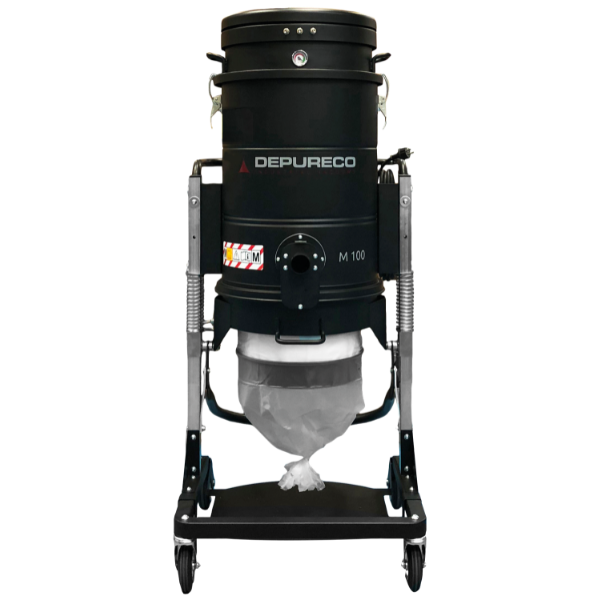
HIGH-AIRFLOW BAGGING VACUUM WITH CYCLONE INLET
M100 LP TAN

M100 LP TAN

CYCLONIC ENDLESS-BAG VACUUM

High-airflow single-phase industrial vacuum with Longopac endless-bag collection, tangential cyclone inlet, Class M filtration, manual filter cleaning, and optional HEPA H14.

POWER: 3.3 HP | 120V 1∼
SURFACE: 3.800 in2
CAPACITY: Longopac
HIGH-AIRFLOW BAGGING DUST VACUUM
M100 LP

M100 LP

ENDLESS-BAG INDUSTRIAL VACUUM

High-airflow single-phase industrial vacuum with manual Class M filtration and Longopac endless-bag collection for dust, powders, dry debris, and production cleanup.
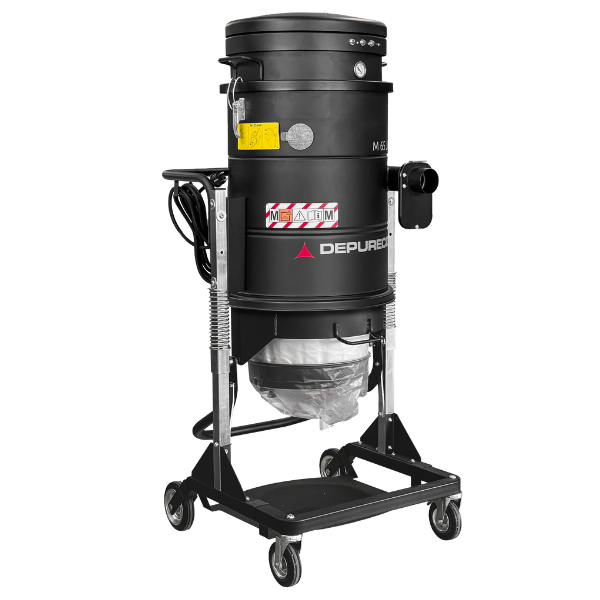
POWER: 2.4 kW | 3.3 HP
SURFACE: 3,800 in² 
CAPACITY: Longopac
JETCLEAN® VACUUM WITH CYCLONE INLET
M100 JC TAN LP

M100 JC TAN LP

CYCLONIC WET & DRY VACUUM

Single-phase JetClean® industrial vacuum with tangential cyclone inlet, PTFE Class M cartridge filtration, optional HEPA H14, and a 26-gallon bin for dust, chips, and wet/dry cleanup.

POWER: 3.3 HP | 120V 1∼
SURFACE: 5.500 in2
CAPACITY: Longopac

ESD, Conductive Dust & Combustible Dust Review

STATIC-AWARE AND HAZARD-REVIEW CONFIGURATIONS

For conductive dust, static-sensitive production areas, dry powders, or material streams that need review against SDS data, grounding path, accessory configuration, and area classification.
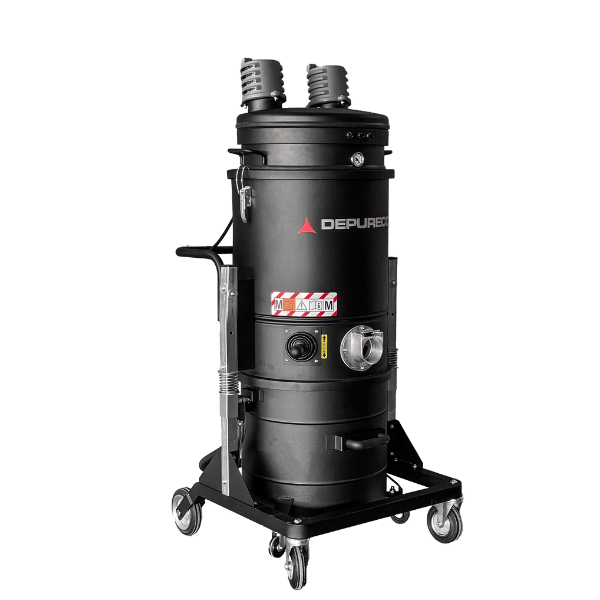
ESD-sensitive and conductive dust vacuum applications in electronics manufacturing may require antistatic vacuum configurations, conductive hose, conductive tools, grounded vacuum components, antistatic filter media, stainless collection bins, explosion-proof vacuum review, ORD LOC vacuum review, and combustible dust vacuum review. Related products may include BL 20 JC ORD LOC, BL 20 JC ATEX, BL45 JC ORD LOC, BL45 ORD LOC, and M100 ORD LOC. Related search intent includes ESD vacuum, anti static vacuum for electronics, conductive dust vacuum, explosion proof vacuum for electronics dust, combustible dust vacuum for electronics manufacturing, ORD LOC vacuum, grounded industrial vacuum, carbon dust vacuum, graphite dust vacuum, copper dust vacuum, and antistatic industrial vacuum.
ORDINARY-LOCATION DUST HOUSEKEEPING
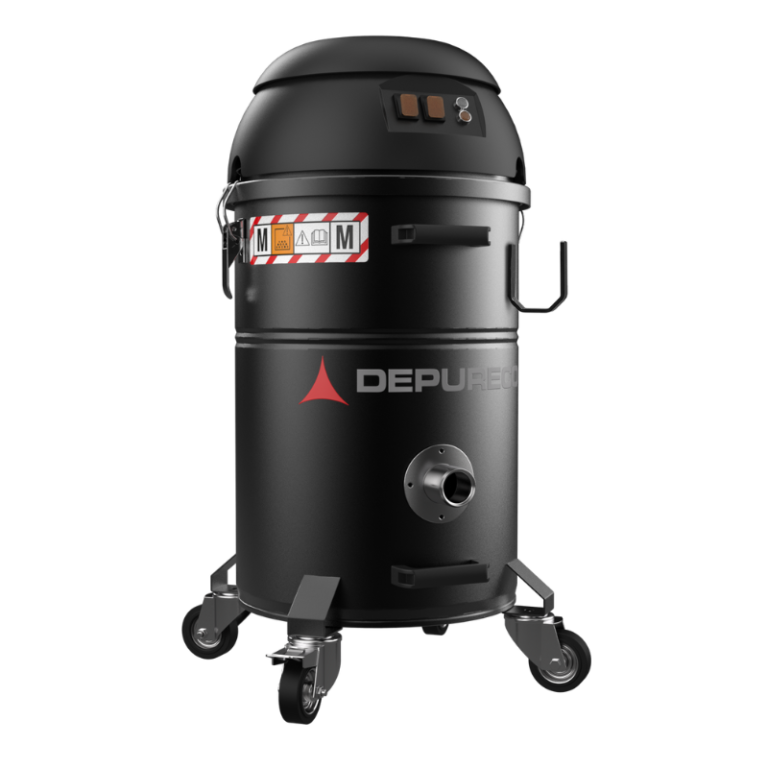
M100 ORD LOC

M100 ORD LOC

NFPA 660 COMBUSTIBLE DUST VACUUM

NFPA 660 compliant ordinary-location combustible dust vacuum with 3 by-pass motors, antistatic Class M filtration, manual shaker cleaning, and a 26-gallon bin.
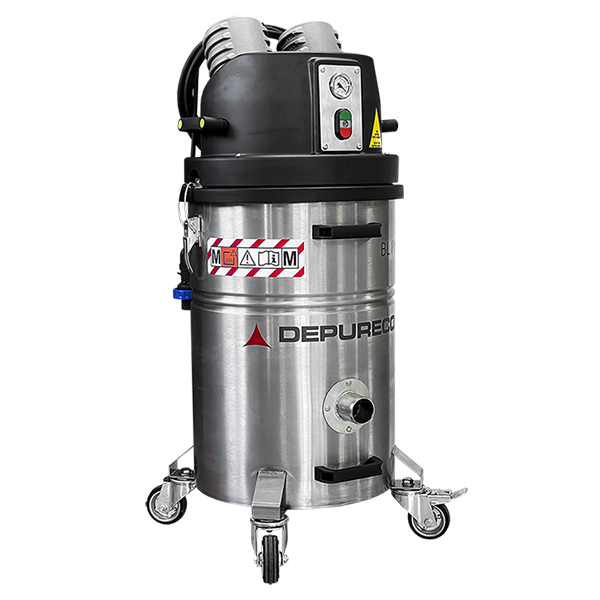
POWER: 3.3 HP | 120V 1∼
SURFACE: 3720 in²
CAPACITY: 26 gal
COMPACT IGNITION-SAFE DUST RECOVERY
BL PRO ATEX

BL PRO ATEX

BRUSHLESS HAZARDOUS-DUST VACUUM

Compact brushless vacuum for hazardous dust and combustible powder cleanup with antistatic Class M filtration, HEPA H14 outlet filtration, grounded construction, and stainless collection.
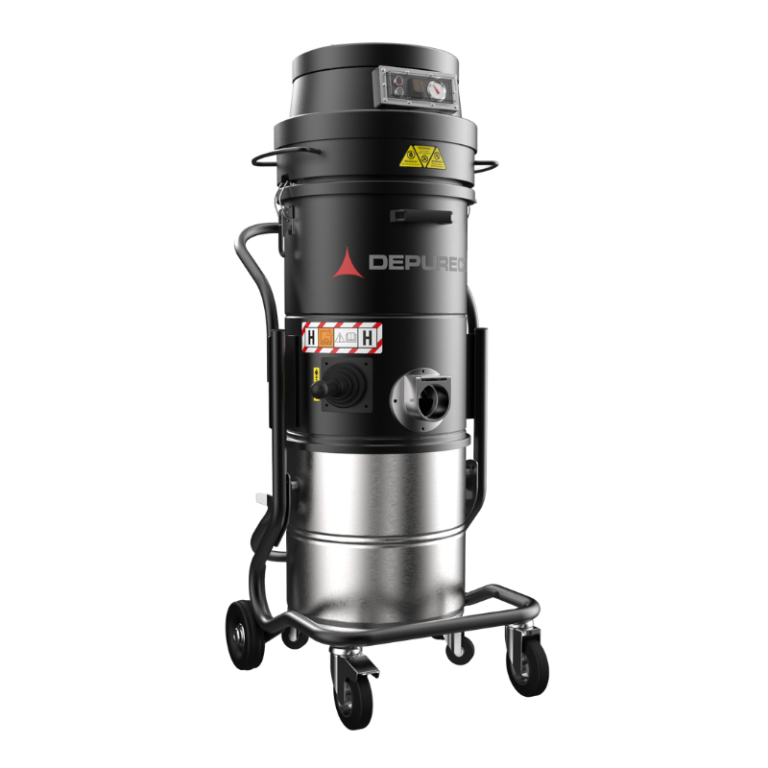
POWER: 1.5 HP | 120V 1~
SURFACE: 930 in²
CAPACITY: 11 gal
12-GAL COMBUSTIBLE DUST WORKHORSE
BL45 ORD LOC

BL45 ORD LOC

BRUSHLESS HAZARDOUS-DUST VACUUM

Brushless hazardous-dust vacuum for combustible dust and powder cleanup with antistatic Class M filtration, manual shaker cleaning, HEPA H14 filtration, grounding, and 12-gal stainless collection.
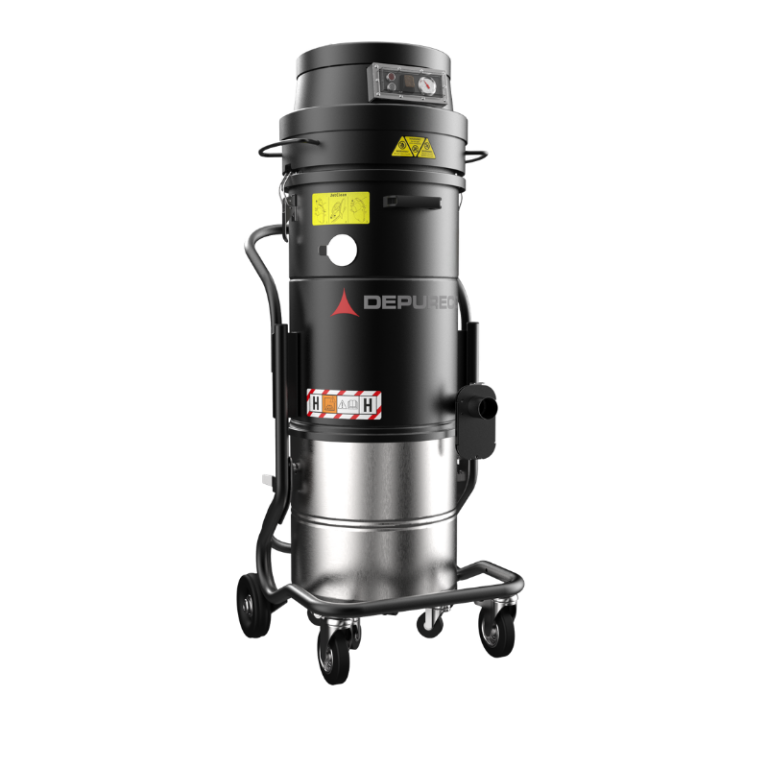
POWER: 1.5 HP
SURFACE: 2,500 in²
CAPACITY: 12 gal
12-GAL ORD LOC DUST WORKHORSE
BL45 JC ORD LOC

BL45 JC ORD LOC

BRUSHLESS JETCLEAN® DUST VACUUM

Brushless ORD LOC dust vacuum for combustible dust and powder cleanup with JetClean® cartridge cleaning, antistatic Class M filtration, HEPA H14 filtration, grounding, and 12-gal stainless collection.
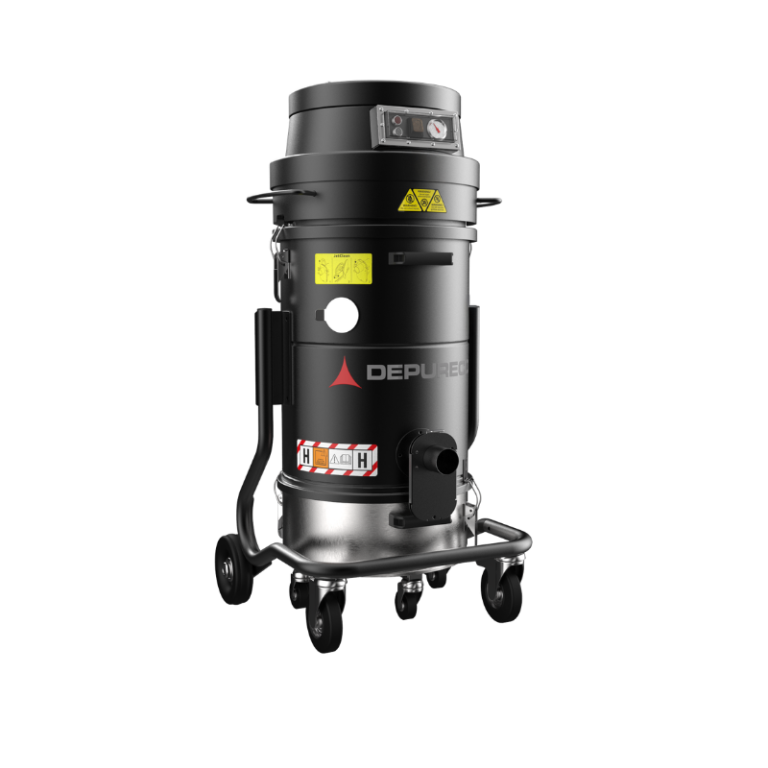
POWER: 1.5 HP
SURFACE: 5,270 in²
CAPACITY: 12 gal
COMPACT HAZARDOUS-DUST VACUUM
BL20 JC ORD LOC

BL20 JC ORD LOC

BRUSHLESS JETCLEAN® DUST VACUUM

Compact brushless hazardous-dust vacuum with JetClean® cartridge cleaning, antistatic Class M filtration, HEPA H14 filtration, grounded construction, and stainless collection.

POWER: 1.5 HP
SURFACE: 5,270 in²
CAPACITY: 6 gal

Fixed, Centralized & Multi-Point Systems

ENGINEERED SYSTEMS FOR MULTIPLE PICKUP POINTS

For electronics production areas with several benches, tools, or cells that need repeated vacuum access without moving portable units around the floor.
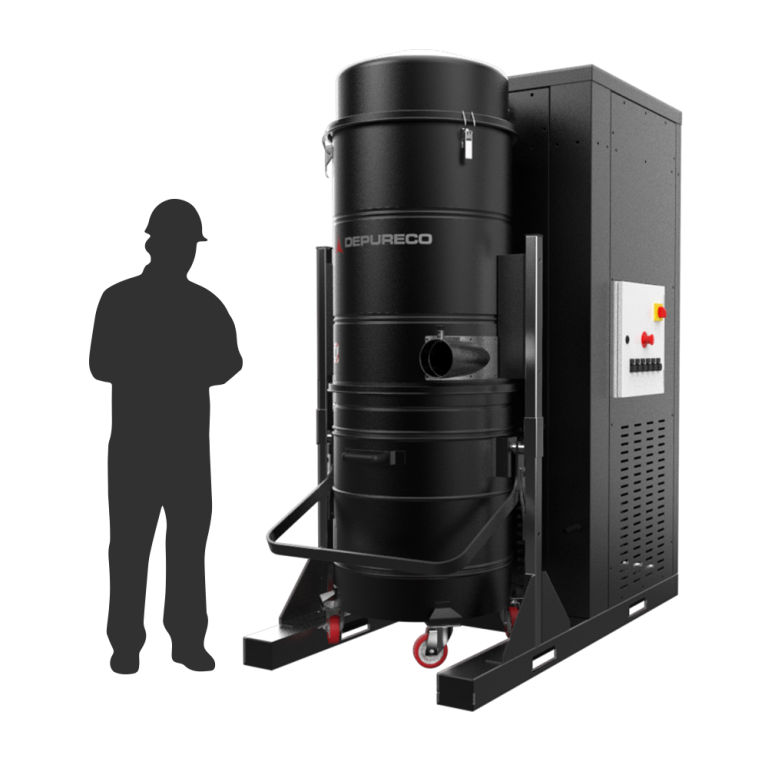
Fixed and centralized vacuum systems for electronics manufacturing are used for multiple pickup points, production line cleanup, bench-to-bench vacuum access, machine-side cleanup, facility-wide dust recovery, material recovery systems, cyclone pre-separation, and source capture. Related products and systems may include HF 300, PUMA FIX, central vacuum systems, DV AIR separators, cyclone pre-separators, DF dust collectors, and AF dust collectors. Related search intent includes central vacuum system for electronics manufacturing, fixed industrial vacuum system, multi-point vacuum system, PCB dust collection system, electronics production dust collector, source capture dust collector, industrial dust collector for electronics, and pre-separator for fine dust recovery.
PUMA FIX STATIONARY CENTRAL VACUUM MODULE
PUMA FIX

PUMA FIX

STATOINARY CENTRAL VACUUM UNIT

Fixed high-airflow central vacuum power unit with side-channel blower performance, automatic reverse-jet filter cleaning, remote electrical panel, and a 46-gallon collection bin for permanent piping systems.
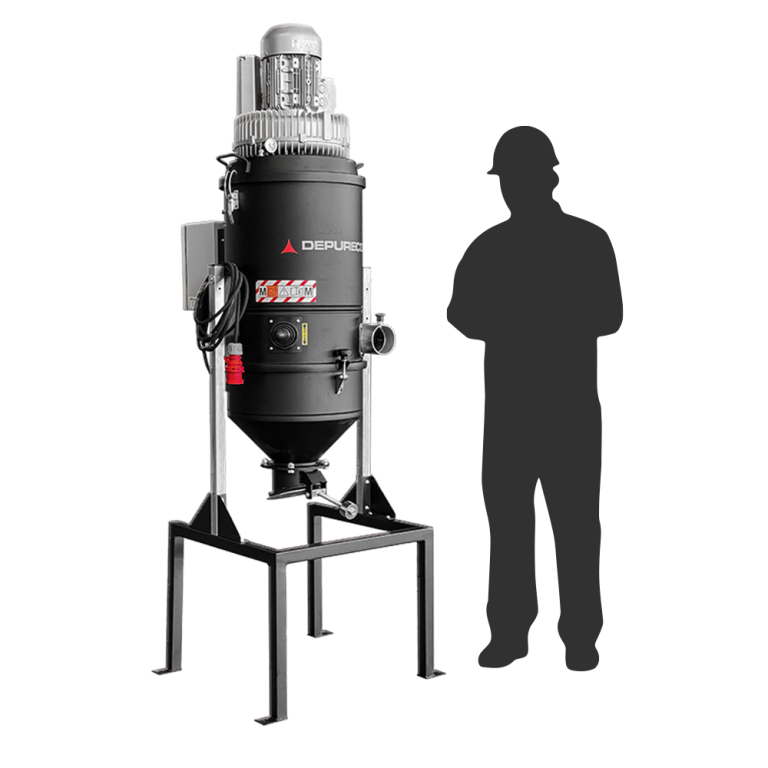
POWER: 10.9-28.5 HP
AIR FLOW: 490-945 CFM
MAX DEPRESSION: 100-212 inH2O
LOCALIZED DISCHARGE VACUUM UNIT
HF300

HF300

STATIONARY CENTRAL VACUUM

Stationary central vacuum unit with side-channel blower suction, Class M star filtration, manual filter cleaning, fixed chassis, electrical panel control, and localized discharge support.

POWER: 4.8 HP | 480V 3∼
AIR FLOW: 247 CFM
MAX DEPRESSION: 108 inH2O
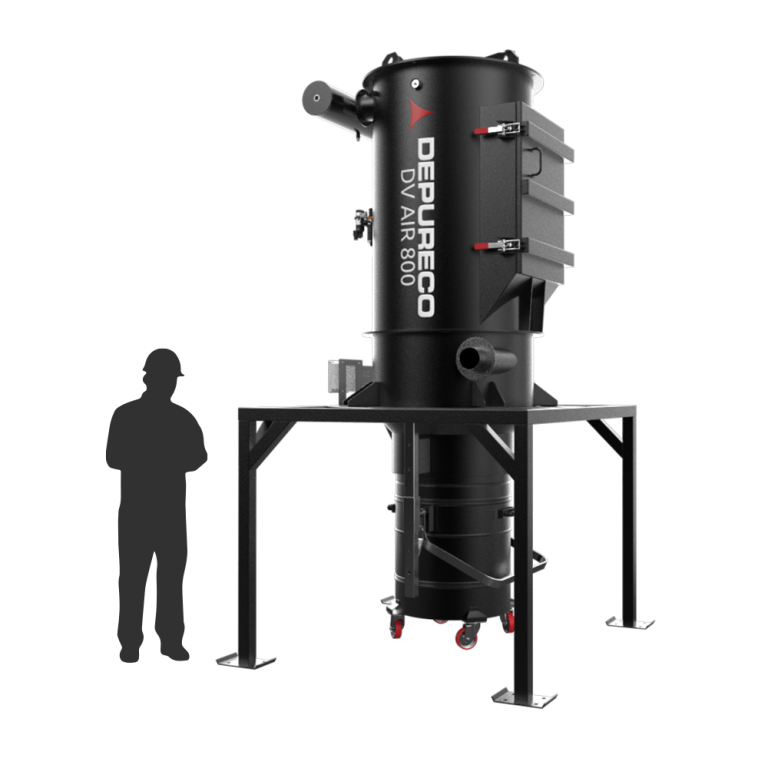
46-GAL BIN FILTER SEPARATOR
DV AIR WB 800

DV AIR WB 800

CENTRAL VACUUM FILTER UNIT

Central vacuum filter unit with 46-gal painted steel bin collection, 52,700 in² antistatic Class M cartridge filtration, SP reverse-jet cleaning, fixed frame, and 5-in system connections.
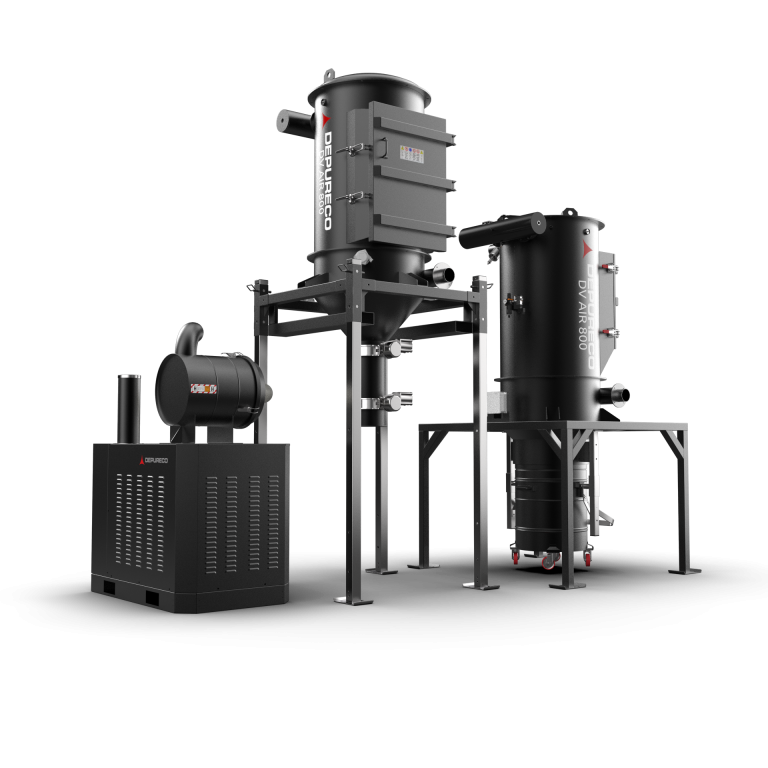
POWER: N/A
AIR FLOW: SYSTEM-DEPENDENT
MAX DEPRESSION: SYSTEM-DEPENDENT
46-GAL HIGH-CAPACITY FILTER SEPARATOR
DV AIR WB 1100

DV AIR WB 1100

CENTRAL VACUUM FILTER UNIT

High-capacity central vacuum filter unit with 46-gal painted steel bin collection, 92,225 in² antistatic Class M cartridge filtration, SP reverse-jet cleaning, fixed frame, and 6-in system connections.
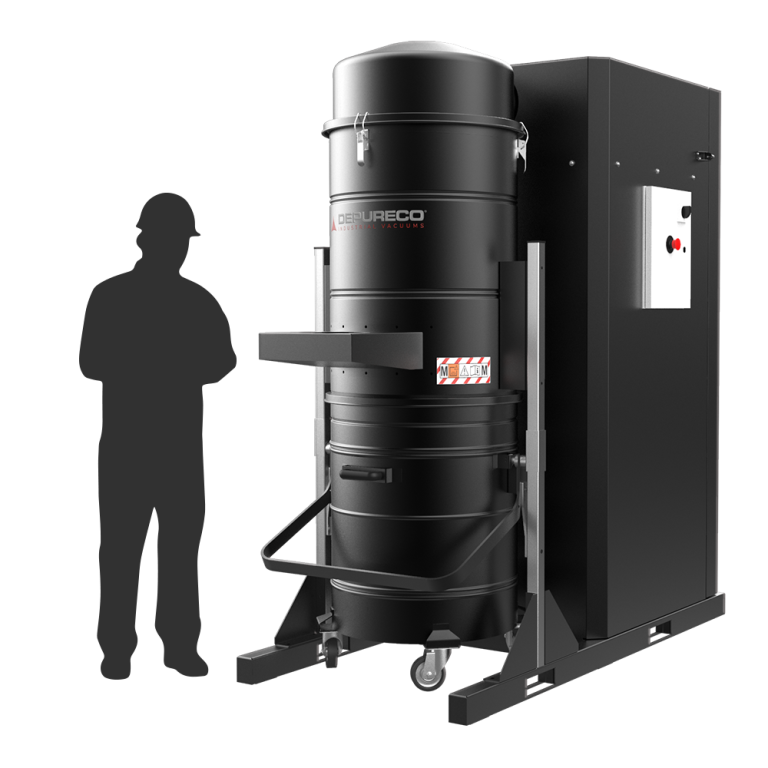
POWER: N/A
AIR FLOW: SYSTEM-DEPENDENT
MAX DEPRESSION: SYSTEM-DEPENDENT
HIGH-AIRFLOW BIN-BASED DUST COLLECTION
DF FIX

DF FIX

STATIONARY INDUSTRIAL DUST COLLECTOR

Stationary industrial dust collector with high-airflow fan performance, 46-gallon bin collection, antistatic Class M filtration, reverse-jet cleaning, and electrical panel control.
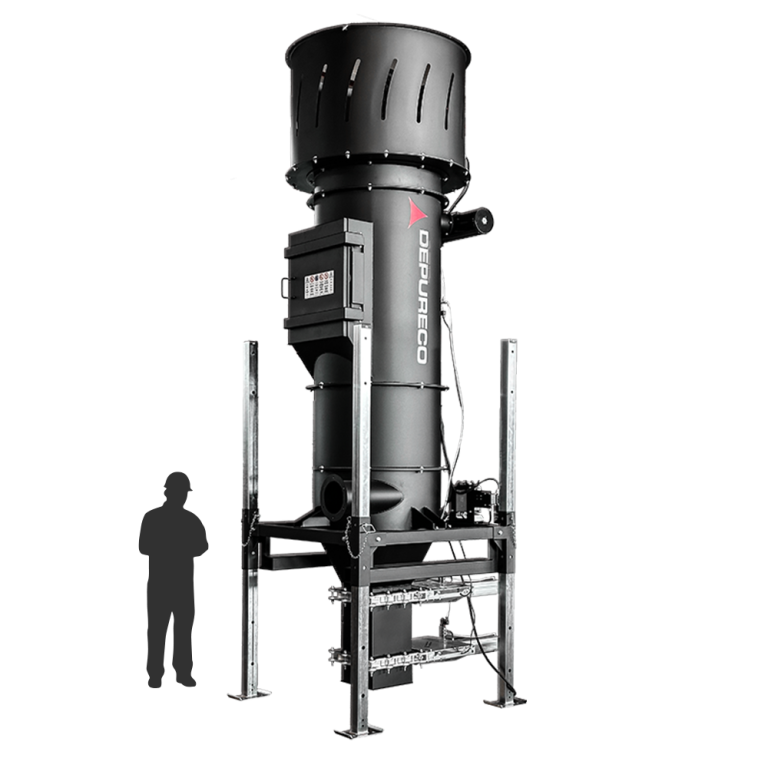
POWER: From 8.5 to 9 HP
AIR FLOW: FROM 1,589 to 2,472 CFM
MAX DEPRESSION: 25.9 to 39.7 inH2O
LOCALIZED DISCHARGE DUST COLLECTION
AF

AF

STATIONARY INDUSTRIAL DUST COLLECTOR

Stationary industrial dust collector family for localized dust capture and discharge, with high-airflow fan performance, Class M cartridge filtration, and 52,700 in² filter surface area.

POWER: 6.2 - 8.5 HP
AIR FLOW: 1,295 to 1,589 CFM
MAX DEPRESSION: FROM 15.7 to 25.9 inH2O
FEATURES THAT CHANGE THE VACUUM FIT

Vacuum Features That Matter in Electronics Manufacturing

The vacuum unit is only one part of the system. Electronics applications often depend on the filter path, hose and tool package, grounding strategy, collection container, and discharge method.

hepa filters
HEPA H13 / H14 Final Filtration

Better Fine-Particle Control Starts With the Full Filter Setup

In semiconductor and electronics manufacturing, filtration performance is driven by particle size, loading rate, and airflow stability.

Fine dry dust generated during PCB processing, cutting, and handling can rapidly load filter media, reducing airflow and making containment more difficult.

Depureco systems can be configured with both primary filtration and HEPA H14 absolute filtration where required, supporting controlled collection of fine particulate and metal-bearing dust directly at the cleanup point.

Antistatic and Conductive Grounding Options

STATIC-CONTROL PATHS FOR ELECTRONICS DUST COLLECTION

Static control depends on the full vacuum path — not only the vacuum unit. Conductive dust, carbon or graphite residue, copper-bearing fines, dry powders, and ESD-sensitive work areas may require antistatic or conductive components from the pickup tool through the collection container.

Depureco vacuum systems can be configured with antistatic filter media, conductive or antistatic hoses, grounded collection bins, conductive accessories, and model-specific grounding options based on the material and work area.

  • Antistatic filter media for fine dry dust and static-aware collection
  • Conductive or antistatic hose and tool options
  • Grounded collection path from pickup point to container
  • Stainless or grounded collection bins where applicable
  • ORD LOC / explosion-proof review path for combustible or classified-risk dust
  • Application review based on material, SDS, area classification, and cleanup workflow
precious materials

Material collection and recovery

CONTROLLED MATERIAL RECOVERY FOR METAL-BEARING DUST AND PROCESS RESIDUE

Electronics manufacturing processes can generate fine particulate containing conductive or valuable materials such as copper, gold, and alloy residues.

Industrial vacuum systems can be configured to collect and contain this material during cleanup, supporting recovery, reducing process loss, and improving handling of fine particulate.

Applications include:

  • Wire bonding and finishing processes
  • PCB routing and material removal
  • Recovery of fine metal-bearing dust from work areas and equipment

Material recovery vacuum systems are used in electronics manufacturing to collect and recover fine particles, metal dust, and process residue generated during PCB production, chip manufacturing, and assembly operations. These systems help reduce material loss and improve handling of valuable or conductive dust.

Important vacuum features for electronics manufacturing include HEPA H13 filtration, HEPA H14 filtration, antistatic filter media, PTFE filter media, M-Class primary filtration, JetClean filter cleaning, conductive hoses, antistatic hoses, conductive vacuum tools, grounded collection bins, stainless steel containers, Longopac collection, contained discharge, cyclone pre-separation, separator systems, central vacuum piping, fixed pickup points, and dust collector source capture for PCB dust, semiconductor dust, conductive dust, fine powders, and material recovery.

A Better Fit for Workstation Cleanup and Localized Recovery

COMPACT INDUSTRIAL VACUUMS FOR WORKBENCH AND MACHINE-SIDE CLEANUP

Workstations, enclosures, and machine-side access points are where dust and material buildup first occurs during electronics manufacturing processes such as drilling, routing, cutting, and assembly.

Compact industrial vacuum systems are used to remove this material at the source, reducing particle migration into adjacent processes and minimizing manual cleaning.

Typical applications include:

  • Bench-level cleanup
  • Small production cells
  • Equipment access and service points
  • Controlled removal of fine dry residue and process debris
FOR ENGINEERING, EHS AND FACILITY REVIEW

Selection Notes for Electronics Manufacturing Vacuums

Use the tabs below when material behavior, filtration, ESD control, combustible dust, disposal method, or multi-point system design needs a deeper review.

Application Fit

Match the Vacuum to the Electronics Production Use Case

Electronics production vacuum selection usually comes down to the pickup point, dust behavior, filtration requirement, static risk, and discharge workflow. Use this as a first-pass direction before final application review.

Production Need Best Vacuum Direction Related Product Path Review Triggers
Bench, cell, lab, or small station cleanup Compact mobile vacuum with fine dust filtration and production-friendly accessories. XM 20, M PRO
Compact cleanup Mobile use
Dust volume, tool access, bench layout, hose diameter, disposal frequency.
PCB routing, drilling, trimming, or depaneling dust Fine dust vacuum or source-capture setup close to the dust generation point. M100 LP, M100 JC TAN LP, DF / AF Dust Collectors
PCB dust Fine particulate
Fiberglass/resin dust, copper-bearing fines, continuous vs batch process, airborne dust behavior.
ESD-sensitive or conductive dust cleanup Static-aware configuration using antistatic or conductive accessories and grounding review. BL 20 JC ORD LOC / ATEX, M100 ORD LOC
Static review Conductive dust
Material conductivity, ESD-sensitive work area, hose/tool path, grounding, area classification.
Semiconductor tool maintenance Controlled fine-particle vacuum with HEPA H13/H14 filtration path where required. XM 20, M100 LP, M100 LP TAN
HEPA path Controlled cleanup
Particle size, access point, filter efficiency target, cleaning SOP, disposal method.
Copper, gold, alloy, or recoverable residue Material recovery vacuum with collection method selected around value, volume, and contamination control. Mobile vacuum + pre-separator, DV AIR / cyclone separator
Material recovery Pre-separation
Material value, cross-contamination risk, discharge workflow, recoverable volume.
Multiple benches, tools, or production cells Fixed or centralized vacuum system with engineered pickup points. HF 300, PUMA FIX, Central Vacuum Systems
Multi-point cleanup Engineered system
Number of pickup points, simultaneous users, piping layout, collection location, maintenance access.
Airborne process dust Dust collector or extraction system instead of only a surface cleanup vacuum. DF / AF Dust Collectors
Source capture Airborne dust
Dust is airborne during process, needs hood/source capture, repeated generation, operator exposure concern.
Electronics manufacturing vacuum applications include bench cleanup, electronics assembly cleanup, PCB routing dust collection, PCB drilling dust collection, PCB depaneling dust cleanup, semiconductor tool maintenance cleanup, ESD-sensitive vacuuming, conductive dust vacuuming, cleanroom-support vacuuming, copper dust recovery, gold dust recovery, material recovery vacuuming, central vacuum systems for electronics production, and dust collectors for airborne process dust.
Materials & Residue

Materials Commonly Recovered in Electronics Manufacturing

The material profile determines the vacuum configuration. Fine, conductive, abrasive, valuable, combustible, or hazardous residue should not be treated as the same cleanup problem.

Material Group Examples Primary Vacuum Concern Recommended Configuration Direction
PCB process dust Fiberglass dust, resin dust, copper-bearing dust, routing debris. Fine dust loading, filter blinding, tool connection, and local capture. HEPA-capable fine dust vacuum, close-source pickup, or dust collector if airborne.
Conductive residue Copper fines, carbon dust, graphite, metallic particulate. Static behavior, conductive path, grounding, and accessory compatibility. Antistatic or conductive hose/tool package with grounding path review.
Semiconductor residue Silicon dust, ceramic dust, process residue, fine dry particulate. Fine particle capture and controlled disposal during maintenance or cleanup. HEPA H13/H14 filtration path with collection method matched to SOP.
Recoverable metal-bearing material Gold-bearing residue, copper-bearing residue, alloy fines, reclaimable process dust. Material value, separation, cross-contamination, and clean discharge. Material recovery setup with pre-separator or controlled collection container.
Fine dry powders Dry production powders, fine particulate, low-density dust. Filter surface area, filter cleaning, airflow stability, and disposal release. M-Class, PTFE, antistatic, or HEPA configuration based on powder behavior.
Hazardous or regulated residue Lead-bearing dust where applicable, toxic dust, combustible dust, reactive powder. SDS review, exposure control, combustible dust risk, disposal procedure. Application-specific review before vacuum, filter, hose, and disposal selection.
Do not select the vacuum by industry alone. The same electronics facility may need a compact HEPA vacuum at one bench, an antistatic configuration at another station, and a dust collector for an airborne process.
Electronics manufacturing materials include PCB dust, fiberglass dust, resin dust, copper dust, copper-bearing residue, gold-bearing residue, alloy fines, solder dust, lead-bearing dust where applicable, semiconductor dust, silicon dust, ceramic dust, graphite, carbon black, conductive dust, combustible dust, toxic dust, fine particulate, and dry process powders. Vacuum configuration may require HEPA H13, HEPA H14, M-Class filtration, antistatic media, PTFE media, conductive hose, grounded tools, stainless collection bins, Longopac collection, or pre-separation.
Filtration & Collection

Filtration and Collection Options for Fine Electronics Dust

Electronics dust often creates two separate problems: capturing fine material without losing airflow and emptying the vacuum without reintroducing dust into the work area.

Option Best Fit Use When Pair With
M-Class primary filtration General fine dry dust and production debris. Dust is fine but does not require HEPA final filtration by SOP or hazard review. Filter cleaning system, correct hose/tool diameter, dust-appropriate collection bin.
HEPA H13 / H14 filtration Fine particle control, controlled-area cleanup, semiconductor maintenance, sensitive production zones. Particle control, internal procedure, customer requirement, or hazard profile requires HEPA final filtration. Primary filter protection, controlled collection, filter replacement plan.
Antistatic filter media Static-aware collection and conductive dust applications. Material or process requires reduced static accumulation through the filtration path. Conductive/antistatic hose, grounded tools, compatible collection container.
PTFE filter media Sticky, fine, or filter-blinding dust. Dust packs into standard media, blinds filters quickly, or needs easier filter release. JetClean® or other filter cleaning method where compatible.
Longopac / contained discharge Fine dust disposal where release during emptying is a concern. Dust is messy, fine, hazardous, valuable, or should not be dumped openly. HEPA path, pre-separator, or fine dust vacuum configuration.
Cyclone pre-separator High dust loading, recoverable material, larger debris, filter protection. Material volume is high or recoverable dust should be separated before reaching the vacuum filter. Central system, mobile vacuum, Longopac, or dedicated recovery container.
Electronics manufacturing vacuum filtration options include M-Class primary filtration, HEPA H13 filtration, HEPA H14 filtration, antistatic filter media, PTFE filter media, cartridge filtration, JetClean filter cleaning, contained discharge, Longopac collection, stainless steel collection bins, cyclone pre-separators, material recovery separators, central vacuum separators, and filter protection systems for PCB dust, semiconductor dust, conductive dust, fine dry powders, and metal-bearing residue.
Compliance & Safety Review

ESD, HEPA, Combustible Dust & Hazard Review

Compliance is not solved by a vacuum label. The vacuum, filter, hose, tools, grounding path, collection container, and disposal method should be reviewed against the material and work area.

Review Area Why It Matters What to Confirm Depureco Configuration Path
ESD-sensitive production Static behavior can be influenced by the dust, hose, tools, wheels, bin, and grounding path. ESD area requirements, conductive or antistatic accessories, grounding/bonding expectations. Antistatic filters, conductive/antistatic hoses and tools, grounded collection path review.
HEPA / controlled-area cleanup Fine particle control may require a higher-efficiency filtration path than standard industrial cleanup. H13 vs H14 requirement, particle size, SOP, filter maintenance, disposal method. HEPA H13/H14 options, M-Class primary filtration, contained collection where needed.
Combustible or conductive dust Conductive, combustible, or reactive dust may require a different vacuum class and accessory package. SDS, dust hazard profile, housekeeping procedure, area classification, ignition source review. ORD LOC / explosion-proof review path with compatible hose, tools, filters, and grounding.
Lead or hazardous residue Some solder or legacy process residue may require exposure-control and disposal review. SDS, contaminant type, PPE/SOP, disposal rules, filter efficiency target. HEPA filtration path, controlled collection, application-specific filter and disposal review.
Cleanroom-support cleaning Cleanroom support depends on filtration, shedding risk, accessories, and cleaning procedure. Cleanliness class, vacuum construction needs, hose/tool material, procedure compatibility. HEPA filtration, stainless/low-shedding accessories where needed, controlled discharge review.
Electronics manufacturing compliance review may include ESD-sensitive vacuum selection, antistatic vacuum selection, conductive dust vacuum selection, HEPA vacuum requirements, H13 filtration, H14 filtration, cleanroom-support vacuuming, combustible dust vacuum review, NFPA 660 housekeeping context, SDS review, dust hazard analysis context, OSHA lead dust consideration where applicable, and grounded vacuum configurations for conductive fine dust.
Vacuum Features

Vacuum Features That Matter in Electronics Production

The vacuum body is only part of the system. In electronics production, the filter path, hose/tool package, grounding strategy, and discharge method can determine whether the setup actually fits the process.

Feature Why It Matters Best-Fit Use Case Selection Note
Antistatic / conductive accessory path Static-aware cleanup depends on the full collection path, not just the vacuum name. ESD-sensitive areas, conductive dust, carbon/graphite/copper-bearing residue. Review hose, tools, filter media, wheels, bin, and grounding path together.
HEPA H13 / H14 final filtration Fine particle applications may require a final filtration stage after primary filtration. Semiconductor maintenance, controlled cleanup, fine dust near sensitive equipment. Confirm H13 vs H14 based on process need, not generic industry label.
JetClean® filter cleaning Fine dust can load filters quickly and reduce airflow if the filter cannot be cleaned efficiently. Repeated fine dust cleanup, PCB dust, production debris, dry powders. Match filter cleaning method to dust behavior and vacuum model.
Contained collection Dust can be controlled during pickup but released again during emptying if discharge is wrong. Fine powders, hazardous residue, recoverable material, clean-area support. Consider Longopac, sealed containers, stainless bins, or pre-separation.
Compact mobile frame Electronics cleanup often happens around benches, carts, machine access panels, and narrow aisles. Workbench cleanup, lab use, R&D, inspection, maintenance carts. Balance footprint with airflow, capacity, filtration, and hose reach.
Fixed or centralized vacuum design Mobile vacuums are not always efficient when several stations need repeated cleanup. Multiple production cells, process lines, repeated pickup points, facility-wide cleanup. Confirm pickup points, simultaneous users, piping path, separator location, and discharge workflow.
Electronics manufacturing vacuum features include HEPA filtration, H13 filtration, H14 filtration, M-Class filters, antistatic filters, conductive hoses, antistatic hoses, conductive tools, grounded collection bins, stainless steel bins, JetClean filter cleaning, contained discharge, Longopac collection, cyclone pre-separation, compact vacuum frames, fixed vacuum systems, centralized vacuum systems, and dust collector source capture for PCB manufacturing, semiconductor manufacturing, electronics assembly, ESD-sensitive production, and cleanroom-support cleanup.

Electronics manufacturing vacuum decision makers include process engineers, manufacturing engineers, EHS managers, facilities managers, maintenance managers, quality managers, operations managers, plant managers, and procurement teams. Selection criteria may include particle size, dust volume, dust conductivity, ESD risk, combustible dust risk, HEPA H13 or H14 filtration requirement, filter cleaning method, collection capacity, disposal method, Longopac collection, central vacuum design, dust collector source capture, operator workflow, and application testing through Depureco Labs.
MATERIAL TESTING BEFORE FINAL SELECTION

Send Us the Material.
We’ll Test the Vacuum Setup.

Fine electronics dust, conductive residue, PCB debris, powders, and recoverable process material can behave differently once hose diameter, tool shape, filter loading, static behavior, and collection method are introduced.

Depureco Labs gives your team a way to test the vacuum, hose, tool, filter, separator, and collection setup before final recommendation. Send us the material or application details, and we can help narrow the configuration around the actual problem.

Depureco Labs supports electronics manufacturing vacuum selection by testing customer-supplied materials with industrial vacuum units, hose sizes, nozzles, brushes, floor tools, filters, HEPA filtration, antistatic accessories, conductive accessories, cyclone separators, pre-separators, Longopac collection, and collection bins. Material tests can support vacuum selection for PCB dust, fiberglass dust, resin dust, copper-bearing residue, gold-bearing residue, semiconductor dust, silicon residue, ceramic dust, fine powders, conductive dust, combustible dust, and electronics production materials before final RFQ.
QUESTIONS FOR PCB, SEMICONDUCTOR AND ESD-SENSITIVE PRODUCTION

Electronics Manufacturing Vacuum Selection Questions

These questions are written for teams comparing vacuum systems for PCB, semiconductor, ESD-sensitive, and high-tech production environments.

The best vacuum depends on the material and process. PCB routing dust, semiconductor residue, conductive dust, and recoverable metal-bearing material may each require a different filtration, accessory, grounding, and collection setup. For most electronics production environments, the decision starts with particle size, dust loading, static risk, required filtration level, and disposal method.

HEPA filtration is often used when fine particle control or controlled-area cleanup is required. H13 or H14 may be recommended depending on the process, particle size, internal cleaning procedure, and whether the vacuum is used around sensitive equipment or controlled production areas.
Not always. ESD-sensitive cleanup depends on the full vacuum path, not only the vacuum label. Hose, tools, filter media, wheels, collection container, grounding path, and discharge method may all matter. For conductive dust or ESD-sensitive areas, the configuration should be reviewed as a complete system.
PCB routing and depaneling dust usually require fine dust filtration and a pickup method close to the source. Depending on the volume and process, the best fit may be a compact mobile HEPA vacuum, a vacuum connected near the tool, a pre-separator, or a dust collector/source-capture system.
Yes, vacuum systems can be configured for recovery of copper-bearing, gold-bearing, alloy, and other metal-bearing residue. The collection method matters because recoverable material may need to be separated, protected from cross-contamination, or discharged in a controlled way.
A central vacuum system makes sense when multiple benches, tools, or production cells need repeated vacuum access. It can reduce mobile equipment movement, standardize pickup points, and support a cleaner workflow across larger production areas.
Use a dust collector when the issue is airborne process dust or continuous source capture. Use an industrial vacuum when the issue is settled dust, machine cleanup, bench cleanup, material recovery, or controlled removal from equipment surfaces and access points.
Only when the material and work area require it. Conductive, combustible, reactive, or explosive dust should be reviewed against the SDS, dust hazard analysis, housekeeping procedure, and area classification. The vacuum, hose, tools, filters, grounding path, and collection method all need to be considered.
Send the material type, SDS if available, photos or video of the pickup area, estimated dust volume, cleanup frequency, required filtration level, ESD or grounding requirements, and whether the material is combustible, conductive, hazardous, or valuable for recovery.
Yes. Depureco Labs can test customer-supplied materials with different vacuum units, hose sizes, tools, filters, separators, and collection methods to help confirm the best setup before final recommendation.
FAQ and RFQ intent for electronics manufacturing vacuum selection includes best vacuum for electronics manufacturing, best vacuum for PCB dust, HEPA vacuum for semiconductor cleanup, H14 vacuum for electronics production, ESD vacuum versus antistatic vacuum, conductive dust vacuum, cleanroom-support vacuum, central vacuum system for electronics production, dust collector versus industrial vacuum, vacuum for copper dust recovery, vacuum for gold dust recovery, explosion-proof vacuum for electronics dust, ORD LOC vacuum for conductive dust, combustible dust vacuum review, and how to request an industrial vacuum application review for electronics manufacturing.
APPLICATION REVIEW BEFORE QUOTE

Need the Right Vacuum Configuration?

Send us your information on material, process details, and cleanup point. We’ll help match the vacuum, filtration, hose, tool, separator, and collection method to the actual application.

For fine dust, conductive residue, PCB debris, semiconductor material, or high-value recovery applications, we can also review whether a Depureco Labs material test would help confirm the setup.

Depureco USA supports electronics manufacturing vacuum configuration for PCB production, semiconductor manufacturing, electronics assembly, ESD-sensitive cleanup, fine dust recovery, HEPA filtration, conductive dust collection, combustible dust review, centralized vacuum systems, source-capture dust collectors, and Depureco Labs material testing.

Contact Us

Request a free quote