




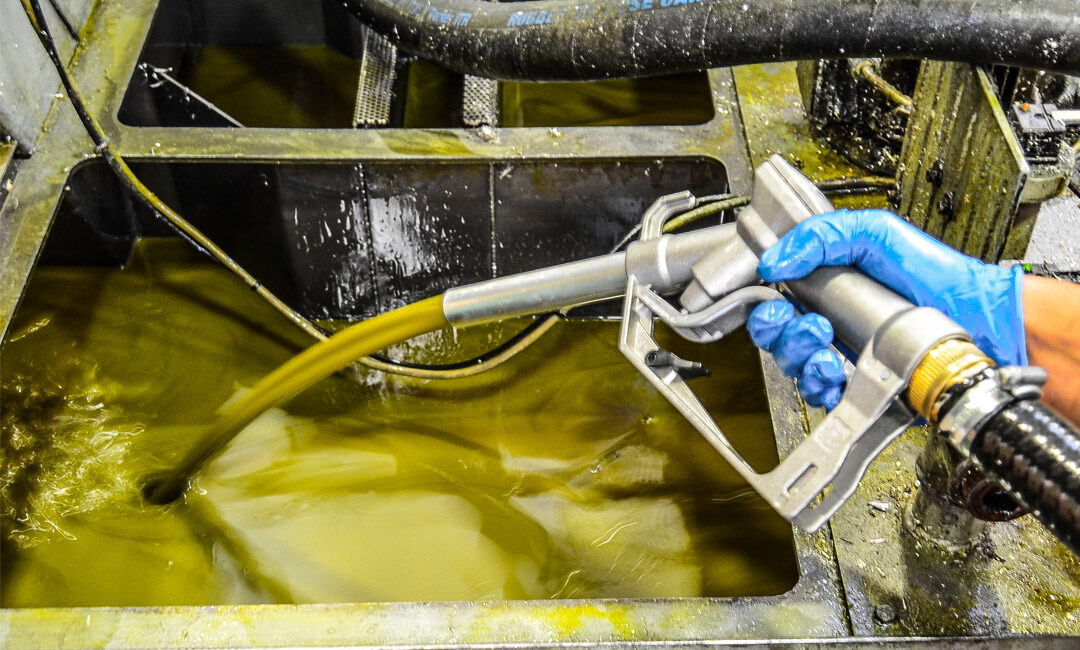
CNC Coolant Maintenance Starts With Testing, Not Guessing
Use coolant checks and sump condition together to decide when to monitor, correct, recover, clean, hold, dump, or recharge.
Most CNC shops do not decide coolant condition by guessing. They use pH meters or pH strips, refractometers, odor checks, tramp-oil inspection, visual sump checks, and sometimes dip slides or supplier lab reports to understand whether coolant is stable, drifting, correctable, or ready to be replaced.
However, those tools only tell part of the story. A pH meter can show that coolant may be drifting outside the supplier’s recommended range. A refractometer can show whether concentration is too lean or too rich. A dip slide can show whether bacterial control is becoming a problem. None of those tools remove chips, swarf, fines, sludge, tramp-oil pockets, dead zones, or metal mud from the bottom of the tank.
This guide connects coolant test results to the physical sump condition so maintenance teams can build a more useful clean-out schedule. The goal is not only to decide whether the fluid needs adjustment. The goal is to avoid returning corrected or reusable coolant into a dirty sump that keeps recontaminating it.
Core rule: Test the fluid, inspect the tank, then decide the action. Coolant testing tells you what is happening to the fluid. Sump cleaning helps control what is physically sitting inside the tank.
Fluid Condition vs. Sump Condition
A coolant test can tell you whether the fluid is stable, but a sump inspection tells you what may keep making it unstable.
A shop can correct concentration or adjust coolant chemistry and still have the same problem return if the sump is loaded with sludge, fines, tramp oil, or chip beds. That is where a sump vacuum becomes part of the maintenance workflow: not as a replacement for testing, but as the physical cleanout tool that helps remove the contamination load from the tank. For that reason, a shop should separate the fluid decision from the tank decision.
Two Separate Checks: Coolant Quality and Tank Cleanliness
Use the fluid check to understand whether the coolant can be monitored, corrected, held, or replaced. Use the sump check to understand whether chips, swarf, fines, sludge, or tramp-oil pockets may keep contaminating the system.
| Category | What You Are Checking | Typical Tools / Checks | Maintenance Question |
|---|---|---|---|
| Fluid Condition | Coolant chemistry, concentration, bacterial control, odor, corrosion risk, foam, and stability. | pH meter, pH strips, refractometer, correction factor, dip slide, lab report, odor check, visual inspection. | Can the coolant stay in service, be corrected, be held for review, or does it need replacement? |
| Sump Condition | Physical contamination inside the tank, including chips, swarf, fines, sludge, tramp-oil pockets, chip beds, and dead zones. | Sump inspection, tank-bottom check, filter/strainer inspection, quiet-time inspection, solids/sludge observation. | Is the tank clean enough to protect corrected, reusable, or fresh coolant? |
CNC coolant maintenance requires both fluid testing and sump inspection. Fluid condition includes pH, coolant concentration, odor, tramp oil, bacteria, foam, rust, corrosion risk, and coolant stability. Sump condition includes metal chips, swarf, fine particles, sludge, tramp-oil pockets, settled solids, chip beds, dead zones, filters, strainers, and tank-bottom buildup. Depureco sump vacuums support the physical sump cleaning side of coolant maintenance by recovering coolant, separating chips and swarf, and removing sludge before reusable or corrected coolant is returned.
What Each Coolant Check Tells You — And What It Misses
A pH meter, refractometer, dip slide, or lab report can help you understand the fluid. However, those tools do not remove chips, swarf, sludge, fines, tramp-oil pockets, or metal mud from the sump.
Because these symptoms often overlap, odor problems should trigger both coolant testing and sump inspection.
Coolant Tests Help Diagnose the Fluid, Not Clean the Tank
Each check answers a different question. pH and concentration readings help diagnose the coolant. Visual sump inspection helps identify the physical contamination that testing alone cannot remove.
| Tool / Check | What It Tells You | What It Does Not Tell You | Sump-Cleaning Connection |
|---|---|---|---|
| pH Meter / pH Strips | Whether coolant may be drifting outside the supplier’s recommended operating range. | How much sludge, swarf, chip load, tramp oil, or metal fines are in the sump. | If pH is drifting, inspect the tank before returning corrected coolant. |
| Refractometer | Whether coolant concentration is too lean, too rich, or within the supplier’s target range. | Whether the sump is physically clean enough to protect the corrected mix. | Correct the concentration, then avoid returning the corrected fluid into a dirty sump. |
| Correction Factor | How the raw refractometer reading converts to actual coolant concentration for that coolant product. | Whether the coolant is biologically controlled or whether the tank contains settled sludge. | Use the corrected value as one input, then inspect for physical contamination. |
| Dip Slide | Whether bacterial or fungal control may be stable, rising, or poor. | Where growth may be supported inside the system, such as chip beds, sludge, dead zones, or tramp-oil layers. | Elevated dip-slide results should trigger review of both fluid condition and sump cleanliness. |
| Tramp-Oil Inspection | Whether way oil, hydraulic oil, spindle oil, or other non-emulsified oil is floating on or contaminating the coolant. | How much oil-loaded sludge is trapped under chip beds or in low-flow areas. | Skim surface oil, check leaks, and remove oil/sludge pockets from the tank. |
| Visual / Odor Check | Early warning signs like odor, color change, foam, floating chips, slime, rust, or unusual appearance. | The exact cause or whether the coolant is safe to reuse. | Use visual warnings as a trigger for testing and sump inspection. |
| Sump-Bottom Inspection | Whether chips, swarf, fines, sludge, metal mud, and dead-zone buildup are physically contaminating the tank. | Whether the coolant chemistry is still acceptable. | Vacuum and clean the sump before returning usable coolant or adding fresh coolant. |
pH meters, pH strips, refractometers, correction factors, dip slides, tramp oil checks, visual inspection, odor checks, and sump-bottom inspection each provide different information about CNC coolant maintenance. A pH meter can show chemical drift, a refractometer can show coolant concentration, and a dip slide can indicate biological control, but none of these tools physically remove sludge, chips, swarf, fines, tramp oil, or metal mud from the CNC sump. A sump vacuum is used after testing to remove the physical contamination that can shorten coolant life or contaminate corrected fluid.
When Test Results Do Not Match What You See in the Tank
Tested the Coolant
But Still Seeing Problems?
A pH meter, refractometer, dip slide, or lab report can help you understand the fluid, but those tools do not remove chips, swarf, sludge, fines, tramp-oil pockets, or metal mud from the sump. If corrected coolant keeps going back into a dirty tank, the same problems can return.
Bacteria, Odor, Tramp Oil, and Coolant Clean-Out Timing
Odor and bacteria problems often start as a control issue, but they are frequently supported by physical contamination inside the sump.
Bad coolant odor, elevated dip-slide results, tramp-oil layers, sludge, and chip beds should not be treated as separate problems. They often overlap. Tramp oil can reduce oxygen at the fluid surface and support biological activity. Chip beds and fines can create areas where bacteria and biomass are harder to control. Sludge and dead zones can keep recontaminating coolant after the fluid has been adjusted.
When bacteria or odor keeps coming back, do not treat the sump like a chemistry-only problem. Review concentration, pH, tramp oil, metal contamination, temperature, agitation, flow, sludge, chip beds, and low-flow areas before assuming treatment alone will fix the system.
How Odor, Bacteria, and Tramp Oil Change the Clean-Out Priority
Because these symptoms often overlap, the clean-out schedule should account for both the fluid result and the physical sump condition.
| Condition | What It May Indicate | Recommended Response | Where a Sump Vacuum Fits |
|---|---|---|---|
| No odor, stable pH/concentration | Fluid may be under control. | Continue routine checks and inspect the sump for chip/sludge buildup. | Use scheduled cleanout if chips, sludge, or fines are accumulating. |
| Light odor after idle time | Early warning of stagnation, tramp oil, or low-flow zones. | Check pH, concentration, tramp oil, and visible sludge. | Use quiet-time inspection to remove settled solids and oil-loaded sludge. |
| Strong odor or recurring Monday smell | Possible microbial control issue, tramp oil, or contaminated sump condition. | Test fluid, review supplier guidance, and inspect the sump before reuse. | Vacuum sludge, chip beds, and dead zones before returning or replacing fluid. |
| Elevated dip-slide result | Bacterial or fungal levels may be increasing. | Review concentration, pH, tramp oil, temperature, agitation, and flow. | Remove metal fines, sludge, swarf, and oil pockets that may support growth. |
| Heavy contamination / poor control | Fluid may need drain-clean-recharge or supplier-directed action. | Do not return questionable coolant without review. | Use sump vacuum cleanout to remove spent fluid, chips, swarf, sludge, and hidden buildup before recharge. |
This CNC coolant decision matrix connects coolant test results to sump cleaning actions. It covers when to monitor coolant, correct concentration, investigate pH drift, recover usable coolant, filter coolant, hold coolant for review, dump failed coolant, drain clean and recharge the tank, and use a sump vacuum for physical cleanout. The sump vacuum role is strongest when coolant is reusable or correctable but the sump contains chips, swarf, fines, sludge, tramp-oil residue, dead-zone buildup, or tank-bottom contamination.
How Coolant and Sump Problems Can Show Up in Part Quality
Coolant maintenance is not only about odor or tank cleanliness. Problems can show up as rust, staining, poor finish, foam, residue, tool wear, and rework.
CNC coolant and sump contamination can affect part quality, rust prevention, staining, surface finish, residue, foam, tool life, and rework. Low coolant concentration, falling pH, weak corrosion protection, abrasive fines, dirty recirculating fluid, tramp oil, sludge, and chip beds can create production warning signs before the coolant is fully replaced. Depureco sump vacuums help machine shops remove metal fines, swarf, sludge, coolant contamination, and tank-bottom debris that can contribute to recurring part-quality problems.
Production Symptoms That Should Trigger a Sump Inspection
In other words, coolant problems are not always limited to the tank. They can also show up in the parts, tools, filters, screens, and daily production routine.
| Production Warning Sign | Possible Coolant / Sump Cause | What To Check First | Clean-Out Connection |
|---|---|---|---|
| Rust or staining on parts | Low concentration, falling pH, weak corrosion protection, makeup-water issue, or dirty sump residue. | pH, concentration, supplier range, water quality, rust/staining history. | Do not return corrected coolant to a dirty tank. Remove sludge, fines, and old residue before recharge or reuse. |
| Poor surface finish or scratching | Suspended fines, abrasive swarf, dirty coolant circulation, tool wear, or poor filtration. | Filter loading, sump-bottom sludge, particle type, tool wear pattern, coolant delivery. | Vacuum fines, chips, sludge, and metal mud that may keep recirculating through the coolant system. |
| Foam or unstable coolant flow | High concentration, water quality issue, contamination, low sump level, air entrainment, or flow problem. | Refractometer reading, sump level, water quality, pump return, foam level, filter condition. | Remove dirty pockets, chips, and solids that can contribute to unstable flow or contamination. |
| Sticky residue or film on parts | Over-concentration, tramp oil, additive imbalance, dirty coolant, or inadequate separation. | Concentration, tramp-oil layer, skimmer performance, visual condition, supplier guidance. | Recover coolant into a clean holding drum, remove oil/sludge pockets, and return only acceptable fluid. |
| Shorter tool life | Low concentration, loss of lubricity, abrasive fines, blocked delivery, or dirty recirculating fluid. | Concentration, tool wear pattern, filter condition, chip load, coolant pressure/flow. | Remove chip beds, swarf, fines, and sludge that may reduce coolant performance around the tool. |
| Recurring odor after idle periods | Tramp oil, sludge, bacteria, stagnant zones, low-flow areas, or dirty sump-bottom buildup. | pH, concentration, tramp oil, dip slide if used, quiet-time oil layer, sludge inspection. | Use shutdown or weekend quiet time to inspect, skim oil, and schedule a sump vacuum cleanout. |
When to Monitor, Correct, Filter, Recover, Hold, Dump, or Recharge
The right action depends on both the coolant test result and the physical condition of the sump.
Match the Coolant Result to the Next Maintenance Action
Once the coolant has been checked and the sump has been inspected, the next step is choosing the right action instead of defaulting to a full dump or an incomplete correction.
| Fluid Test Result | Sump / Tank Condition | Better Action | Sump Vacuum Role |
|---|---|---|---|
| pH and concentration in range, no odor | Tank looks clean | Keep monitoring and stay on routine schedule. | Use planned cleanout if chip or sludge load starts building. |
| Fluid tests acceptable | Chips, sludge, fines, or swarf present | Recover/filter coolant, clean sump, return only if fluid still tests acceptable. | Recover coolant, separate solids, remove tank-bottom contamination. |
| Concentration too lean or too rich | Visible contamination present | Correct concentration, but remove contamination source before returning fluid. | Clean the sump so corrected coolant is not returned to sludge and fines. |
| pH trending down or outside range | Sludge, tramp oil, or odor present | Investigate bacteria risk, tramp oil, concentration, and tank-bottom contamination. | Remove chip beds, sludge, fines, and oil pockets that may keep destabilizing the fluid. |
| Strong odor or elevated bacteria | Dirty sump or stagnant zones | Hold fluid, test, follow supplier guidance, and clean system before reuse or recharge. | Vacuum contaminated fluid, swarf, sludge, and dead-zone buildup. |
| Fluid no longer controllable | Heavy sludge or old residue | Drain, clean, and recharge. Do not reuse without supplier guidance. | Remove spent coolant, chips, swarf, sludge, and residue before new coolant is added. |
Why CNC Sumps Stay Dirty Even With Skimmers, Filter Bands, and Chip Conveyors
Online filtration helps with circulating contamination, but it does not always clean settled sludge, dead zones, chip beds, or tank-bottom fines.
Chip conveyors, filter bands, baskets, skimmers, coalescers, magnetic separators, bag filters, and cartridge filters can all help reduce contamination while coolant is circulating. They are valuable parts of a coolant maintenance program, but they do not automatically clean every low-flow corner, settled pocket, chip bed, trench, or dead zone inside the sump.
This is where physical cleanout matters. If fines, sludge, tramp-oil residue, and metal mud are already settled in the tank, the coolant can keep picking up contamination even after concentration or pH is corrected.
What Online Filtration May Leave Behind
For that reason, online filtration should be treated as part of the maintenance program, not a full replacement for scheduled tank-bottom cleanout.
| System Component | What It Helps With | What It May Miss | Clean-Out Need |
|---|---|---|---|
| Chip Conveyor | Moves larger chips and swarf out of the machine. | Fines, sludge, settled metal mud, and low-flow pockets. | Inspect tank bottom and clean hidden buildup. |
| Filter Band / Paper Bed | Filters circulating coolant. | Settled solids that never reach the filter. | Vacuum sludge and chip beds from the sump. |
| Skimmer / Coalescer | Removes floating tramp oil. | Oil-loaded sludge, submerged pockets, and solids under the oil layer. | Clean oil/sludge pockets during quiet-time maintenance. |
| Magnetic Separator | Captures ferrous particles. | Non-ferrous chips, sludge, tramp oil, and tank-bottom buildup. | Use physical sump cleanout for mixed contamination. |
| Bag / Cartridge Filter | Captures suspended particulate. | Heavy sludge, chip beds, and settled contamination. | Remove solids before they keep overloading filters. |
Chip conveyors, filter bands, paper-bed filters, skimmers, coalescers, magnetic separators, bag filters, and cartridge filters can reduce circulating coolant contamination, but they may not remove settled sludge, fines, swarf, metal mud, chip beds, or dead-zone buildup from the bottom of a CNC sump. CNC sump vacuums are used to physically remove the contamination that online filtration may miss, especially before corrected or fresh coolant is returned to the tank.
Get Your CNC Coolant Maintenance
& Sump Clean-Out Schedule
Use your pH, concentration, tramp-oil, odor, bacteria, sludge, chip-load, and part-quality checks to estimate cleaning priority and next maintenance action.
Use this scheduler after checking the machine’s current condition. It does not replace coolant supplier guidance, lab testing, internal EHS procedures, machine manufacturer instructions, or waste-handling requirements. It helps translate your shop-floor readings and sump inspection into a practical maintenance plan.
The printout includes fluid status, tank status, production risk, first clean-out timing, recurring clean-out cadence, next pH/concentration check, next sump inspection, next cleanout date, and a sump vacuum workflow recommendation. After the sump has been inspected, the scheduler below helps convert those observations into a practical maintenance record.
Generate a Printable Coolant Maintenance Record
After entering the current readings and sump conditions, use the printout as a maintenance record for the machine, cell, or clean-out window.
CNC Coolant Maintenance & Sump Clean-Out Scheduler
Enter your coolant test results, sump condition, chip load, sludge level, and production warning signs to estimate cleaning priority, reuse readiness, next checks, and sump vacuum workflow.
pH and Concentration
Use the coolant supplier’s operating range. The scheduler compares your actual readings to that range.
Bacteria, Tramp Oil, Odor, and Visual Condition
Use current shop-floor checks, dip-slide results if used, and visual tank inspection.
Production Warning Signs
Select any symptoms that may connect coolant condition or sump contamination to production quality.
Notes
Add anything useful for the printed maintenance record.
Maintenance Result
Recommended Actions
Maintenance Schedule
Sump Vacuum Workflow Fit
Sump Vacuum Workflow: Test, Recover, Separate, Filter, Hold, Clean, Return
A sump vacuum does not replace coolant testing. It helps remove the physical contamination that testing alone cannot remove.
Not every dirty sump condition has the same urgency. Light chips in a stable system may only need normal removal. Heavy tramp oil, recurring odor, falling pH, or a sludge layer should move the machine into a higher cleaning priority.
The table below can be used as a practical screening guide before deciding whether coolant should be reclaimed, filtered into a drum, returned to the machine, or dumped and recharged.
Turn Test Results Into a Physical Clean-Out Workflow
This workflow keeps the fluid decision separate from the tank decision, which helps prevent corrected or reusable coolant from going back into a contaminated sump.
| Step | What Happens | Why It Matters |
|---|---|---|
| 1. Test the coolant | Check pH, concentration, odor, tramp oil, dip-slide result if used, and visible condition. | Determines whether coolant is stable, correctable, questionable, or no longer worth returning. |
| 2. Inspect the sump | Look for chip beds, swarf, fines, sludge, oil pockets, dead zones, rust, foam, and dirty filters/screens. | Identifies the physical contamination that can keep damaging coolant. |
| 3. Recover usable coolant | Vacuum coolant into the sump vacuum or a clean holding workflow, depending on the system. | Prevents usable or correctable coolant from being dumped with sludge. |
| 4. Separate solids | Remove chips, swarf, shavings, stringers, fines, and sludge from the liquid stream. | Reduces the solids load before fluid is returned, filtered, or disposed. |
| 5. Clean tank-bottom contamination | Remove metal mud, settled fines, old residue, dead-zone buildup, and tramp-oil sludge. | Helps prevent corrected or fresh coolant from being recontaminated. |
| 6. Return, hold, or recharge | Return only acceptable coolant, hold questionable coolant for review, or recharge after proper cleanout. | Connects fluid testing to a cleaner mechanical maintenance workflow. |
The sump vacuum workflow for CNC coolant maintenance includes testing the coolant, inspecting the sump, recovering usable coolant, separating metal chips and swarf, removing sludge and tank-bottom contamination, and returning, holding, or recharging coolant based on test results and facility procedures. Depureco sump vacuums are positioned for coolant recovery, oil and swarf cleanup, sludge removal, metal chip separation, and CNC tank cleanout workflows in industrial machine shops and machining operations.
Related CNC and Machine Shop Vacuum Resources
Compare sump vacuums, CNC machine shop vacuums, metal chip vacuums, and machining cleanup solutions.
| Next Step | Best If You Need To... |
|---|---|
| CNC Sump Vacuums for Coolant and Metal Chips | Compare sump vacuum options for coolant recovery, chip separation, swarf removal, sludge cleanout, filtration, and pump-out workflows. |
| CNC Machine Shop Vacuums | See vacuum options for machine shops handling coolant, oil, chips, swarf, dry metal debris, dust, and routine CNC cleanup. |
| Industrial Vacuums for Machining Operations | Review vacuum solutions for machining environments where chips, fines, coolant, lubricants, swarf, dust, and production debris need controlled removal. |
| Metal Chips and Shavings Vacuums | Find vacuum options for recovering metal chips, shavings, turnings, spirals, stringers, and mixed machining debris around CNC equipment. |
| Industrial Vacuums for Dry Metal Chips | Compare dry-chip vacuum options for applications where coolant recovery is not required, but chips, shavings, and dry metal debris still need efficient collection. |
CNC Coolant Maintenance FAQ
Quick answers for pH testing, concentration checks, bacteria, sump cleaning, and coolant recovery workflows.
Does a sump vacuum tell me if CNC coolant is still good?
Should I test coolant before using a sump vacuum?
Can clean coolant be returned to a dirty sump?
It should not be. Returning corrected, reusable, or fresh coolant into a dirty sump can reintroduce sludge, fines, tramp oil, bacteria-supporting chip beds, and old residue into the system.
Do filter bands, skimmers, and chip conveyors replace sump cleaning?
No. They help reduce circulating contamination, floating oil, or larger chip load, but they may not remove settled sludge, dead-zone buildup, metal mud, or chip beds inside the tank.
When should coolant be dumped instead of recovered?
If coolant is no longer controllable, has severe odor, elevated bacterial contamination, recurring pH/concentration instability, or supplier guidance says it should be replaced, it should not be returned without review. Even when coolant is dumped, the sump should still be physically cleaned before recharge.
