
CNC Vacuums
CNC Coolant Recovery Case Study
See how TaMek used the RAM OIL T 500 to recover coolant and remove aluminum chips from CNC sumps while reducing repeated emptying and supporting chip handling.


See how TaMek used the RAM OIL T 500 to recover coolant and remove aluminum chips from CNC sumps while reducing repeated emptying and supporting chip handling.
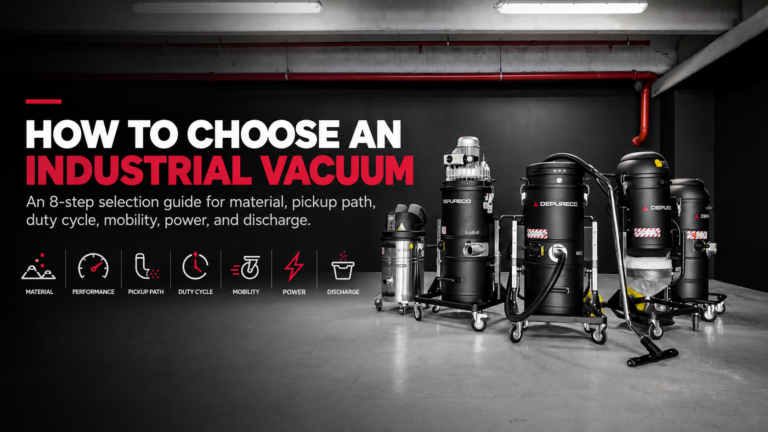
Choosing an industrial vacuum starts with the application, not the model number. Learn how material, filtration, hose distance, duty cycle, power, suction points and discharge method determine the right system.

Compare HEPA H13 and H14 filters for industrial vacuums. Learn how efficiency, MPPS, penetration, use cases, and system design affect which filter is right for your application.
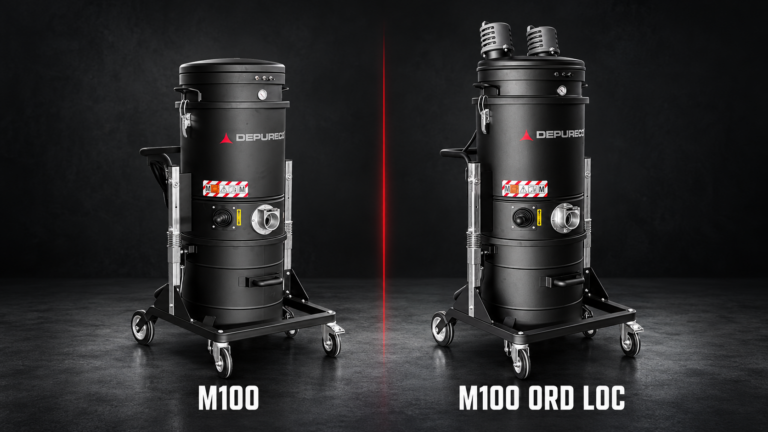
Compare the Depureco M100 and M100 ORD LOC industrial vacuums. Learn how their applications, filtration, and static-control features differ, and which model to evaluate for your cleanup needs.
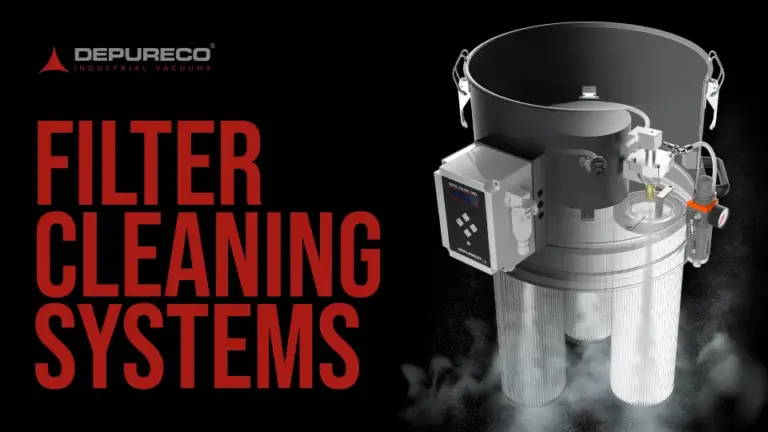
Compare industrial vacuum filter cleaning systems from Depureco, including manual shakers, JetClean®, VIBRO, SE, PSC, and SP. Learn how each method works and which materials and operating conditions it suits.

See the Depureco DF 22 ORD LOC dust collector in action and learn where it fits for fine airborne process dust, source capture, sanding, grinding, plastics, machine extraction and other qualified industrial applications.

Visit Depureco USA at IMTS 2026 to see industrial vacuum solutions for CNC sump cleaning, coolant recovery, metal chips, swarf and manufacturing cleanup. Meet our team, see live application demonstrations and schedule time to discuss your process.

Chemical and pharmaceutical processing can generate everything from fine APIs and excipients to pigments, carbon black, chemical additives, tablet dust, and other difficult powders. The right cleanup approach depends on much more than suction power. Before selecting an industrial vacuum, facilities should understand the material being collected, how it behaves, where it is generated, how it must be contained or disposed of, and whether exposure, static electricity, combustibility, or cross-contamination create additional requirements. An industrial vacuum can support safer housekeeping, controlled powder recovery, and repeatable cleaning procedures, but

A practical guide to metal chips, swarf, shavings, spirals, stringers and CNC sludge—and how each material condition affects hose sizing, separation, filtration and industrial vacuum selection.
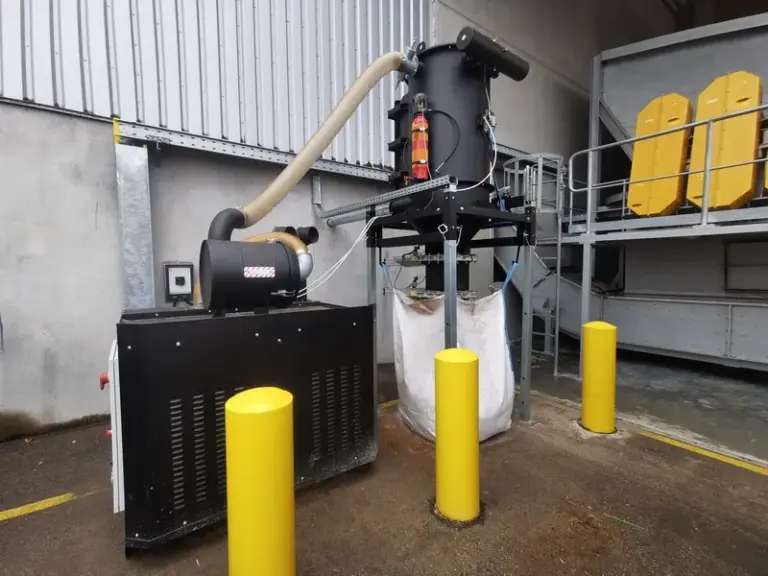
Is your facility outgrowing portable vacuum cleanup? Learn the key signs that an industrial central vacuum system may be the next step and what determines how the system should scale.

Manual CNC sump cleaning can consume maintenance labor, production time, and usable coolant. See where sump vacuum ROI comes from and which shop-specific costs determine the real payback.
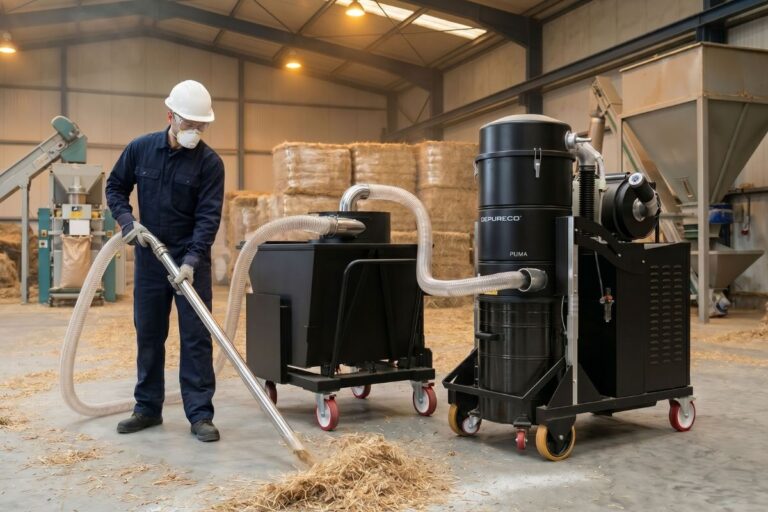
Is your current vacuum quietly increasing labor, filter costs, downtime, or material waste? Use this four-point industrial vacuum performance audit to identify costly warning signs and the right next step.